Non-alcoholic beers are no longer just alcohol-free alternatives. They're evolving into wellness-focused drinks packed with ingredients that support mental clarity, stress relief, and overall health. These "functional beers" include nootropics like L-theanine for calm focus, adaptogens such as ashwagandha to manage stress, and botanicals like turmeric for added health benefits.
This shift reflects a growing demand for beverages that go beyond taste, aligning with health-conscious lifestyles. With the UK functional drinks market expected to grow significantly by 2035, functional beers are becoming a go-to option for those seeking healthier, alcohol-free options without sacrificing the social experience of drinking.
Key takeaways:
- Functional Ingredients: Nootropics (L-theanine), adaptogens (ashwagandha), botanicals (turmeric, mushrooms).
- Benefits: Stress relief, mood improvement, cognitive support.
- Market Growth: UK functional drinks market projected to reach £8.3 billion by 2035.
- Consumer Trends: Rising interest in health-focused, alcohol-free options.
Functional beers combine wellness benefits with flavour, offering a satisfying alternative for social and mindful drinking.
Episode #58: Quarantine Edition | Functional Beer with Rally Beer Co. | Adjunct Series
Main Types of Functional Ingredients
Functional beer ingredients come in various forms, each bringing something special to the table. Let’s dive into some of the key categories that are reshaping the way we think about beer.
Nootropic Ingredients in Functional Beer
Nootropics are known for their ability to support mental performance. In 2022, the global nootropic market was valued at $3.75 billion USD, and it’s predicted to grow by 14.6% annually, potentially surpassing $11 billion USD by 2030 [1].
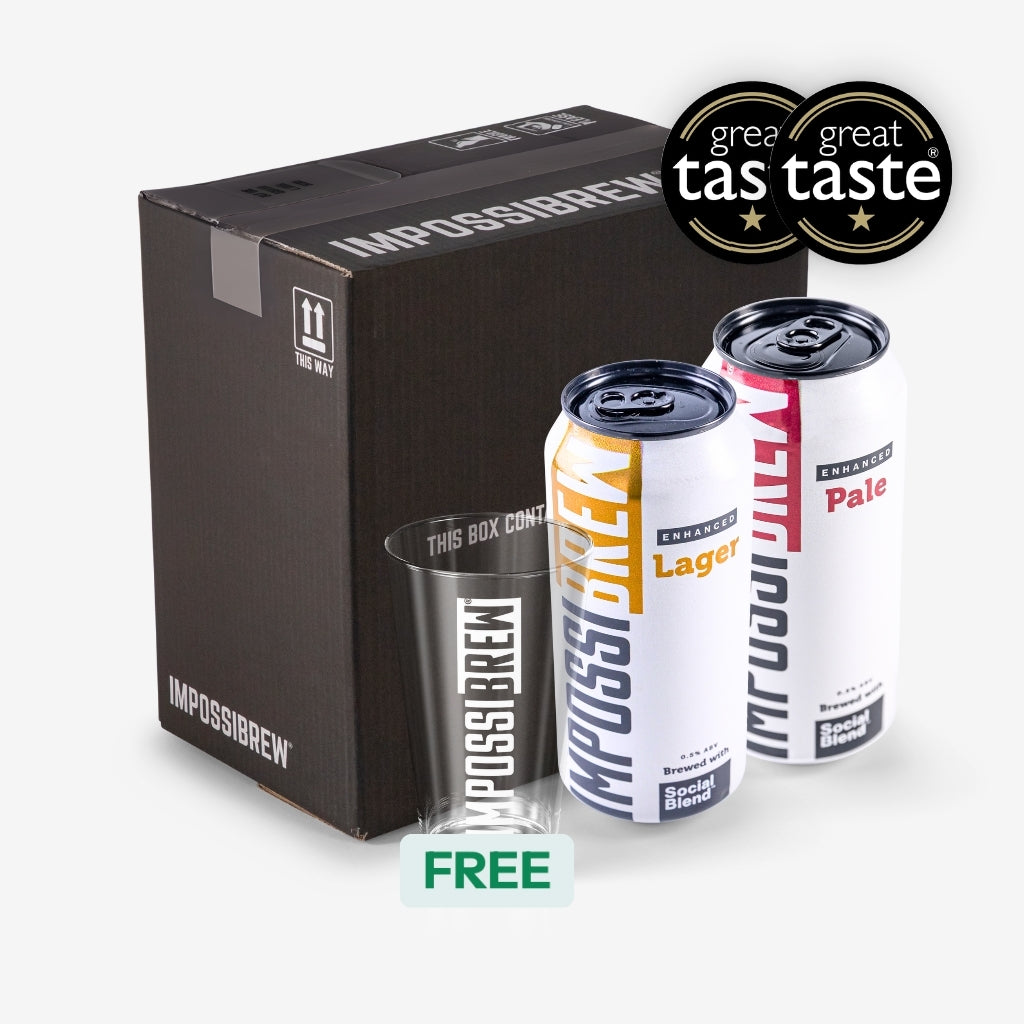
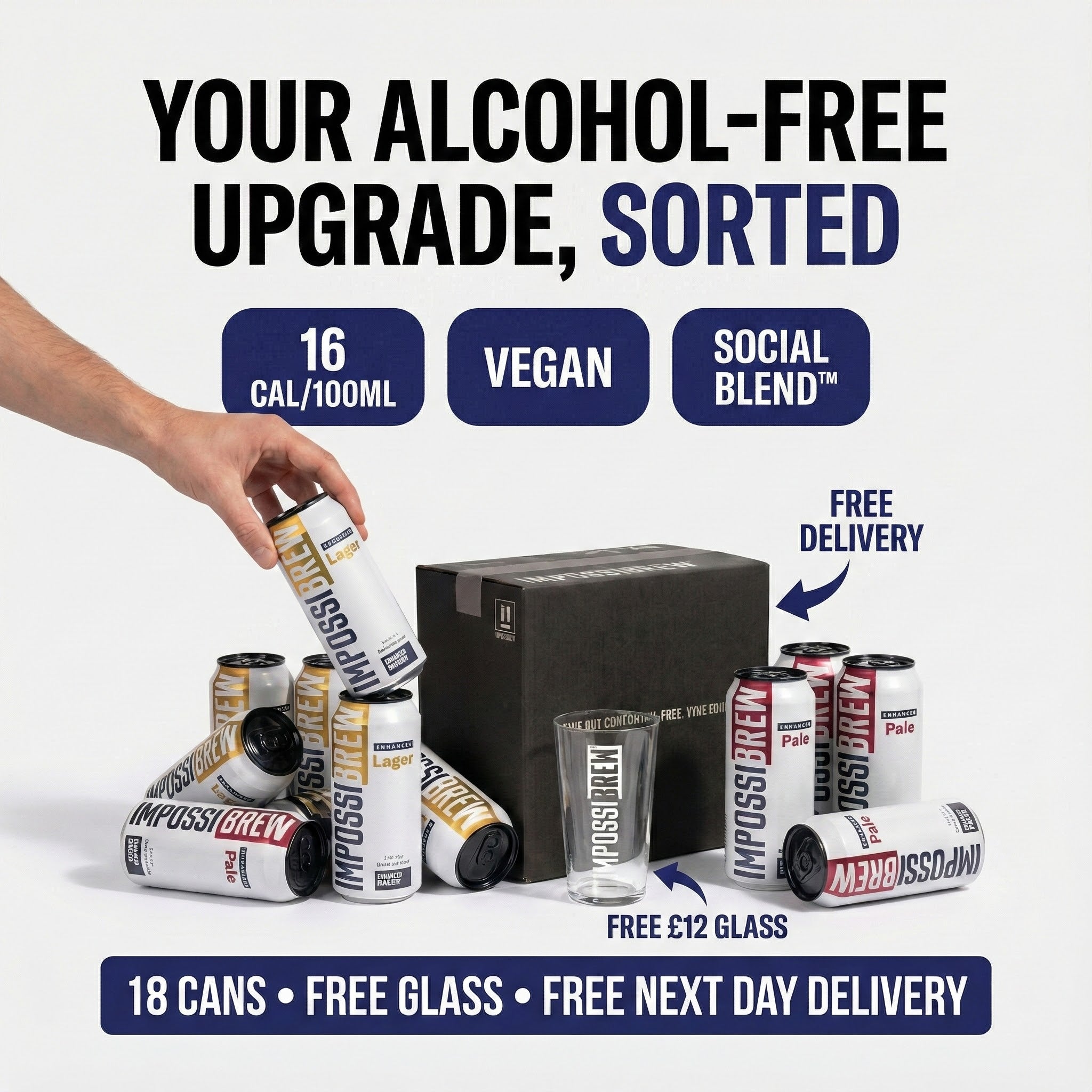
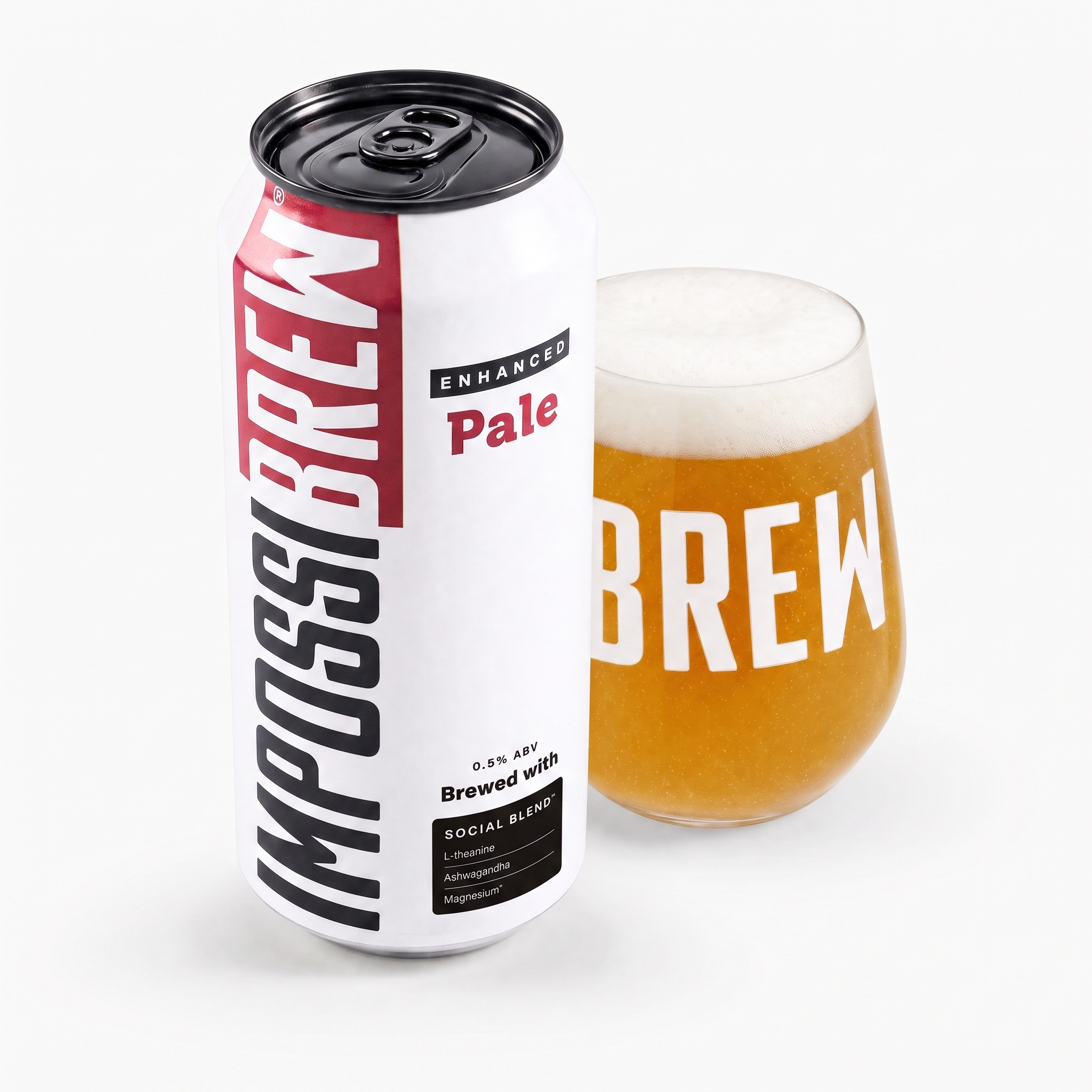
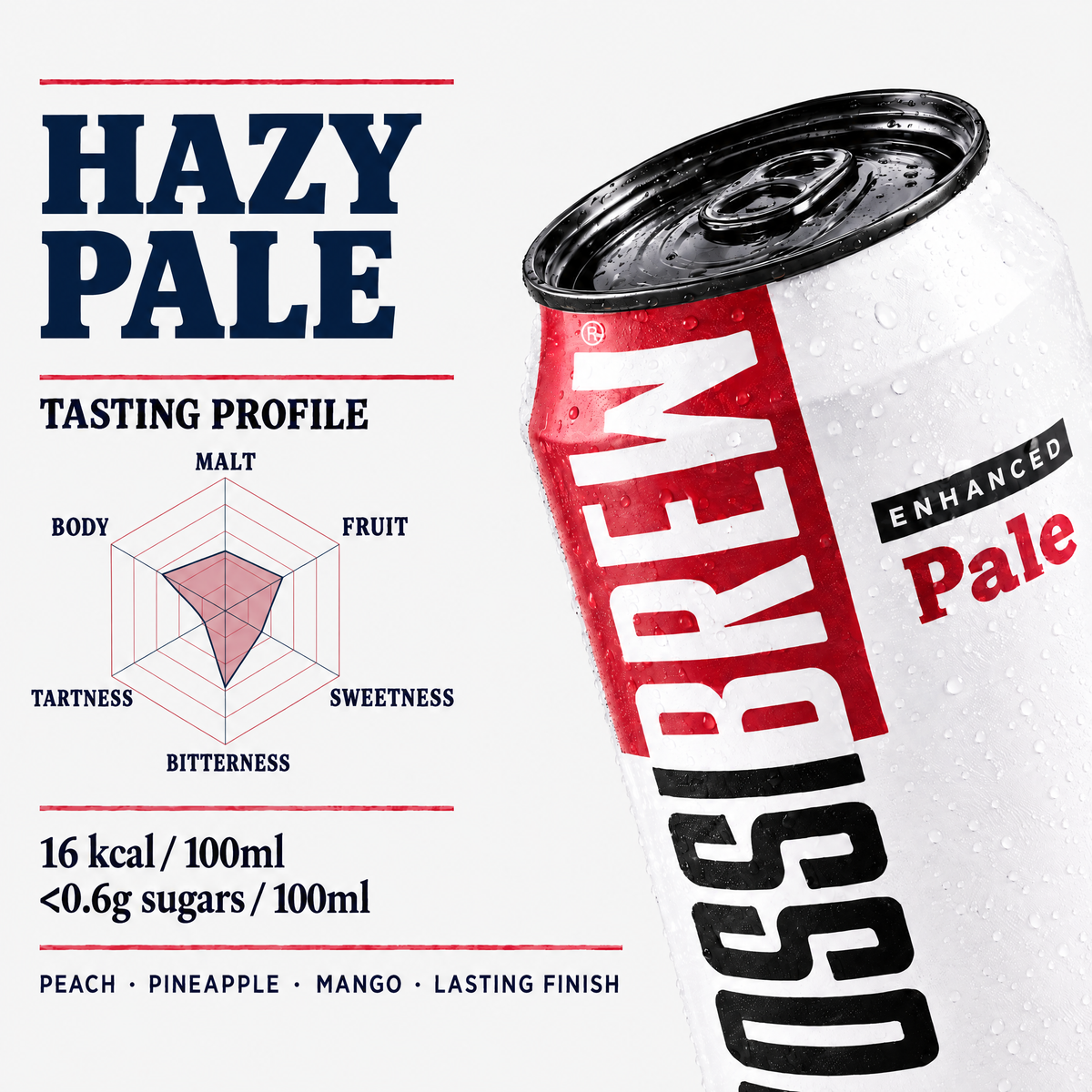
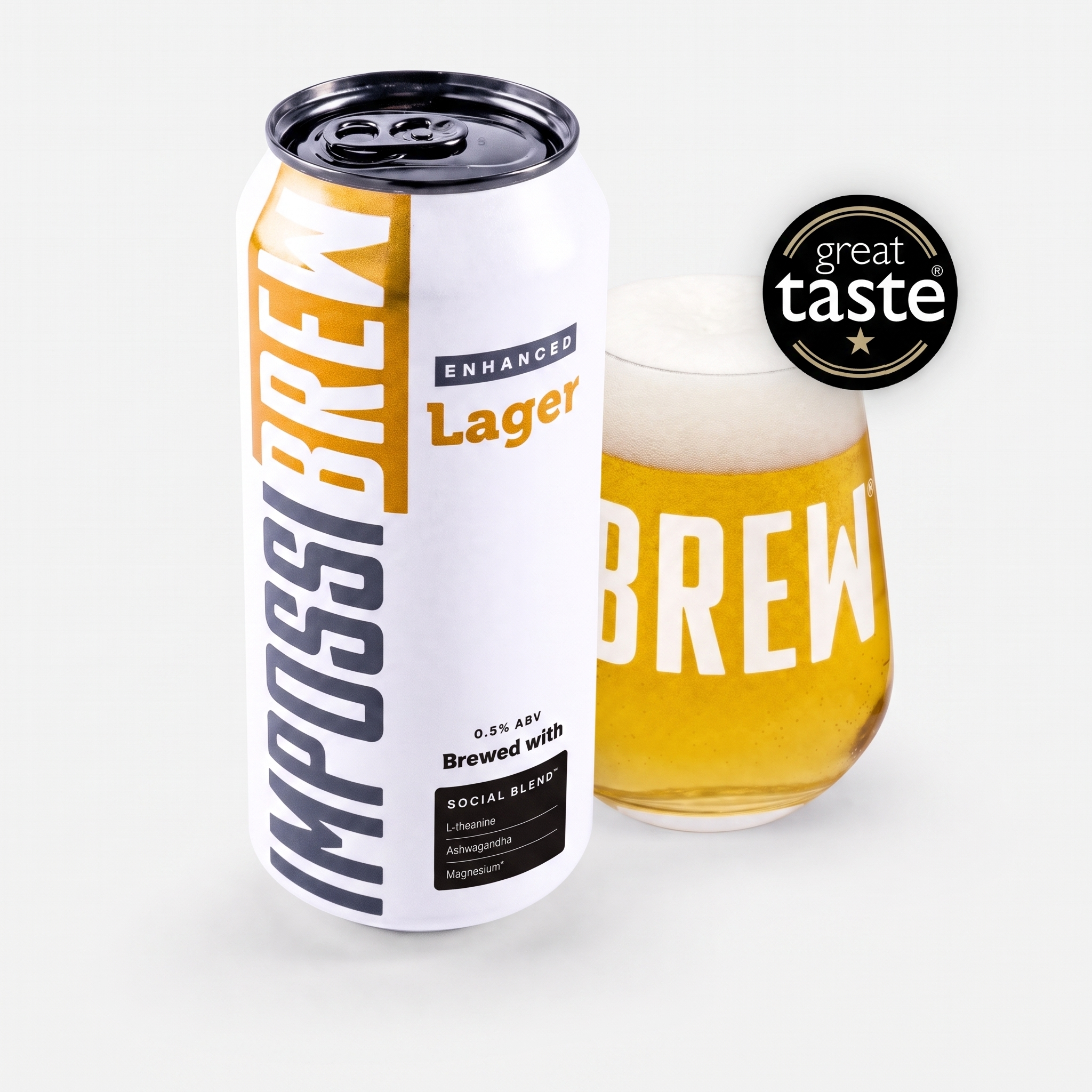
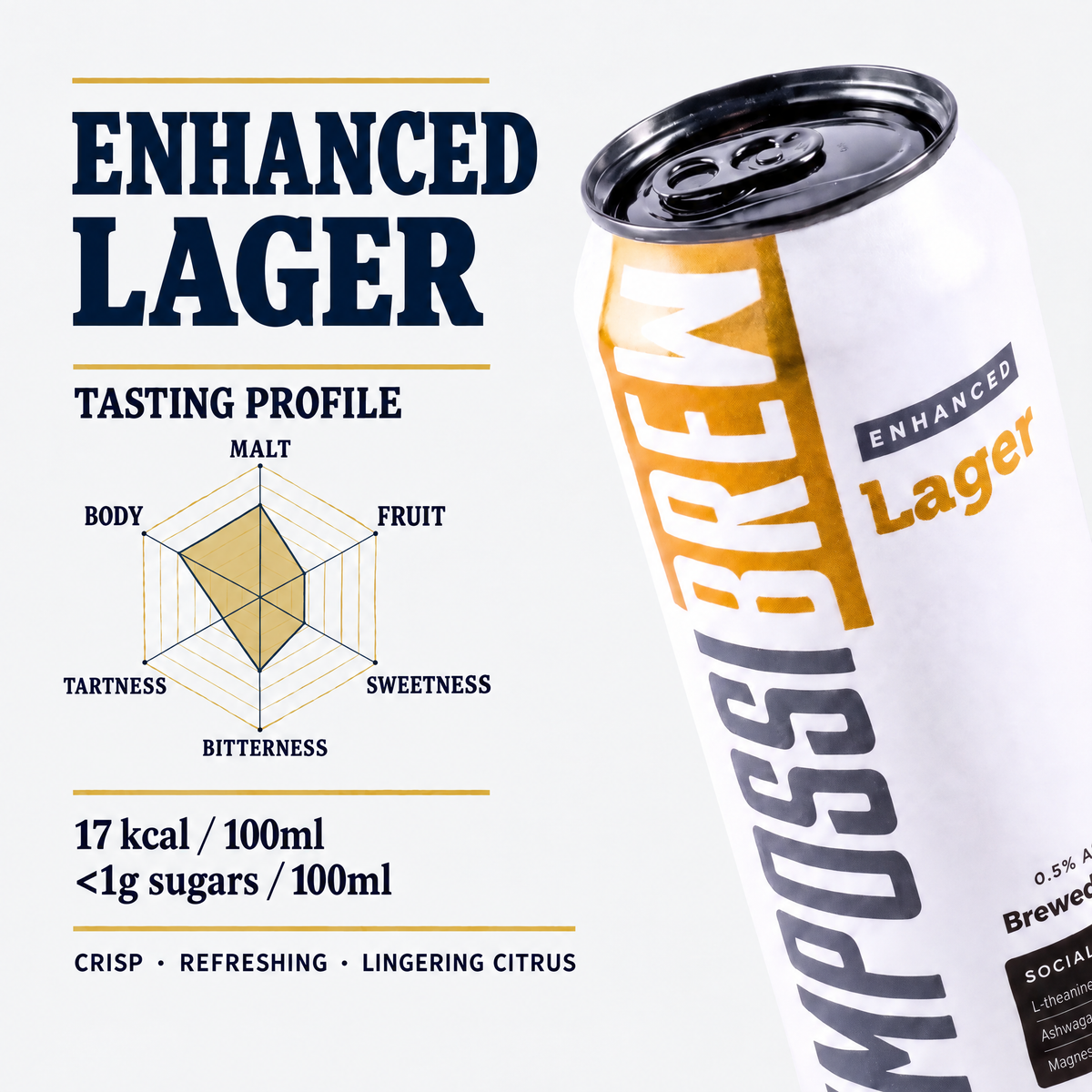
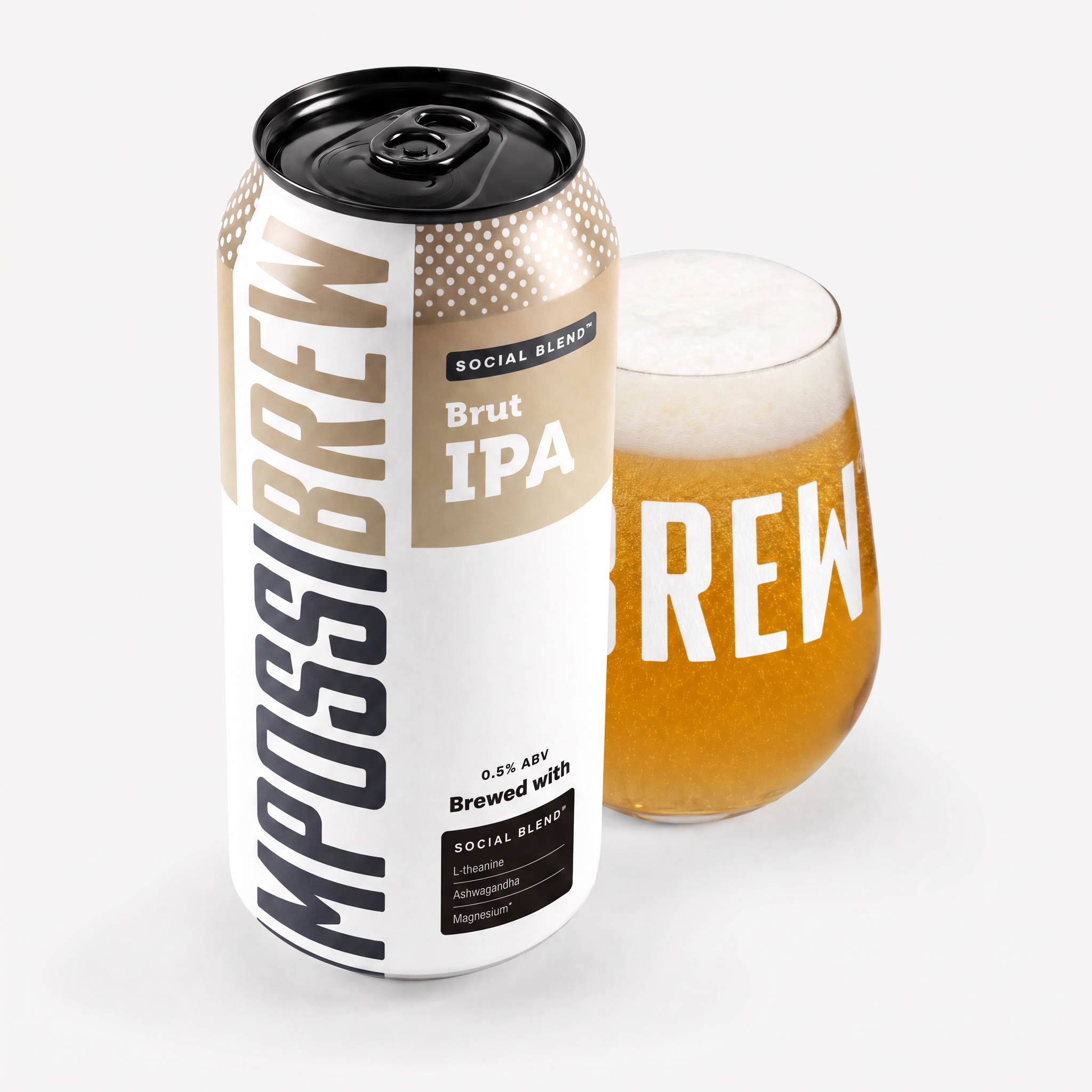
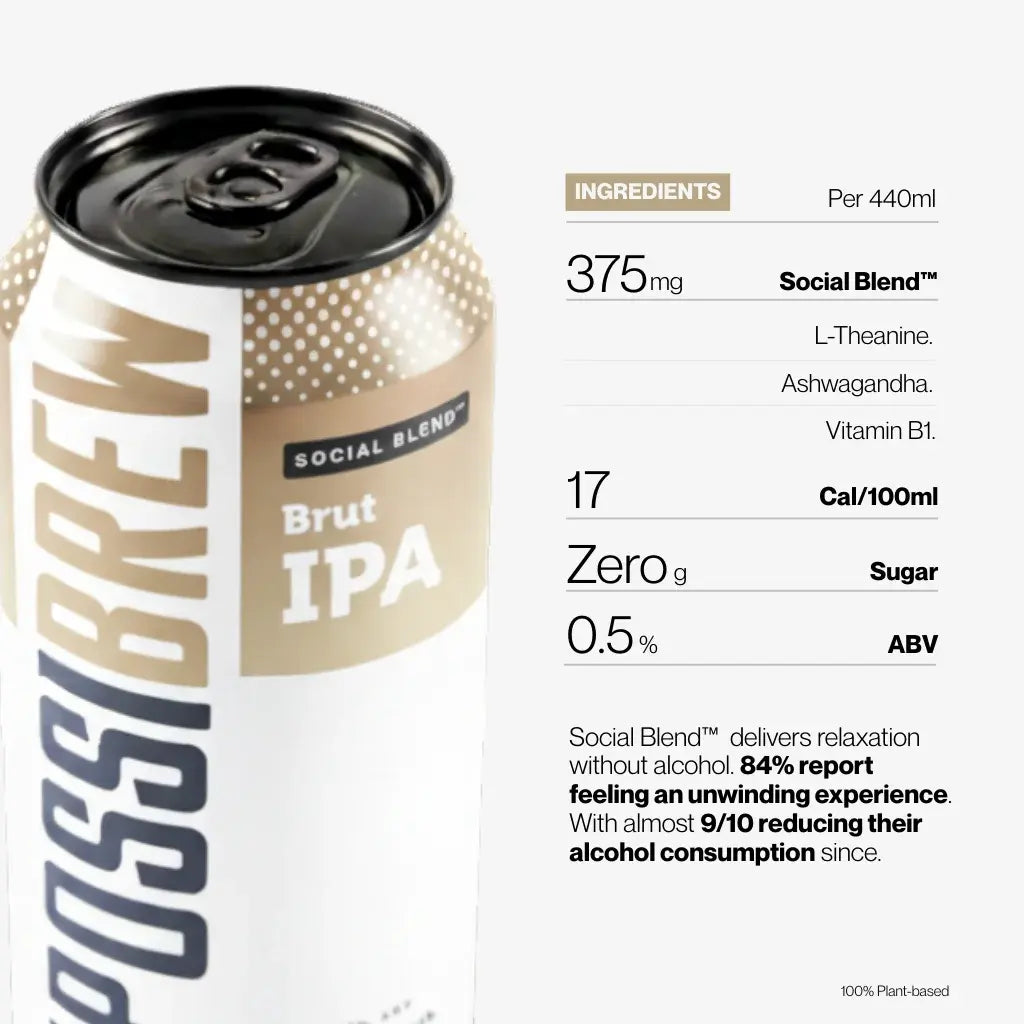
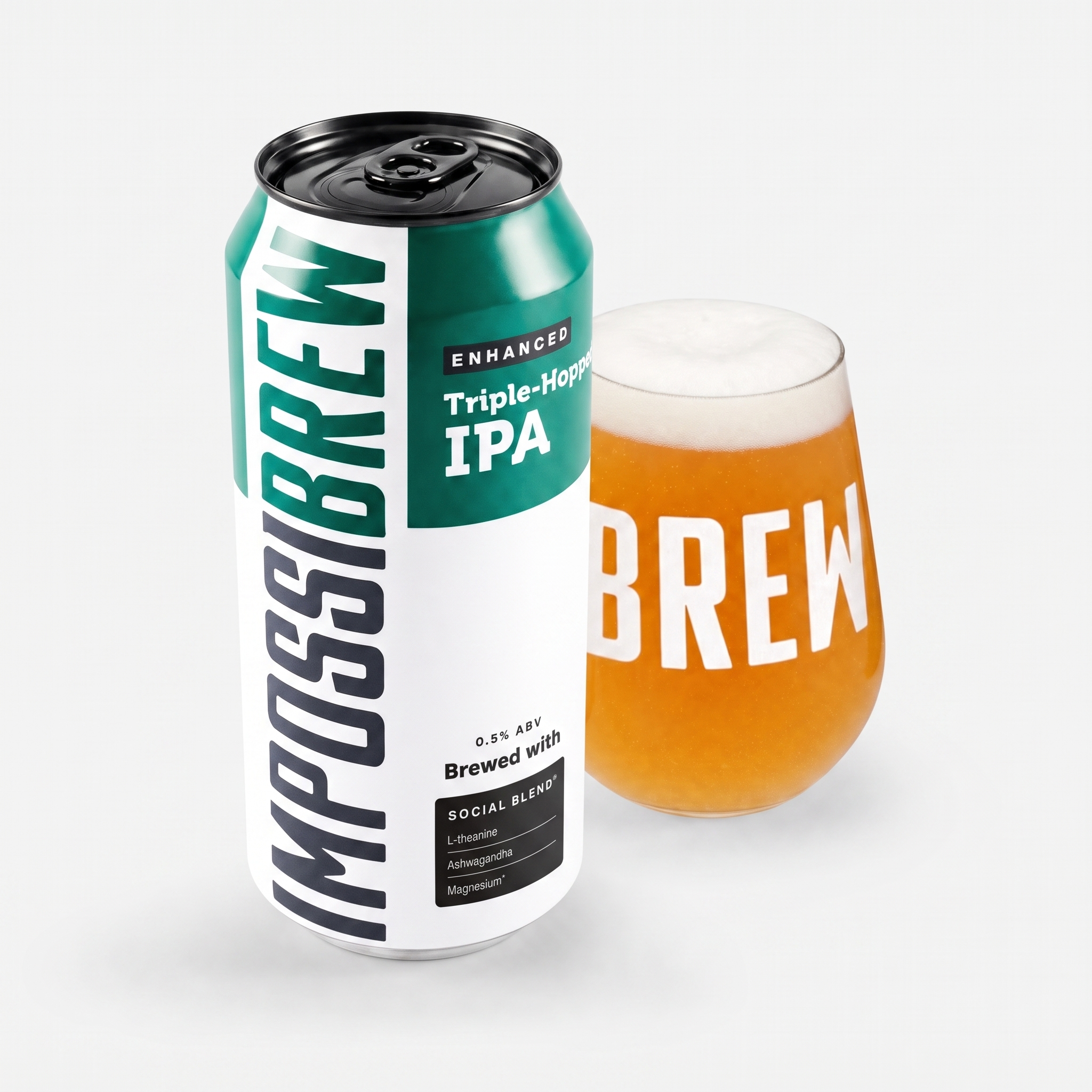
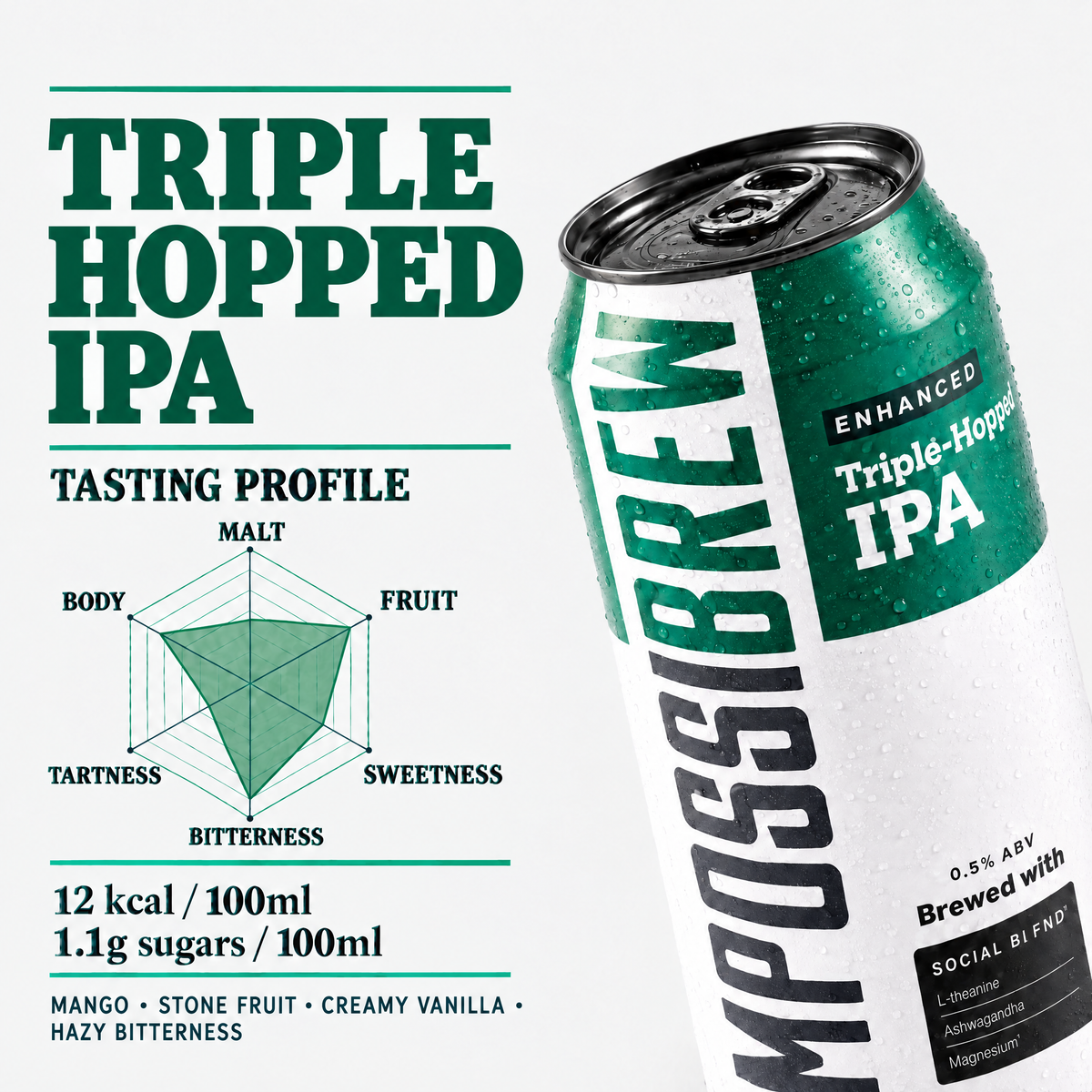
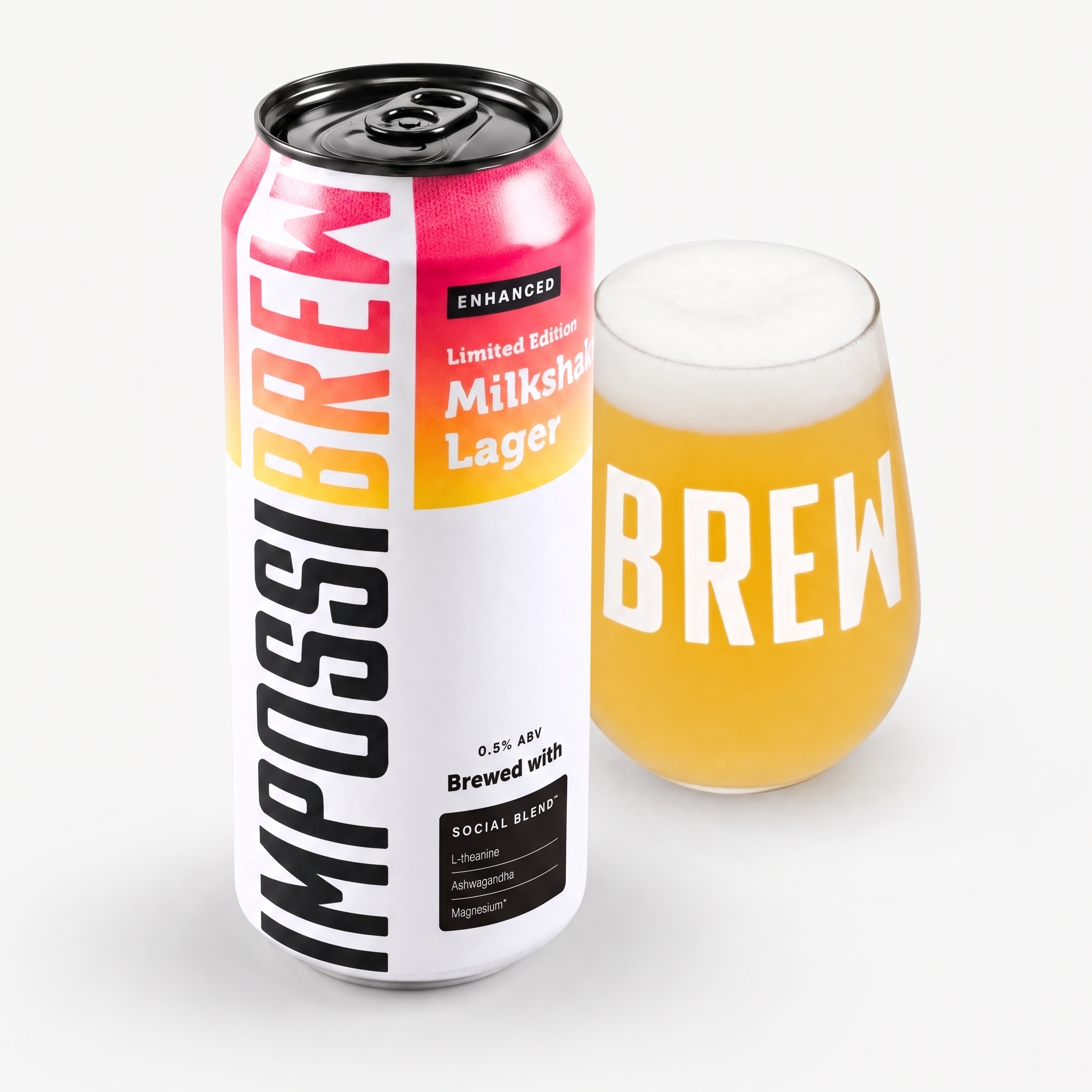
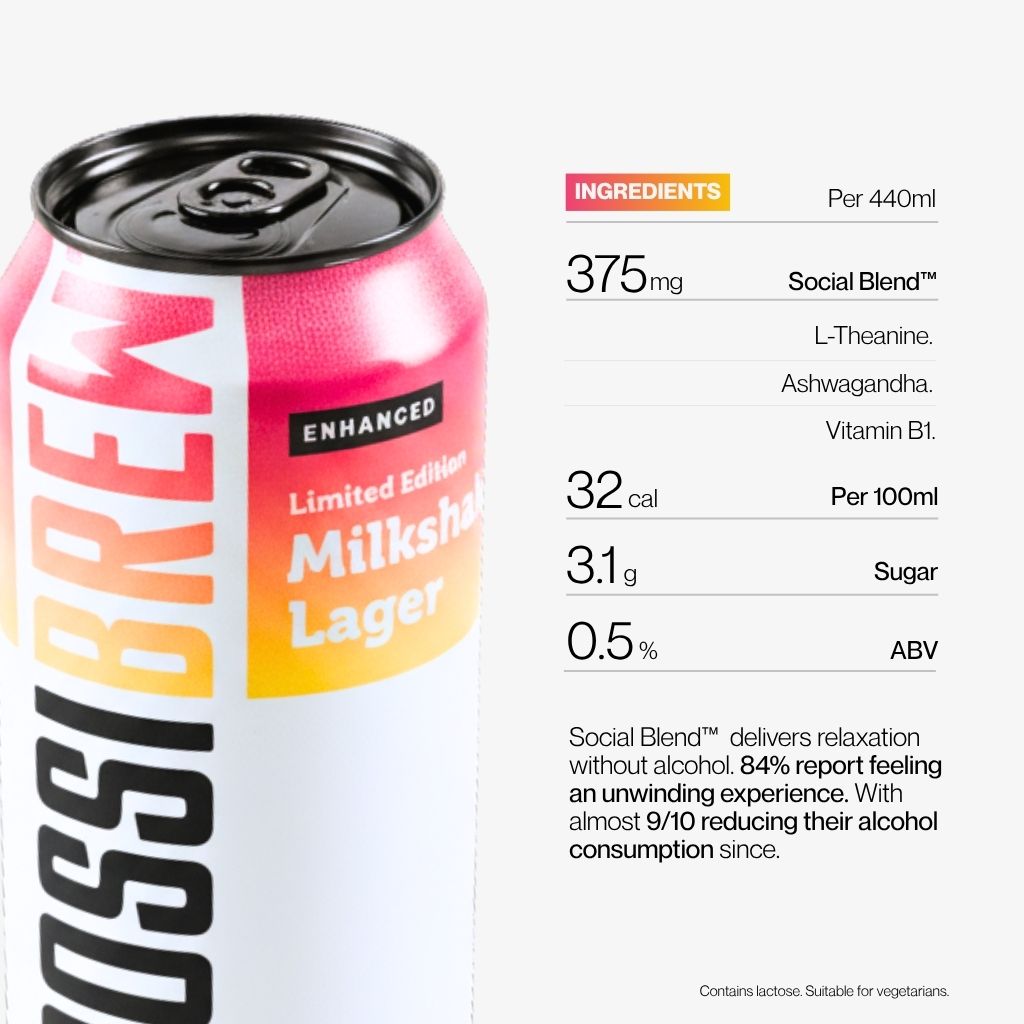
Take L-theanine, for example. Found naturally in tea leaves, it works wonders when paired with caffeine in a 1:1 ratio, offering a balanced sense of calm focus and relaxed alertness. Another standout is 5-HTP (5-Hydroxytryptophan), which helps regulate serotonin levels, influencing mood and happiness. IMPOSSIBREW® has tapped into this potential by blending 5-HTP with L-theanine and Vitamin B1 in their Social Blend™, creating a formula that supports both mental clarity and emotional balance [1].
Nootropics go beyond mood enhancement. They improve blood flow to the brain, boost neurotransmitter production (like dopamine and acetylcholine), and protect brain cells from oxidative damage [1].
Adaptogenic Ingredients in Functional Beer
Adaptogens are plant-based extracts that help the body cope with stress by interacting with the hypothalamic–pituitary–adrenal (HPA) axis, which regulates stress hormones like cortisol and adrenaline [2].
One of the most popular adaptogens is ashwagandha, an ancient herb known for reducing fatigue and improving focus under stress. Studies show it can lower anxiety, boost concentration, and enhance overall well-being [2][3]. Similarly, rhodiola offers a smoother energy boost compared to caffeine, without the jitters or crashes. It’s ideal for improving alertness and endurance in a more balanced way [6].
Adaptogens help the body stay in its "resistance phase" - a state where it can manage stress effectively without becoming overwhelmed. Research also highlights their role in enhancing physical performance while reducing fatigue and stress [2][3].
New Botanicals and Functional Mushrooms
The rise of botanical ingredients and functional mushrooms is adding another dimension to functional beers. These components not only meet the demand for clean-label, health-focused ingredients but also bring unique flavours and benefits to the mix.
Mushrooms like cordyceps are gaining traction for their potential to naturally boost stamina and endurance, making them a popular choice for beers aimed at active lifestyles. Beyond their functional perks, mushroom powders can improve fermentation stability and contribute complex aromas.
On the botanical side, ingredients like turmeric and ginger offer both health and flavour benefits. Turmeric’s active compound, curcumin, is known for its antioxidant properties, while ginger supports digestion and adds a warming spice note to beer formulations.
Botanicals also bring a wealth of vitamins and antioxidants, supporting digestion, immunity, and stress relief. This growing enthusiasm for functional ingredients is reflected in consumer trends. In 2021, sales of non-alcoholic beverages rose by 33% compared to 2020, with functional beverages driving much of this growth [4]. Additionally, 45% of consumers have shown increased interest in health-boosting ingredients over the past two years [5].
The challenge for brewers lies in balancing these functional benefits with the taste and texture people expect from beer. Brands like IMPOSSIBREW® are proving it’s possible to craft beers that deliver on both flavour and function by carefully selecting the right ingredients.
How Functional Ingredients Are Added to Non-Alcoholic Beer
Incorporating nootropic, adaptogenic, and botanical ingredients into non-alcoholic beer is no easy task. Brewers must navigate the delicate process of removing alcohol while ensuring these functional ingredients blend seamlessly, all without compromising on the beer's traditional flavour and quality.
Brewing Techniques for Functional Beers
A solid understanding of alcohol removal is key to crafting non-alcoholic beer. Brewers typically rely on techniques like arrested fermentation, vacuum distillation, or specialised yeast strains to achieve this. For instance, vacuum distillation is a precise method that removes alcohol while preserving crucial aroma compounds. Willem van Waesberghe, global master brewer at Heineken, highlights the intricacy involved:
"There are five fruit esters, or aroma compounds, which are very typical for Heineken, and we know which ones to bring back. This is where the trick is: Heineken and Heineken 0.0 aren't the same taste, but the flavour and aroma profile is very close, and we try to make the brain think it is the same." [7]
Modern advancements allow brewers to recapture these essential aromatic elements, ensuring the sensory experience of the beer remains intact. This groundwork is critical for meeting the challenge of maintaining taste and quality.
Maintaining Beer Taste and Quality
Removing alcohol creates a unique challenge - it alters the beer's sweet, warming, and full-bodied characteristics, disrupting the flavour balance. Joe Thomson from Firebrand Brewing Company explains the difficulty:
"With alcohol free beer you are breaking the rules. You have to find creative ways to brew a tasty balanced beer" [7]
To address this, brewers carefully tweak unfermented sugars and other ingredients during the brewing process. These adjustments help recreate the familiar mouthfeel and flavour of traditional beer, ensuring the final product is satisfying to drink.
UK Brewing Standards and Requirements
In the UK, brewing functional non-alcoholic beer goes beyond technical expertise - it requires strict adherence to regulatory standards. These rules govern both the brewing methods and the selection of ingredients. With retail sales of non-alcoholic beer growing by 28.7% in value and 18.8% in volume between 2021 and 2023 [7], compliance is critical for success. Brewers must navigate these regulations while ensuring their beers deliver consistent, enjoyable flavours that align with consumer expectations.
sbb-itb-a752bf8
Sensory and Social Benefits of Functional Beers
Functional beers are not just about removing alcohol - they're about enhancing the drinking experience with the use of nootropics and adaptogens, creating a blend that supports both sensory and social enjoyment.
Mimicking the Effects of Alcohol
What sets functional beers apart is their ability to replicate the calming and mood-boosting qualities of alcohol, but without the downsides. By incorporating nootropics and adaptogens, these drinks can help reduce stress, uplift mood, and even improve cognitive function - all while supporting the brain's natural processes.
Ingredients like L-theanine, ashwagandha, and reishi mushroom play a crucial role here. For instance, these components are known to encourage a state of calm focus, as evidenced by their ability to increase alpha wave activity in the brain [8]. This makes them perfect for social situations, where relaxation and mental clarity are key. Take IMPOSSIBREW®'s Social Blend™ as an example:
"Social Blend™ is our proprietary alcohol alternative made from a blend of science‐backed ingredients using patent‐pending technology*. Designed to replicate the sensory and social relaxing experience of drinking, without the negative after-effects." [8]
And the benefits don't stop at how these beers make you feel - they also influence how they taste.
Impact on Taste, Aroma, and Mouthfeel
Functional ingredients don’t just enhance the drinker’s mood - they also elevate the beer’s sensory appeal. Carefully chosen botanicals, adaptogens, and nootropics add layers of flavour, aroma, and texture, creating a richer and more satisfying experience compared to standard non-alcoholic beers.
For example, adaptogenic herbs and botanical extracts contribute complexity to the flavour profile, while nootropics can amplify the overall sensory experience. These ingredients also help mimic the full-bodied mouthfeel that alcohol typically provides, ensuring every sip feels indulgent.
Customers often note the depth and richness of functional beers, describing them as more flavourful and engaging than traditional non-alcoholic options. By combining time-honoured brewing methods with modern functional ingredients, these beers deliver a multi-dimensional drinking experience that leaves a lasting impression.
Standard vs. Functional Non-Alcoholic Beers
The difference between standard and functional non-alcoholic beers goes far beyond just ingredients - it’s about the whole experience they offer.
| Aspect | Standard Non-Alcoholic Beer | Functional Non-Alcoholic Beer |
|---|---|---|
| Primary Focus | Removing alcohol while keeping traditional taste | Enhancing both sensory and social experiences |
| Functional Benefits | Basic hydration and fewer calories | Stress relief, mood improvement, cognitive support |
| Ingredient Profile | Traditional brewing ingredients | Nootropics, adaptogens, botanicals, and mushrooms |
| Sensory Complexity | Limited to classic beer flavours | Enhanced with complex, functional botanicals |
| Target Outcome | A simple alcohol-free option | A full replacement for the alcohol experience |
Functional beers shine in social situations because they don’t just replace alcohol - they actively contribute to relaxation and connection. For instance, products like IMPOSSIBREW® have earned glowing reviews, with an average rating of 4.8/5 stars from over 1,000 customers. Many users describe it as the most complete alcohol alternative available today [8].
This growing interest in functional beers reflects a larger trend: consumers are looking for drinks that go beyond taste to support their well-being and enhance social moments. Functional beers meet these demands, offering a unique combination of flavour, relaxation, and connection that traditional non-alcoholic beers simply can’t match.
Health, Safety, and Regulatory Considerations
Functional beers bring potential benefits, but they must adhere to strict UK safety and regulatory standards.
Health Benefits and Potential Risks
Functional beers infused with ingredients like nootropics and adaptogens may support overall wellness, though individual reactions can differ. As with any functional ingredient, responsible consumption is crucial.
While side effects are uncommon, they can vary depending on the specific ingredient [12]. Nootropics, for instance, are not recommended for individuals with hypersensitivity, or for those who are pregnant or breastfeeding. Adaptogens, on the other hand, could interact with medications for conditions such as hypertension, diabetes, insomnia, hypothyroidism, or depression [13][14]. Anyone with existing health concerns should consult a healthcare professional before incorporating functional beers into their routine.
Another factor to consider is the potential for reduced effectiveness over time. Prolonged use of adaptogens - generally beyond six months - can lead to tolerance, diminishing their impact [12][14]. Additionally, most plant-based nootropics require consistent use over several weeks to show noticeable effects, rather than delivering immediate results [12].
These health considerations highlight the importance of strict UK labelling and regulatory compliance for functional beers.
UK Labelling and Regulatory Standards
The UK enforces stringent rules for the labelling and marketing of functional beers. For example, to qualify as "alcohol-free", beers must contain no more than 0.05% ABV, while "de-alcoholised" beers are capped at 0.5% ABV [9][10][11]. This threshold is among the most restrictive globally, compared to the 0.5% ABV limit used in many European countries [9].
Naming rules are equally precise. The term "non-alcoholic" cannot be used alongside names traditionally associated with alcoholic beverages [9][11]. This means functional beers must carve out their own identity rather than being positioned as direct alternatives to conventional alcoholic drinks.
Brewers must also meet broader commercial requirements. These include registering as a food business at least 28 days before trading and obtaining alcoholic product producer approval from HMRC at least 45 working days before production begins [15]. Additionally, they need a robust food safety management system based on Hazard Analysis and Critical Control Point (HACCP) principles, along with supplier traceability records [15].
Regulations are evolving, with increased scrutiny on the horizon. For instance, the UK government is considering mandatory calorie labelling for all alcoholic beverages [11]. Meanwhile, the Portman Group is expected to release updated guidelines on naming, packaging, and promoting drinks up to 0.5% ABV later in 2023 [9].
Best Practices for Safe Consumption
Beyond regulation, adopting safe consumption habits is essential for enjoying functional beers responsibly.
Before including adaptogens or nootropics in your diet, consult a healthcare professional to discuss any current medications, existing medical conditions, or pregnancy plans [14]. It's also important to be aware of potential interactions between nootropics and other medications [12].
Understanding the role of each adaptogen is key. Carefully reading ingredient labels and researching their intended effects can help you select a product that aligns with your personal goals, whether that’s improving focus or promoting relaxation.
Moderation is critical. Start with smaller servings to gauge your individual response, and avoid pairing functional beers with other supplements containing similar ingredients to minimise the risk of unintended interactions. Keeping a journal to track changes in mood, energy levels, or sleep patterns can also be helpful.
Functional beers work best as part of a balanced lifestyle that includes a nutritious diet, regular physical activity, and sufficient sleep. By choosing products from reputable manufacturers that comply with UK regulatory standards and paying close attention to labelling, consumers can enjoy these beverages while minimising risks and maximising benefits.
Conclusion
Functional beer ingredients are changing the way we think about social drinking and wellness. By incorporating elements like nootropics for sharper focus and adaptogens to ease stress, these non-alcoholic beers are no longer just substitutes - they’re becoming beverages with a purpose, tailored to fit the health-conscious lifestyles of today.
The numbers back this up. The global nootropic market, valued at $3.75 billion in 2022, is expected to surpass $11 billion by 2030. Similarly, the adaptogenic drinks market is projected to grow from $10.3 billion in 2021 to $20.3 billion by 2031 [1]. This surge reflects a shift in consumer behaviour - people now want their drinks to do more than just taste good.
In the UK, this trend is closely tied to the broader wellness movement, where mindful consumption and preventative health are increasingly prioritised. Non-alcoholic beers with ingredients like L-theanine and ashwagandha are bridging the gap between traditional social rituals and modern wellness needs. Whether it’s L-theanine for better focus, ashwagandha for stress relief, or B vitamins for mood support, these functional beers cater to a variety of demands while still delivering the sensory experience of a classic beer.
An excellent example of this is IMPOSSIBREW® and its Social Blend™, which combines nootropics and adaptogens without compromising on flavour or quality. It’s proof that making health-conscious choices doesn’t mean giving up on enjoyment.
The Future of Functional Beers
The future looks bright for functional beers. In the UK, the functional drinks market is projected to grow to $10,599.2 million by 2030, with an annual growth rate of 8.3%. Meanwhile, the no- and low-alcohol segment is expected to rise from £380 million in 2024 to £800 million by 2028 [16][17].
Several factors are driving this growth. Mental wellbeing is becoming a top priority, with consumers increasingly looking for beverages enriched with functional mushrooms and nootropics. There’s also a noticeable cultural shift - what the industry calls "zebra-striping" - where people alternate between alcoholic and non-alcoholic drinks to maintain a healthier balance. For instance, Waitrose reported nearly 20% growth in sales of no- and low-alcohol products in 2024, highlighting this changing behaviour [17].
"We believe the trends around healthier eating are constantly evolving and that we are currently in a phase of 'additional benefits', where consumers are eager to add things into their diet that have additional health benefits, such as drinks with vitamins or minerals."
– Katie Gallagher, Lumina's insight lead [18]
Looking ahead, innovation is set to take functional beers even further. AI-driven personalised nutrition could soon allow for customised blends tailored to individual health goals and preferences. Sustainability is also becoming a key focus, with consumers looking for products that align with ethical sourcing and environmental responsibility [17]. These advancements will not only enhance the wellness benefits of functional beers but also ensure they remain delicious and safe.
Functional beers are redefining social drinking in the UK, offering a middle ground that combines social connection with personal wellness. As awareness grows and regulations adapt, these beverages are likely to move from niche to mainstream, reshaping the way we think about what we drink - and why.
FAQs
What are the health benefits and potential risks of drinking functional beers?
Functional beers aren't just about taste - they can bring along some health perks too. These beverages often include ingredients like nootropics and adaptogens, which might help with relaxation, stress reduction, and even improving focus. On top of that, certain functional beers pack bioactive compounds, such as polyphenols and antioxidants, that could support heart health and assist with post-workout recovery.
That said, they’re not without their downsides. Some people might find themselves sensitive to the active ingredients or notice interactions with medications. Drinking too much could lead to dehydration, excess sodium intake, or even upset the balance of gut health. The golden rule? Enjoy them in moderation. And if you’ve got health concerns or specific conditions, chatting with a healthcare professional is always a wise move.
How do nootropics and adaptogens improve the experience of drinking non-alcoholic beer?
Nootropics and adaptogens bring a fresh twist to non-alcoholic beer by offering mental clarity, relaxation, and emotional balance - all without the drawbacks of alcohol. Ingredients like L-theanine and GABA are known for their ability to ease stress and sharpen focus, while adaptogens such as ashwagandha and ginseng help the body handle stress more effectively and can even uplift your mood.
This unique combination makes non-alcoholic beers an appealing option for those looking for a mindful and health-focused way to relax. Blending scientifically-supported benefits with enjoyable flavours, they provide a sensory and social experience akin to traditional beers, minus the unwanted effects of alcohol.
How are functional ingredients like adaptogens and nootropics incorporated into non-alcoholic beers without compromising their flavour and quality?
Brewing non-alcoholic beers infused with functional ingredients, like adaptogens and nootropics, involves creative methods to keep the flavour and quality intact. One such approach is cold contact fermentation, which helps achieve a rich, beer-like taste while maintaining minimal alcohol levels. Brewers also rely on specialised enzymes to transform alcohol into non-alcoholic compounds, ensuring the beer retains its sensory appeal.
To seamlessly incorporate wellness-focused ingredients, brewers prioritise stability and work to preserve the natural taste. These techniques make it possible to craft a high-quality, flavourful beer that offers added benefits without sacrificing the enjoyment of the drinking experience.