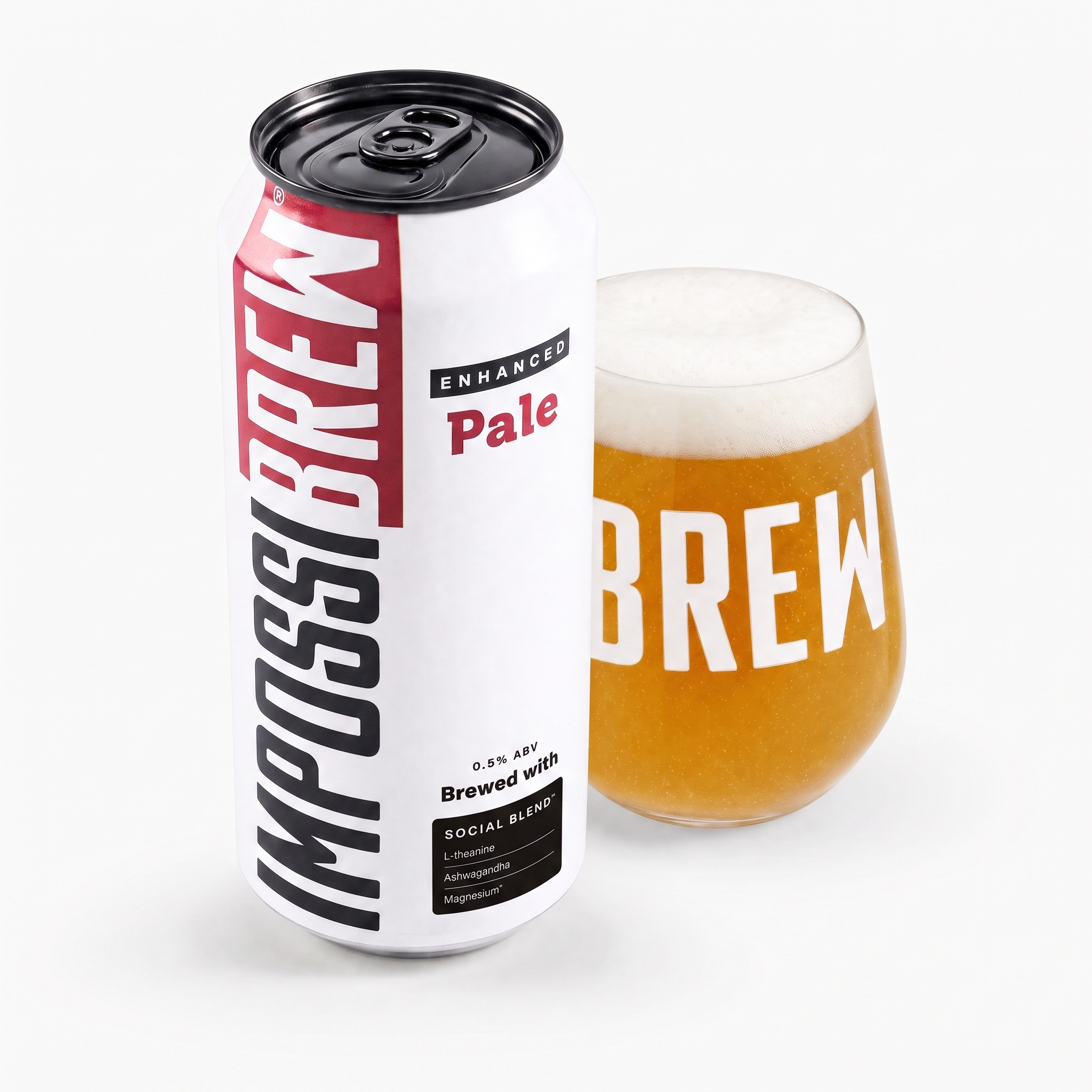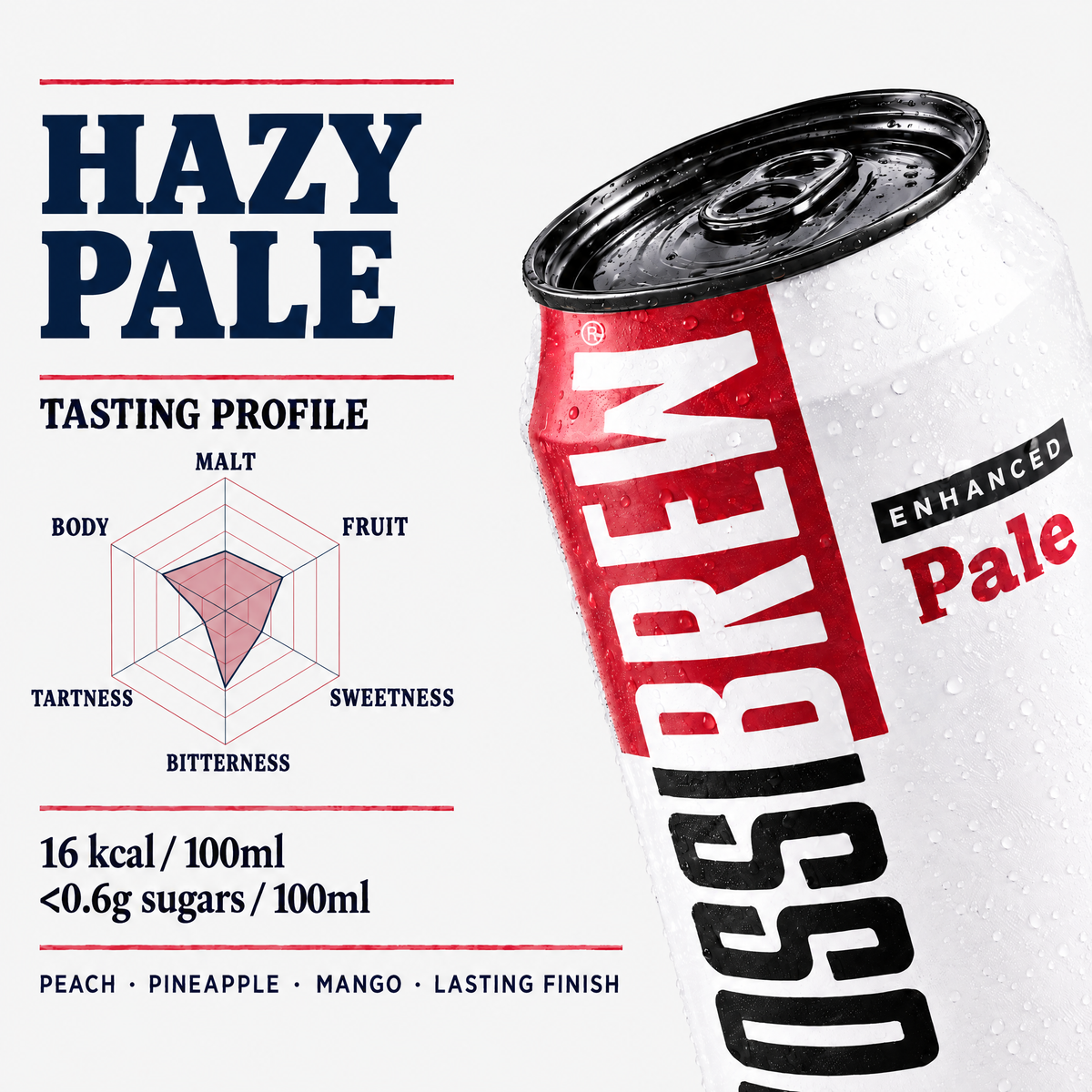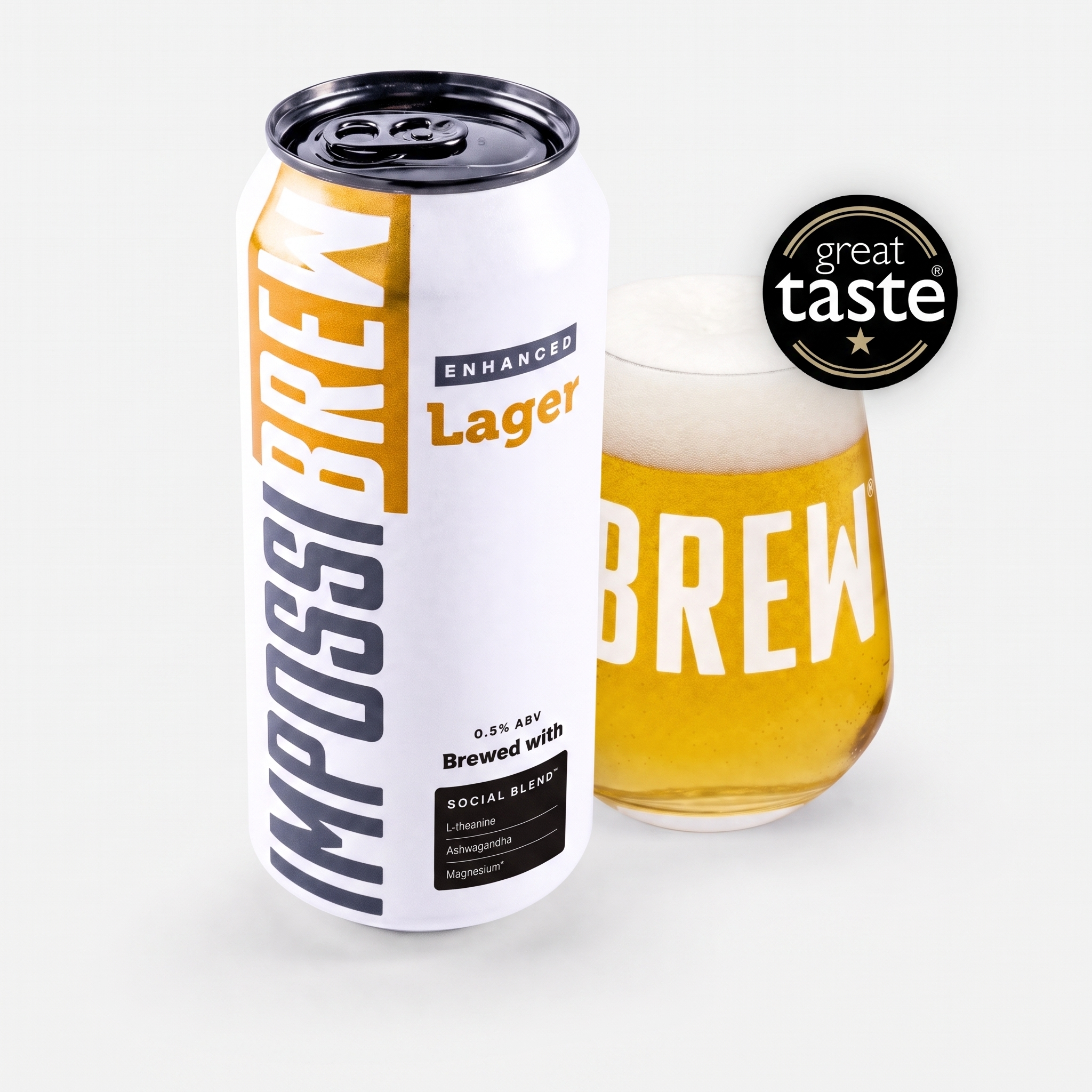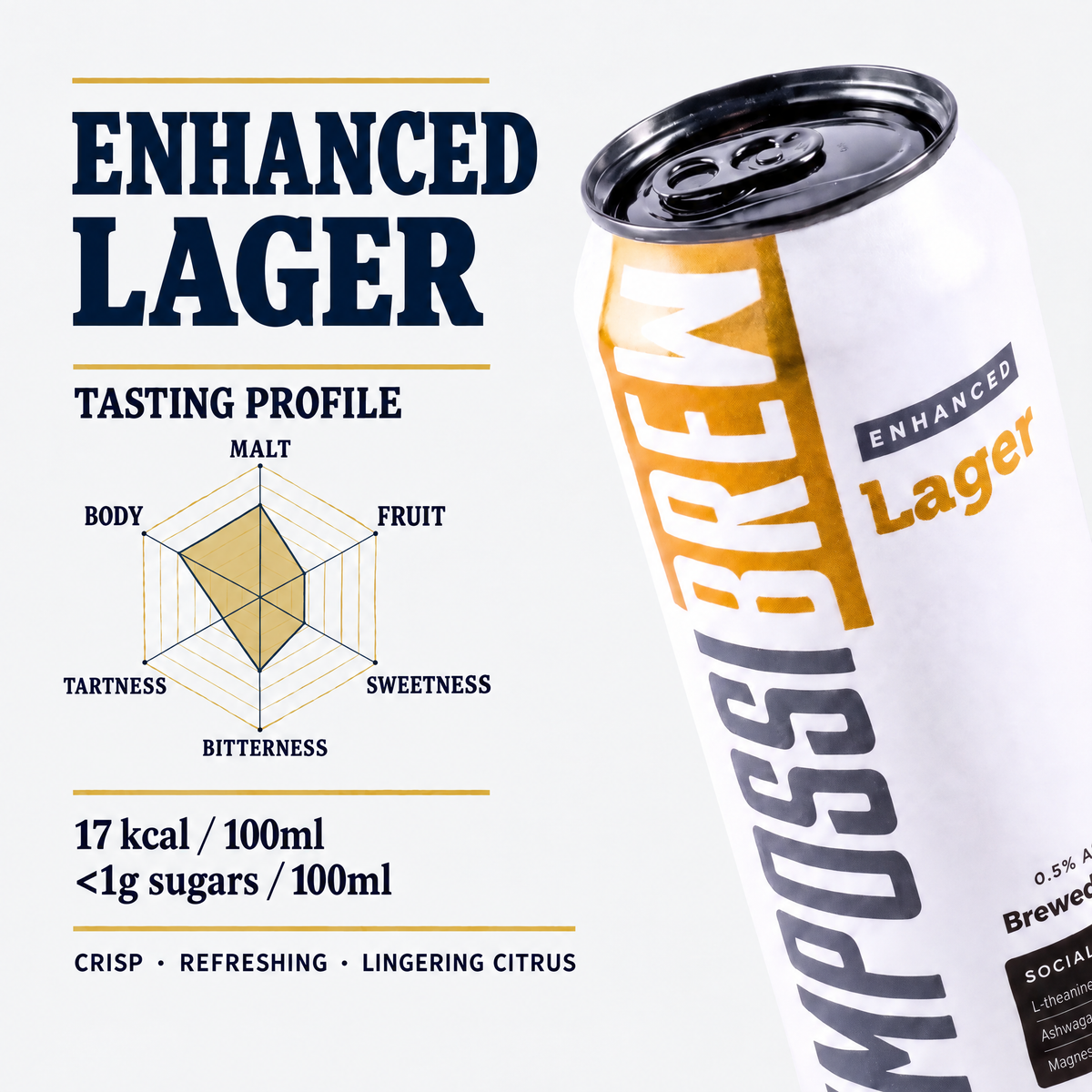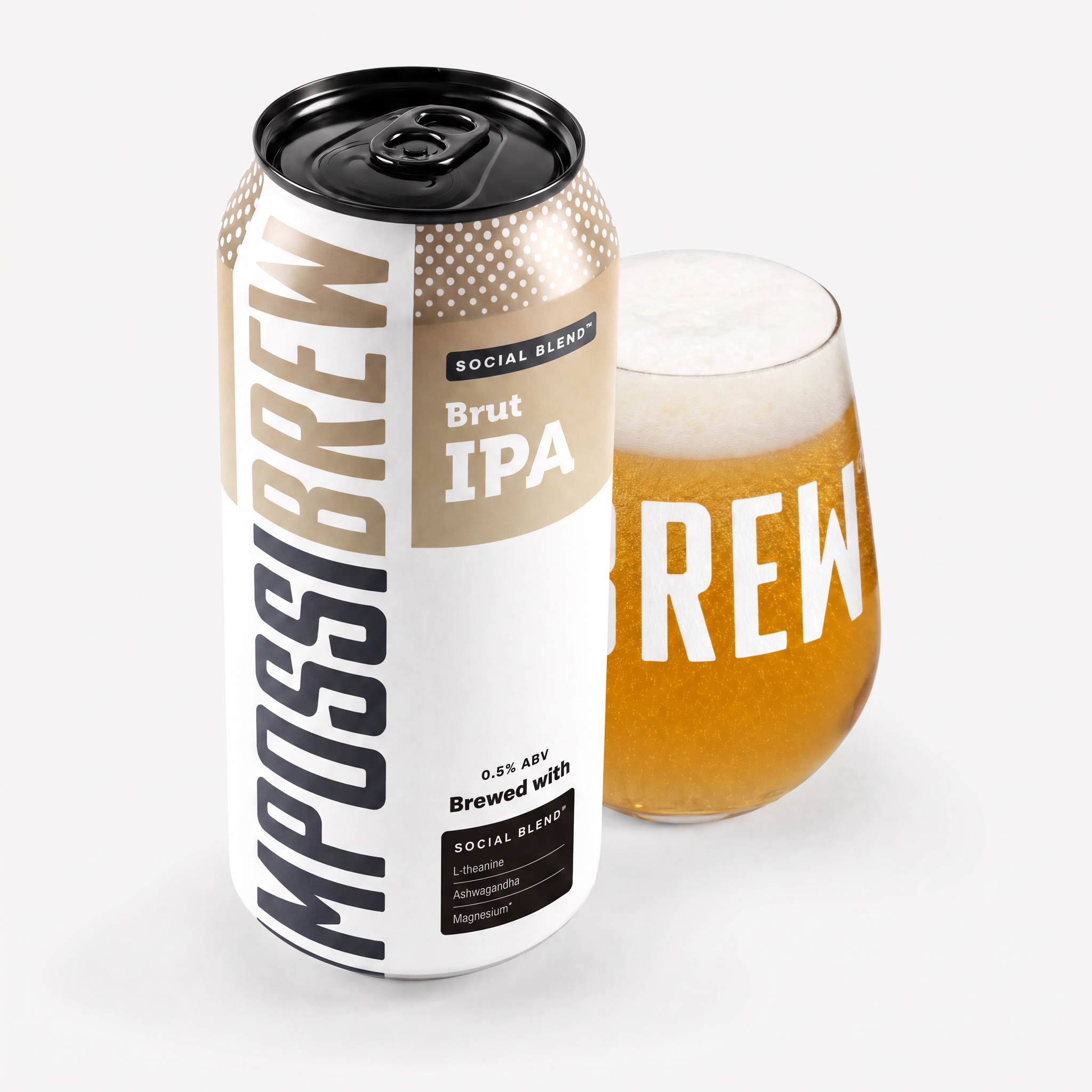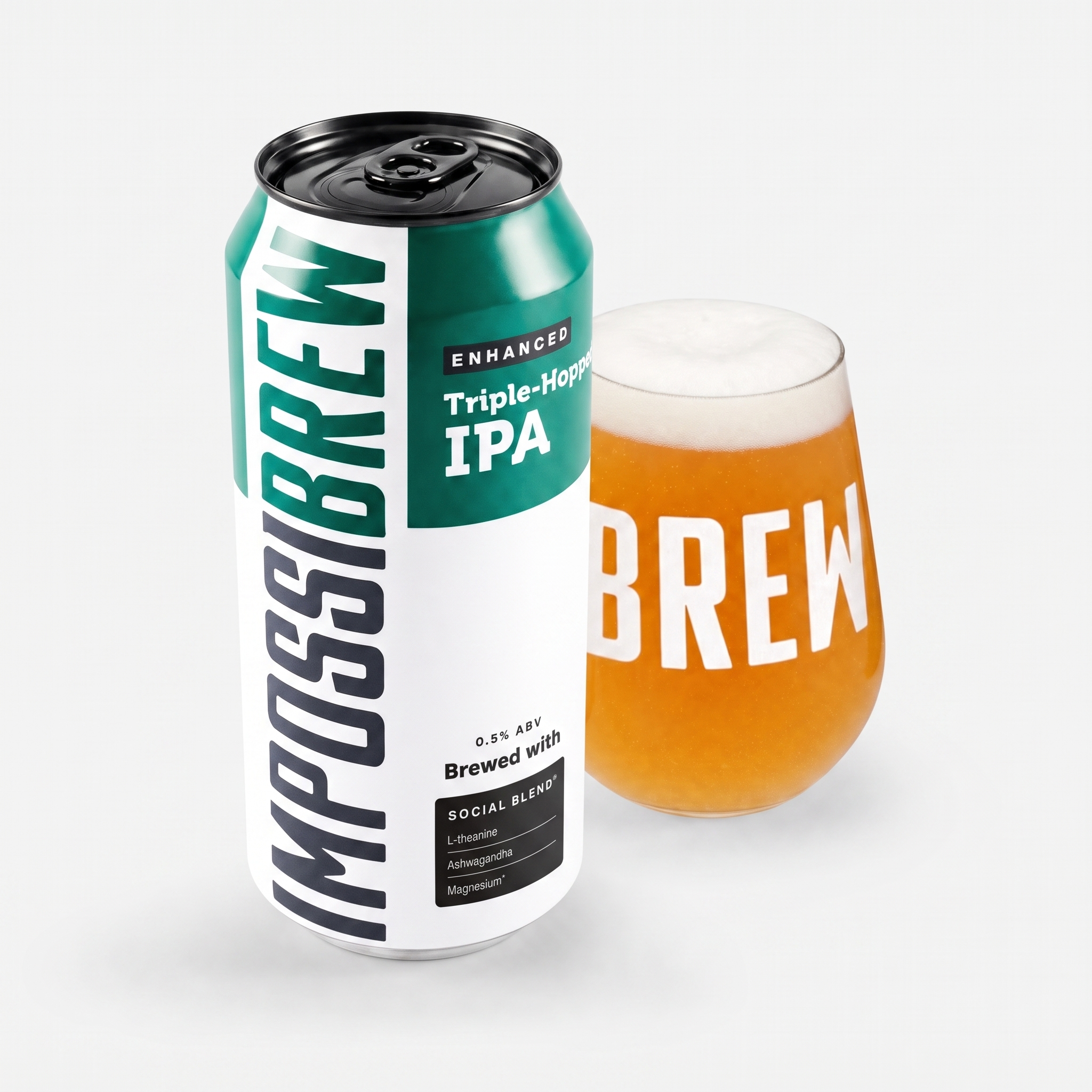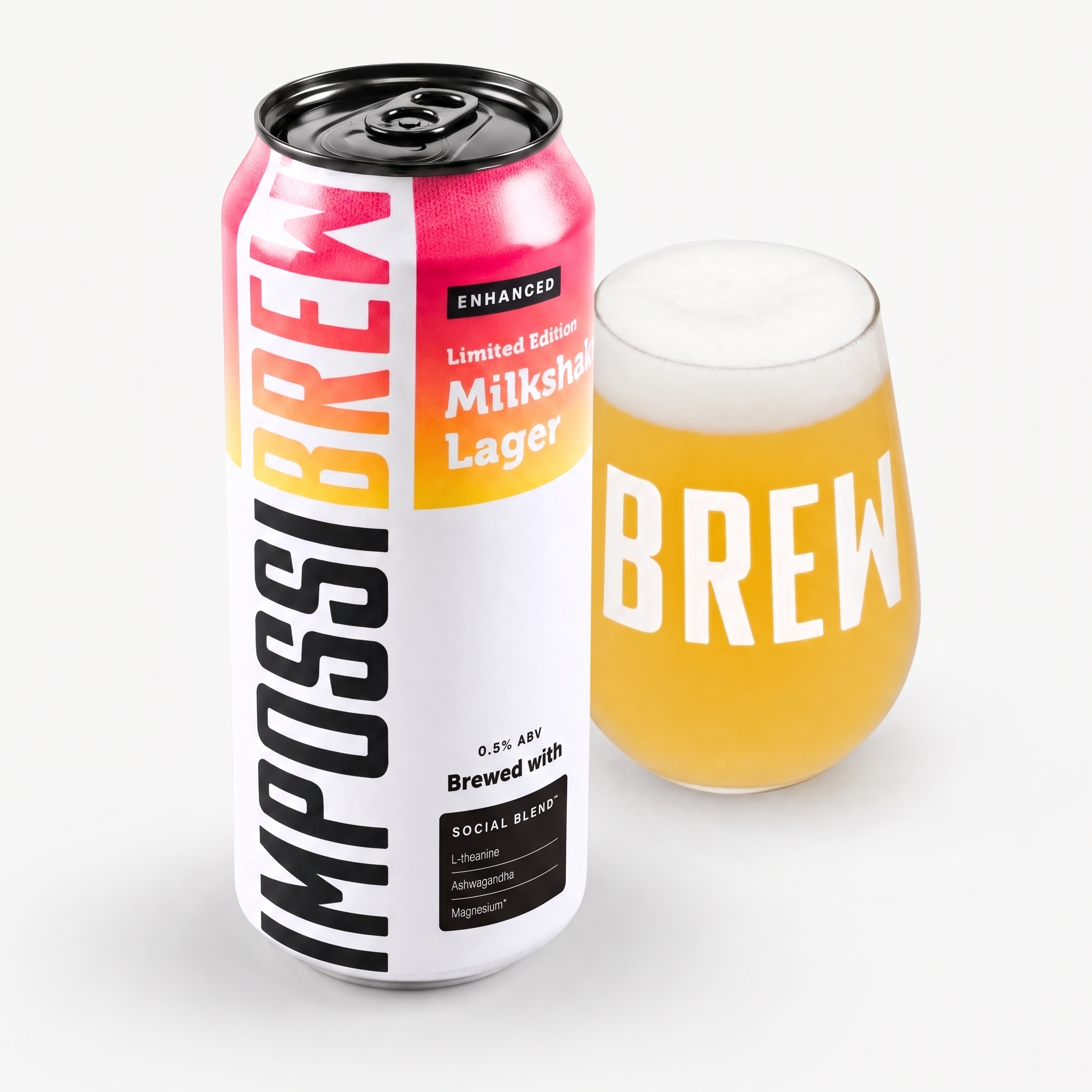
Non-alcoholic beers are growing in popularity, with brands like IMPOSSIBREW® selling over a million units. Yet, they still face stigma in the UK, where drinking culture heavily revolves around alcohol. Social norms, peer pressure, and outdated perceptions often make people feel judged for choosing alcohol-free options. Despite this, attitudes are slowly changing as younger generations embrace healthier lifestyles and brewing advancements improve taste and quality.
Key Points:
- Sales Growth: Non-alcoholic beer sales are rising, with 88% of IMPOSSIBREW® customers reducing alcohol consumption after switching.
- Social Pressure: Many feel the need to justify choosing alcohol-free drinks in traditional drinking environments.
- Cultural Barriers: UK pub culture prioritises alcohol, making change slower compared to other countries.
- Improved Quality: Innovations like cryogenic fermentation ensure non-alcoholic beers now deliver on flavour.
- Shifting Perceptions: Younger generations and health-conscious consumers are driving change.
Non-alcoholic beers are breaking stereotypes, but societal attitudes must catch up to fully embrace these alternatives.
The Rise of Non-Alcoholic Beer
Social Norms Affecting Non-Alcoholic Beer
Beer consumption in Britain is steeped in history, and this legacy significantly shapes perceptions of alcohol-free options. These cultural habits can create challenges for those opting for non-alcoholic choices in social settings.
UK Drinking Culture
In Britain, pub culture has long revolved around alcoholic drinks. Sharing "a pint" isn’t just about the drink itself - it’s a social ritual symbolising connection, unwinding, and shared experiences. This deep-rooted tradition makes it harder for alcohol-free options to gain traction, especially in traditional pubs.
There’s also a subtle stigma attached. Those ordering alcohol-free drinks often face questions or feel the need to justify their choice. This reflects broader assumptions about alcohol’s role in British social life.
Interestingly, younger generations are showing greater openness to alcohol-free options. Meanwhile, international perspectives on non-alcoholic beer tell a different story.
International Views on Non-Alcoholic Beer
The UK’s perception of non-alcoholic beer as a "compromise" contrasts sharply with other countries, where such beverages are often viewed more neutrally or even positively.
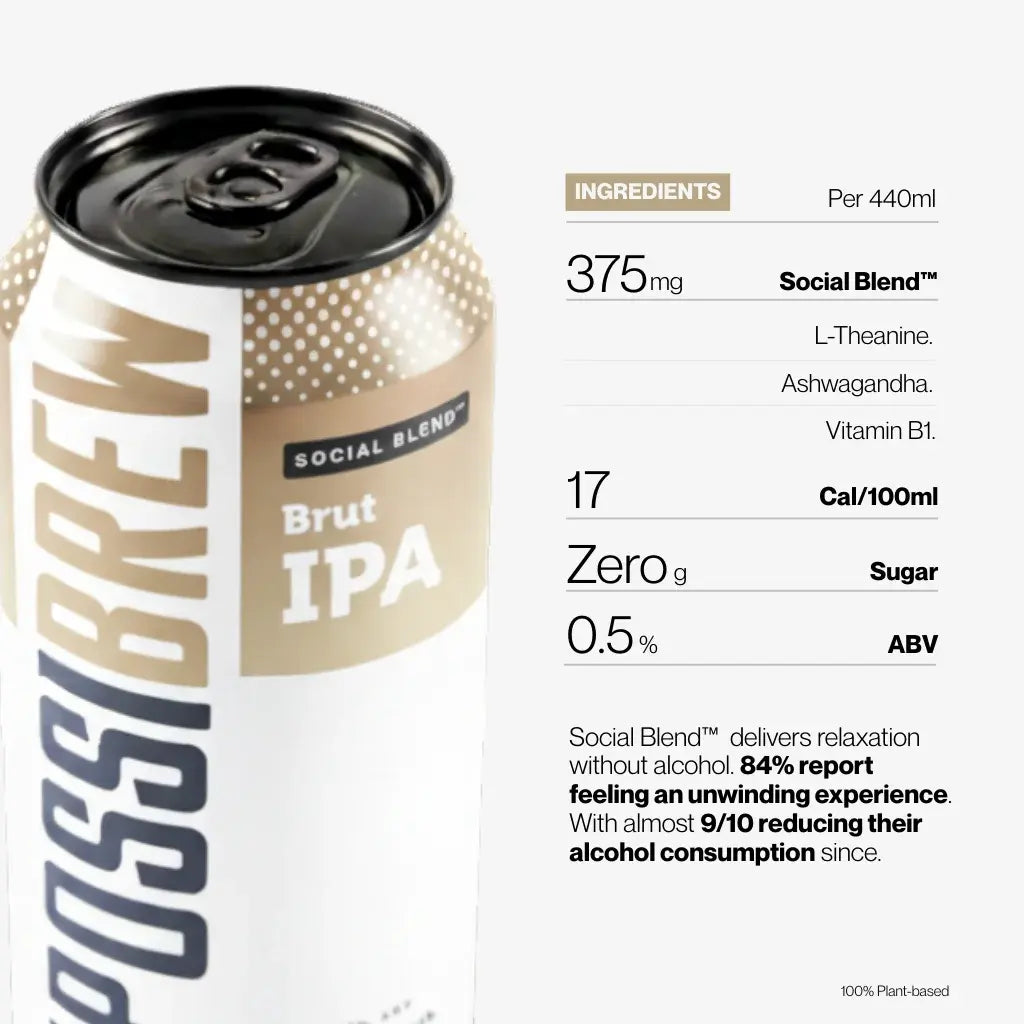
Brands like IMPOSSIBREW® are working to shift these perceptions. Their approach to crafting enhanced alcohol-free beers has been well-received, with over 70% of customers reporting feelings of relaxation after trying their Social Blend™ products [1].
Moreover, 95% of IMPOSSIBREW® customers have recommended the product to friends after trying it [1]. This kind of word-of-mouth advocacy is essential for breaking down long-standing stigmas and making non-alcoholic options more socially accepted.
Mental Blocks and Social Pressure
Cultural norms and social expectations play a significant role in shaping beverage choices. In Britain, psychological barriers tied to non-alcoholic beer often emerge from these long-standing traditions, creating challenges for those opting for alcohol-free drinks.
Peer Pressure Effects
Peer pressure heavily influences drinking habits in British social settings. Whether at casual get-togethers or workplace events, many feel obliged to order alcoholic drinks to align with group expectations. While this reflects entrenched societal views on drinking, there's a noticeable shift as alcohol-free options gain acceptance. With more people finding satisfying alternatives that maintain the social vibe, resisting peer pressure is becoming less daunting, opening the door to changing attitudes around drink choices and personal identity.
Gender and Identity Issues
In Britain, drink choices are often linked to personal identity and traditional gender roles. Historically, certain drinking behaviours have been associated with masculinity or femininity, adding another layer of pressure for those considering non-alcoholic options.
However, perceptions are evolving. Health-conscious individuals, in particular, are seeking drinks that align with their lifestyle while still allowing them to connect socially. For instance, 71% of customers report feeling more relaxed after enjoying beverages made with Social Blend™ [1]. This highlights how the sensory and social elements of drinking can remain intact without alcohol.
As more people experience the advantages of these alcohol-free options, the stigma around choosing them is fading. A striking 95% of consumers have shared their positive experiences with friends, showcasing growing confidence in opting for alcohol-free beverages [1].
sbb-itb-a752bf8
Product Quality and New Solutions
Recent brewing advancements are addressing long-standing concerns about the taste of alcohol-free beers, helping to change public perceptions. With new techniques and technologies, the stigma surrounding these beverages is beginning to fade, opening the door for further improvements in quality.
Taste and Experience Improvements
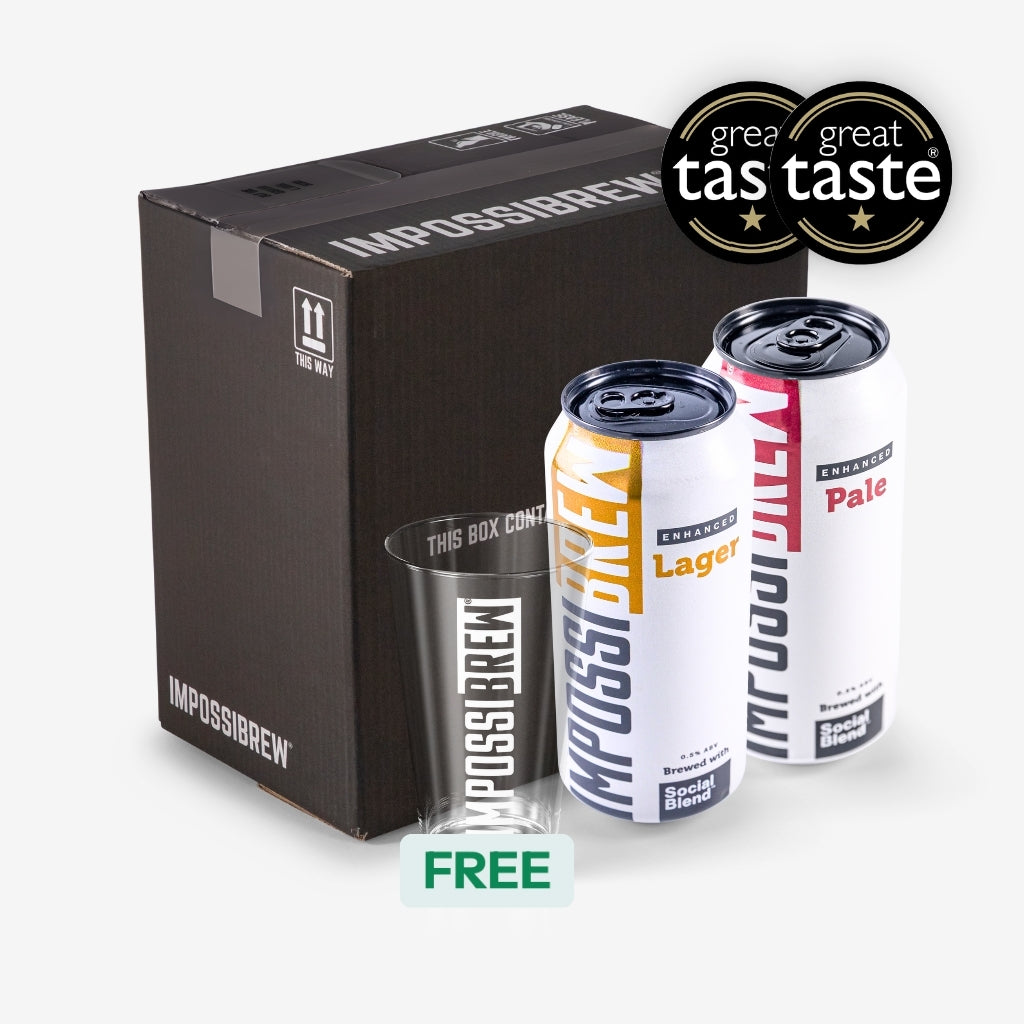
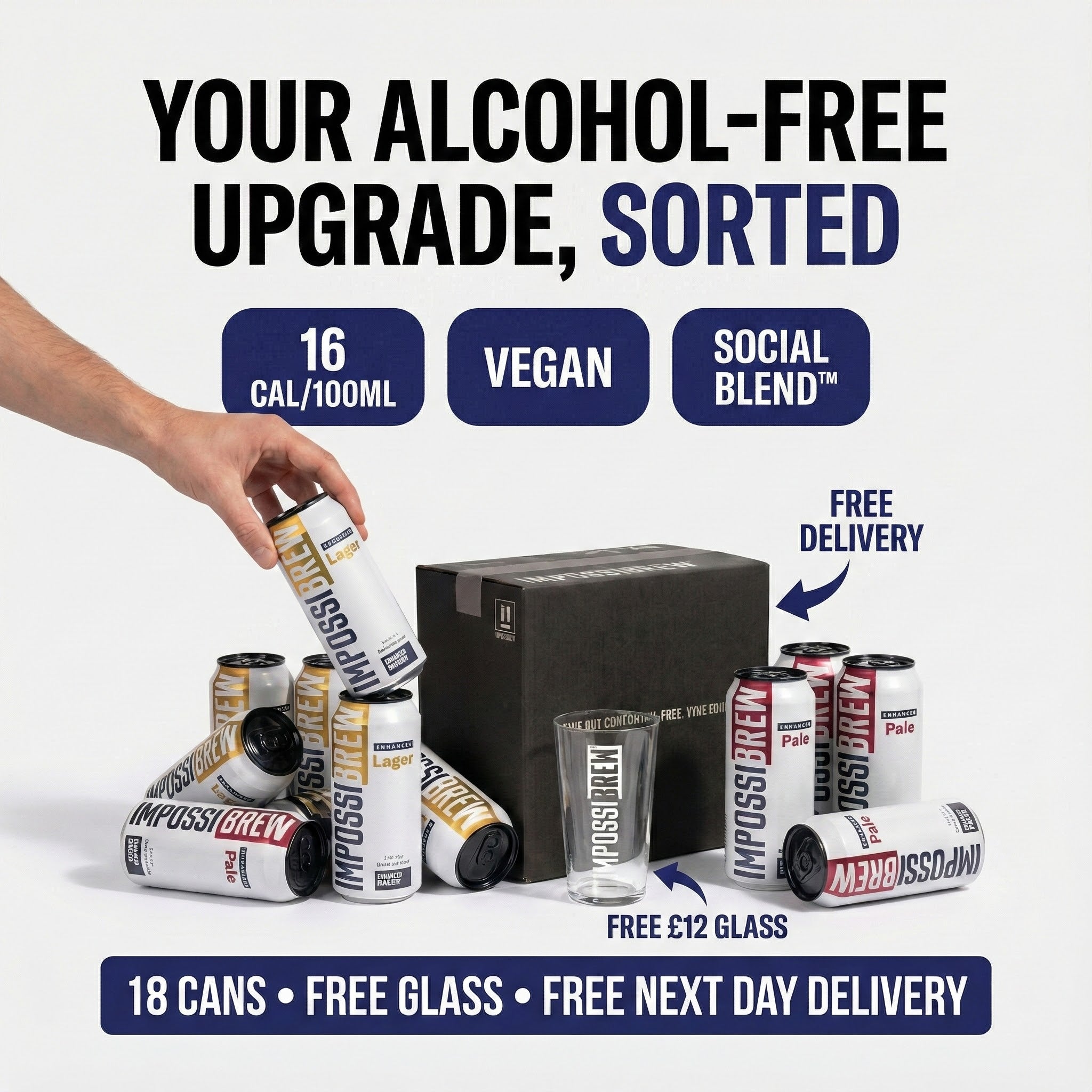
Modern brewing methods, like cryogenic fermentation, now allow brewers to maintain the flavour that beer enthusiasts expect while preventing alcohol formation. This progress was highlighted when IMPOSSIBREW®'s Enhanced Lager and Pale Ale were named the UK's best non-alcoholic beers at the 2023 World Beer Awards [1]. These advancements in flavour and production techniques have also led to innovations such as IMPOSSIBREW®'s Social Blend™, designed to elevate the social aspect of drinking.
IMPOSSIBREW® Social Blend™ Effects
One significant step forward in tackling the social stigma of alcohol-free drinks is IMPOSSIBREW®'s Social Blend™ technology. Created in partnership with Dr Paul Chazot, a Bioscience Professor and Chair of Pharmacology at Durham University, this blend focuses on the social and sensory experiences traditionally associated with alcoholic drinks.
"Our Social Blend™ technology isn't an accident. It's the result of questioning everything we thought we knew about social drinking. About working with scientists to understand what we're really seeking in these moments of connection. About daring to imagine something that wasn't possible before."
- IMPOSSIBREW® [1]
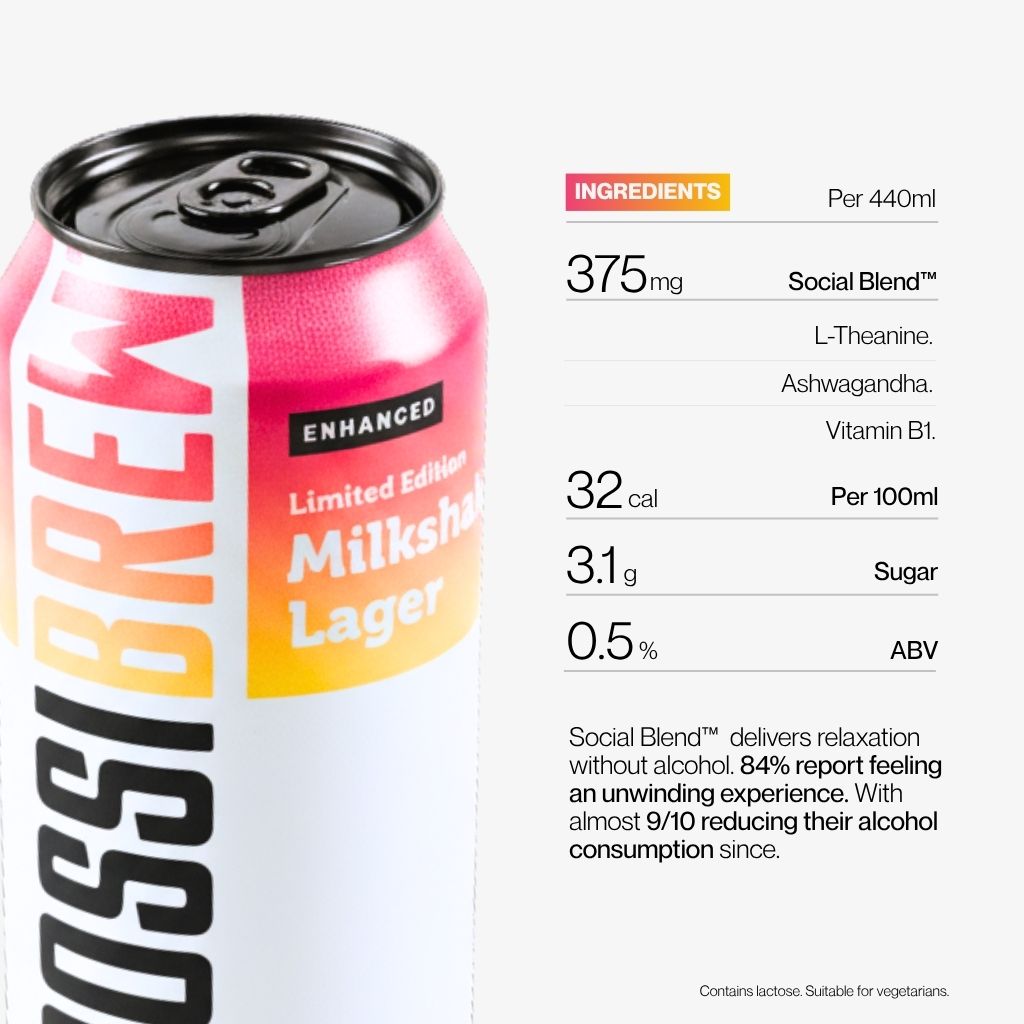
Research indicates that 88% of customers have reduced their alcohol intake after switching to products featuring Social Blend™, showcasing its ability to replicate the sense of social ease [1]. This is achieved through a mix of scientifically-supported ingredients, including L-Theanine, Ashwagandha, and carefully selected plant extracts, which contribute to these noticeable improvements in quality.
Steps to Remove the Stigma
Shifting perceptions around non-alcoholic beer involves a mix of market availability and public awareness. Recent brewing advancements are helping these drinks gain wider acceptance.
Making Non-Alcoholic Options Mainstream
In the UK, more venues are now offering alcohol-free options alongside standard alcoholic drinks. Techniques like IMPOSSIBREW®'s cryogenic fermentation provide full-flavoured beers that have even earned recognition, such as awards at the World Beer Awards in 2023 [1]. While these market changes are crucial, changing public attitudes is just as important.
Public Education and Awareness
Educational campaigns are helping to dispel myths about non-alcoholic beers by focusing on their taste and benefits. As IMPOSSIBREW® puts it:
"We exist because we believe in a world where social connection doesn't demand compromise." – IMPOSSIBREW® [1]
This message resonates strongly, with 95% of IMPOSSIBREW® customers recommending their products to friends [1]. Education efforts often highlight key points, such as:
- Health Benefits: At only 6 calories per 100ml, these beers are a lighter alternative [1].
- Quality and Taste: With a 4.8/5 rating from over 1,000 reviews, they deliver on flavour [1].
The growing acceptance of non-alcoholic beer is evident in the sale of over one million units. As more people experience the quality and benefits for themselves, the stigma surrounding these drinks continues to fade [1].
Conclusion: Changing Views on Non-Alcoholic Beer
Advances in flavour, brewing methods, and shifting social attitudes are transforming how non-alcoholic beer is perceived. The stigma once attached to these beverages is fading, thanks to improved quality and growing consumer satisfaction. A standout example is IMPOSSIBREW®, crowned the UK's best non-alcoholic beer at the 2023 World Beer Awards - a clear sign of the progress in this space [1].
With an impressive 4.8/5 rating from over 1,000 reviews, it's clear that non-alcoholic options can deliver on taste and experience. As IMPOSSIBREW® puts it:
"This isn't about removing alcohol. This is about something better."
The numbers back it up: 75% of consumers recognise IMPOSSIBREW® as the leading alcohol alternative, over one million units have been sold, and 95% of customers would recommend it [1]. Their approach, driven by their Social Blend™ technology, reflects a rethinking of social drinking:
"Our Social Blend™ technology isn't an accident. It's the result of questioning everything we thought we knew about social drinking."
These changes highlight a growing acceptance of non-alcoholic options in the UK, where quality and enjoyment can thrive without alcohol. It signals a shift in British drinking habits, showing that social connection doesn't have to come with a drink in hand [1].
FAQs
Why do non-alcoholic beers often face social stigma in the UK?
Non-alcoholic beers often face social stigma in the UK due to cultural and psychological factors. In British culture, drinking alcohol is deeply ingrained in social rituals, from pub gatherings to celebrations, making non-alcoholic options seem unconventional or less socially acceptable. Some people may also associate non-alcoholic beers with a lack of authenticity or question their purpose, leading to misconceptions.
However, attitudes are gradually shifting as more people seek healthier lifestyles or alternatives to alcohol without compromising on taste or social experiences. Brands like IMPOSSIBREW® are helping challenge this stigma by offering enhanced non-alcoholic beers that provide the same relaxing and enjoyable experience as traditional drinks, without the negative side effects.
How are modern brewing techniques enhancing the taste and popularity of non-alcoholic beers?
Recent advances in brewing, such as cryogenic fermentation and improved flavour extraction methods, have significantly enhanced the taste and overall quality of non-alcoholic beers. These innovations allow brewers to create beverages that closely mimic the depth and complexity of traditional alcoholic drinks, making them more appealing to a wider audience.
Cultural shifts and changing attitudes towards alcohol consumption are also contributing to the growing acceptance of non-alcoholic beers. Brands like IMPOSSIBREW® are leading the way by offering products that not only taste great but also provide a relaxing and social experience without the drawbacks of alcohol. Their focus on science-backed ingredients and premium craftsmanship highlights the potential for non-alcoholic beers to become a mainstream choice in the UK and beyond.
How are younger generations and health-conscious individuals shaping the demand for non-alcoholic beers?
Younger generations and health-conscious individuals are significantly influencing the rise in popularity of non-alcoholic beers. With a growing focus on wellness and mindful drinking, many are seeking alternatives that align with their lifestyle without compromising on flavour or the social experience.
IMPOSSIBREW® caters to this demand with its enhanced non-alcoholic beers, crafted to mimic the taste and relaxing effects of traditional alcoholic drinks - without the unwanted side effects. Using their proprietary Social Blend™, these beers offer a scientifically designed sensory and social experience, making them a popular choice for those looking to enjoy a drink while prioritising their health and well-being.