The way we drink is changing. Media, social platforms, and innovative brands are driving a shift towards alcohol-free lifestyles in the UK. Here's what you need to know:
- Health and social connection: Alcohol-free options let people enjoy socialising without compromising wellness.
- Media's role: TV, films, and adverts now portray non-drinkers as mainstream, not outliers.
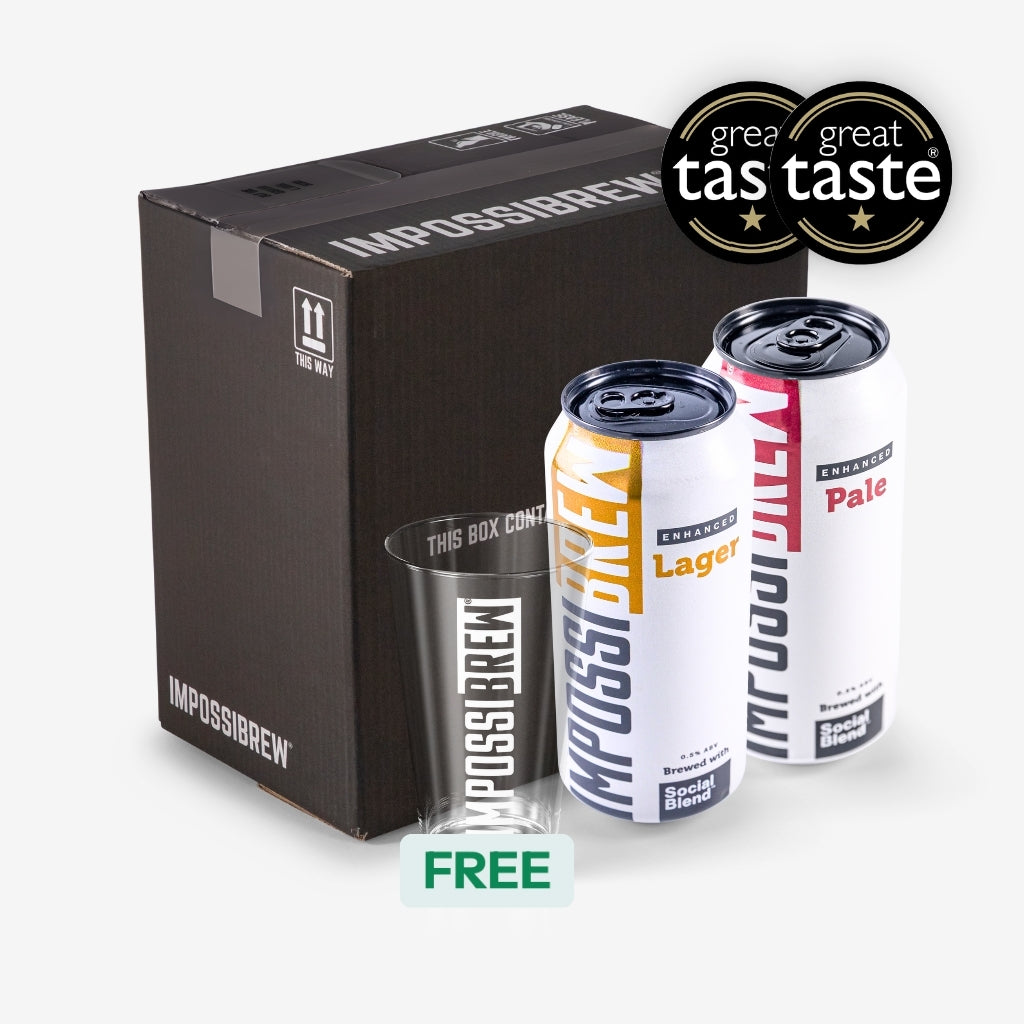
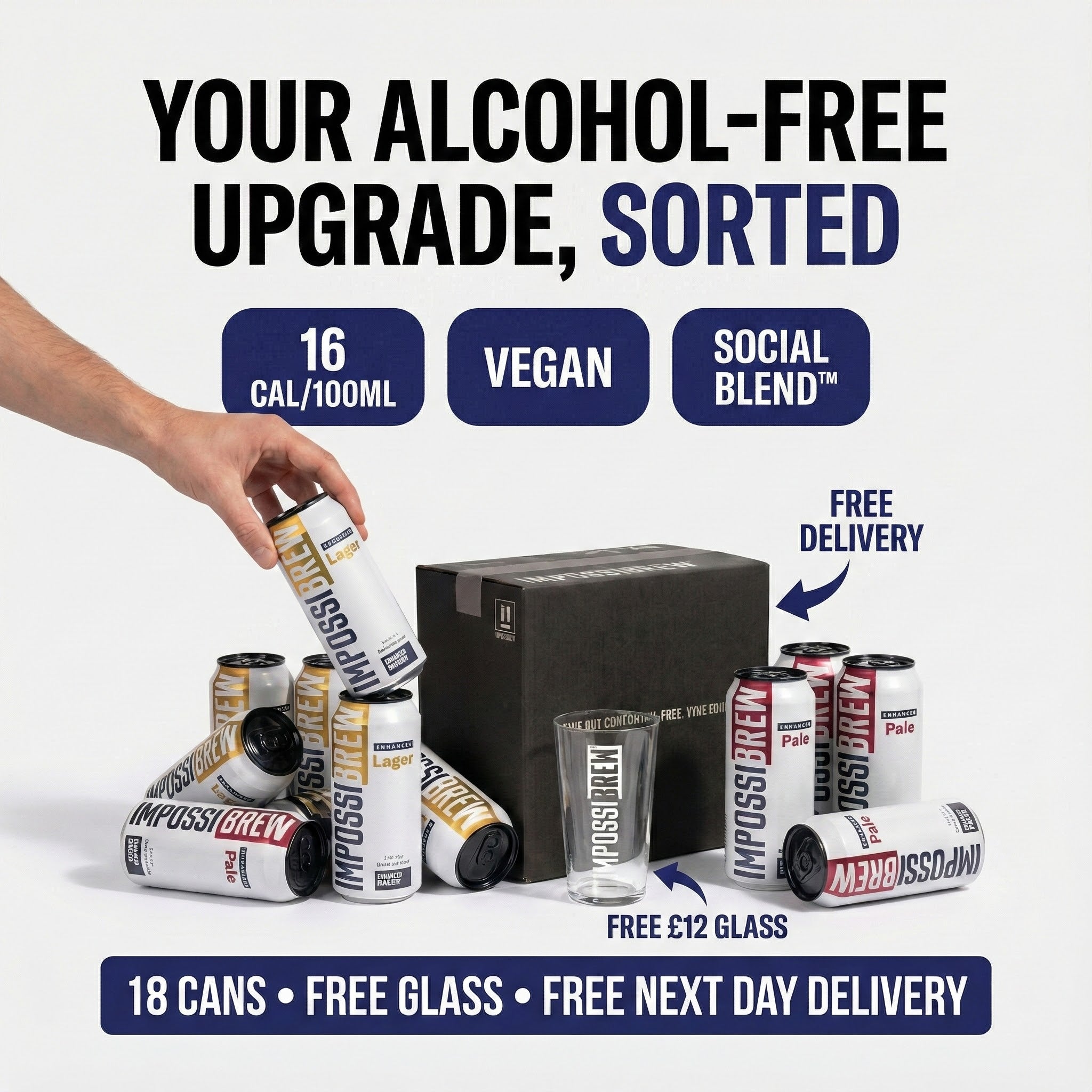
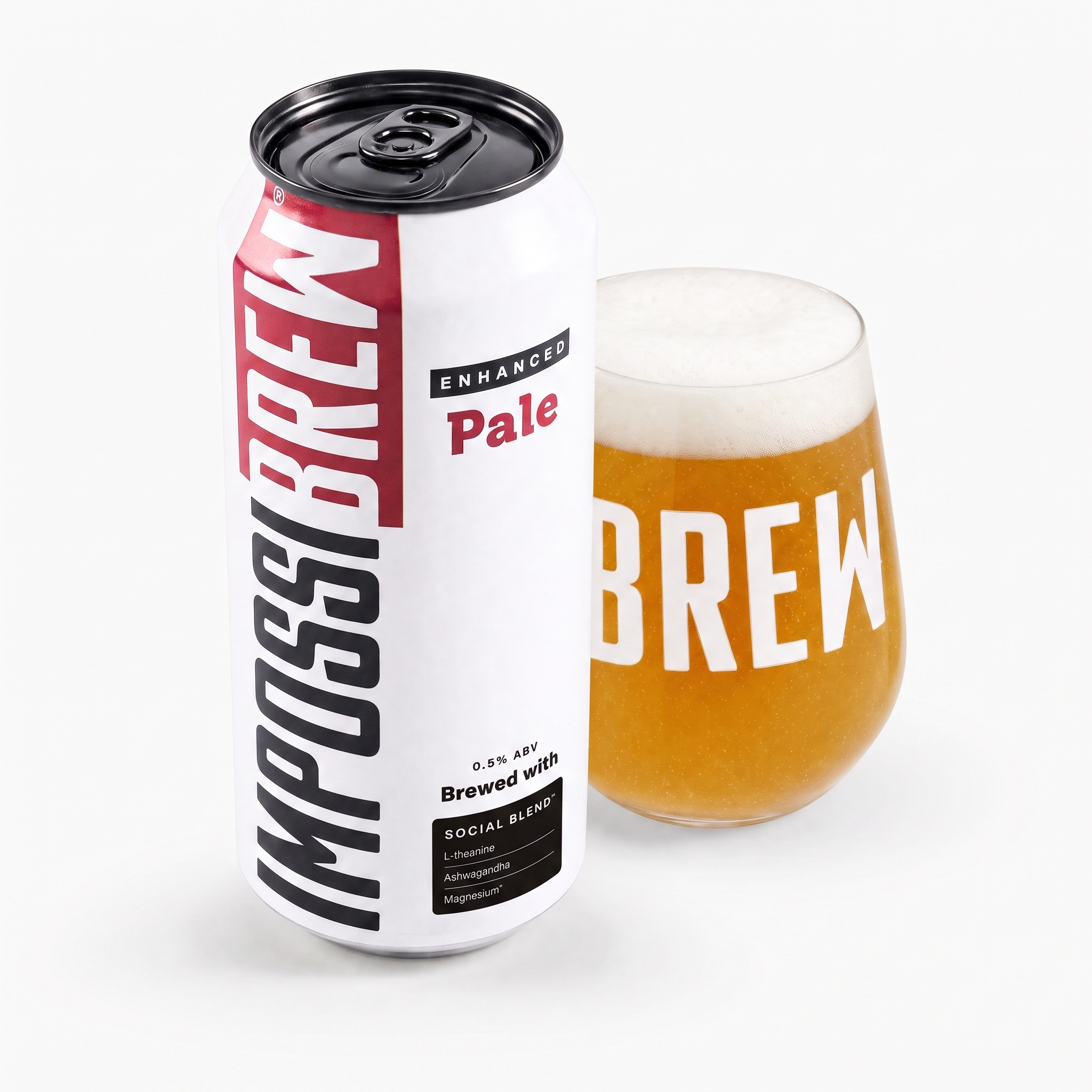
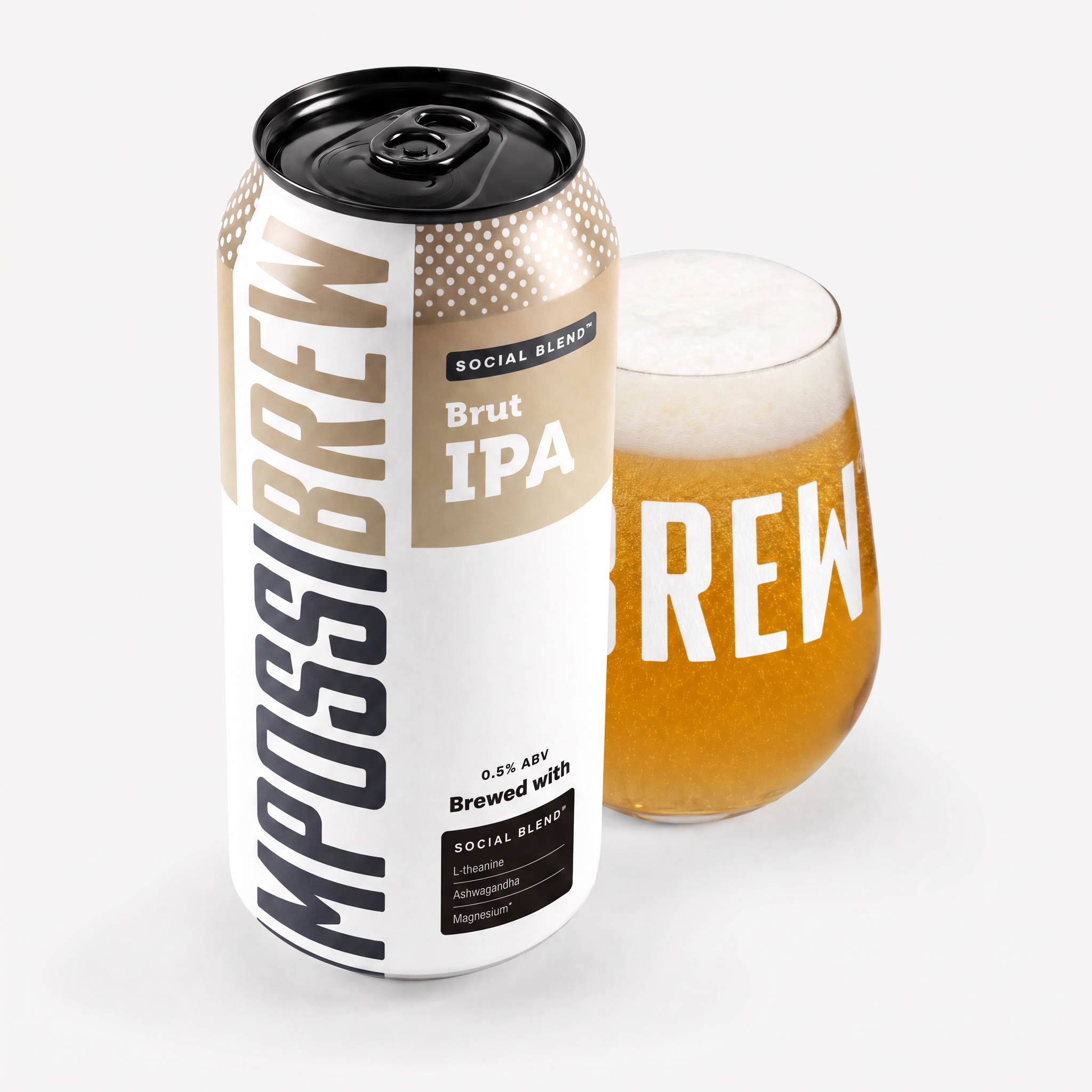
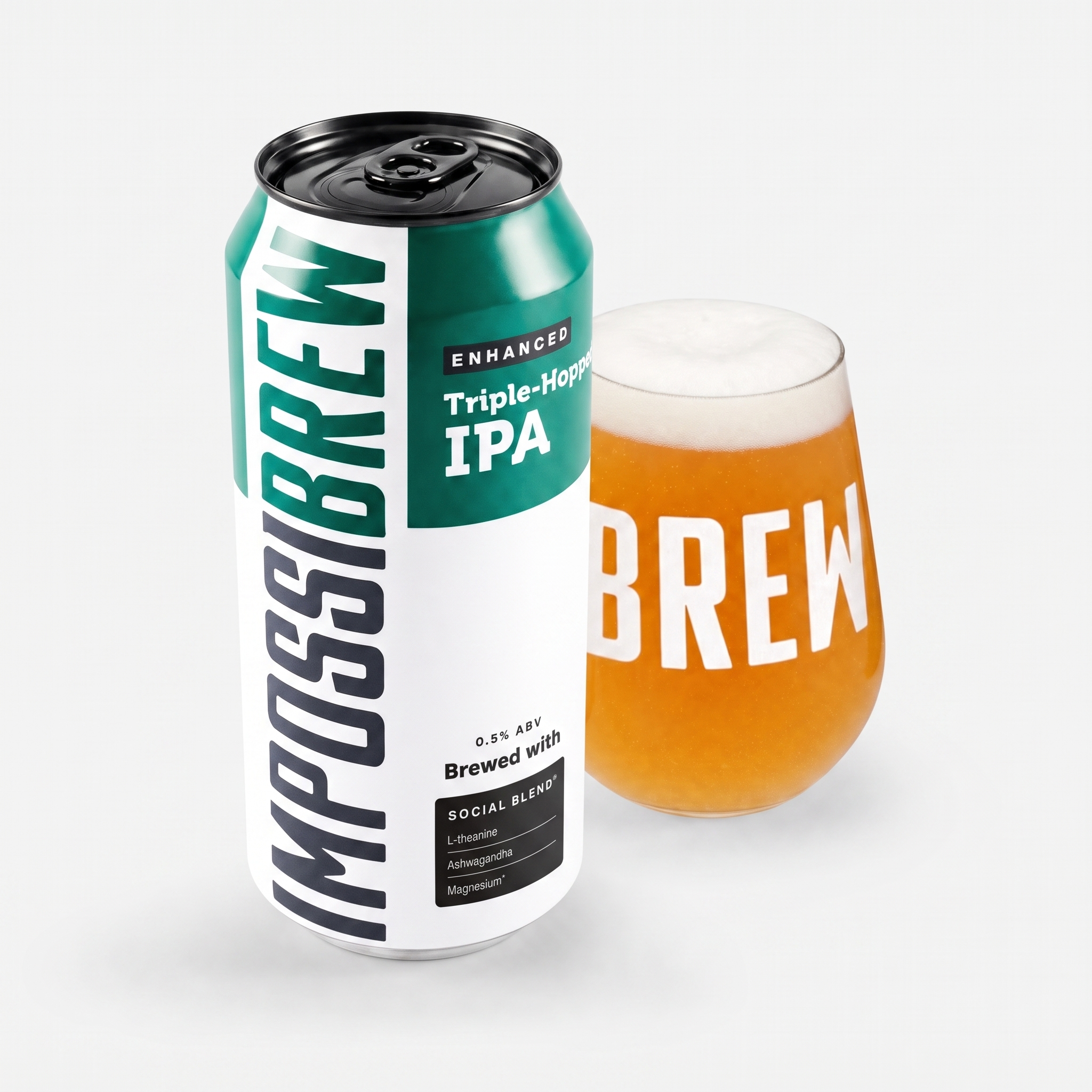
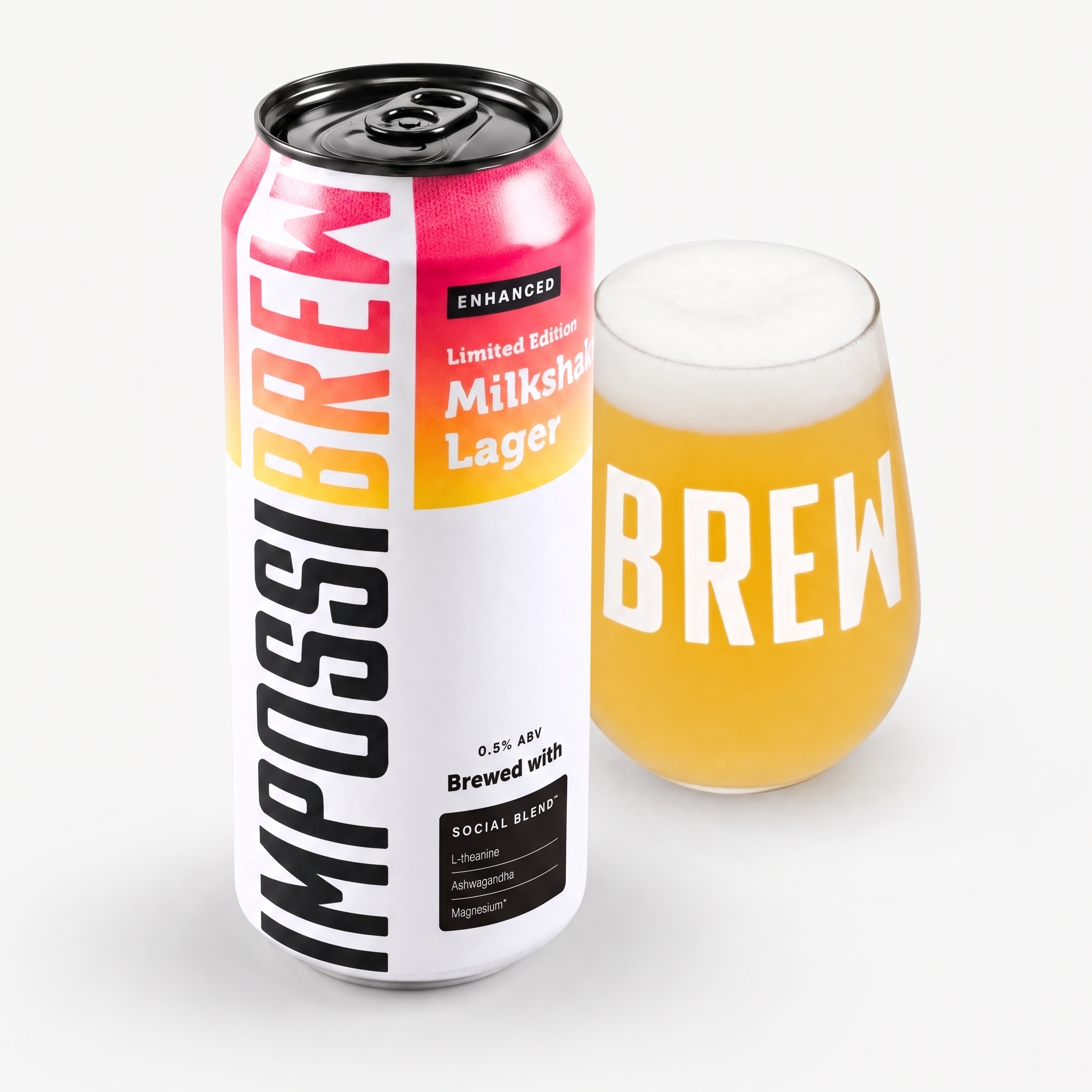
- Consumer habits: Demand for alcohol-free drinks is rising, with brands like IMPOSSIBREW® leading the charge.
- Social media impact: Influencers and online sober communities normalise alcohol-free living, making it more appealing.
This movement, supported by brands and media, is reshaping the UK's drinking culture.
Sober curious with Spencer Matthews, Scott Thomas & Millie ...
Media Coverage of Alcohol-Free Living
The way alcohol is represented in British media is changing. Once dominated by portrayals that glorified drinking, the focus is now shifting to include alcohol-free lifestyles. This change highlights a growing appreciation for choices that don't involve alcohol.
Alcohol Portrayals in Media
TV shows, films, and adverts are increasingly featuring non-drinkers without framing them as outliers. This reflects a growing interest in health and wellbeing, with alcohol-free options being presented as stylish and appealing rather than as compromises. These portrayals are not just altering perceptions but are also influencing real-world behaviour, as recent studies suggest.
Effects on Social Behaviour
Positive portrayals of alcohol-free products in the media are having a noticeable impact on consumer habits in the UK. Here’s what the data shows:
- 95% of IMPOSSIBREW® customers have recommended the product to a friend after trying it [1].
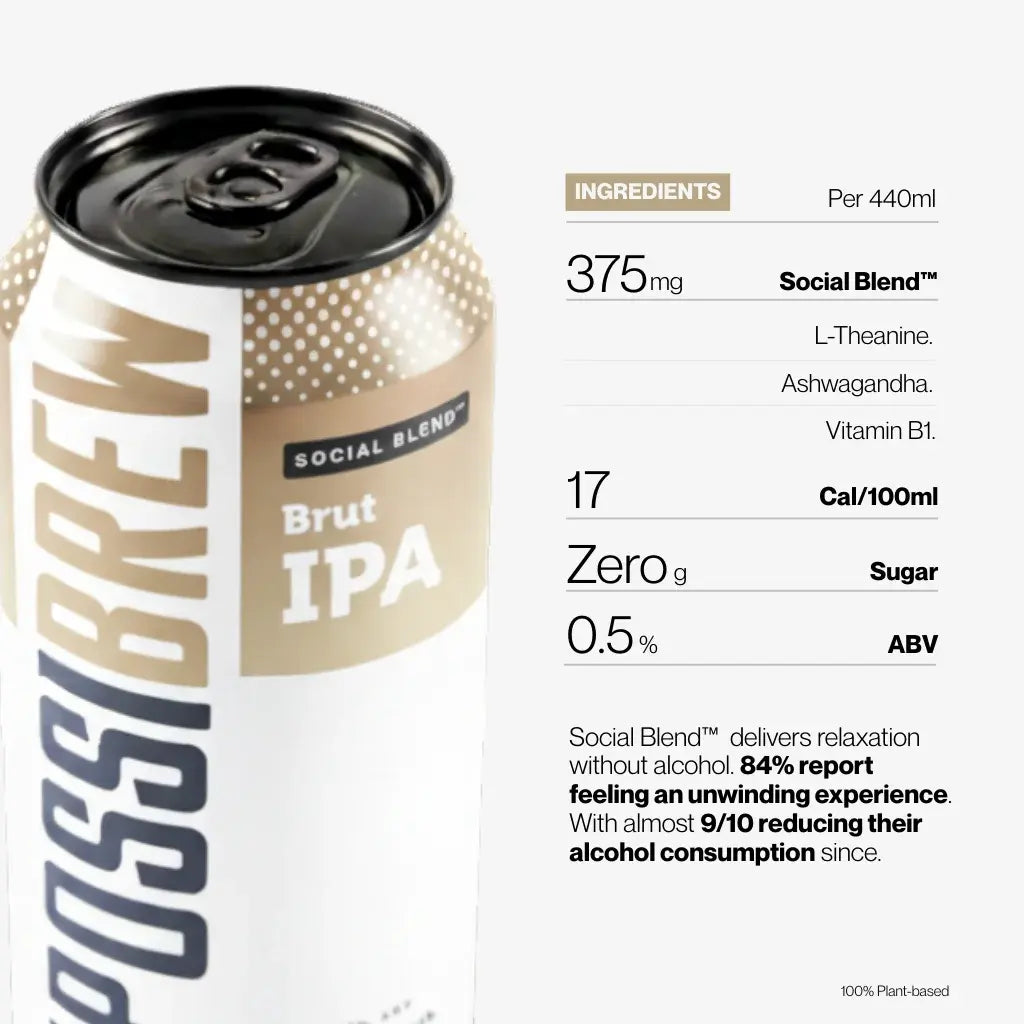
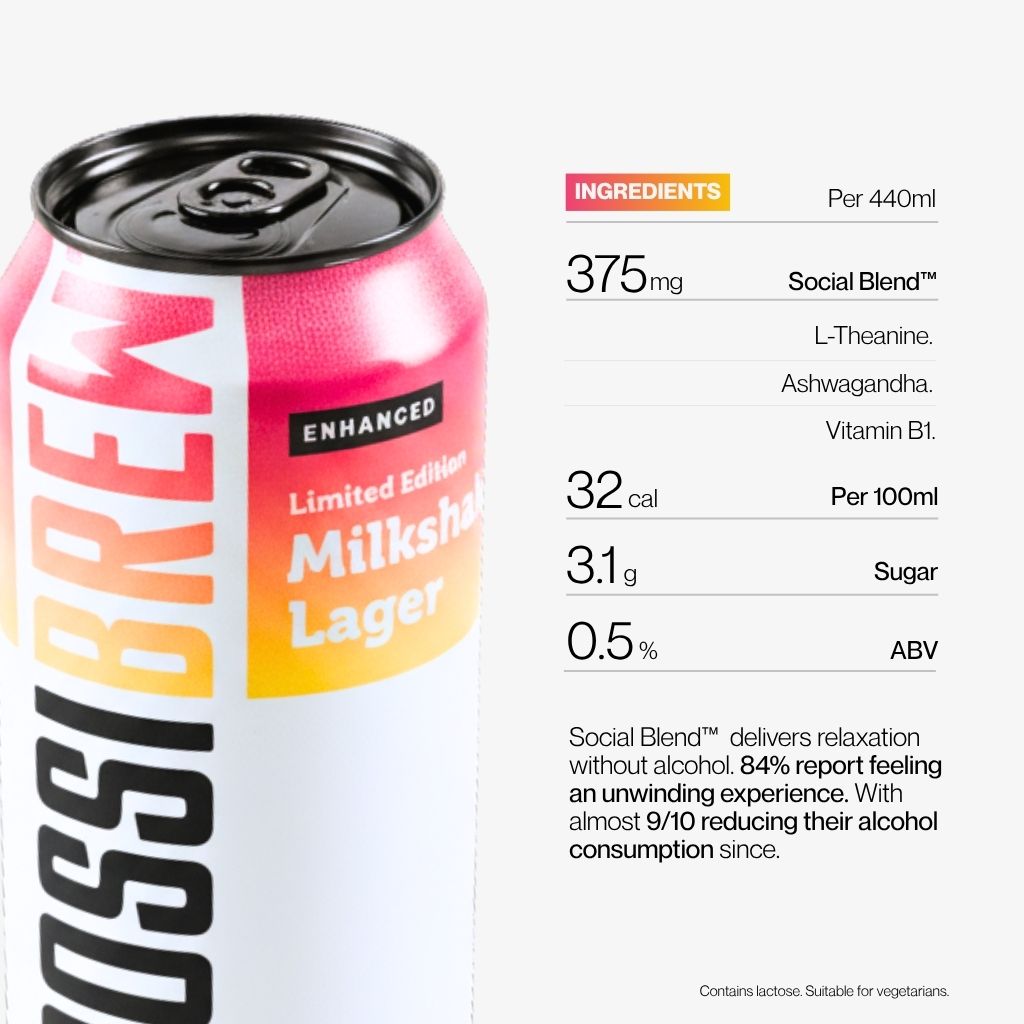
- 71% of IMPOSSIBREW® customers reported feeling more relaxed after drinking their "Social Blend™" beer [1].
British advertising has been instrumental in this shift, focusing on improved wellbeing and the importance of maintaining social connections. As these positive depictions become more common, the stigma around abstaining from alcohol is fading, creating a more welcoming and inclusive social atmosphere.
Social Media's Impact on Alcohol-Free Trends
Social media is transforming how people in the UK view alcohol-free living, offering platforms for users to share stories and connect with like-minded individuals. This shift is also changing how brands approach marketing, with measurable results.
Influencers and Alcohol-Free Marketing
Social media influencers are playing a key role in making alcohol-free lifestyles more mainstream. Platforms like TikTok are particularly effective in spreading this message. For example, IMPOSSIBREW® has become the most-followed No/Low Alcohol brand on TikTok globally [1]. Its appearance on BBC's Dragons' Den gave the brand even more visibility, showing how traditional media can boost online conversations about alcohol-free options.
Social Media Content Distribution
Changes in social media algorithms now help connect health-conscious users with relevant content, creating a cycle of increased engagement for alcohol-free messaging. The impact of this targeted content is clear from the data:
| Content Type | Impact on Audience Engagement |
|---|---|
| Educational Content | 88% of IMPOSSIBREW® customers reduced alcohol consumption after exposure [1] |
| Peer Recommendations | 95% of IMPOSSIBREW® customers shared with friends after trying [1] |
| Brand Messaging | Boosted awareness of alcohol-free lifestyle benefits |
This improved content targeting has also helped online sober communities gain momentum.
Online Sober Communities
Digital communities are becoming vital spaces for people exploring alcohol-free living. These groups allow members to exchange experiences, find support, and challenge old stereotypes about drinking culture. IMPOSSIBREW® has embraced this with a focus on fostering social connections without alcohol [1]. These online spaces are helping to reduce stigma around alcohol-free choices and promote a more inclusive social culture.
sbb-itb-a752bf8
New Products Changing Alcohol-Free Perceptions
Alcohol-free alternatives are reshaping how people in the UK perceive non-alcoholic options, driving a shift in drinking habits. Building on earlier discussions about media and digital trends, new products are redefining what alcohol-free beverages can offer.
Modern Alcohol-Free Drinks
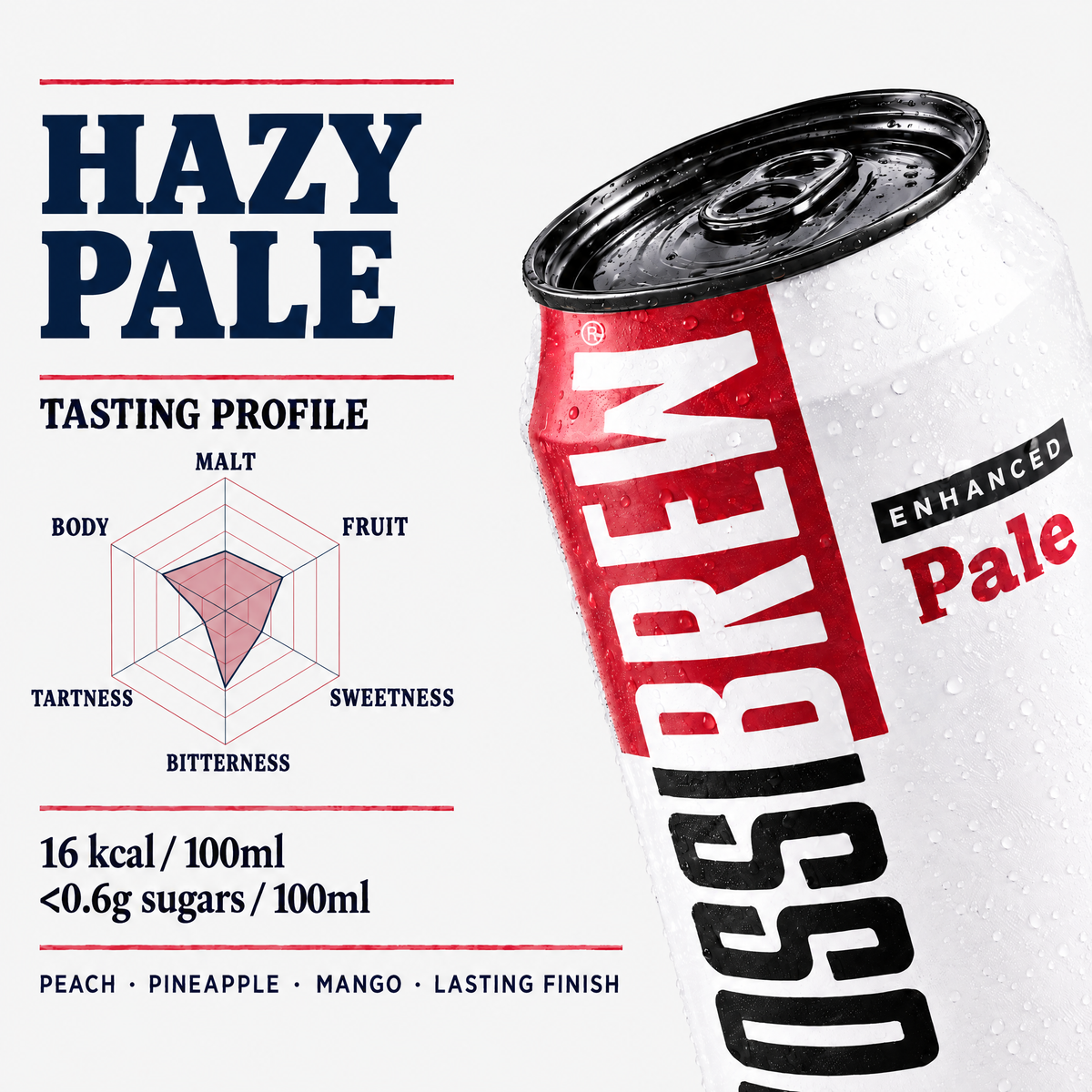
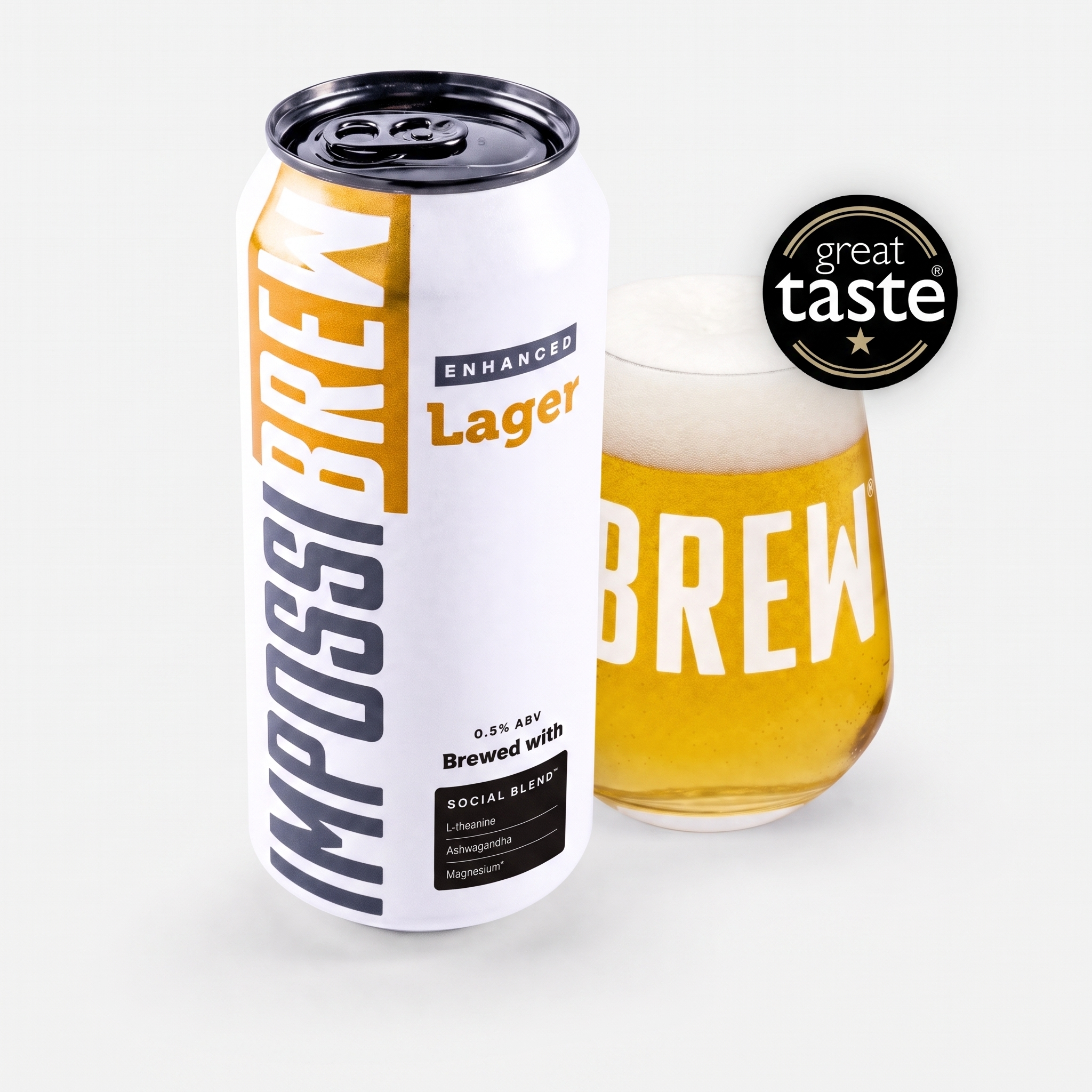
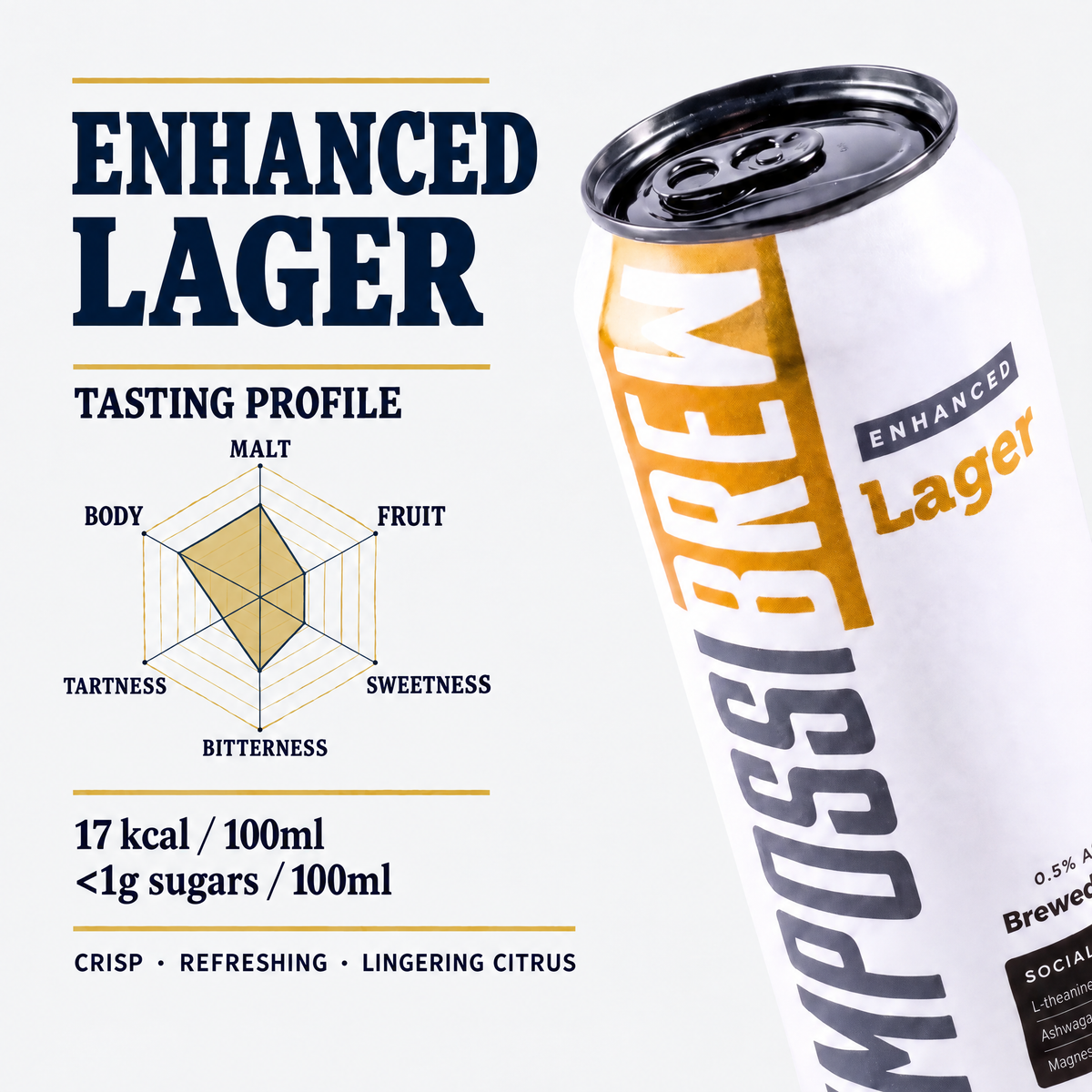
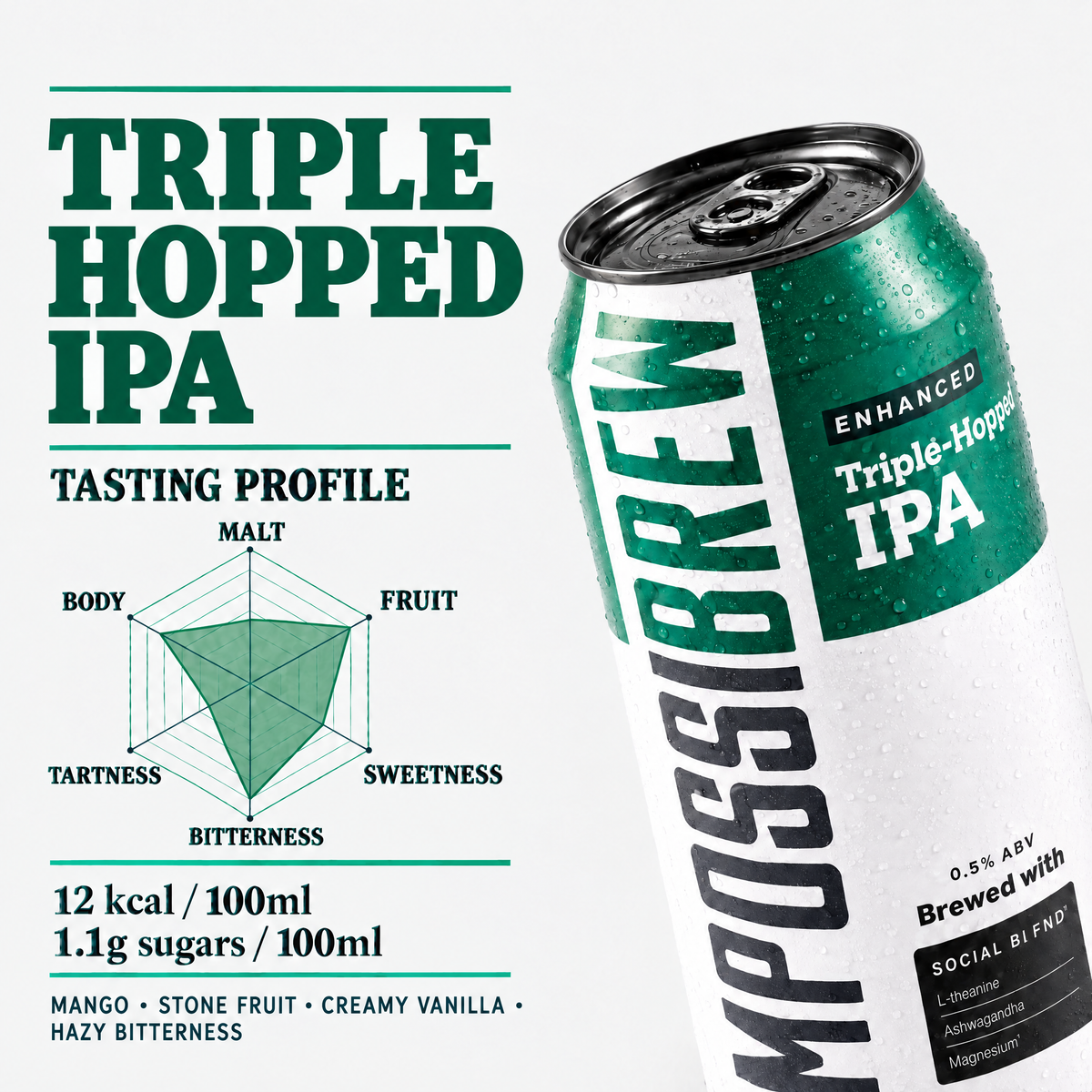
New alcohol-free drinks now provide sensory experiences that stand up to traditional beers. The market has expanded with products offering refined flavours and quality. A standout example is IMPOSSIBREW®, named "UK's Best Non-Alcoholic Beer" by the World Beer Awards in 2023 [1]. Using advanced technology, it replicates the social and sensory aspects of traditional beer.
Consumer feedback highlights the impact of these innovations:
| Consumer Behaviour | Impact |
|---|---|
| Seen as a Complete Alternative | 75% acceptability |
| Enhanced Social Experience | Notable improvement reported |
| Functional Benefits | Better sleep and mood observed |
These developments have not only improved product quality but also reshaped how alcohol-free options are viewed in the UK.
UK Market Changes
Consumer preferences in the UK have shifted significantly towards alcohol-free choices. The success of IMPOSSIBREW® reflects a broader trend towards healthier lifestyles, supported by public endorsements.
"It tastes lovely, it really tastes good" [1]
This praise from Deborah Meaden, along with widespread consumer feedback citing better sleep and more enjoyable social experiences, points to a major change in attitudes. These benefits align with the media's portrayal of alcohol-free living as both health-conscious and socially rewarding.
Conclusion
The analysis highlights a clear change in public attitudes, shaped by media and influencer narratives.
Today, media plays a key role in promoting alcohol-free living that combines sobriety with active social lives. Some telling figures: 88% of IMPOSSIBREW® customers have reduced their alcohol intake, and 95% share their experiences with friends [1]. This ripple effect, boosted by online sharing, has significantly contributed to this cultural shift.
The impact is visible across various platforms:
| Media Influence | Consumer Response |
|---|---|
| Social Media Coverage | Globally recognised as the most-followed No/Low Alcohol brand on TikTok |
| Consumer Advocacy | 71% of users report feeling more relaxed |
What started as the 'sober curious' trend has evolved into widespread acceptance, with media showcasing the appeal of alcohol-free alternatives. The shift in social norms aligns with the brand's core belief:
"We exist because we believe in a world where social connection doesn't demand compromise" [1]
This message resonates deeply, strengthening the growing interest in alcohol-free lifestyles.
FAQs
How does media representation impact perceptions of alcohol-free lifestyles in the UK?
Media and influencer campaigns play a significant role in shaping how alcohol-free lifestyles are viewed in the UK. Studies suggest that positive portrayals of non-drinkers in television, social media, and advertising have helped normalise choosing alcohol-free options, reducing stigma and encouraging more inclusive social behaviours. These representations often highlight the health, wellness, and social benefits of living alcohol-free, making it an appealing choice for a wider audience.
For example, influencers promoting alcohol-free drinks or showcasing enjoyable social experiences without alcohol can inspire others to explore similar choices. This growing visibility is contributing to a cultural shift where alcohol-free living is increasingly seen as a conscious, empowered decision rather than a limitation.
How do social media influencers shape perceptions of alcohol-free lifestyles, and how impactful are they?
Social media influencers play a significant role in shaping perceptions of alcohol-free lifestyles by sharing relatable stories, promoting non-alcoholic alternatives, and normalising choices that prioritise well-being. Their ability to connect with diverse audiences makes them effective in creating a positive and inclusive narrative around alcohol-free living.
Research shows that influencer campaigns can inspire behavioural change, particularly among younger demographics who are highly engaged on platforms like Instagram and TikTok. By showcasing non-alcoholic options as trendy and enjoyable, influencers can help reduce the stigma often associated with choosing not to drink, encouraging more people to explore alcohol-free alternatives.
How does the media influence perceptions of alcohol-free lifestyles?
Media and influencer campaigns play a significant role in shaping public attitudes towards alcohol-free lifestyles. Studies show that positive representation of non-alcoholic beverages in advertisements, social media, and popular culture helps normalise alcohol-free choices, making them more appealing and socially acceptable. Influencers, in particular, can create relatable narratives that resonate with audiences, encouraging them to explore alcohol-free options.
Innovative products like enhanced non-alcoholic beers also contribute to shifting perceptions by offering authentic taste and experiences without the drawbacks of alcohol. This evolution in product design, combined with effective media storytelling, has made alcohol-free lifestyles more accessible and desirable to a wider audience.