Alcohol alternatives are evolving fast, but why do taste and memory matter so much? Here's the key: our brains link flavors, emotions, and social experiences, creating memories that shape how we enjoy drinks. Non-alcoholic beverages face challenges replicating alcohol's flavor, mouthfeel, and social impact, but new methods are closing the gap.
Key Takeaways:
- Taste Memory: Combines flavor, aroma, and emotions, making drinking experiences personal and memorable.
- Alcohol's Unique Properties: Ethanol enhances flavor complexity, mouthfeel, and aroma, which are hard to replicate without it.
- Challenges for Alternatives: Non-alcoholic options often lack depth, balance, and the "burn" alcohol provides.
- Solutions in Progress: Techniques like vacuum distillation, reverse osmosis, and new ingredients like adaptogens are improving flavor and sensory effects.
- Social Impact: Non-alcoholic beverages are reshaping social gatherings, promoting inclusivity, and supporting wellness trends.
Quick Overview:
| Challenge | Why It Matters | Current Solutions |
|---|---|---|
| Replicating Flavor | Alcohol binds and releases aromas | Advanced brewing and flavor techniques |
| Missing Mouthfeel | Alcohol provides warmth and burn | Spicy ingredients, adaptogens |
| Social Connection | Drinking is tied to bonding | Inclusive, alcohol-free options |
Alcohol alternatives are blending science and creativity to offer better taste, health benefits, and social value. Dive into the full article to see how they're changing the game.
Sommelier Tries Non-Alcoholic Beverages
Key Problems in Matching Alcohol's Taste Profile
Complex Flavor Elements in Alcohol
Replicating the taste, texture, and aroma of alcohol is a tough challenge for alternatives. Alcohol has unique properties that influence how we perceive its flavor - making it hard to mimic. For instance, ethanol plays a dual role by activating sweet taste receptors and trigeminal pathways (the nerves responsible for sensing irritation).
Another factor is alcohol's volatility, which contributes to its distinctive mouthfeel by releasing flavor molecules. As Morten Sørensen from ISH explains, this is a critical element that non-alcoholic drinks struggle to replicate.
Three chemical properties of alcohol make it especially difficult to imitate:
- Solvent Properties: Ethanol acts as a solvent, binding and releasing aromatic compounds from ingredients.
- Trigeminal Sensation: The burning sensation of alcohol is processed through pain-sensing nerves.
- Astringency: Alcohol disrupts mucus levels in the mouth, creating a dry, tactile effect.
Common Flaws in Non-Alcoholic Options
Non-alcoholic alternatives face their own set of challenges. Despite the growing market, many products fall short of replicating the experience of traditional alcoholic beverages. Ethanol's absence as a flavor-binding solvent impacts multiple aspects of the flavor profile.
The dealcoholization process, which removes alcohol, often damages or strips away critical flavor and aroma compounds. For example, flavor compounds in beer drop significantly - from 32–39% in regular beers to just 8–12% in alcohol-free versions.
These chemical limitations explain why many consumers find early non-alcoholic options unsatisfying. Here’s how the absence of alcohol affects the beverage:
- Reduced Complexity: Without ethanol, the depth of flavors diminishes.
- Damaged Flavor Compounds: The removal process can harm delicate taste elements.
- Missing Mouthfeel: The warmth and texture provided by alcohol cannot be fully recreated.
- Imbalanced Sweetness: Non-alcoholic beers often have nearly double the carbohydrates.
Overcoming these technical barriers is critical for creating better alternatives that deliver a more authentic drinking experience.
sbb-itb-a752bf8
Research-Based Methods for Taste Replication
Modern Brewing Methods
To tackle the challenge of replicating flavor complexity in non-alcoholic beverages, researchers are blending traditional brewing techniques with newer methods. These approaches aim to replicate the depth and richness typically provided by alcohol. Take BrewDog's Nanny State Hoppy Golden Ale, for example - it uses a high-temperature/low-gravity brewing process to create a less fermentable wort, resulting in a satisfying mouthfeel.
Here are some of the most effective brewing techniques:
| Technique | Purpose | Effect on Taste |
|---|---|---|
| Vacuum Distillation | Removes alcohol | Retains delicate flavor compounds |
| Reverse Osmosis | Filters selectively | Preserves overall flavor balance |
| Arrested Fermentation | Reduces alcohol production | Keeps the natural sweetness of malt |
| Dry Hopping | Boosts aroma | Adds hop character without extra bitterness |
These brewing innovations are only part of the equation. The role of specific active compounds in shaping the sensory experience is equally important.
Active Ingredients for Sensory Effects
Certain compounds are designed to mimic alcohol's ability to influence relaxation and mood. This is a growing area of focus in the non-alcoholic beverage market, which was valued at $1,223.93 billion in 2023 and is expected to grow by 7.4% annually from 2024 to 2030. A standout example of this approach is the work being done by IMPOSSIBREW®.
Case Study: IMPOSSIBREW®
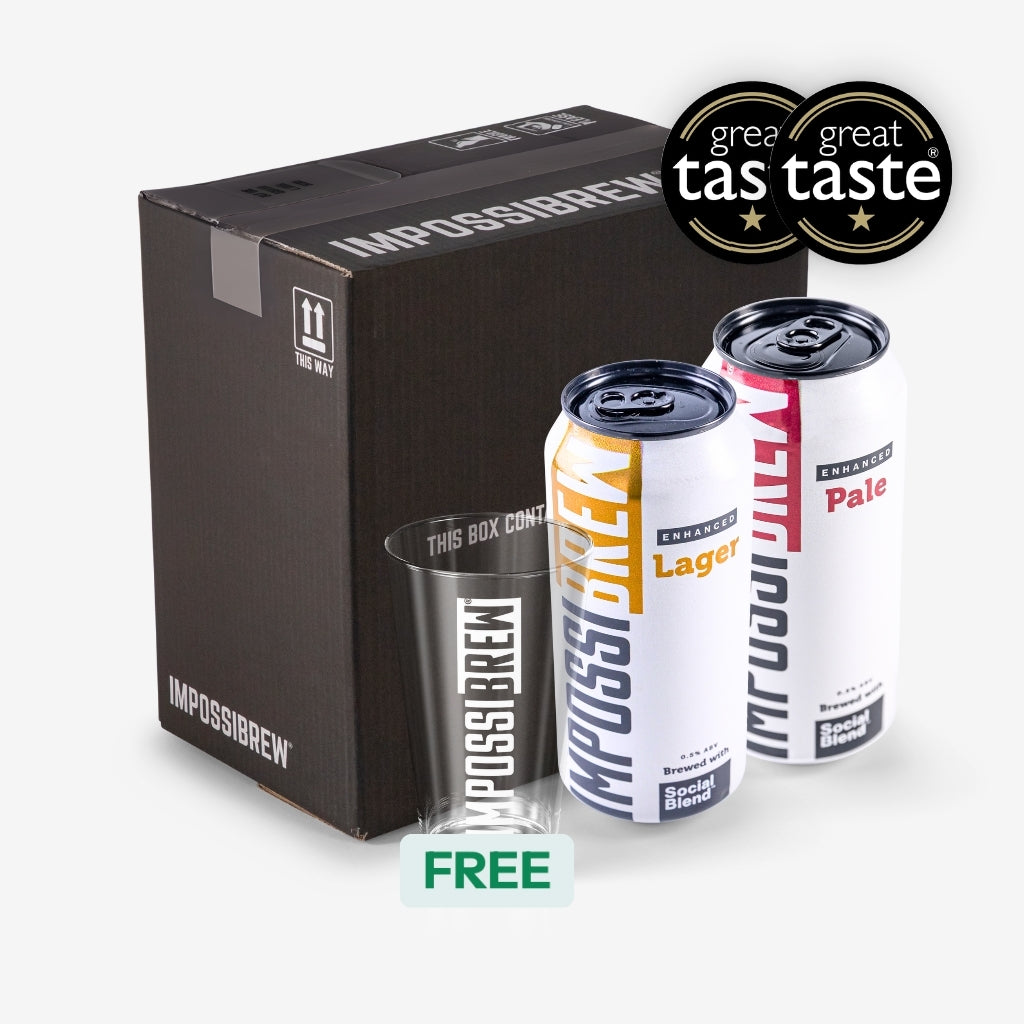
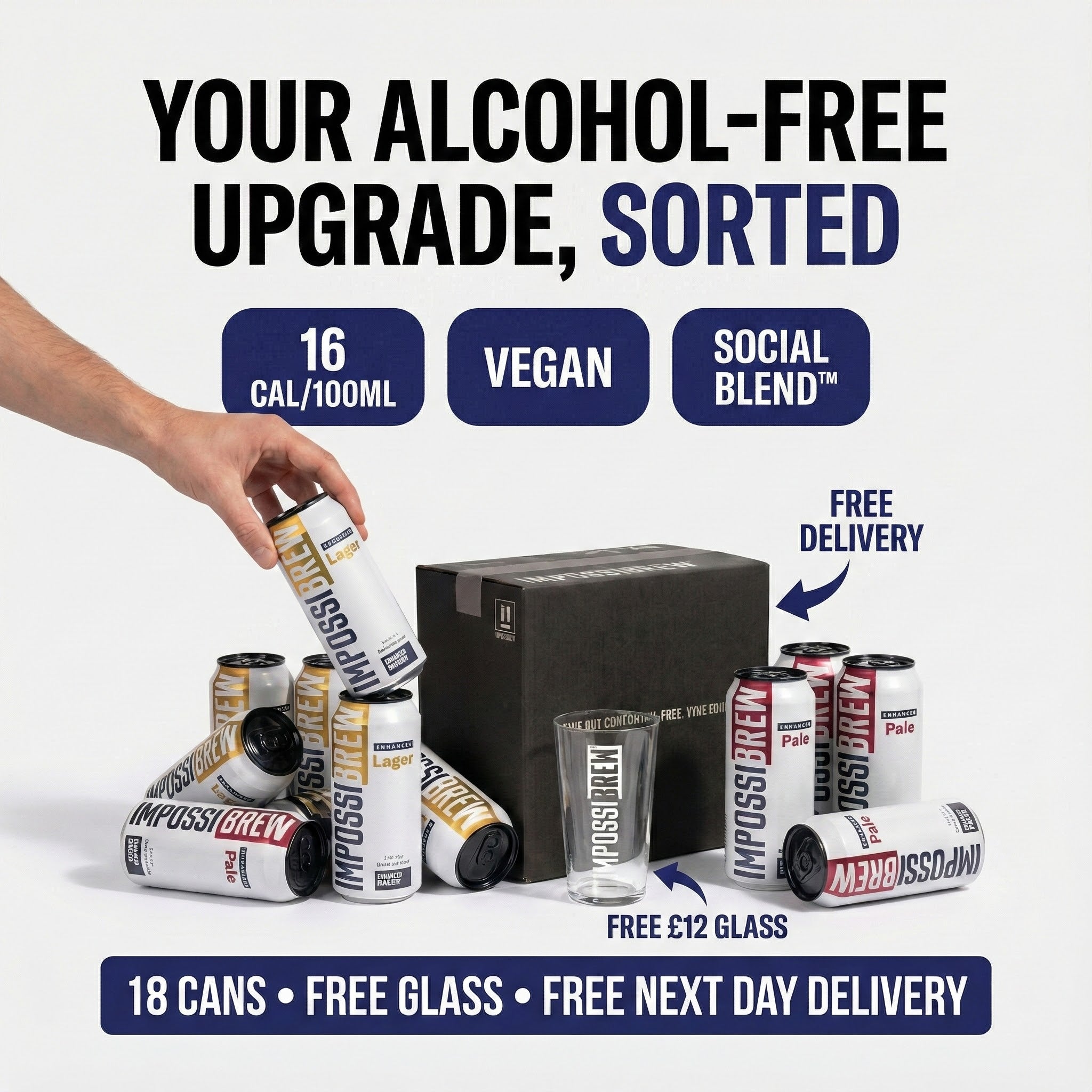
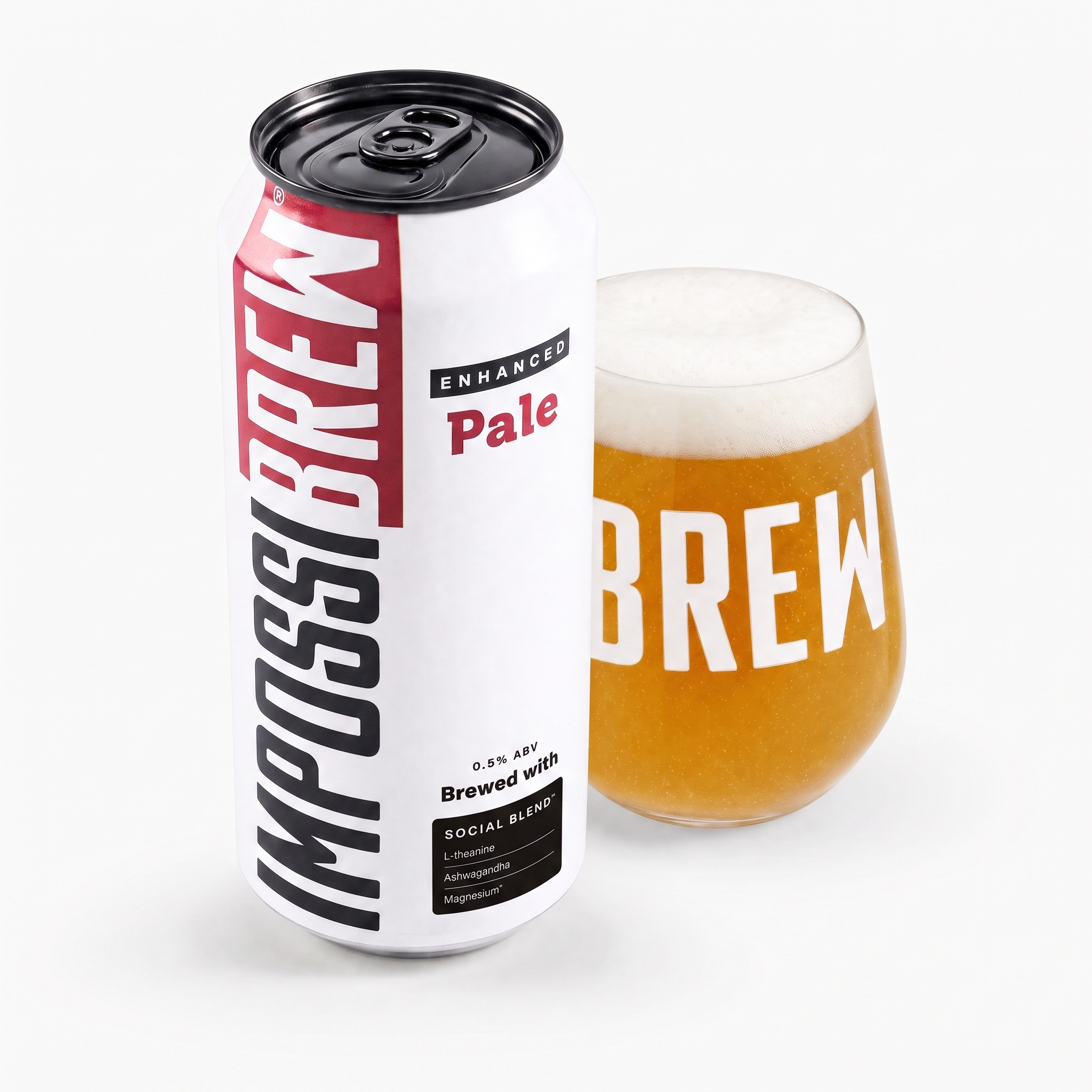
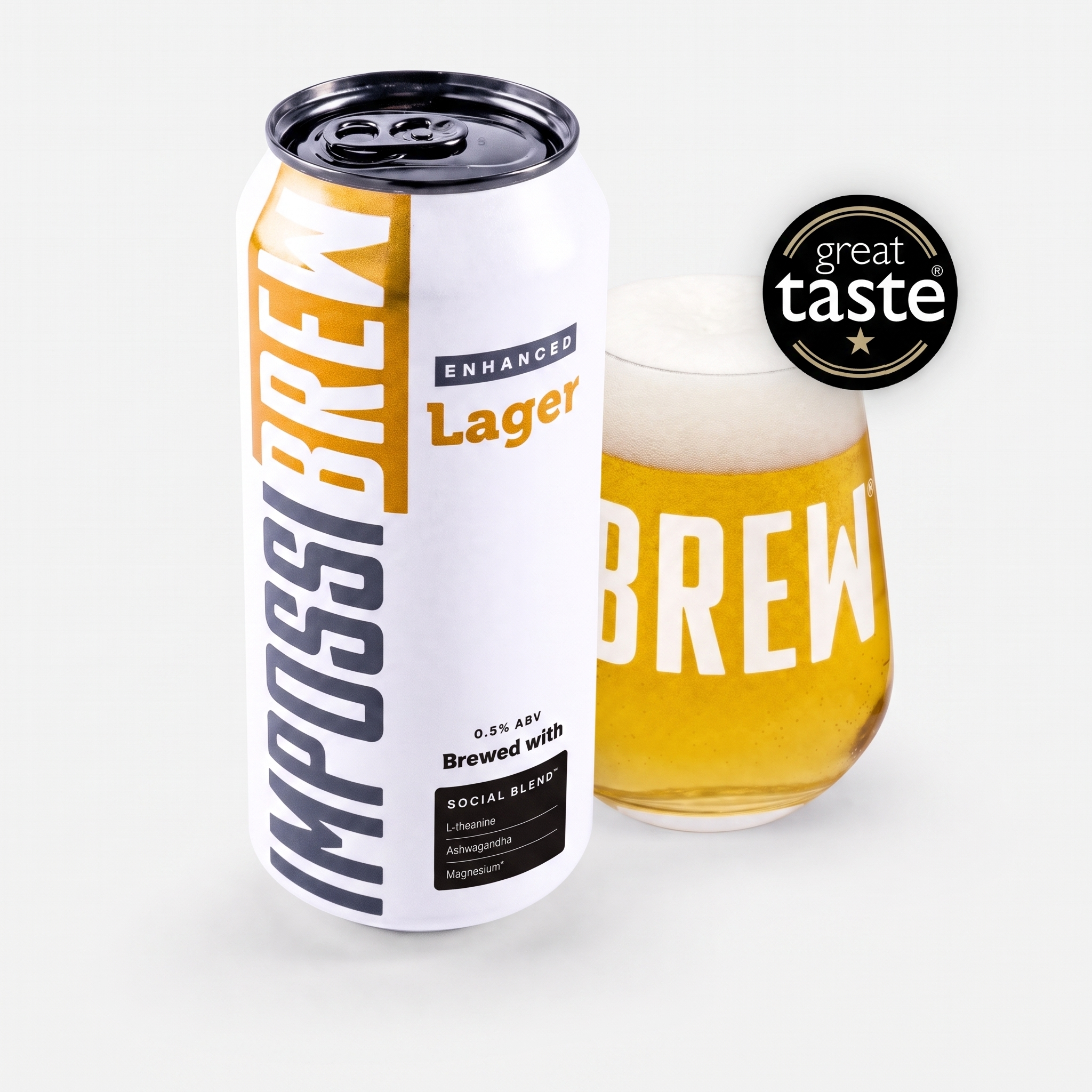
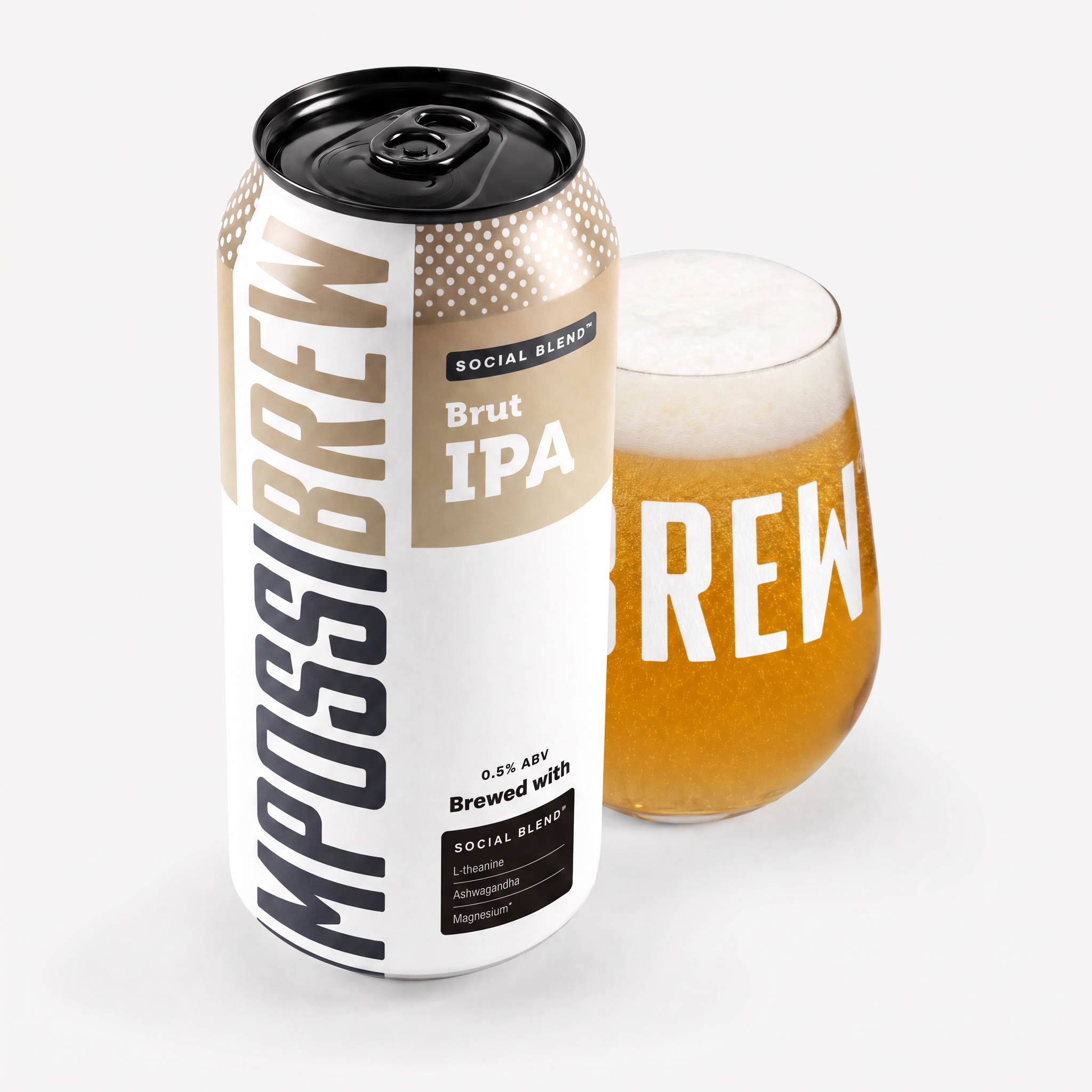
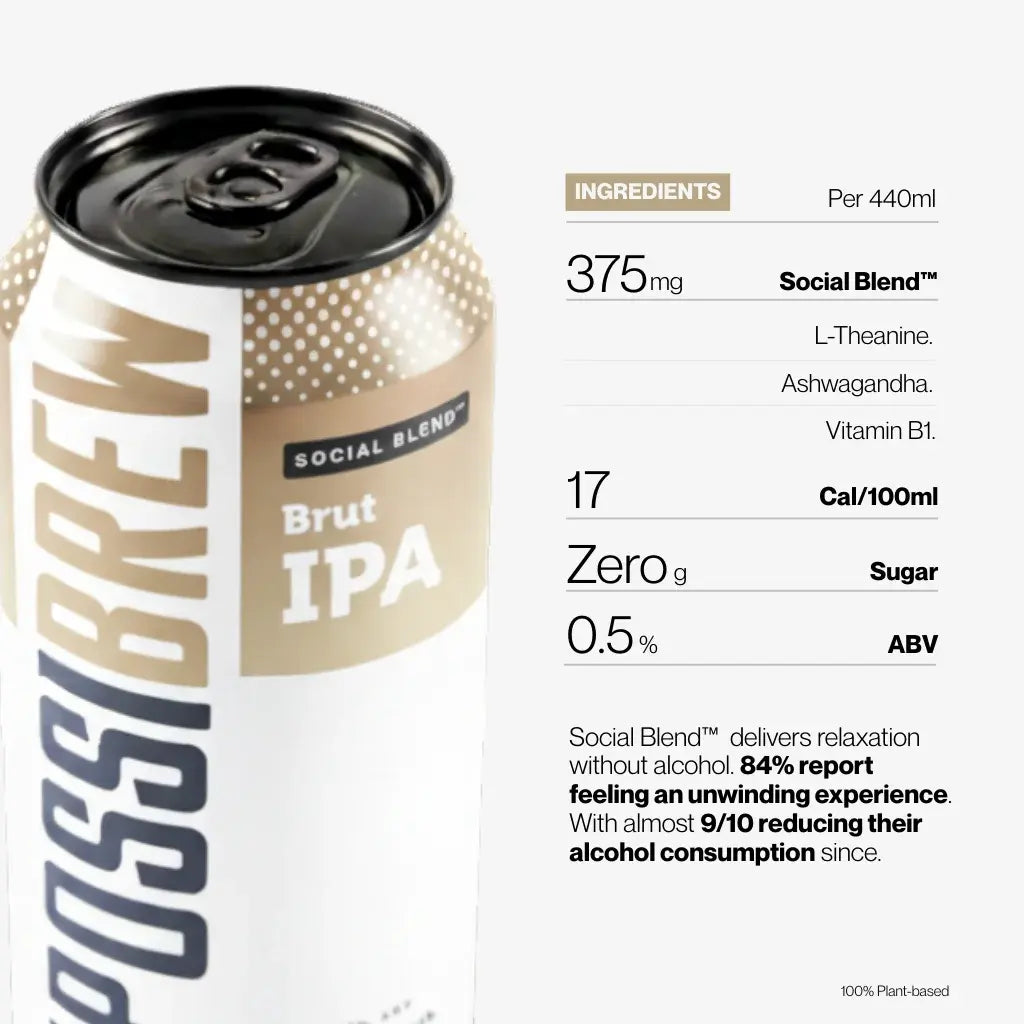
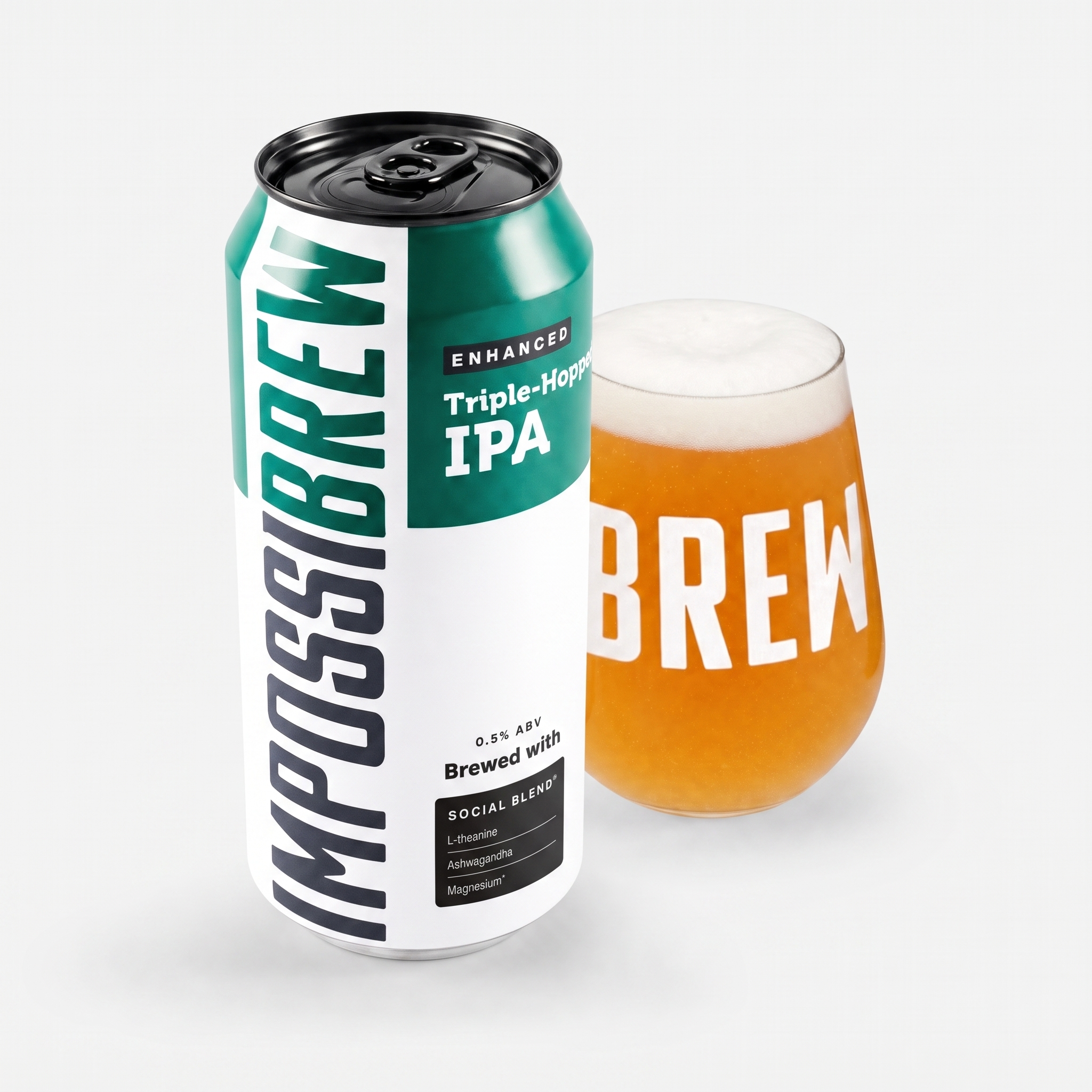
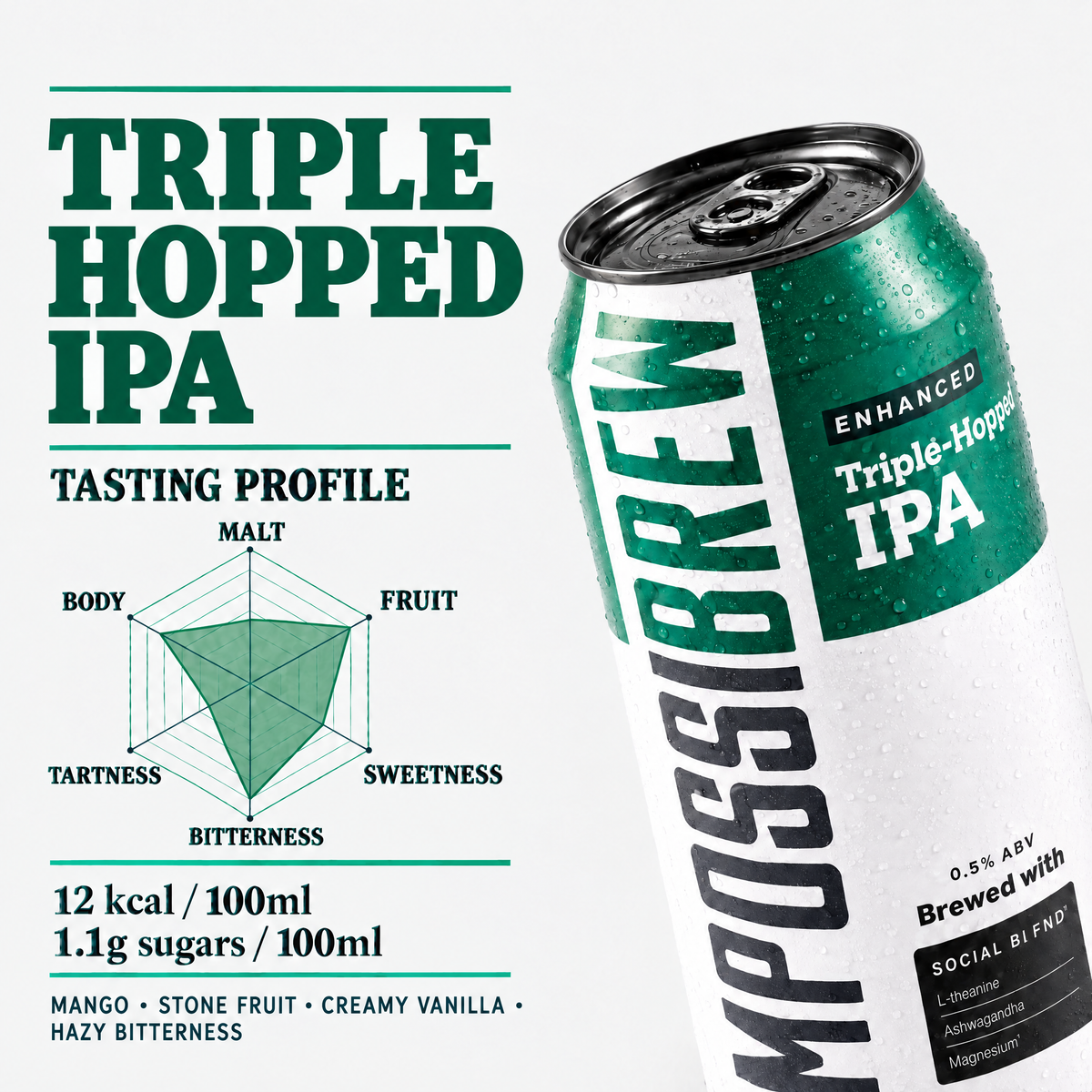
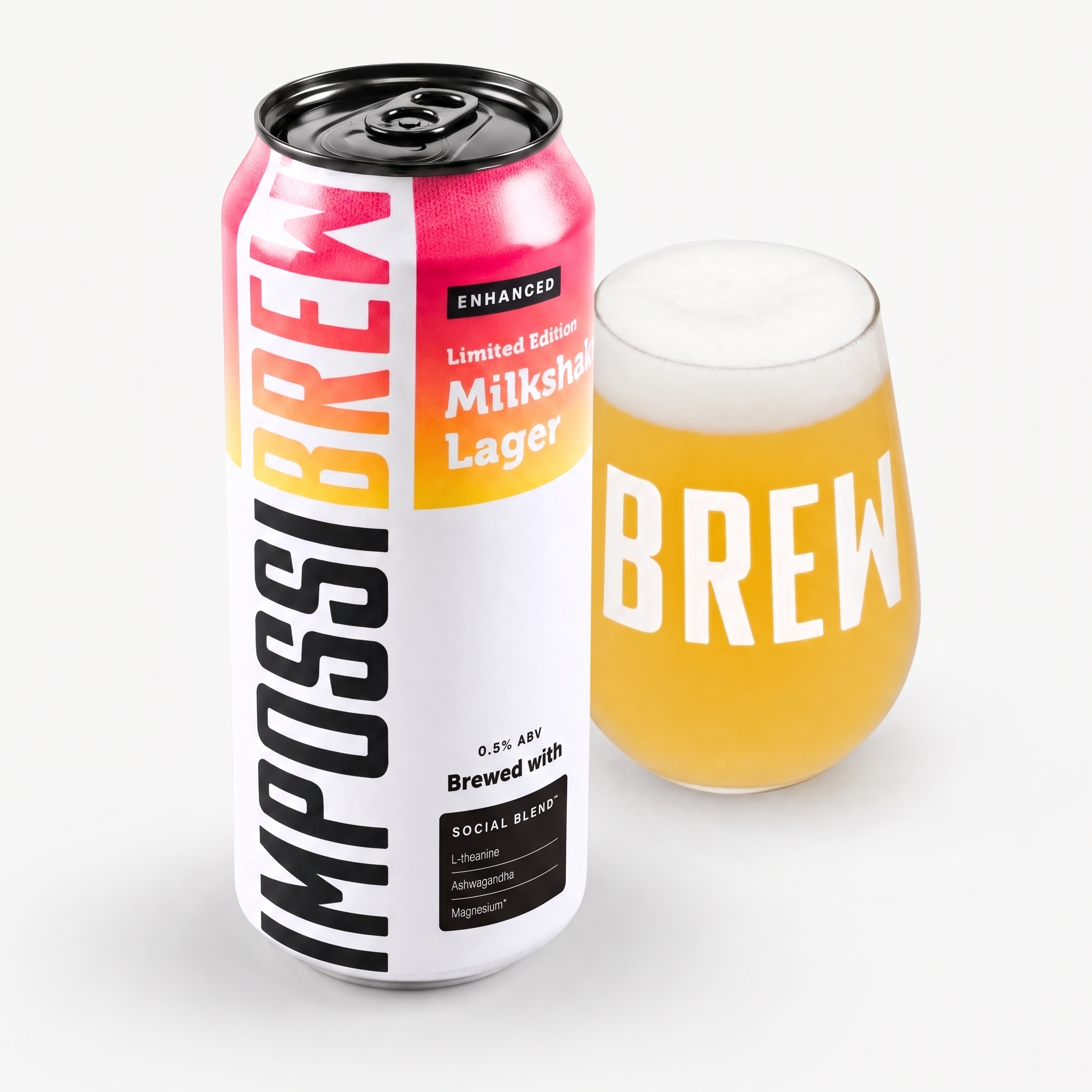
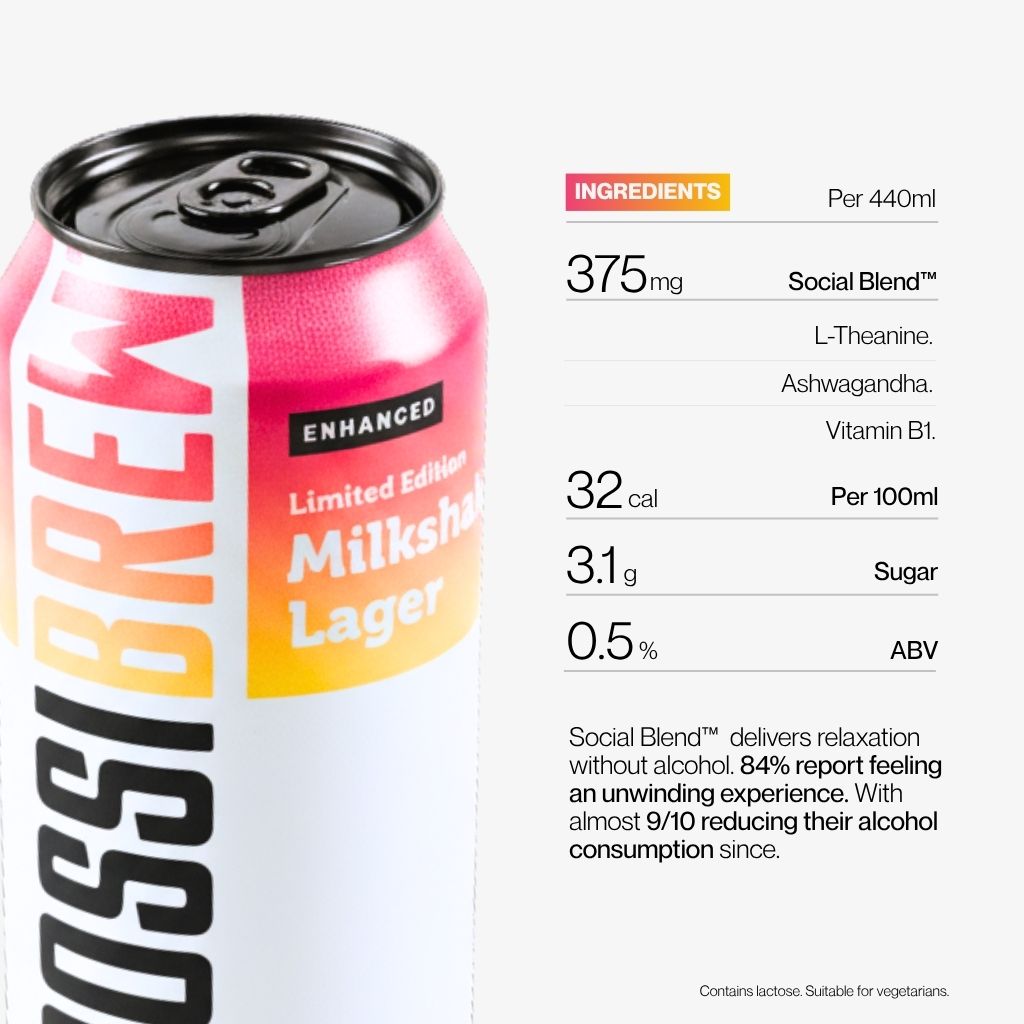
IMPOSSIBREW® has developed a proprietary Social Blend™ to recreate the taste and relaxing effects of alcohol. Their research shows impressive results:
- 71% of customers reported feeling more relaxed after consuming drinks with Social Blend™.
- 88% of users reduced their alcohol intake after trying the product.
- Their method is backed by 52 randomized, double-blind, peer-reviewed studies.
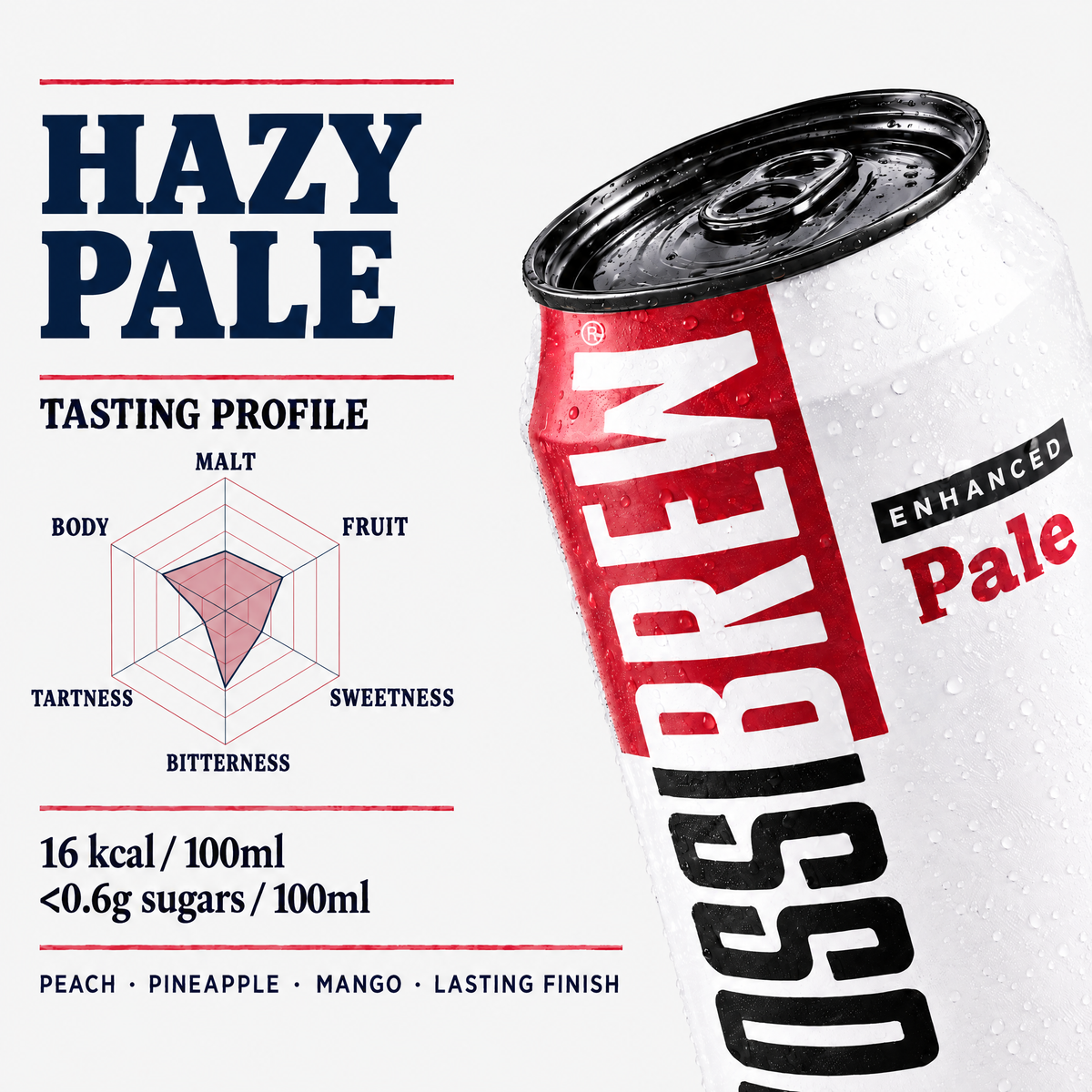
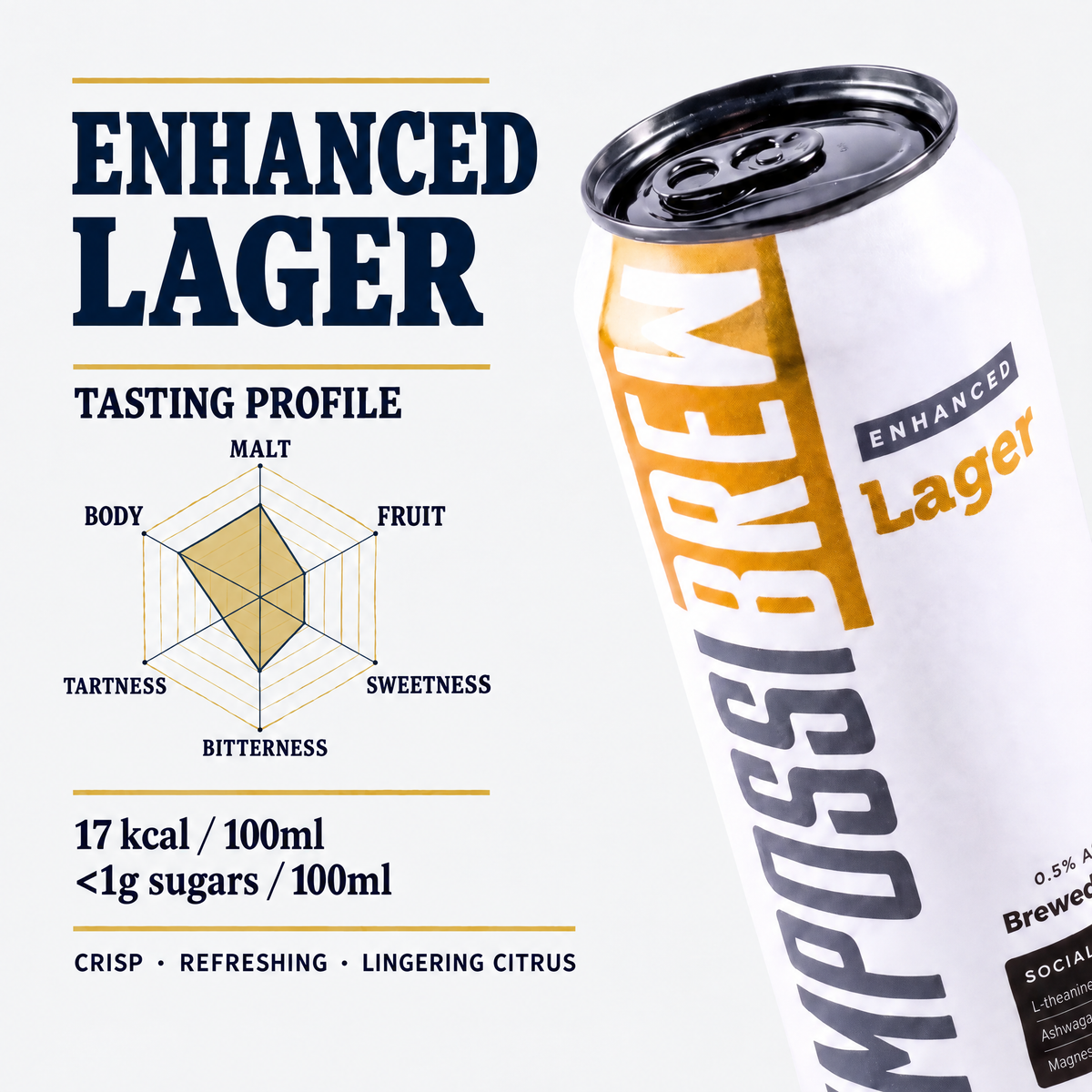
Products like their Enhanced Lager and Enhanced Hazy Pale are designed to deliver familiar flavors while providing targeted sensory benefits. As the company puts it, these drinks are "designed to replicate the sensory and social relaxing experience of drinking, minus the headaches (and bad decisions)".
Social Habits and Drinking Routines
Drinking Customs and Social Bonds
Non-alcoholic options are proving to be a powerful way to maintain social connections and spark conversations. For example, the no-alcohol category in the U.S. saw a 29% growth in 2024 compared to 2022.
Here’s how social gatherings are evolving:
| Event Type | Key Features | Social Benefits |
|---|---|---|
| Dry Parties | Mocktails and themed experiences | Clearer, more engaging conversations |
| Corporate Events | Inclusive beverage options | Better professional networking |
| Wellness Gatherings | Drinks focused on health and mindfulness | Meaningful connections |
| Seasonal Celebrations | Drinks with fresh, local ingredients | Fun and creative engagement |
These changes highlight how non-alcoholic drinks are reshaping social customs, paving the way for a deeper look into their psychological effects.
"The ritual and experience of gathering for a drink is a fundamental human pleasure - one shown to have invaluable benefits for mental wellbeing", says Dash Lilley, Co-founder of Three Spirit.
Mental Effects of Non-Alcoholic Drinks
Non-alcoholic beverages tap into taste memory, offering a psychological boost. Studies even show that non-alcoholic beer can trigger dopamine release for those familiar with its flavor.
Here are some factors driving this trend:
- Quality and Presentation: Premium brands like De Soi's Purple Lune show how well-crafted non-alcoholic drinks can elevate social experiences.
- Social Context: Research suggests alcohol-free options can deepen engagement and strengthen social bonds.
- Sensory Experience: A 2018 study revealed that the brain’s reward system reacts similarly to non-alcoholic beer (0% ABV) and regular beer (4.8% ABV).
"If you're going to drink water, just drink water. But if you want to have some fun, grab a THC drink - but always drink responsibly", says Justin Tidwell, Founder of Nowadays.
The non-alcoholic beer market is booming, with sales jumping from $22 billion in 2023 to a projected $40 billion by 2032. This growth underscores how these beverages blend traditional habits with healthier, more inclusive choices.
Conclusion: Next Steps for Alcohol Alternatives
Advances in Alcohol-Free Beverages
The alcohol alternatives market is evolving quickly, driven by science and technology. Modern brewing techniques and cutting-edge ingredients are helping create drinks with flavors that closely resemble traditional alcoholic beverages. For instance, nanoemulsion technology is now used to mix fat-soluble flavors into water-based drinks, offering a smoother and more refined experience.
Here’s a snapshot of key developments in the field:
| Innovation Area | Current Progress | Future Potential |
|---|---|---|
| Taste Replication | Spicy ingredients like ginger or chilies, and oversteeped black tea mimic alcohol's burn and astringency | More realistic alcohol-free alternatives |
| Brewing Techniques | Cryogenic fermentation preserves authentic flavors | Improved taste without alcohol removal |
| Functional Additions | Incorporating nootropics and adaptogens | Boosted relaxation and social effects |
"This isn't about removing alcohol. This is about something better." – IMPOSSIBREW®
Balancing Flavor and Health
The industry is making strides in combining authentic flavors with health-conscious benefits. Non-alcoholic beverage sales are projected to grow at an annual rate of 8.56%, potentially outpacing alcoholic options by 2026.
Research is focusing on two exciting areas:
- Developing plant-based compounds that mimic the pleasant effects of alcohol
- Designing synthetic molecules that replicate the sensations of alcohol without the downsides
These advancements are enabling blends of ingredients that stimulate similar brain responses to traditional alcohol. The result? Drinks that deliver great taste while supporting both social engagement and wellness goals.