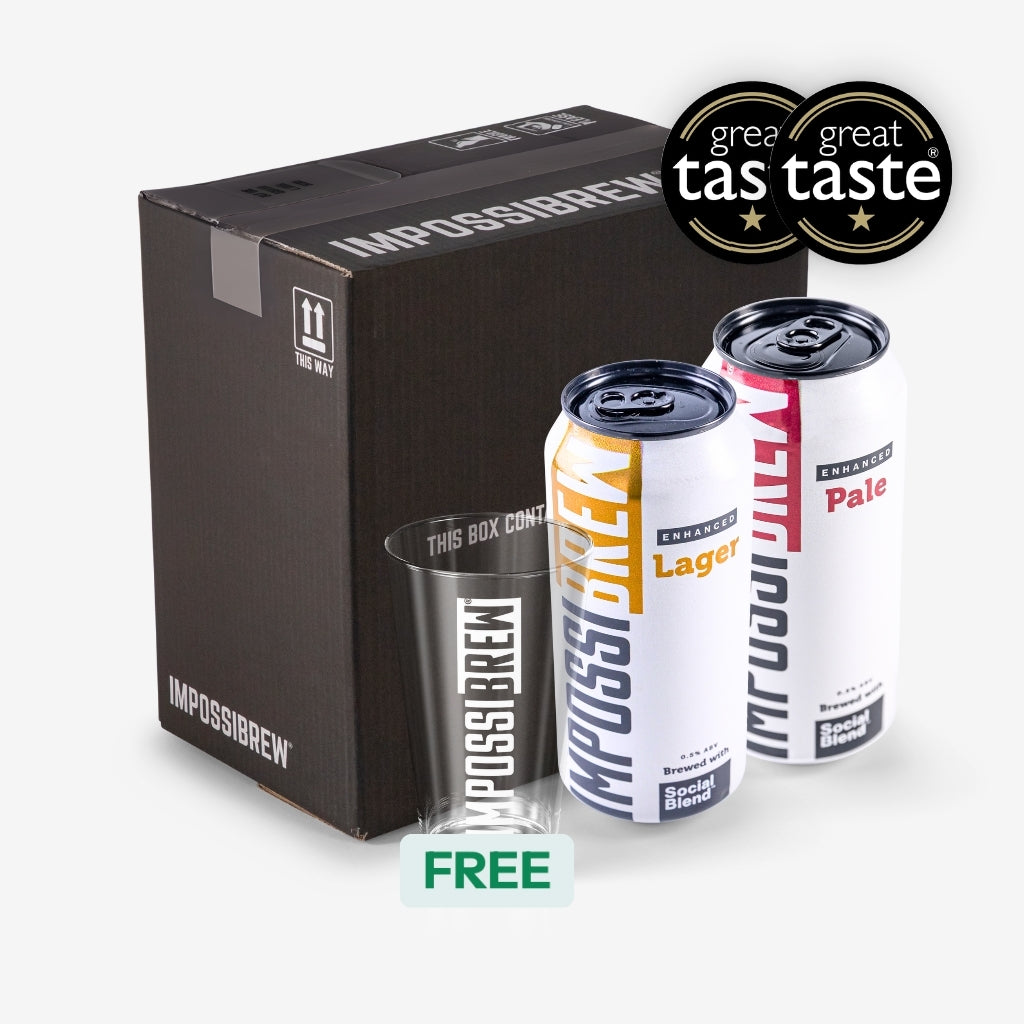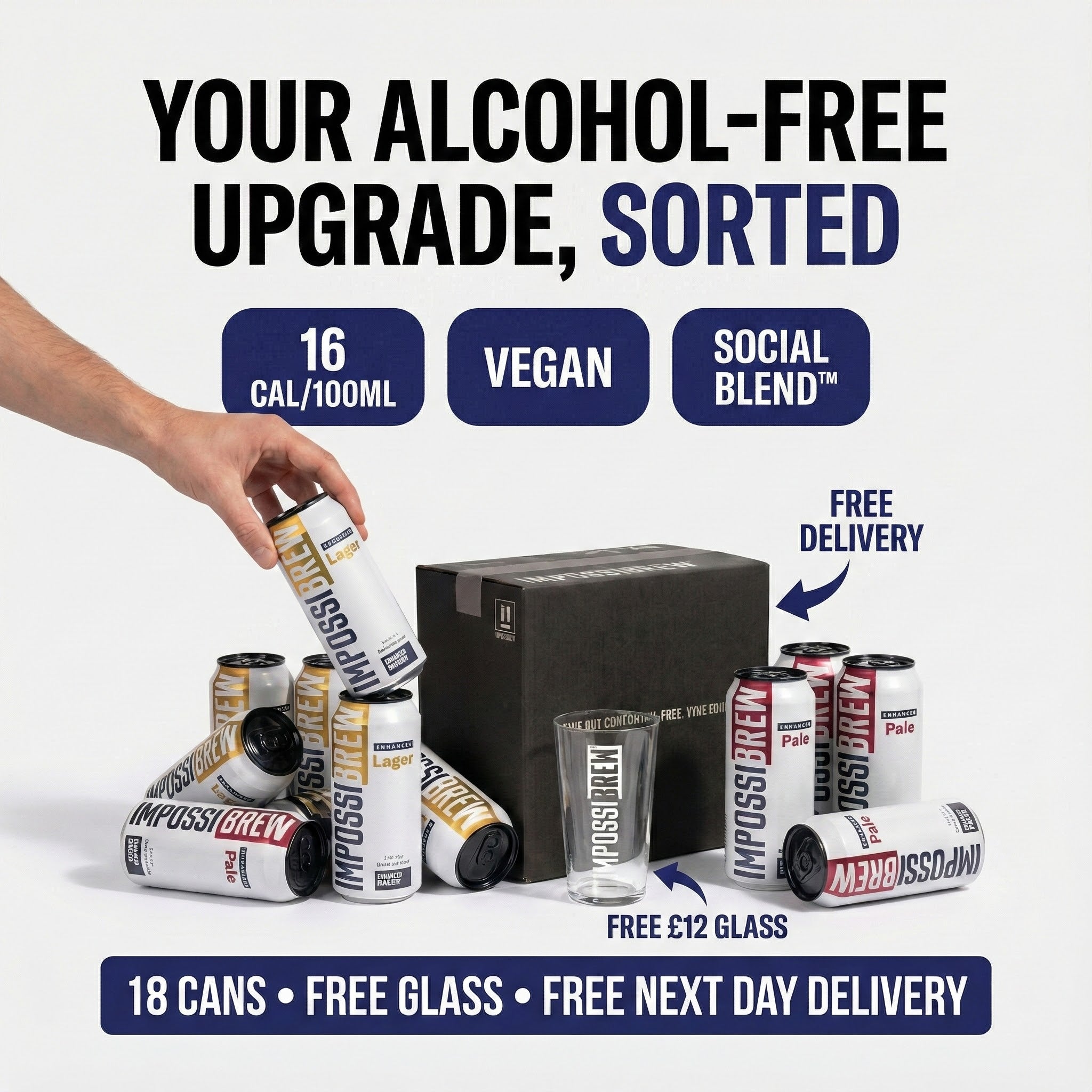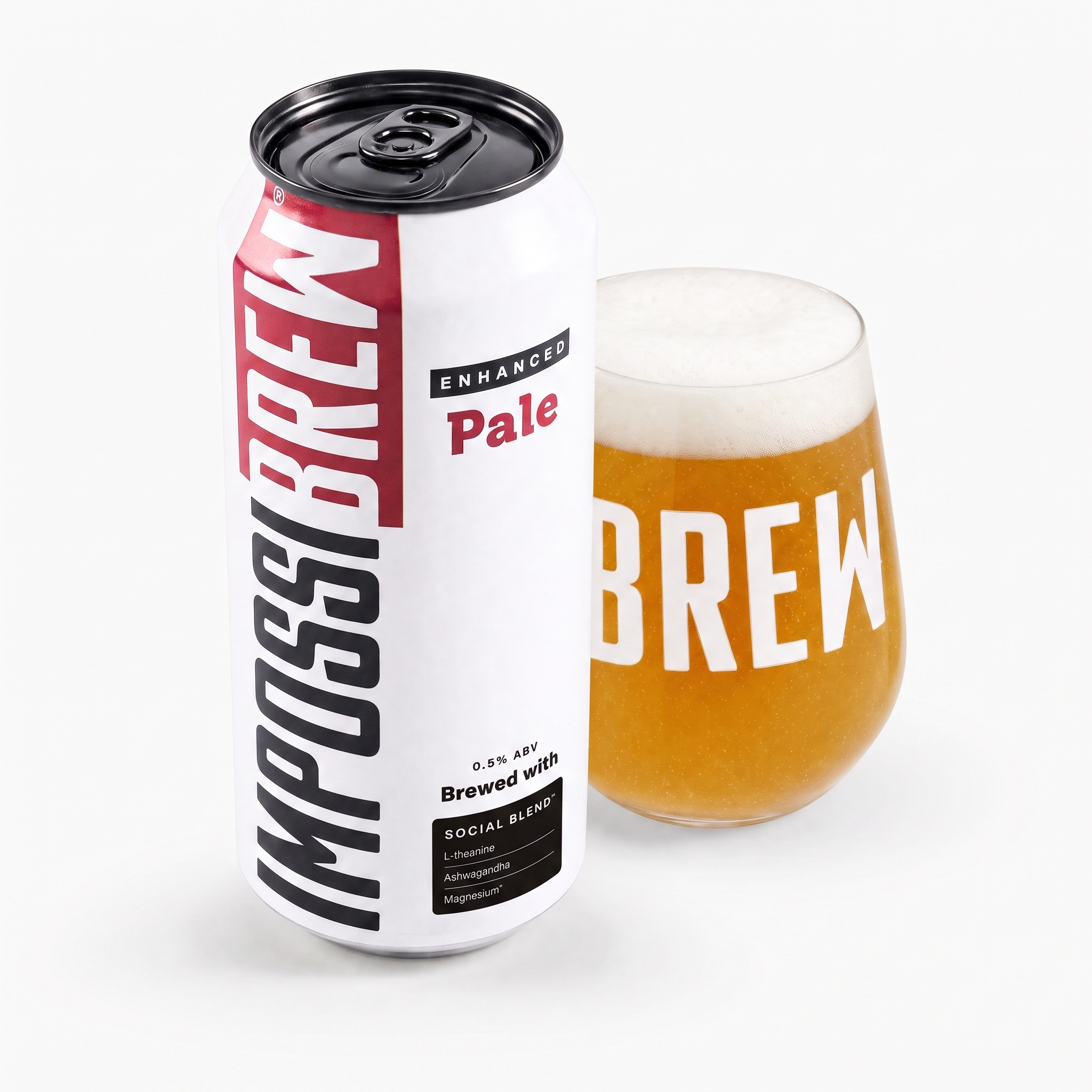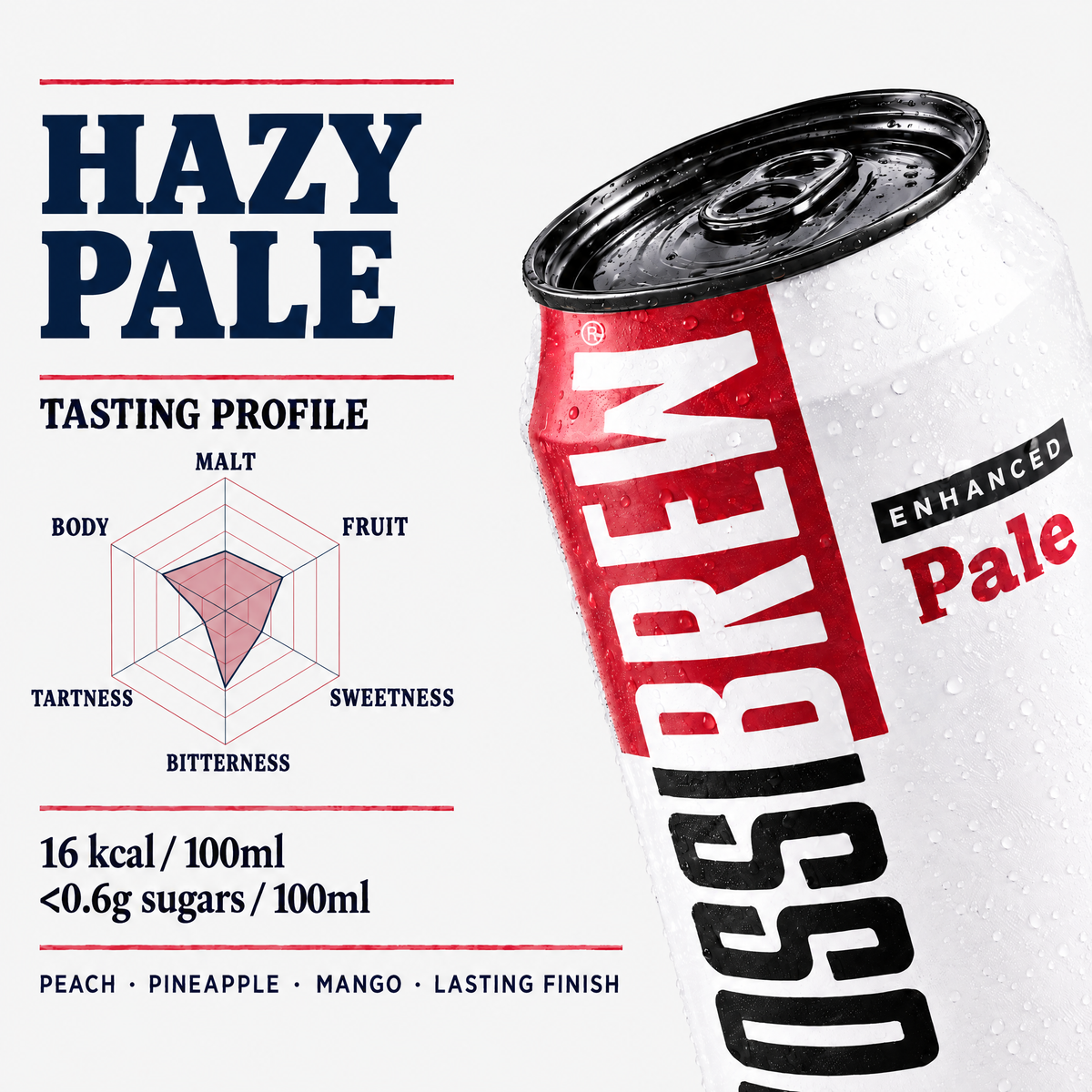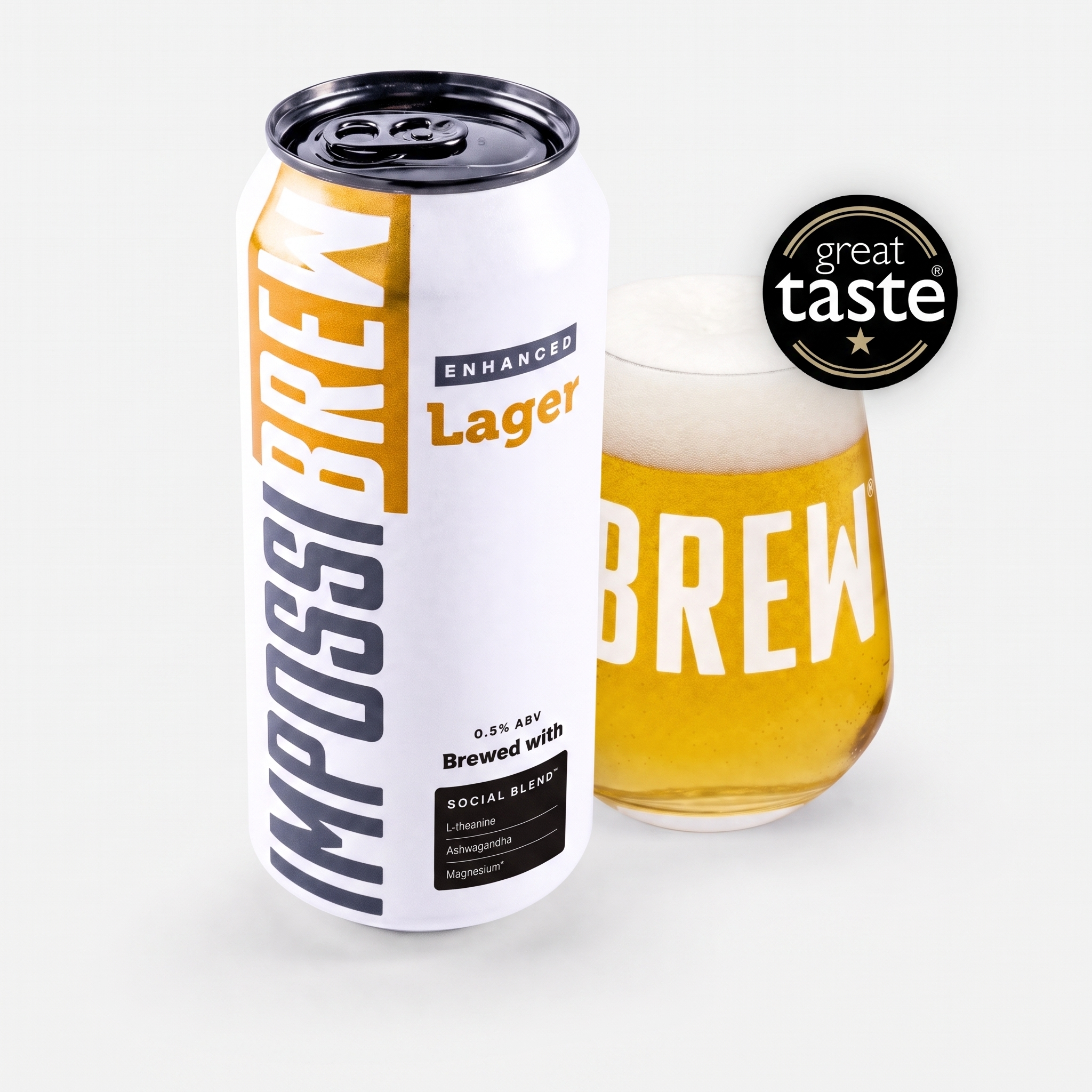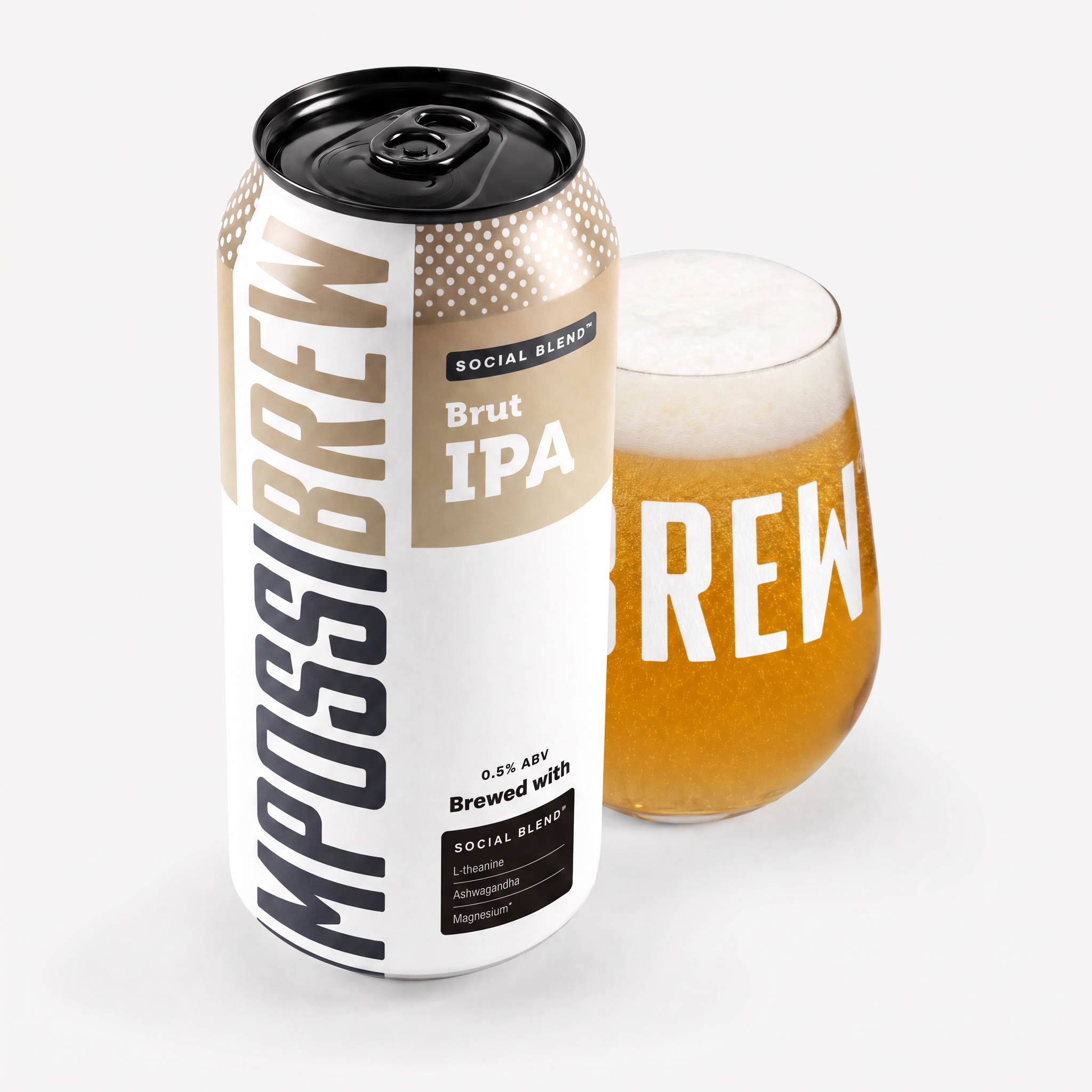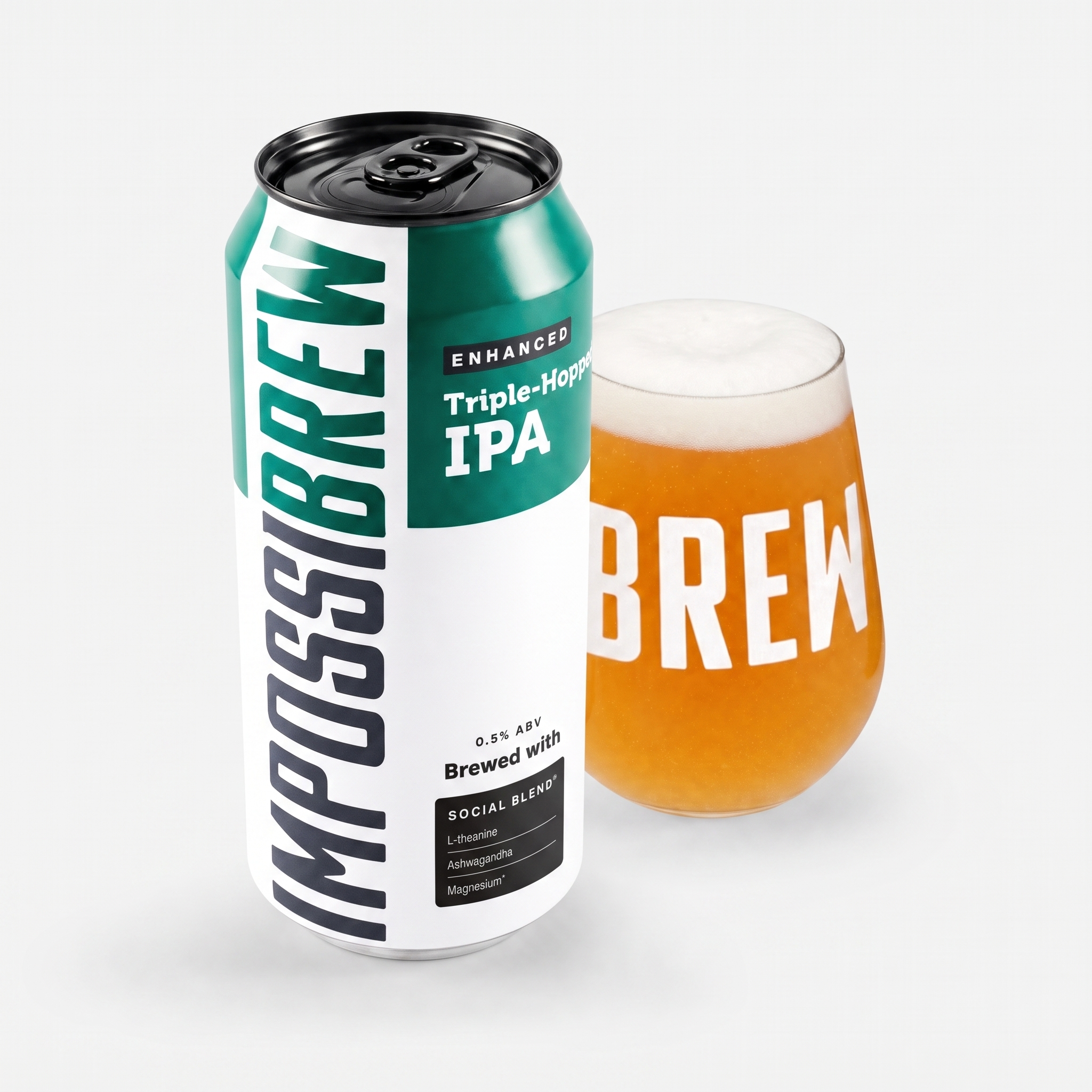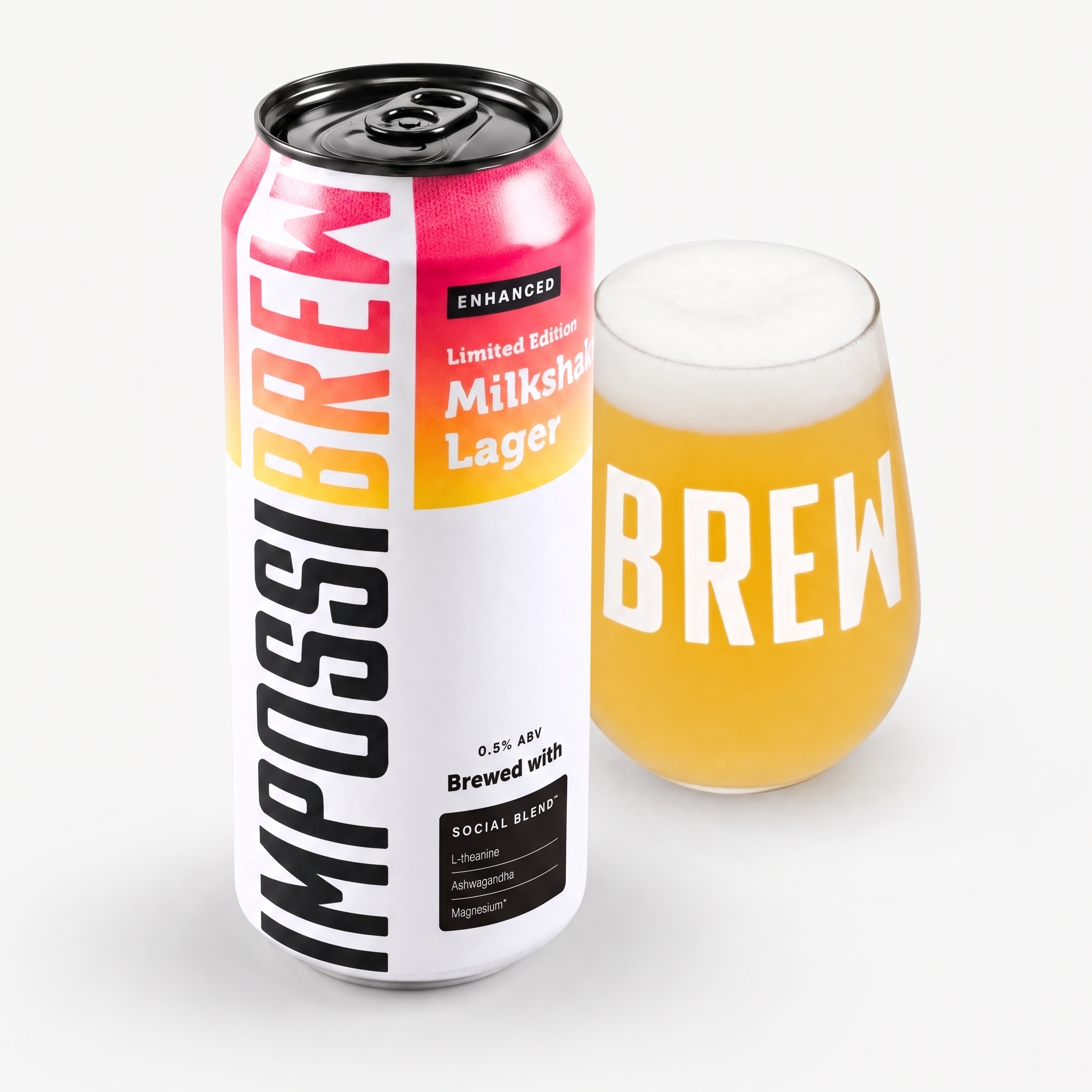
Alcohol-free beer can indeed be isotonic, meaning it has a similar concentration of dissolved particles to human blood (270–330 mOsmol/kg). This makes it efficient for hydration after exercise, unlike regular beer, which is hypertonic and slows down fluid absorption. Brands like Beck's Blue (307 mOsmol/kg), Weihenstephaner (324 mOsmol/kg), and Paulaner (329 mOsmol/kg) fall within the isotonic range, making them suitable for rehydration. However, their low sodium content limits their effectiveness for intense workouts, where higher sodium levels are needed. IMPOSSIBREW® Enhanced Lager stands out with added nutrients and functional ingredients, though pairing any of these beers with salty snacks can improve health and recovery benefits.
ISOTONIC BEER, The Ultimate Sports Drink - Erdinger Alkoholfrei | Best Non Alcoholic Beer Reviews
sbb-itb-a752bf8
What Makes a Drink Isotonic
An isotonic drink matches the osmotic concentration of human blood serum, which ranges from 280–295 mOsm/kg. According to the European Food Safety Authority (EFSA), isotonic beverages fall within an osmolality range of 270–330 mOsmol/kg[3].
"Beverages with an osmolality of 300 mOsmol/kg are isotonic... only beverages within a ±10% deviation (270–330 mOsmol/kg) may be designated as 'isotonic'." – European Food Safety Authority (EFSA)[3]
When a drink falls within this range, it allows water to move naturally across cell membranes, ensuring rapid absorption into the body. This is why isotonic drinks are excellent for rehydration. On the other hand, hypertonic drinks (osmolality above 330 mOsm/kg) require the digestive system to pull additional water into the stomach to dilute the solution, slowing down the rehydration process[1]. This distinction is especially relevant when evaluating the hydration potential of alcohol-free beers after physical activity.
Alcohol-free beers typically fall within the isotonic range, unlike alcoholic beers, which have significantly higher osmolality (928–1,027 mOsmol/kg)[1][4]. For instance, studies show that Beck's Blue (307 mOsm/kg), Weihenstephaner (324 mOsm/kg), and Paulaner (329 mOsm/kg) all meet the isotonic criteria[1][4]. Removing ethanol from beer significantly reduces its osmolality, converting it from a hypertonic beverage into one that supports efficient hydration.
Interestingly, dissolved carbon dioxide in beer contributes approximately 113 mOsmol/kg to its osmolality[4]. However, since CO₂ escapes in the stomach, beers initially measured as isotonic might behave as hypotonic during absorption, potentially improving hydration even further.
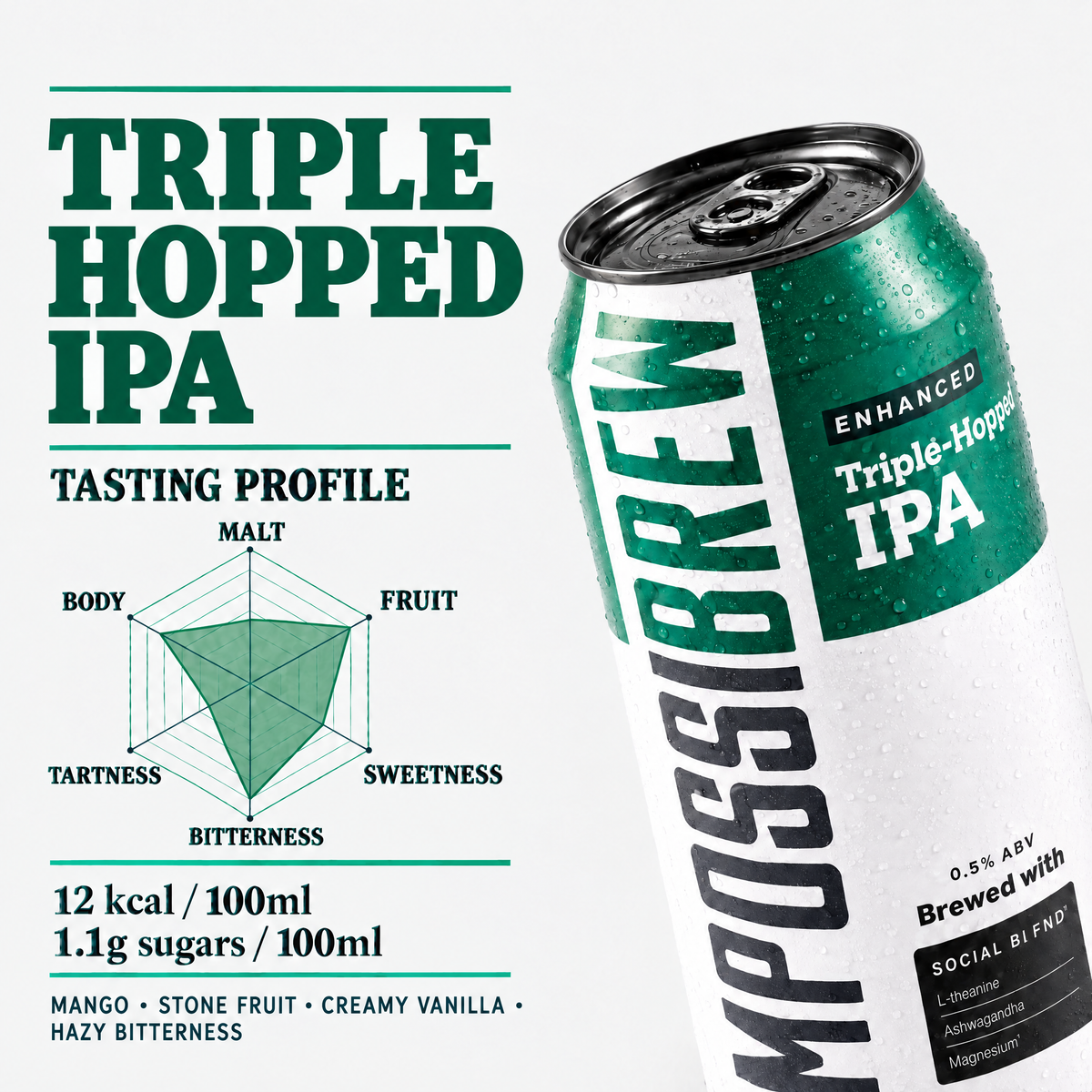
1. IMPOSSIBREW® Enhanced Lager
Osmotic Concentration
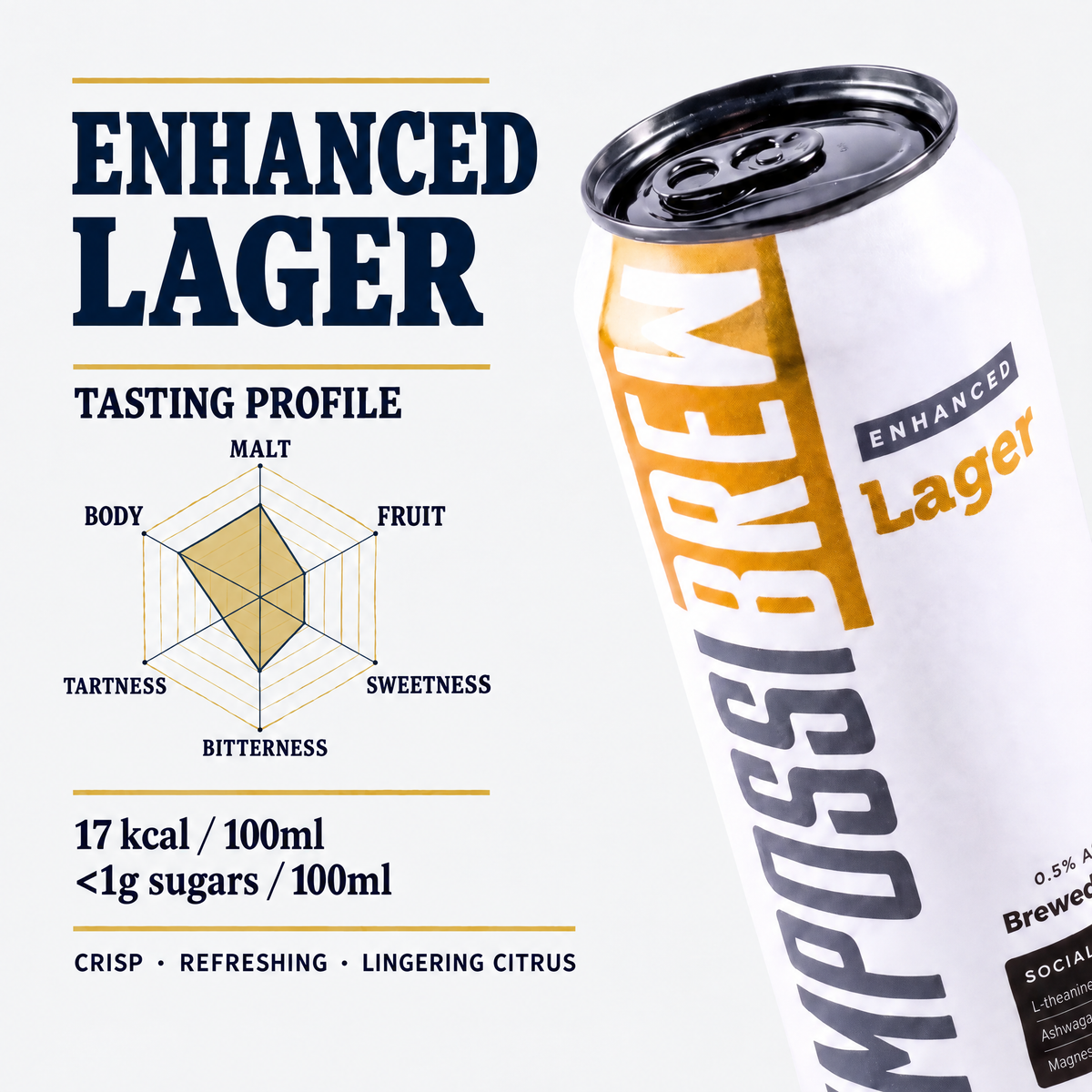
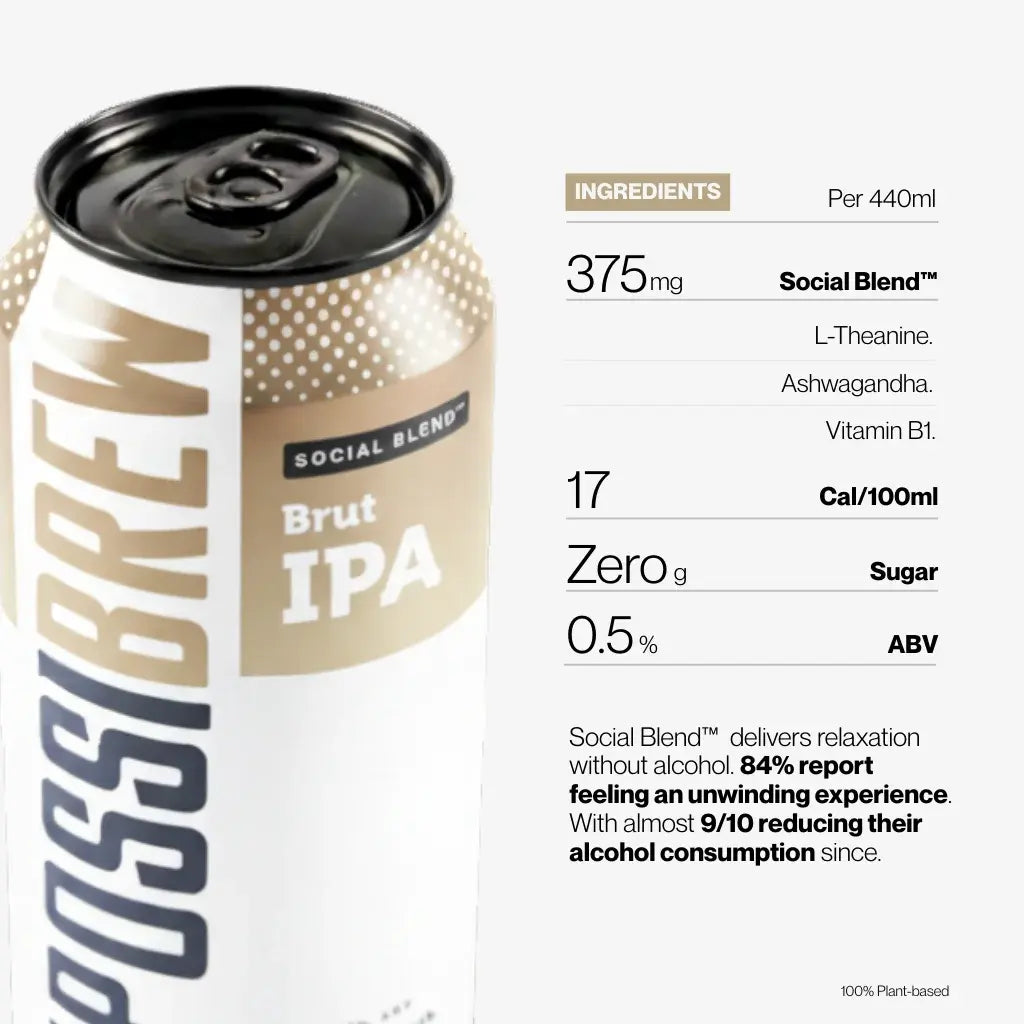
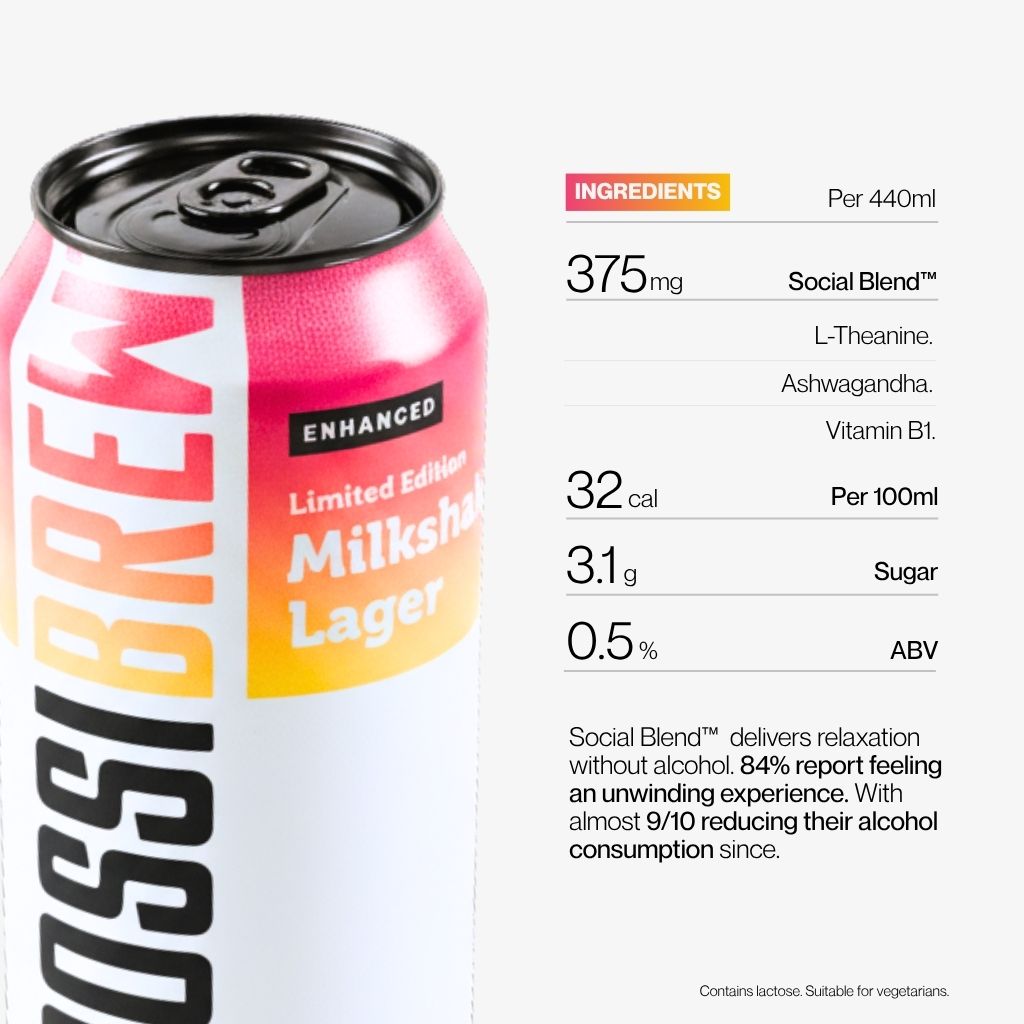
IMPOSSIBREW® Enhanced Lager is crafted to support quick rehydration, thanks to its carefully balanced mix of carbohydrates and salt. With 3.4g of carbohydrates per 100ml (34g/L), it fits neatly into the optimal isotonic range[7]. Its low alcohol content of 0.5% ABV avoids the dehydrating effects typical of full-strength beers. The salt content, at less than 0.1g per 100ml (<400mg/L), further aids water absorption[7]. While specific osmolality data isn't available, the formulation strongly suggests it aligns with the isotonic range of 270–330 mOsmol/kg[1]. Combined, these elements create a beverage that supports effective hydration.
Electrolyte Content
The lager's electrolyte profile is designed to complement isotonic standards. With 34g/L carbohydrates and sodium levels at the lower end of the isotonic range (500–1,200mg/L), it offers a recovery-friendly composition[1][7]. The inclusion of Vitamin B1 (Thiamine) in the Social Blend™ helps with energy metabolism[7]. Additionally, the limited edition Cask Reserve Amber variant provides 50mg of magnesium per 100ml, adding another layer of recovery support[7].
Hydration Potential
Studies indicate that non-alcoholic beer (0.0% ABV) retains 36.3% of fluids post-dehydration, compared to 42.2% for standard isotonic sports drinks[9]. With just 17 calories per 100ml, it’s a lighter, vegan-friendly, and gluten-free option (containing less than 10ppm gluten)[7]. This makes it an appealing choice for those seeking hydration without unnecessary calories.
Suitability for Post-Exercise Recovery
IMPOSSIBREW® Enhanced Lager is not only hydrating but also practical for recovery after moderate-intensity exercise. For longer, high-intensity sessions exceeding an hour, additional sodium may be beneficial[1]. Each 440ml can includes 375mg of the Social Blend™, featuring L-theanine and Ashwagandha, which are known to encourage relaxation after physical activity[7]. A 2025 study with over 2,000 participants revealed that 84% felt more relaxed after consuming the Social Blend™[8]. With a stellar 4.8/5 rating from more than 1,200 reviews and being named "UK's Best Non-Alcoholic Lager" at the 2023 World Beer Awards, it’s clear this lager has made a strong impression[8].
2. Beck's Blue
Osmotic Concentration
Beck's Blue has an osmolality of 307 mOsmol/kg, comfortably fitting within the isotonic range [4]. With 45.1 g/L of carbohydrates, it aligns with the standard carbohydrate content of fitness beverages, typically between 20–80 g/L [4]. Its alcohol by volume (ABV) of just 0.05% avoids the dehydrating effects linked to regular beer [10]. Interestingly, dissolved carbon dioxide in the drink may reduce osmolality during digestion, potentially improving water absorption [4]. This carefully balanced osmolality makes it a candidate for hydration, though other factors like electrolytes also come into play.
Electrolyte Content
While its isotonic nature is promising, Beck's Blue falls short in terms of electrolytes. It contains only 20 mg/L of sodium, which is far below the ideal range of 500–1,200 mg/L for effective post-exercise recovery [4]. Its overall mineral content stands at 480 mg/L, just shy of the 500 mg/L benchmark required for certain "mineral nutrient containing" classifications [4]. Studies show that most alcohol-free beers meet isotonic criteria when accounting for dissolved carbon dioxide [4]. However, the low sodium content may limit its recovery benefits unless paired with sodium-rich foods or supplements [4].
Hydration Potential
At only 46 calories per 330ml bottle and without the diuretic effects of regular beer, Beck's Blue offers a light hydration option [10]. Research suggests that beverages with less than 2% ABV do not negatively affect hydration post-exercise [11]. Made from water, barley malt, yeast, and hops, it adheres to vegan dietary standards and complies with the German Purity Law [10]. Holding over one-third of the UK's alcohol-free beer market, it has received a 6/10 rating. Reviewers often highlight its "creamy" and "luxurious" texture but mention a "harsh" bitterness and "watery" aftertaste [10].
Suitability for Post-Exercise Recovery
Beck's Blue can help replace fluids without causing dehydration, but its low sodium content limits its effectiveness for recovery after intense workouts [4][11]. For better results, consider pairing it with salty snacks or electrolyte supplements to compensate for the sodium deficit [4][11]. During high-intensity exercise lasting over an hour, its lack of sufficient electrolytes means it doesn’t provide the same recovery benefits as specialised sports drinks [11].
3. Weihenstephaner
Let’s take a closer look at Weihenstephaner and its hydration potential.
Osmotic Concentration
Weihenstephaner Hefeweißbier alcohol-free has an osmolality of 324 mOsmol/kg, which places it comfortably within the isotonic range of 270–330 mOsmol/kg as recommended by the European Food Safety Authority [4][1]. This makes it comparable to isotonic fitness drinks [4]. It contains 44.5 g/L of carbohydrates, meeting the European Commission’s criteria for fitness beverages [4]. However, dissolved carbon dioxide contributes about 113 mOsmol/kg to the total osmolality. Once the carbon dioxide is released in the stomach’s acidic environment, the osmolality drops further, potentially improving fluid absorption [4][1].
Electrolyte Content
While the total mineral content of Weihenstephaner stands at 700 mg/L, its sodium level is just 9 mg/L, which falls far short of the recommended 500–1,200 mg/L for recovery [4]. To put this into perspective, popular sports drinks like Isostar® and Powerbar® contain 356 mg/L and 425 mg/L of sodium, respectively [4].
"Due to the lack of sodium, the real benefit of such a beverage could diminish unless mixed with beverages containing high levels of sodium" - Klaus Krennhuber, University of Applied Sciences Upper Austria [4]
On the positive side, yeast-clouded wheat beers like this tend to have higher levels of other minerals compared to clear alcohol-free beers. For example, it contains potassium (500–600 mg/L) and magnesium (100–110 mg/L), which are important for hydration and recovery [12].
Hydration Potential
With only 15 kcal per 100 ml, less than 0.5% ABV, and 0 g of salt per 100 ml, Weihenstephaner allows for quick fluid absorption without the risk of dehydration [14][1]. Studies suggest that non-alcoholic beer can maintain electrolyte balance - especially plasma sodium and potassium levels - better than water or regular beer during exercise [16]. This wheat beer’s production process, developed in collaboration with the Technical University of Munich-Weihenstephan, ensures its suitability as a post-exercise recovery drink [13][15].
Suitability for Post-Exercise Recovery
For recreational athletes, Weihenstephaner offers a refreshing and natural alternative to synthetic sports drinks. Its B vitamins and polyphenols may help reduce post-exercise inflammation [4][6]. However, the low sodium content limits its effectiveness for intense or endurance activities lasting over an hour [4]. To improve its recovery benefits, pair it with sodium-rich snacks like salted nuts or crisps, or mix it with a high-sodium beverage [4].
Price-wise, a single 50 cl bottle costs about £1.90, while a case of 12 bottles is approximately £25.50 [14].
4. Paulaner
Paulaner Weissbier 0,0% offers a refreshing take on post-exercise recovery with its isotonic properties designed for efficient rehydration and recovery support[17]. Let’s dive into how it performs in terms of osmolality, electrolytes, and overall recovery potential.
Osmotic Concentration
Paulaner’s osmolality sits at 329 mOsmol/kg, which is right at the upper boundary of the isotonic range (270–330 mOsmol/kg) as defined by the European Food Safety Authority. This means it supports rapid fluid absorption[3][4]. With 44.0 g/L of carbohydrates, it provides a solid energy source. Interestingly, dissolved carbon dioxide contributes about 113 mOsmol/kg to the total osmolality. As this CO₂ is released during digestion, it may further reduce osmolality, potentially boosting water absorption[1][4].
Electrolyte Content
When it comes to minerals, Paulaner contains 674 mg/L in total, but its sodium level is just 5 mg/L - far below the 500–1,200 mg/L range recommended for optimal recovery[4]. For comparison, sports drinks like Isostar® contain significantly higher sodium levels[4].
"Due to the lack of sodium, the real benefit of such a beverage could diminish unless mixed with beverages containing high levels of sodium or sodium carbonate." – Klaus Krennhuber, University of Applied Sciences Upper Austria[4]
On the bright side, Paulaner contributes 23.2 μg of folic acid (11.6% of the daily recommended intake) and 0.25 μg of Vitamin B12 (10.1% of the daily recommended intake) per 100 ml, which support energy metabolism and immune health[17]. These nutrients add some value to its recovery profile, even if the low sodium content remains a drawback.
Hydration Potential
With 24 kcal per 100 ml and 0% ABV, Paulaner is a low-calorie, alcohol-free option for hydration. According to the brewery:
"Paulaner Weissbier 0,0% is an isotonic drink. This means that it contains the same concentration of nutrients as our blood. The nutrients contained in the non-alcoholic wheat beer can therefore be absorbed more easily by the body." – Paulaner Brauerei München[17]
Brewed under the Bavarian Beer Purity Law, it uses only water, malted wheat, malted barley, yeast, and hops, offering a natural approach to hydration[17].
Suitability for Post-Exercise Recovery
For moderate workouts, Paulaner’s carbohydrate content helps replenish glycogen stores, while its polyphenols from hops and grains may assist in reducing post-exercise inflammation[5][17]. However, its low sodium content makes it less effective for those engaging in intense or prolonged physical activity, where significant sodium loss occurs through sweat. Endurance athletes might benefit from pairing it with sodium-rich snacks to enhance recovery[4].
Advantages and Disadvantages
This review pulls together how each alcohol-free beer meets isotonic standards while addressing practical recovery needs. By summarising the individual evaluations, we can highlight the key strengths and drawbacks of these options.
Comparing Key Features
| Brand | Osmotic Concentration | Electrolyte Content | Hydration Potential | Post-Exercise Recovery |
|---|---|---|---|---|
| IMPOSSIBREW® Enhanced Lager | Falls within isotonic range (270–330 mOsmol/kg) | Balanced minerals with Social Blend™ | Low-calorie, vegan, gluten-free | Includes nootropic and adaptogenic ingredients that may aid recovery |
| Beck's Blue | 307 mOsmol/kg (isotonic) | Low sodium (5–30 mg/100 ml) | Rapid absorption; low calorie | Best paired with a sodium-rich snack for optimal recovery |
| Weihenstephaner | 324 mOsmol/kg (isotonic) | Minimal sodium; moderate potassium levels | Good for fluid uptake; natural ingredients | Works well for moderate activity but may fall short for intense recovery due to low sodium |
| Paulaner | 329 mOsmol/kg (upper isotonic limit) | Low sodium (approx. 5 mg/100 ml) | Effective hydration under typical conditions | Polyphenols may reduce inflammation, but low sodium limits recovery potential |
Key Takeaways
A clear advantage across all these beers is their isotonic or near-isotonic osmolality (300–400 mOsmol/kg), which is close to blood serum's natural range of 275–295 mOsmol/kg [2]. This similarity allows for faster fluid absorption compared to hypertonic drinks like regular beer, which typically falls between 900–1,000 mOsmol/kg [2]. However, carbonation could cause temporary gastrointestinal discomfort after exercise, so these drinks are better suited for post-workout recovery rather than hydration during exercise [2][16].
Another noteworthy benefit of alcohol-free beers is their polyphenol content. For example, research suggests that marathon runners who consumed 1.5 litres of non-alcoholic beer daily saw a 20% reduction in white blood cell activity, indicating lower inflammation levels [18]. Additionally, these beers often contain higher amounts of potassium and magnesium, which can provide anti-inflammatory effects. However, their low sodium content means they should ideally be paired with salty snacks like pretzels or nuts to maximise recovery benefits.
Conclusion
Beck's Blue (307 mOsm/kg), Weihenstephaner (324 mOsm/kg), and Paulaner (329 mOsm/kg) all fit within the optimal range of 270–330 mOsmol/kg [1]. IMPOSSIBREW® Enhanced Lager, with its distinctive Social Blend™, adds a layer of recovery support through its balanced minerals and functional ingredients. This makes it a great option, not just as a recovery drink, but also as a social beverage. Plus, its low-calorie, vegan, and gluten-free profile caters to a variety of dietary preferences.
These isotonic properties offer real recovery perks. Drinking it right after exercise can help replenish carbohydrates and provide anti-inflammatory polyphenols. However, since these beers only contain 1–20 mg/L of sodium compared to the 500–1,200 mg/L typical of sports drinks [1], pairing them with a salty snack is a smart move to boost electrolyte replacement for longer workouts.
"Non-alcoholic beer is roughly isotonic or a little hypertonic, but far closer to the osmolality of blood serum than soda or regular beer."
– Chris Carmichael, Founder and Head Coach of CTS [2]
Because of carbonation, which can slow absorption during exercise [2], these beers are best enjoyed after your workout. To improve absorption, let the beer sit for a bit or pour it vigorously to reduce carbonation - perfect for when you need recovery to kick in quickly.
FAQs
How can I tell if an alcohol-free beer is truly isotonic?
To determine if an alcohol-free beer is isotonic, examine its electrolyte and sugar levels. These should align with the concentration found in body fluids. Isotonic beverages are carefully balanced with salts, sugars, and minerals to support effective hydration. Check for labels indicating the product is isotonic or specifically formulated for hydration, as these are usually tailored for fast rehydration and recovery.
Is alcohol-free beer good enough for recovery after a long or intense workout?
Alcohol-free beer can play a role in post-exercise recovery thanks to its electrolytes, which help with hydration. Certain alcohol-free beers are isotonic, meaning they can efficiently replace lost fluids. However, they might not provide the ideal mix of sugars and salts often found in specialised isotonic sports drinks. While it can be a natural or sociable alternative, alcohol-free beer might not completely substitute traditional recovery drinks after intense or extended workouts.
How can I boost electrolytes if the beer is low in sodium?
To boost the electrolyte content in low-sodium beer, you can add mineral salts such as sodium carbonate. This increases the sodium levels while keeping the flavour changes minimal. Another option is blending the beer with a beverage that has a higher sodium content. Both approaches can help the beer align with EU-recommended sodium levels for isotonic drinks, all without compromising its taste.