
Functional beers, especially non-alcoholic ones, are becoming a popular choice for post-workout recovery. These drinks combine the social enjoyment of beer with ingredients like carbohydrates, electrolytes, and polyphenols to support hydration, muscle repair, and glycogen replenishment. Unlike regular beers, they avoid the dehydrating effects of alcohol, making them a smarter option for athletes and fitness enthusiasts.
Key Points:
- Carbohydrates: Functional beers can help replenish glycogen stores when consumed within 30 minutes post-exercise.
- Electrolytes: Added minerals like sodium and potassium aid hydration and muscle function.
- Polyphenols: Found in hops and malt, these compounds reduce inflammation and boost immune health.
- Non-Alcoholic Advantage: Avoids the negative effects of alcohol, such as dehydration and slowed recovery.
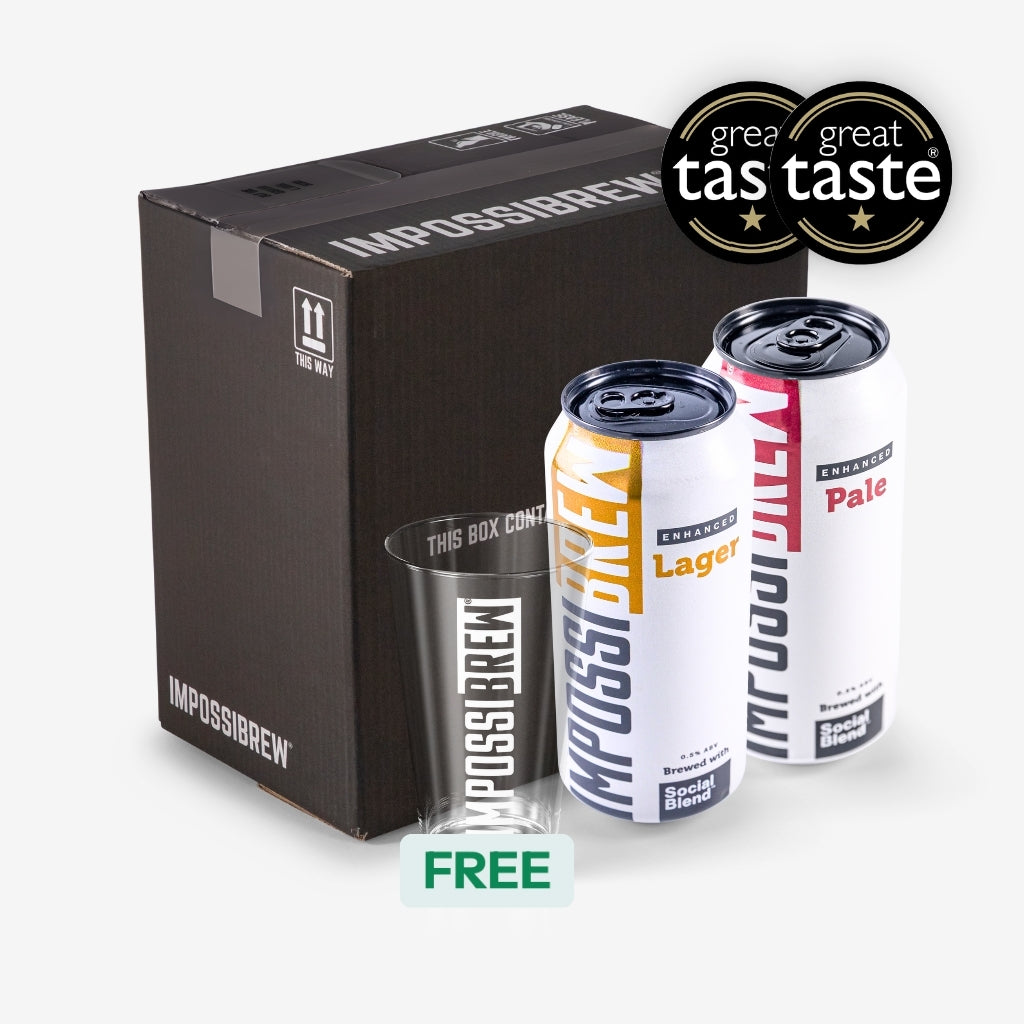
- Practical Option: Brands like IMPOSSIBREW® offer low-calorie, alcohol-free beers designed to support relaxation and recovery.
Studies, like the "Be-MaGIC" research, show that non-alcoholic beers can reduce inflammation and lower the risk of post-exercise illnesses. While not a replacement for proper hydration and nutrition, functional beers can complement recovery routines effectively.
Is Non-Alcoholic Beer a Healthy Drink?
Energy Metabolism: Do Functional Beers Restore Glycogen?
After an intense workout, your glycogen stores are left running on empty, and replenishing them quickly with carbohydrates is key. This is where functional beers - particularly non-alcoholic ones - can play a role.
Muscle glycogen is most effectively restored within the first two hours after exercise, regardless of insulin levels. Complete replenishment, however, can take up to 24–36 hours if you consume 7–12 grams of carbohydrates per kilogram of body weight during that period [5].
Carbohydrate Content in Functional Beers
Non-alcoholic beers typically contain 60–80 grams of carbohydrates per litre [4]. Timing is everything when it comes to carbohydrate intake. Research on Australian Rules football players has shown that consuming carbs within three hours of exercise significantly improves glycogen restoration [6]. For the best results, aim to consume about 1.2 grams of carbohydrates per kilogram of body weight within 30 minutes post-workout [2]. For someone weighing 70 kilograms, this translates to roughly 84 grams of carbs - an amount that can easily come from a well-designed functional beer.
The carbohydrates in these beers also aid hydration by promoting water absorption in the small intestine, thanks to a process called carrier-mediated water transport [4]. This dual benefit of energy replenishment and hydration makes them a practical recovery option.
How Alcohol-Free Formulations Affect Recovery
The absence of alcohol in functional beers offers a recovery advantage over traditional beers. Alcohol is known for its diuretic effects, which can lead to dehydration. Non-alcoholic beers, on the other hand, avoid this issue entirely [12], making them a smarter post-exercise choice.
David Nieman, a Professor of Biology and Human Performance at Appalachian State University, highlights this benefit:
"After long and vigorous exercise bouts, nonalcoholic beer provides water, polyphenols and carbohydrates, which together will aid metabolic recovery." [9]
Beyond hydration, non-alcoholic beers with adjusted carbohydrate compositions may improve how your body processes nutrients, speeding up recovery [11]. However, not all formulations are equal. Studies suggest that beers based on pilsener-style recipes or water tend to have more positive effects on glucose and fat metabolism compared to mixed or wheat-based varieties [8].
Johannes Scherr, chief physician at Balgrist University Hospital, supports this view:
"Nonalcoholic beer can be a reasonable recovery drink." [9]
Non-alcoholic beers also have a high glycaemic index - around 80 - due to their starch and oligosaccharide content [7]. While a high glycaemic index might be less desirable in other situations, it’s ideal after exercise when your muscles are primed to absorb carbs quickly.
In many ways, these beers are comparable to sports drinks, though they generally contain less sodium [10]. Interestingly, some research suggests that non-alcoholic beer can match or even outperform traditional sports drinks in terms of recovery, performance, and overall health benefits [9].
Caloric Content and Energy Support
Non-alcoholic beers typically provide 50–90 calories per 330 ml serving [12], delivering just enough energy without overloading your calorie intake. For comparison, a regular beer contains about 140 calories, which could account for around 7% of the average daily energy requirement [7].
For athletes and fitness enthusiasts, the combination of carbohydrates, electrolytes, and bioactive compounds in alcohol-free functional beers creates an ideal recovery environment. They provide the fuel your muscles need, help rehydrate your body, and avoid the negative effects of alcohol - all while letting you enjoy the taste and social aspects of beer. These benefits set the stage for exploring how functional beers also support hydration and muscle repair.
Hydration and Electrolyte Balance
After a workout, rehydrating isn’t just about drinking water - it’s about restoring fluids and essential electrolytes that your body loses through sweat. These minerals are critical for muscle function and recovery, making it important to choose the right hydration solution after exercise. Let’s take a closer look at why electrolytes matter and how different beverages compare for post-workout hydration.
The Role of Electrolytes in Recovery
Electrolytes like sodium, potassium, calcium, and magnesium play a key role in keeping your muscles contracting, your nerves firing, and your fluid levels balanced. When you sweat during intense exercise, you lose these minerals, and replacing them becomes essential. Research confirms that heavy sweating during exercise can lead to significant fluid and mineral loss [15].
Interestingly, some non-alcoholic beers are now being formulated with added electrolytes and natural minerals to support recovery [17]. For instance, functional beers often include ingredients like sea salts and fruit extracts to help replenish these lost nutrients. Studies also show that non-alcoholic beers can help stabilise plasma sodium levels - something that tends to drop when consuming water or alcoholic beer during exercise [15]. While the sodium content in non-alcoholic beers (around 80–100 mg/L) is lower than in many sports drinks (300–400 mg/L), the combination of electrolytes and natural carbohydrates in these beers still contributes positively to recovery.
Comparing Hydration Solutions
When it comes to post-exercise rehydration, the effectiveness of a beverage depends on factors like alcohol content, electrolyte levels, and other ingredients. A 2013 study by Dr Ben Desbrow from Griffith University tested a reduced-alcohol beer enriched with electrolytes to see how it impacted hydration. The results? Both a "light" beer and a specially designed salty, watered-down beer outperformed regular beer in rehydrating participants.
Here’s how different drinks stack up:
| Beverage Type | Alcohol Content | Sodium (mg) | Potassium (mg) | Energy (Kcal) | Water Content (g) |
|---|---|---|---|---|---|
| Beer-stout | 6.15g | 11.5 | 92 | 67 | 88.5 |
| Regular beer | 3.96g | 4.4 | 37 | 42 | 92.4 |
| Low-alcohol beer | 3.5g | 7 | 34 | 34 | 97.7 |
| Sports drink | 0g | 24 | 2.2 | 32 | 92.1 |
Low-alcohol beers, with water content as high as 97.7 g, offer better hydration by reducing the dehydrating effects of alcohol. Dr Ben Desbrow, a sports nutritionist, highlighted the potential of these beverages:
"A properly formulated beer beverage is likely to do you no more harm than you are likely to get from a sports drink. In fact, it probably is likely to do you more good, because it's got a lot of these sort of natural compounds, like polyphenols, that are actually good for your health." [13]
Alcohol content is a crucial factor here. Studies show that isotonic sports drinks retain 42% of fluids, while full-strength beer retains just 21% [4]. Another study found that beer with a reduced alcohol level (2.3% ABV) and added salt provided better hydration than traditional ale [13]. Functional beers often have an ABV of 2–3% [14], compared to the 4–6% ABV found in regular beers [14]. This combination of lower alcohol and added electrolytes makes these beers effective for post-workout recovery.
For those in the UK, functional beers with low alcohol content and enhanced mineral profiles offer a refreshing and recovery-friendly option. Alongside hydration, these beers provide natural polyphenols and carbohydrates, which can help replenish energy after exercise. These benefits align perfectly with the recovery-enhancing properties of functional beers discussed earlier.
sbb-itb-a752bf8
Muscle Repair and Immune Support
Functional beers aren't just about energy and hydration recovery - they also play a role in muscle repair and strengthening the immune system. Packed with bioactive compounds, these beverages can help reduce inflammation and enhance your body's natural defences, which is especially important after intense workouts when your immune system might be under strain.
Bioactive Compounds and Their Benefits
Functional beers are rich in bioactive compounds like polyphenols, vitamins, minerals, and plant-based nutrients that work together to aid recovery and ease exercise-induced inflammation.
Polyphenols, found in hops and malt, are particularly noteworthy. They help regulate inflammation at the cellular level and even offer antiviral properties. Non-alcoholic beers are an excellent source of these compounds, as they avoid the inflammatory effects associated with alcohol.
Silicon is another key player, supporting bone health and strengthening connective tissues - essential for athletes who put consistent stress on their bodies through training [12]. Meanwhile, B vitamins, particularly B9 and B12, contribute to energy metabolism and muscle repair, making them crucial for recovery [1].
Dr. Jackie S. Womble highlights why non-alcoholic beers are a better choice for recovery:
"Since alcohol can decrease testosterone and growth hormone, as well as enzymes important for muscle growth, drinking a non-alcoholic beer can allow an athlete to get the most out of workouts and be better prepared for optimal recovery. Non-alcoholic beer is usually higher in carbohydrates, which are necessary for optimal recovery as glycogen stores need to be replenished." [19]
This combination of nutrients, along with electrolytes, creates an ideal environment for post-exercise recovery.
Functional Beers and Immune Health: What the Research Shows
Scientific research has shown clear immune-supporting benefits of functional beers, particularly for endurance athletes who often face a higher risk of illness due to rigorous training. One standout study, the "Be-MaGIC" study by Johannes Scherr and David Nieman, provides compelling evidence.
In this study, 277 marathon runners consumed up to 1.5 litres of non-alcoholic Erdinger beer or a placebo daily for three weeks before and two weeks after the 2009 Munich Marathon. The results were striking: athletes who drank non-alcoholic beer experienced a 20% reduction in inflammation markers (specifically white blood cell activity) and reported significantly fewer upper respiratory infections [1][16]. This reduction in inflammation not only aids muscle repair but also speeds up overall recovery.
Even more impressive were the immune benefits. Athletes who consumed 1.5 litres of non-alcoholic beer daily had a 3.25 times lower risk of upper respiratory infections compared to those who didn’t [18]. For athletes, this is a game-changer, as such infections are a major cause of training interruptions.
The study also highlighted the impact of alcohol on recovery. Injury rates were 54.8% for athletes who consumed alcohol, compared to just 23.5% for non-drinkers [19]. This stark difference underscores why non-alcoholic beers are a smarter choice for recovery.
The benefits of functional beers aren’t limited to professional athletes. Bioactive compounds like polyphenols act as prebiotics and help regulate immune responses [20]. These compounds also provide antioxidant and anti-inflammatory effects, making them beneficial for anyone with an active lifestyle [20]. Additionally, hop extracts have been shown to reduce pro-inflammatory cytokines [20], which are molecules that promote inflammation. Combined with the natural electrolytes in these beers, they offer a well-rounded recovery solution.
Real-World Applications in Sports
These scientific findings have not gone unnoticed in the sports world. German breweries, for instance, have embraced the research to market functional beers as recovery drinks. Erdinger Alkoholfrei promotes its non-alcoholic wheat beer as an "isotonic thirst quencher for athletes" [1]. At the 2017 Berlin Marathon, 30,000 bottles of Erdinger were handed out, and podium finishers were celebrated with the drink [1]. Similarly, Krombacher 0% partnered with the Association of German Cyclists (BDR) in 2018 and supplied around 3,500 litres of non-alcoholic beer to athletes at the Pyeongchang Winter Olympic Games [1].
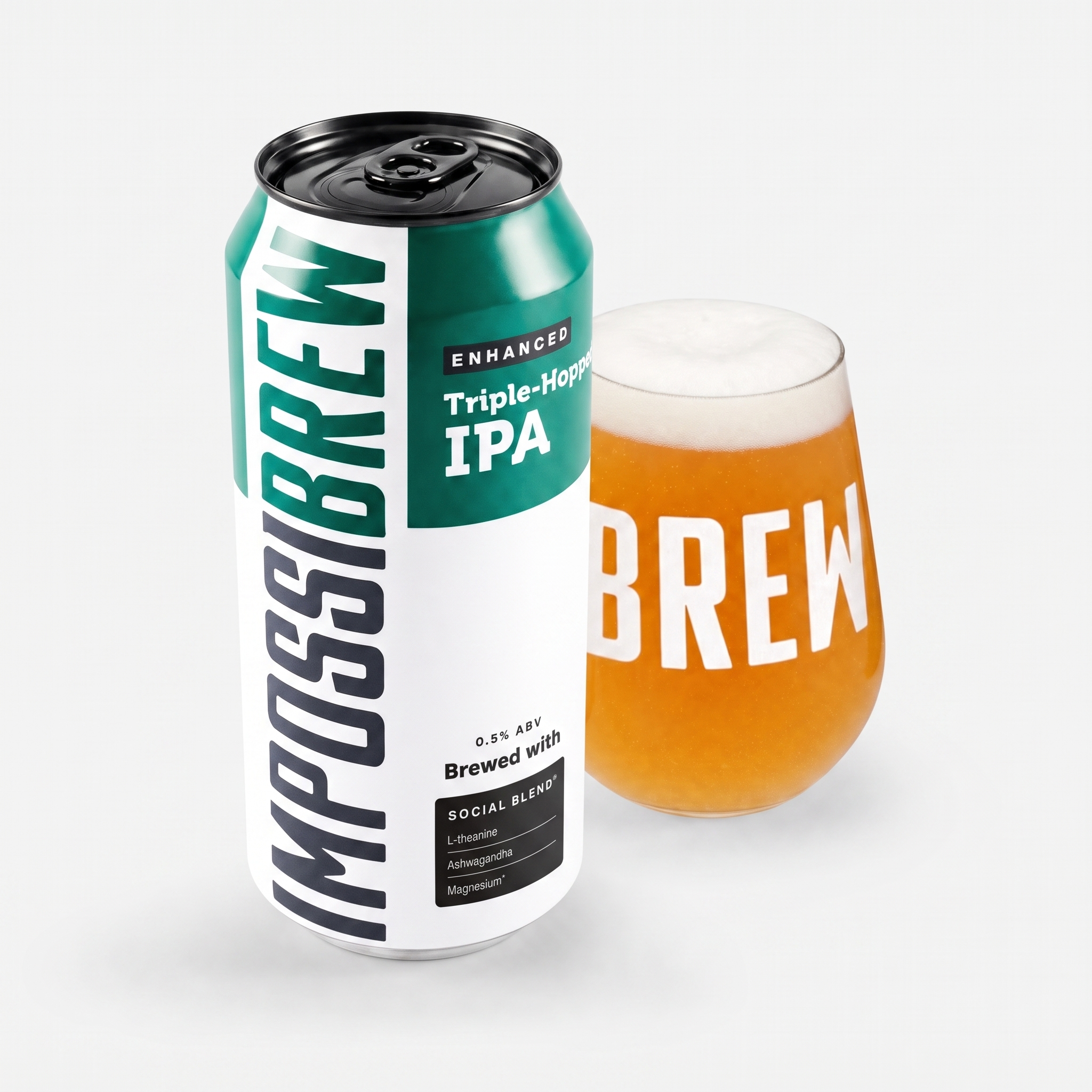
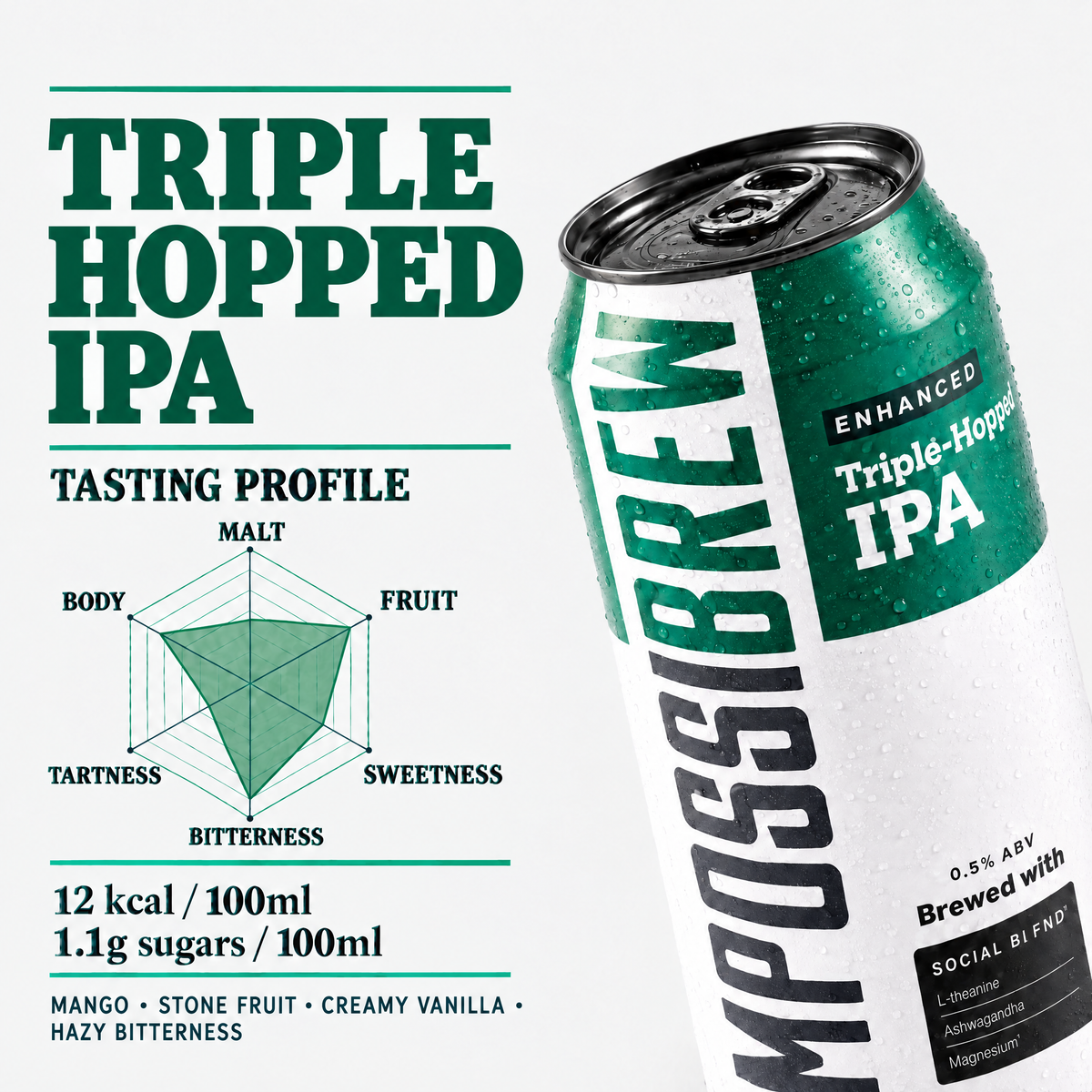
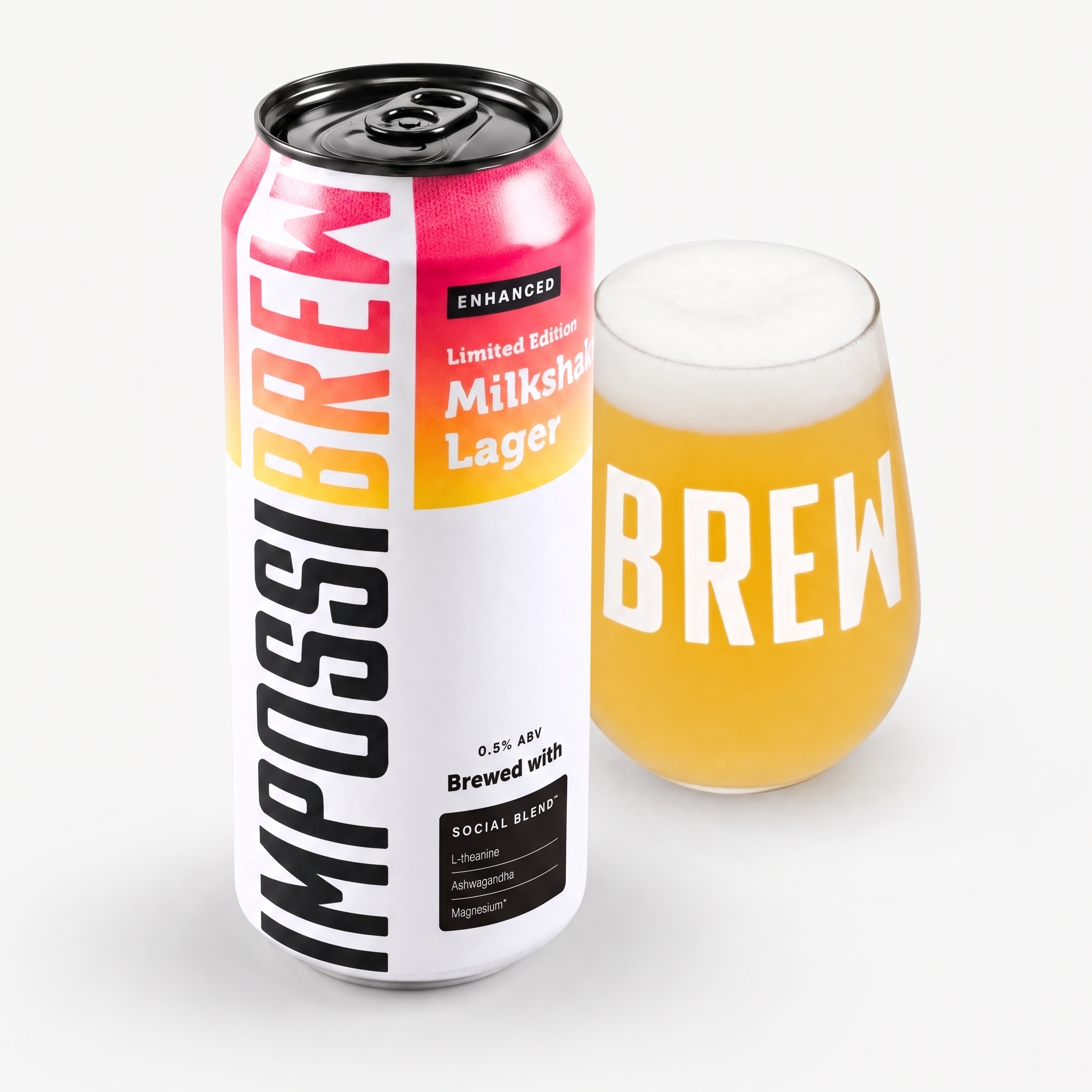
In the UK, brands like IMPOSSIBREW® are bringing these benefits to local athletes, showcasing that functional beers are more than just a concept - they’re practical tools for recovery. With their ability to support muscle repair, boost immune function, and provide the satisfaction of a beer-like experience, they’re becoming a popular choice for those looking to optimise their post-workout routine.
Functional Beers: A Look at IMPOSSIBREW®
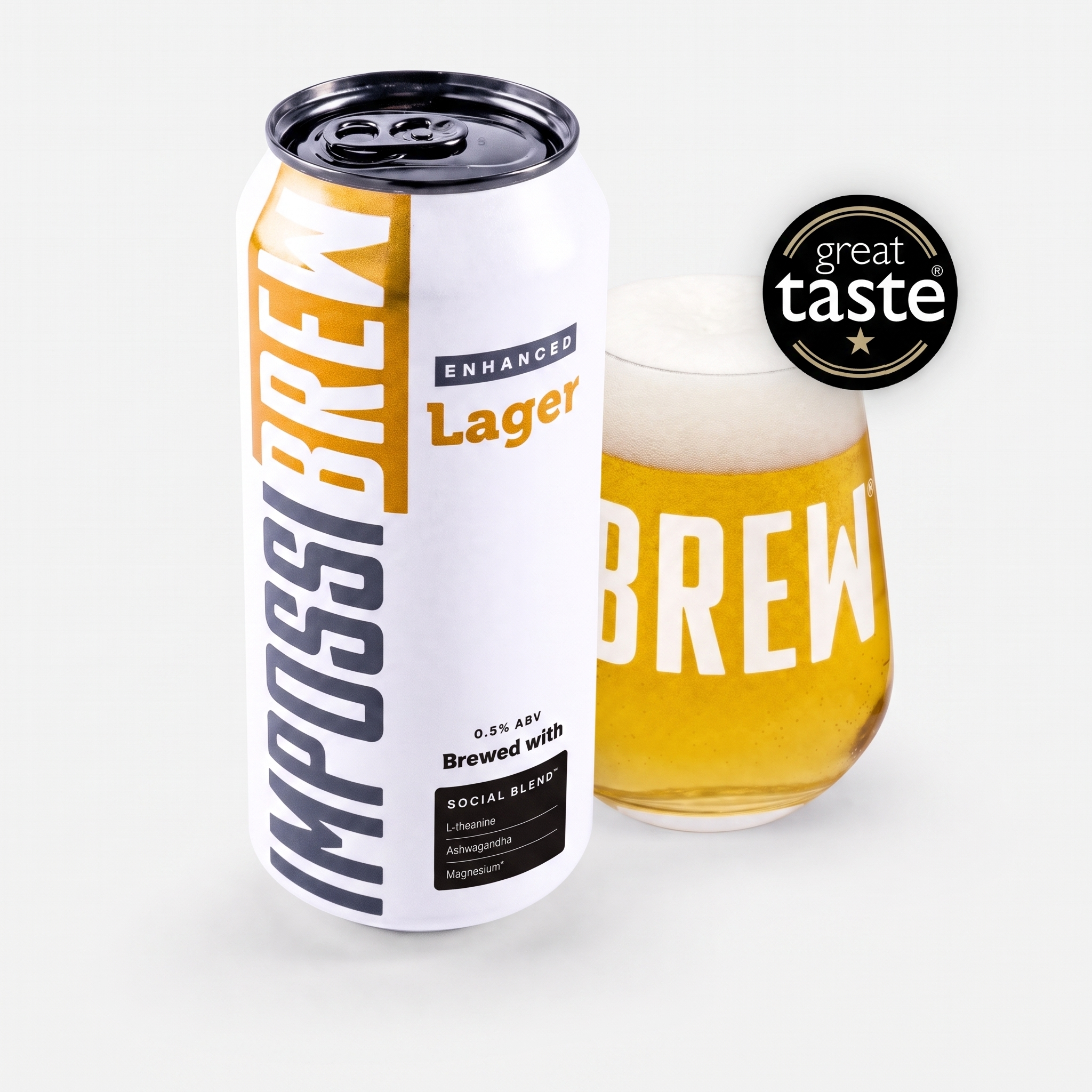
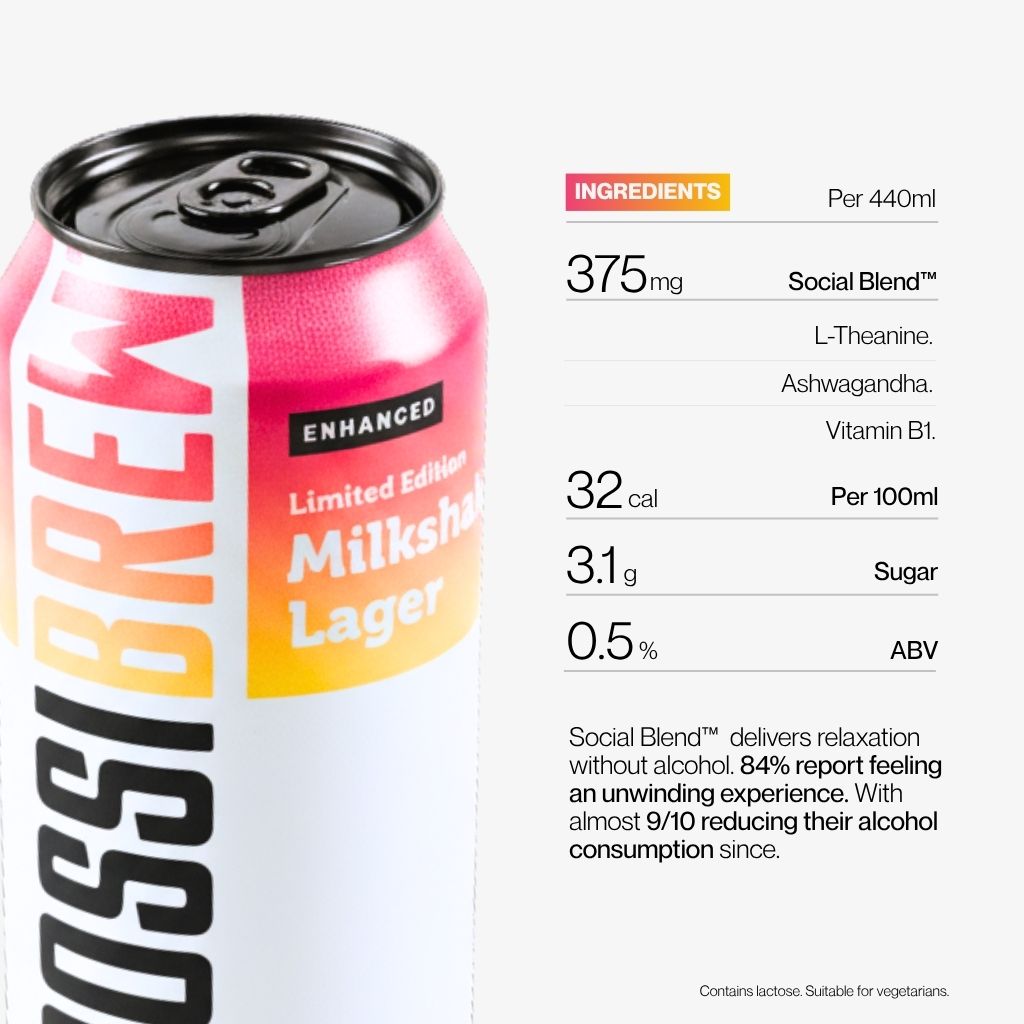
Building on the earlier discussion about energy metabolism and recovery, IMPOSSIBREW® stands out as a prime example of how science and taste can come together in the world of functional beers. This UK-based brand has developed an innovative approach with its Social Blend™, a unique formula designed to mimic the relaxing effects of traditional beer, all without the drawbacks of alcohol. For athletes and fitness enthusiasts in the UK, this makes IMPOSSIBREW® an appealing option for post-workout recovery.
What Makes IMPOSSIBREW® Special?
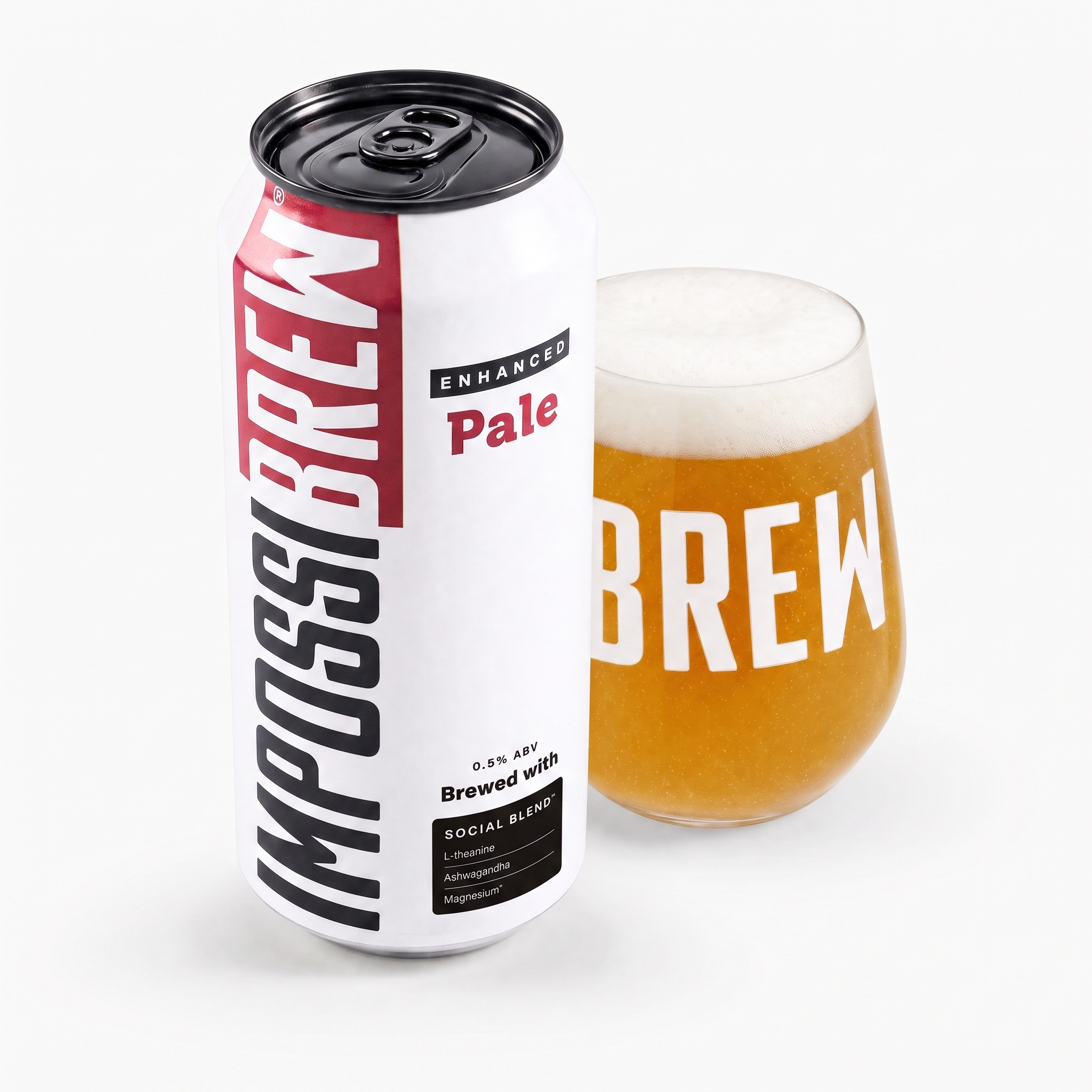
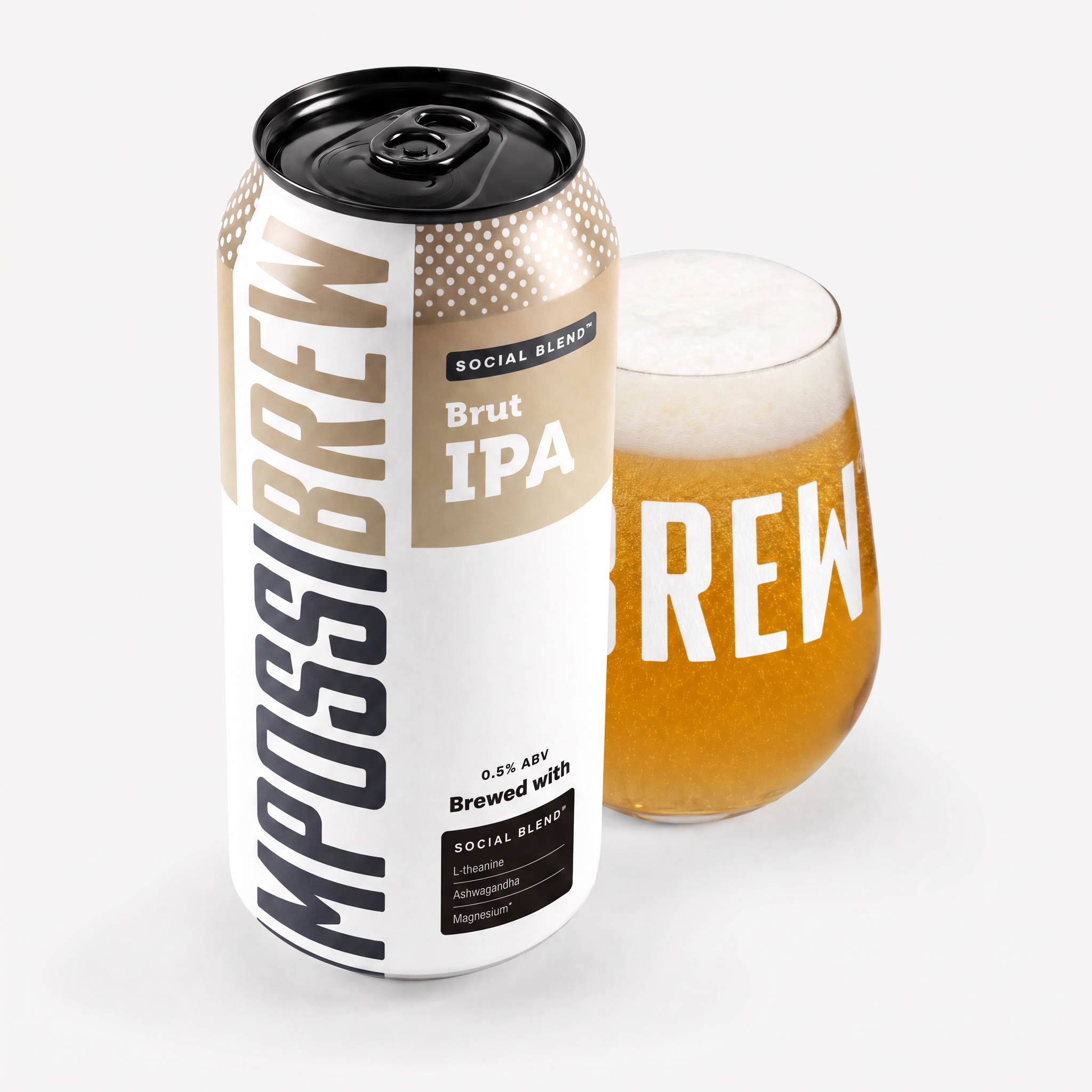
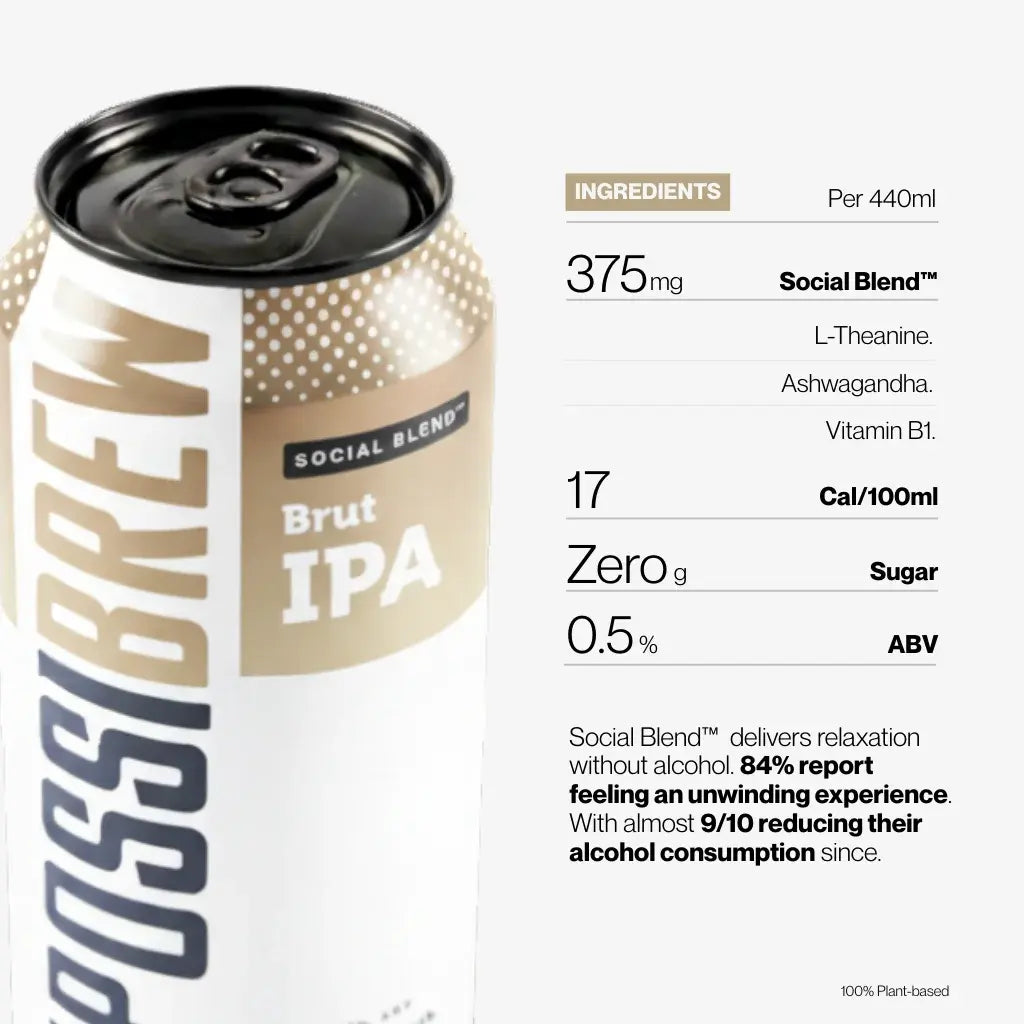
At the heart of IMPOSSIBREW®'s innovation is their Social Blend™ technology, which combines nootropics and adaptogens to promote relaxation. Key ingredients include L-Theanine, Ashwagandha, Vitamin B1, and specific plant extracts. Together, these components are designed to support focus, manage stress, and aid recovery after exercise [23].
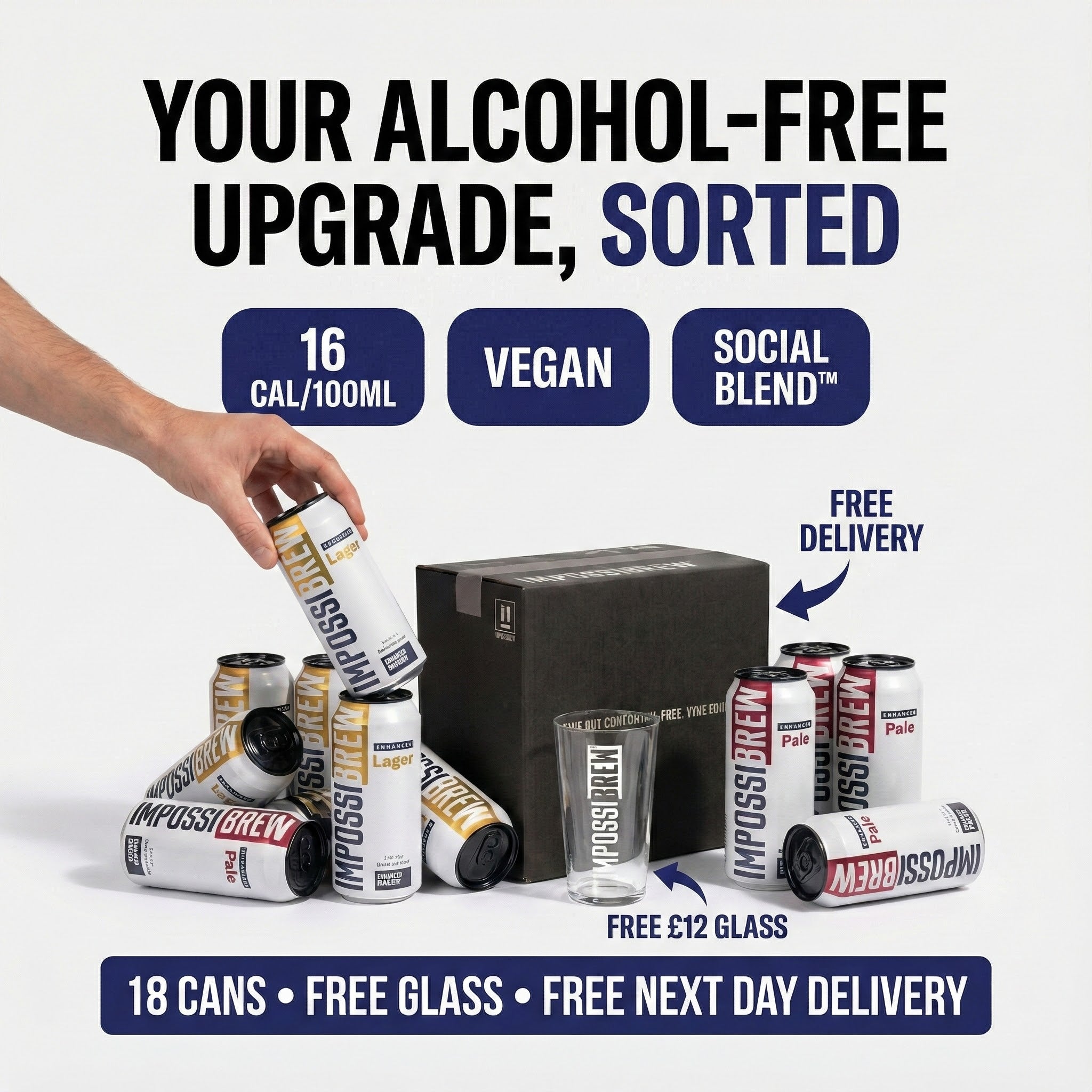
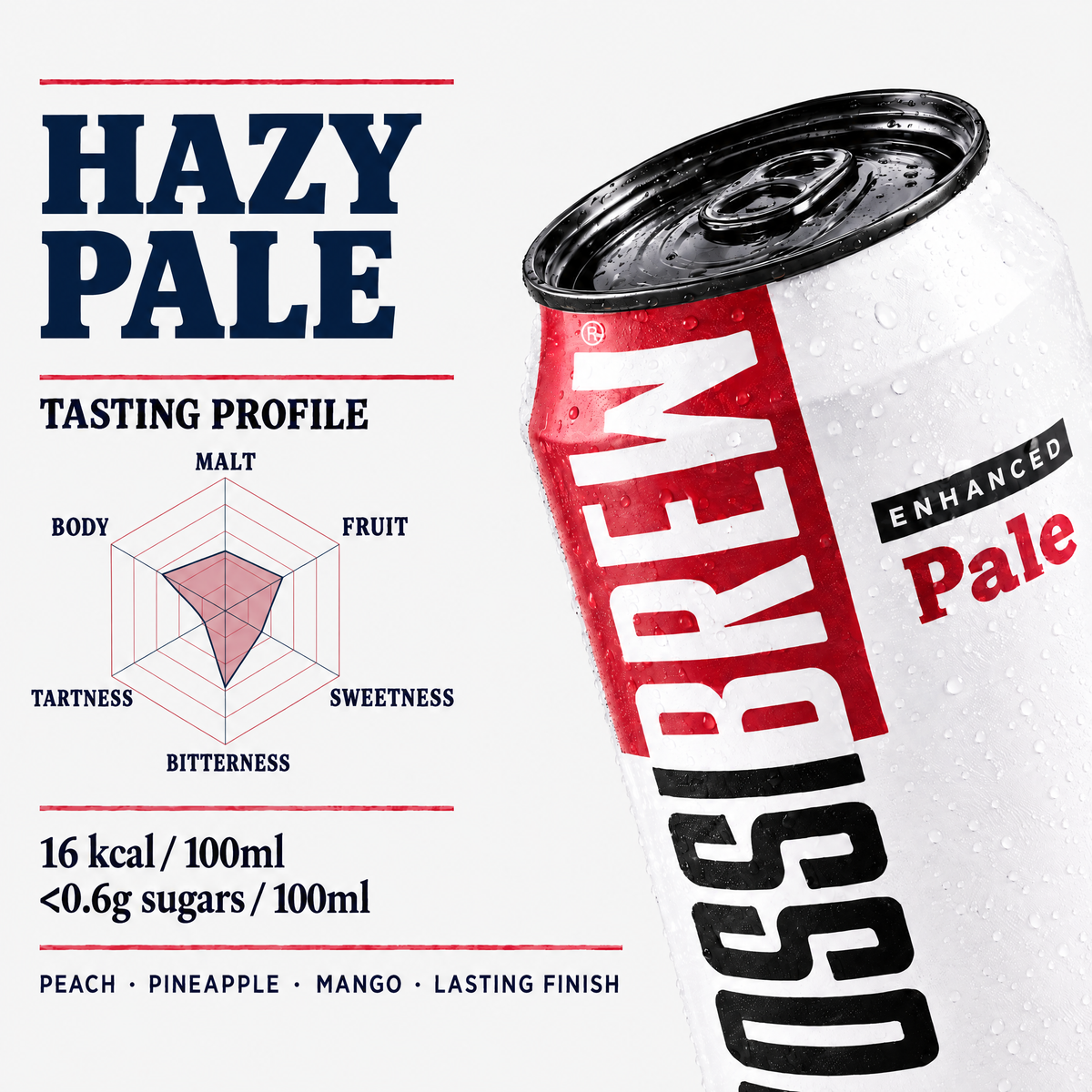
Despite being alcohol-free, IMPOSSIBREW® retains the authentic taste of beer while offering added health benefits. Their products are gluten-free, vegan-friendly, and low in calories. For instance, the Enhanced Hazy Pale contains just 27 calories per 440ml can, making it a great option for those keeping an eye on their caloric intake [24].
The brand also uses a specialised brewing process that preserves the natural benefits of hops and malt, rather than removing or diluting alcohol. This method ensures the retention of polyphenols, compounds found in hops and malt that are known for their anti-inflammatory properties [21].
What Do Customers Say?
The impact of IMPOSSIBREW® is reflected in customer feedback. Surveys reveal that 71% of users feel more relaxed after drinking it, and 88% have reduced their alcohol consumption since discovering the brand [22]. Additionally, an impressive 95% of customers recommend it to others after trying it [22].
The brand’s quality hasn’t gone unnoticed by industry experts either. IMPOSSIBREW® has been crowned "UK's Best Non-Alcoholic Beer" by the World Beer Awards and holds the distinction of being the first and only Gold Medal winner in the No/Low beer category at the London Beer Competition [22]. With over 1,000 reviews and an average rating of 4.8/5, it’s clear that consumers appreciate both its taste and benefits [21].
Even press reviews have been glowing. For instance, Deborah Meaden, a Dragons' Den investor, commented:
"It tastes lovely, it really tastes good." [22]
Tips for UK Consumers
IMPOSSIBREW® offers several practical benefits for those looking to incorporate it into their routine. UK customers can enjoy free shipping on orders over £35 [22].
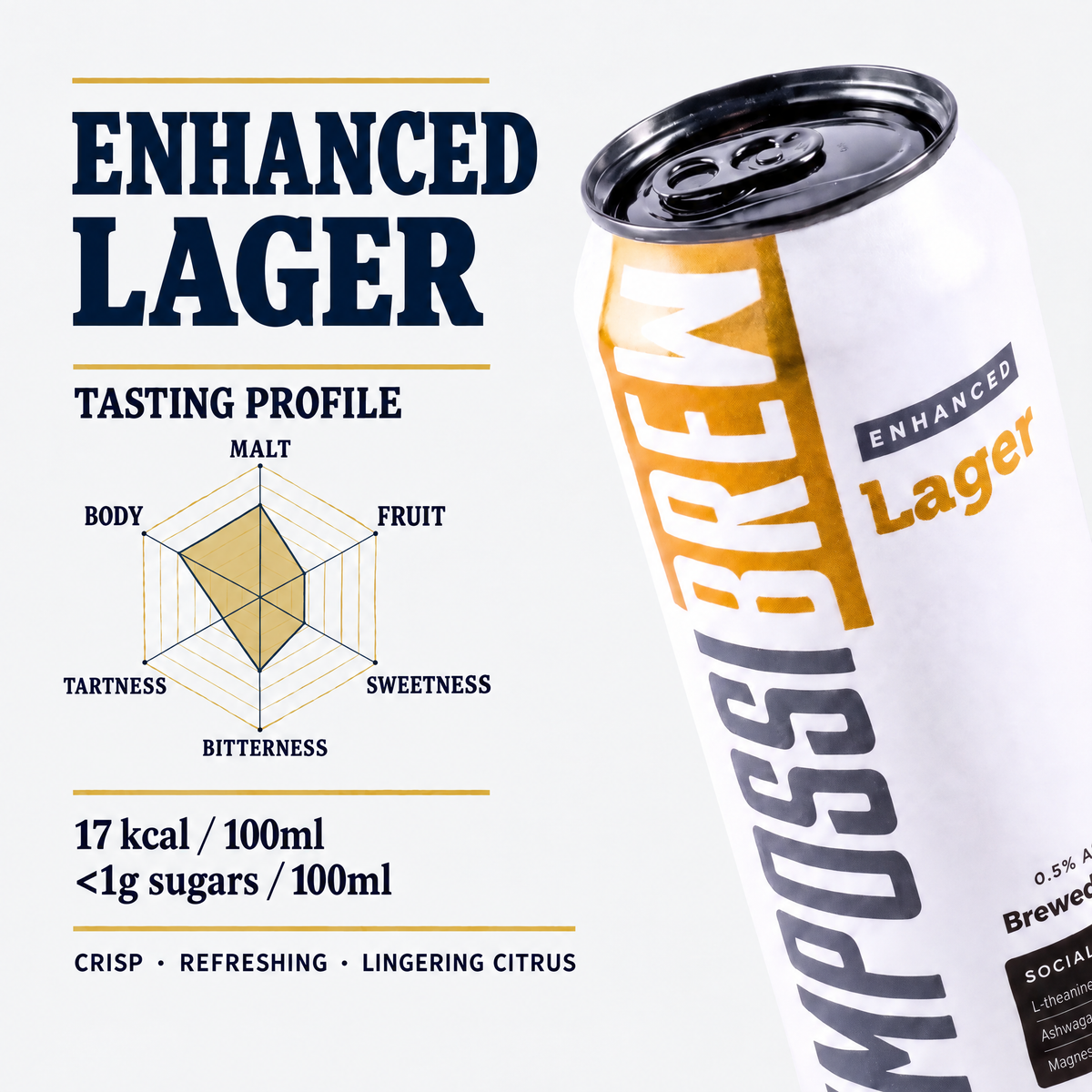
While it’s not a substitute for proper hydration or a balanced post-workout meal, IMPOSSIBREW® can complement recovery strategies. Its low carbohydrate content aids glycogen replenishment, while the Social Blend™ ingredients help with relaxation and stress relief after intense exercise.
For those exploring functional beers for the first time, the Bestseller Bundle is a fantastic starting point. Priced at £49.99, it includes nine Enhanced Lagers, nine Enhanced Hazy Pales, a free glass, and a tasting guide [22]. This bundle offers a chance to sample the range and find the best fit for your recovery routine.
It’s worth noting that while IMPOSSIBREW® is suitable for gluten-sensitive and vegan consumers, it’s not recommended for pregnant or breastfeeding women or individuals with certain health conditions. If you’re unsure about how it might fit into your health regimen, consulting a healthcare provider is always a good idea.
Conclusion: Adding Functional Beers to Recovery
Functional beers bring together the benefits of recovery and the enjoyment of a social drink, making them a unique option for post-exercise routines. Research suggests that alcohol-free functional beers can help restore glycogen through carbohydrates, replenish electrolytes for hydration, and provide compounds that may reduce stress and inflammation. Products like IMPOSSIBREW® even incorporate additional ingredients designed to promote relaxation. Studies also indicate that low-alcohol beers (under 4% ABV) hydrate as effectively as water, while non-alcoholic versions avoid the diuretic effects of alcohol, which can otherwise hinder recovery [25].
What makes functional beers stand out is their ability to address both physical recovery and the psychological satisfaction of enjoying a beer. This dual benefit is supported by experts like Brad Schoenfeld, PhD, who advises for Men’s Health:
"If alcohol-free beer encourages people to rehydrate after a workout, then that's a good thing." [3]
Additionally, the natural polyphenols found in these beers may help combat exercise-related inflammation [2].
Key Takeaways
- Functional beers, such as IMPOSSIBREW®, can complement recovery routines when aligned with individual fitness goals.
- They are most effective when used alongside a balanced recovery plan that includes proper hydration and nutrition.
- These beers should not replace traditional recovery strategies but can act as a helpful supplement.
- For optimal results, aim to consume approximately 1.2g of carbohydrates per kg of body weight within 30 minutes post-exercise [2].
- For those in the UK, functional beers offer a practical alternative to sports drinks, combining lower calorie options with ingredients that promote relaxation.
Incorporating functional beers into your recovery strategy can provide both physical benefits and a sense of enjoyment, making them a refreshing addition to a well-rounded post-exercise routine.
FAQs
Are functional beers a good option for recovery after exercise?
Functional beers, especially non-alcoholic ones, are emerging as an interesting option for post-exercise recovery. They’re packed with ingredients like B vitamins, plant fibres, and polyphenols, which can aid in hydration, electrolyte balance, and muscle recovery. These natural compounds are believed to support energy production, ease oxidative stress, and help the body recover more effectively.
While traditional sports drinks are great for quickly restoring electrolytes, functional beers add an extra layer of benefits thanks to their bioactive, natural components. This makes them an appealing choice for those looking for a refreshing way to stay hydrated and enhance their recovery after a workout.
Can functional beers support recovery after exercise?
Functional beers, especially non-alcoholic varieties, can be a helpful addition to your post-workout recovery routine. They provide hydration, carbohydrates, and electrolytes - key components that help restore energy and aid muscle repair after exercise. That said, think of them as a supplement, not a substitute, for the basics like drinking water and eating a balanced meal.
If you're considering functional beers with alcohol, tread carefully. Too much alcohol can actually work against your recovery by slowing hydration and interfering with muscle repair. To get the best out of your recovery, combine functional beers with plenty of water and nourishing food for a more complete approach.
What ingredients in functional beers support muscle recovery and immunity after exercise?
Functional beers are crafted to include ingredients that support muscle recovery and boost immunity after exercise. They often feature antioxidants like flavonoids and ferulic acid, derived from hops, which help combat oxidative stress. Alongside these, essential minerals such as potassium, magnesium, sodium, and calcium are included to aid rehydration and assist in muscle repair.
Some varieties go a step further by incorporating bioactive compounds like spirulina. This ingredient is known for its anti-inflammatory properties and its role in bolstering the immune system. Together, these components can help improve energy metabolism, speed up recovery, and contribute to overall wellness after a workout.