
Non-alcoholic beer is more popular than ever, but old myths still persist. Here's what you need to know:
- Taste has improved: Modern brewing techniques deliver rich, complex flavours comparable to regular beer.
- Not completely alcohol-free: Most non-alcoholic beers contain up to 0.5% ABV, similar to orange juice or ripe bananas.
- Social benefits exist: These drinks offer a relaxing, inclusive option for gatherings without the effects of alcohol.
- Health perks: Fewer calories, added nutrients, and hydration benefits make them a smart choice for wellness-focused individuals.
- Not just for abstainers: Many drinkers choose non-alcoholic beer for lifestyle reasons, such as fitness or mindful drinking.
Non-alcoholic beer has evolved into a versatile option that balances great flavour, low alcohol, and health-conscious benefits.
Beer Myths Debunked: O'Douls, Budweiser Zero, Busch NA
1. Non-Alcoholic Beer Has Poor Taste
The idea that non-alcoholic beer lacks flavour is rooted in outdated brewing methods. Early techniques, such as skipping fermentation or diluting regular beer, often resulted in overly sweet drinks that fell short on depth and complexity [1]. But modern brewing has come a long way, and this outdated notion no longer holds true.
Thanks to advancements in brewing technology, today’s non-alcoholic beers deliver rich, complex flavours that rival their alcoholic counterparts. These innovations allow brewers to craft beverages that maintain the depth and character beer enthusiasts expect.
Clark Danderson, Assistant Professor of Hospitality Management and Director of Brewing Science and Operations at Auburn University, highlights this transformation:
"Many recent technological advances in production help nonalcoholic beer maintain fermentation characteristics derived from the malts, hops and yeast, thus providing a more balanced and pleasant product that tastes like 'real' beer." [1]
Techniques like vacuum distillation and reverse osmosis have been game-changers, helping to preserve the intricate flavours that make beer enjoyable [1].
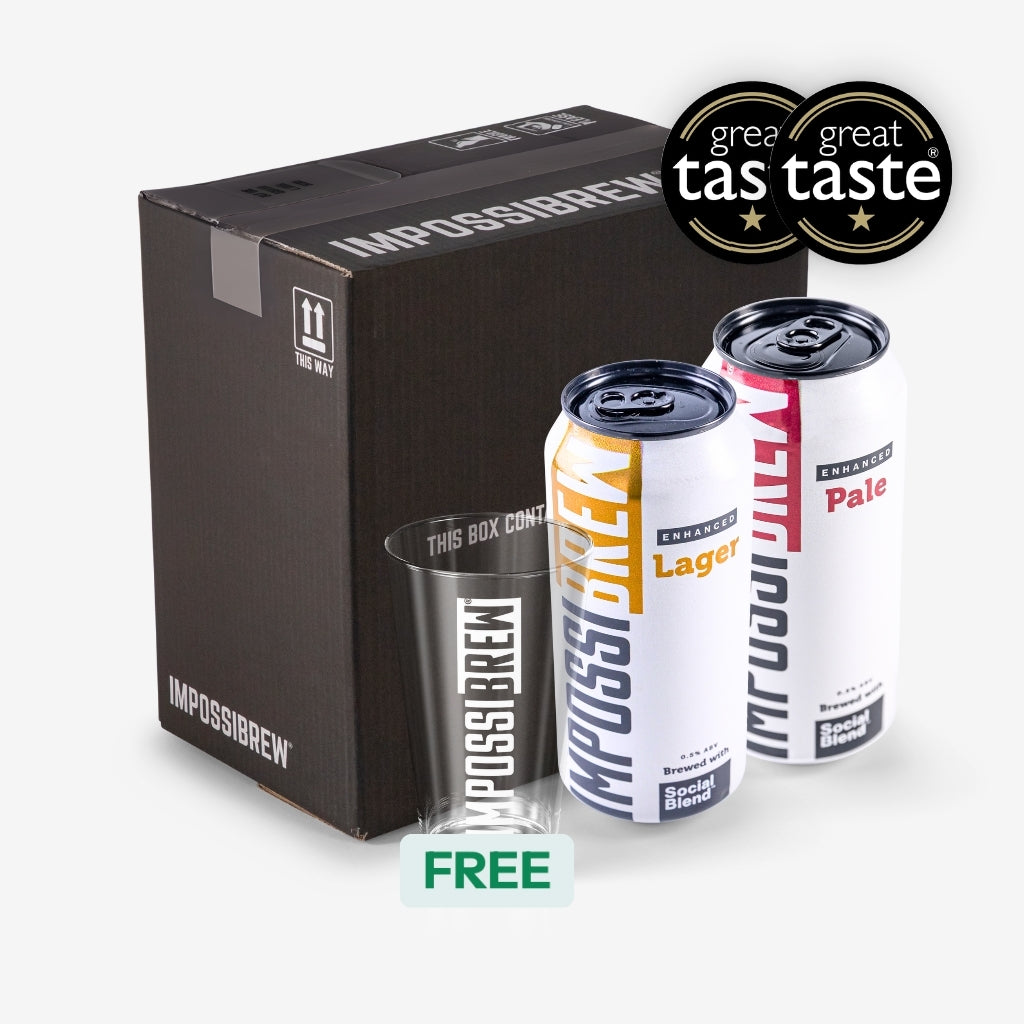
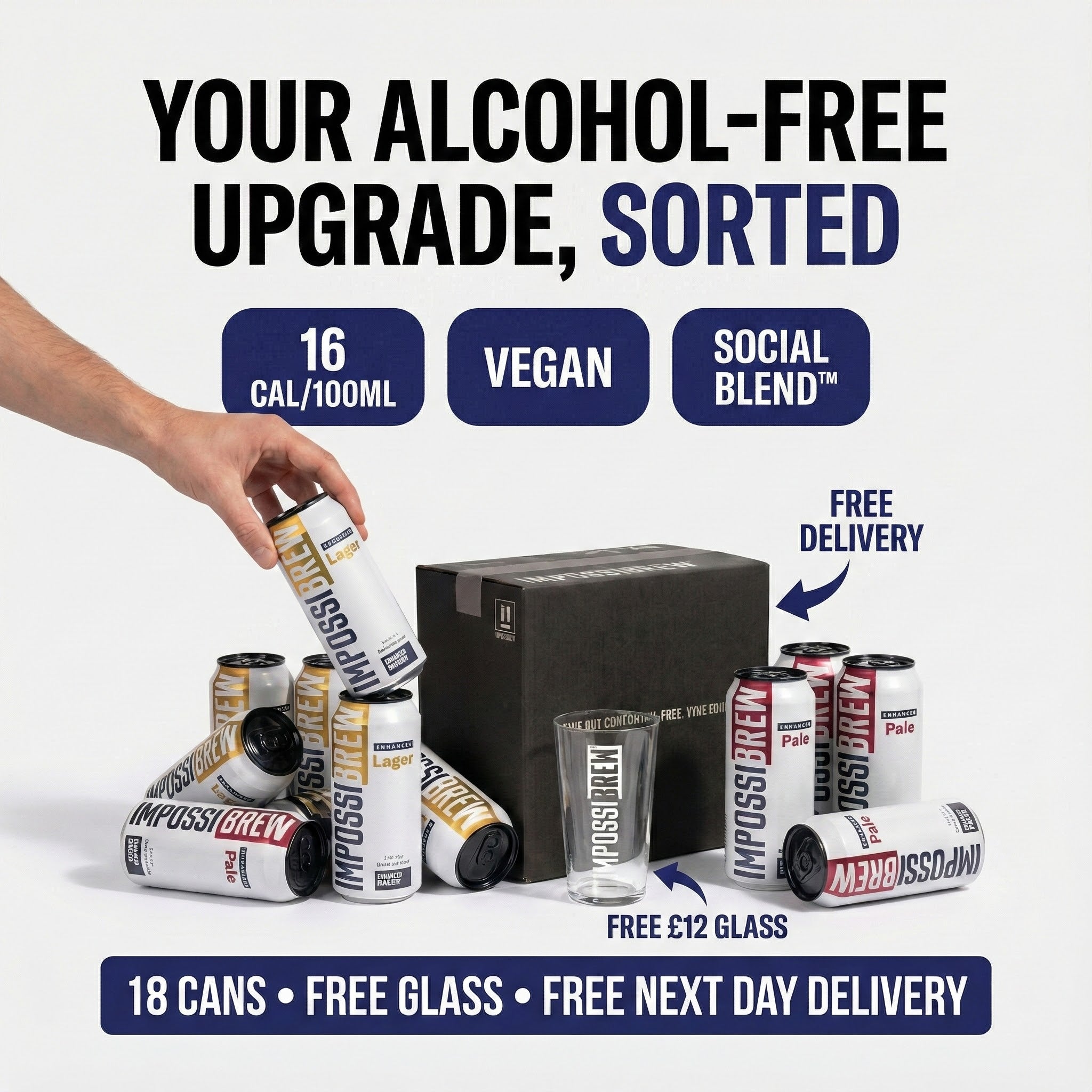
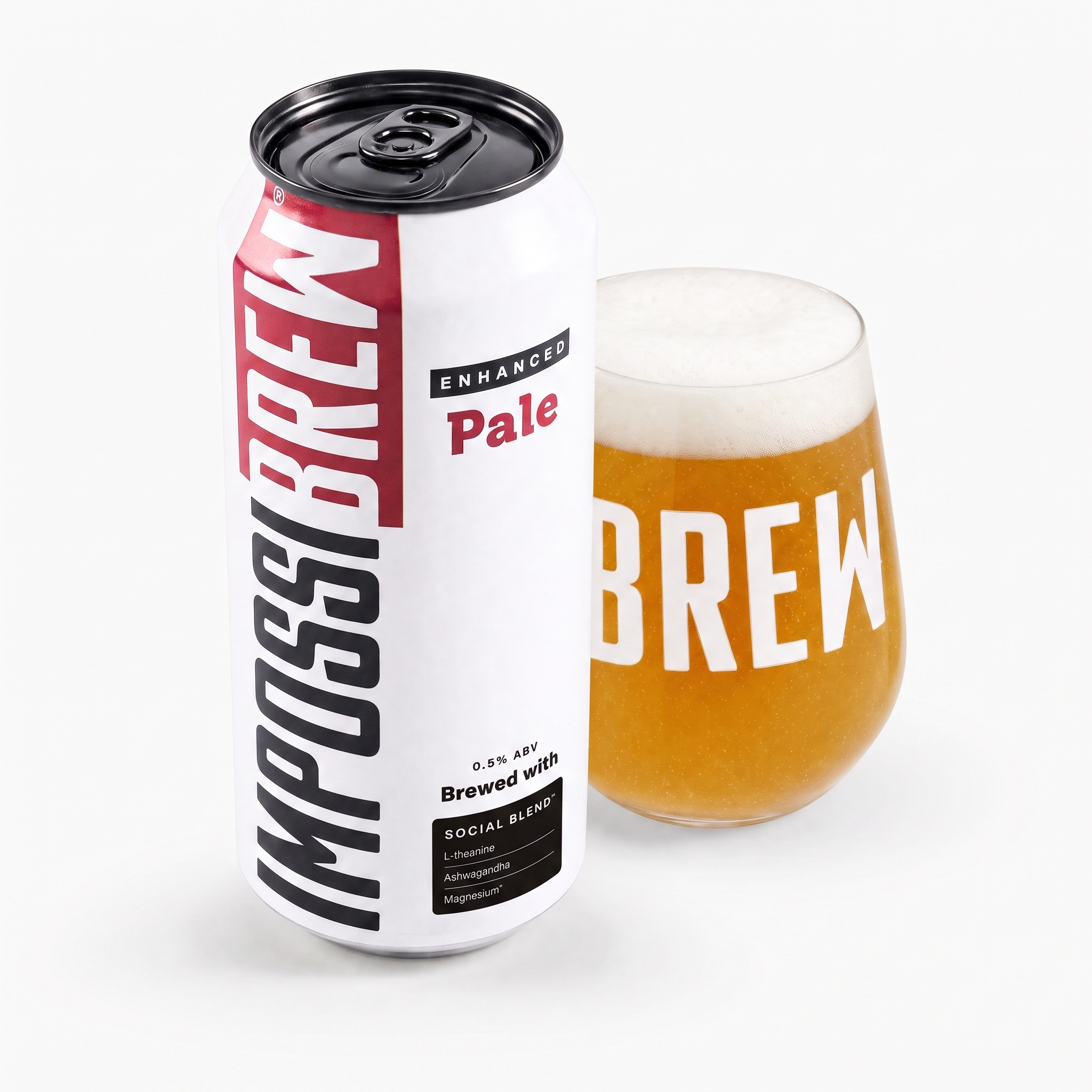
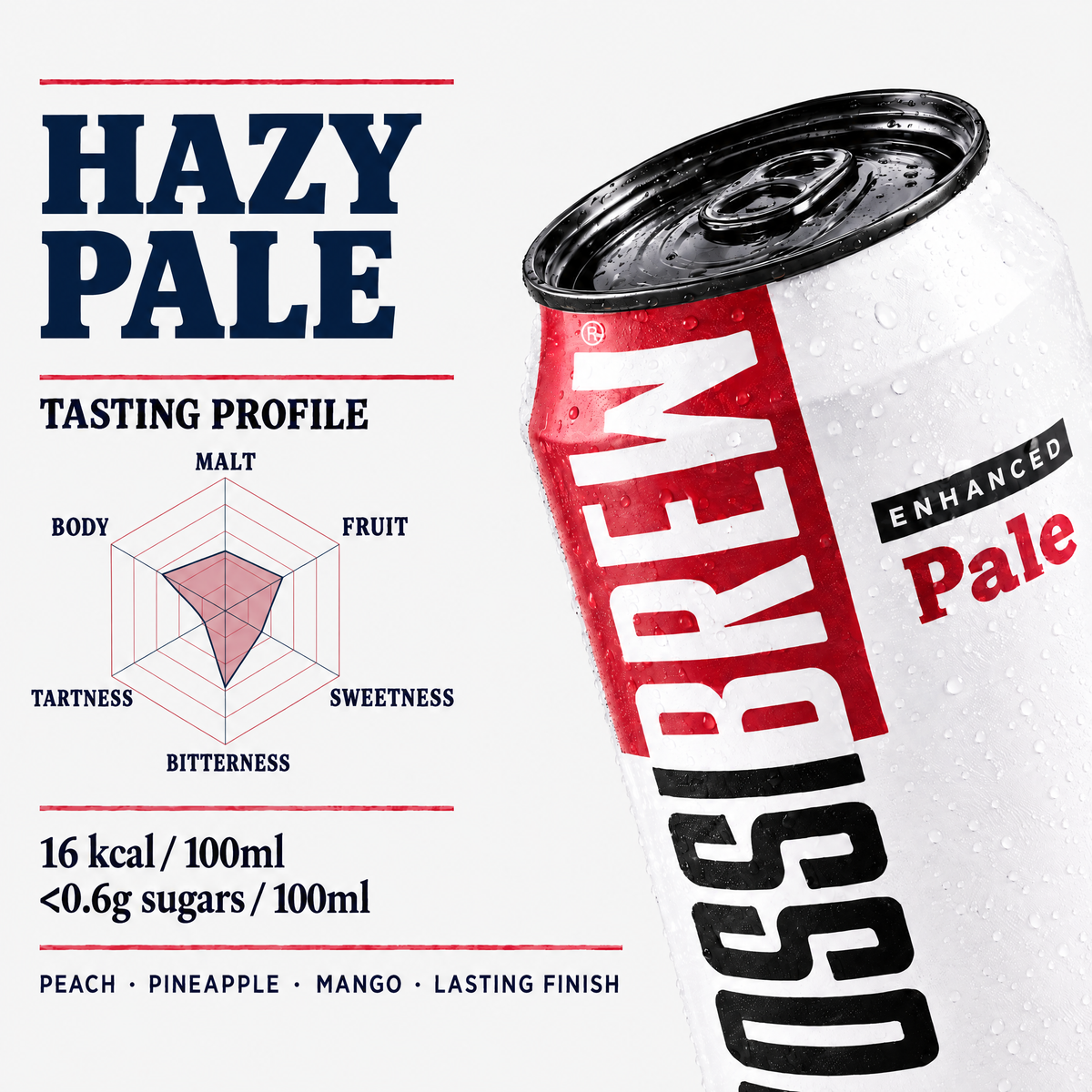
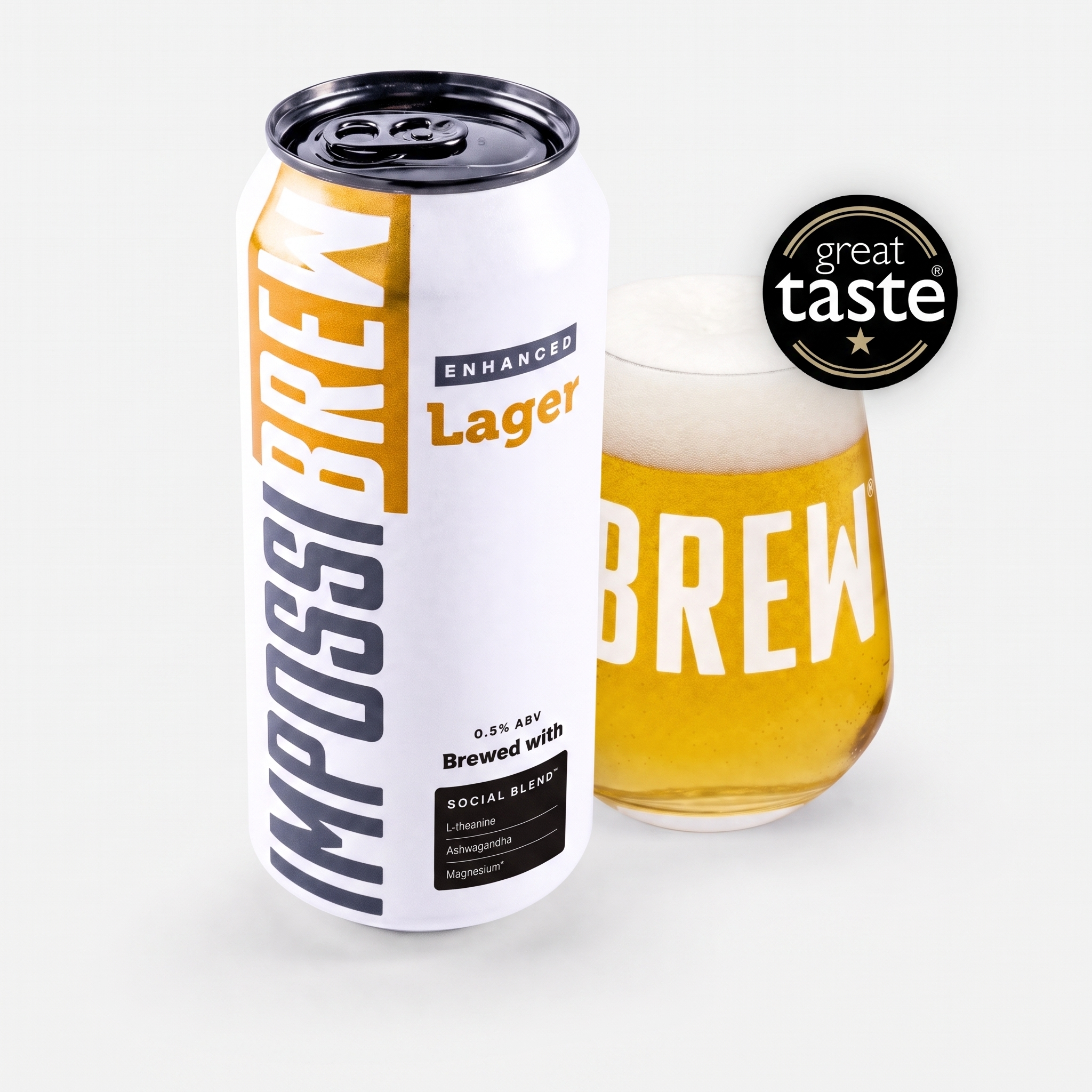
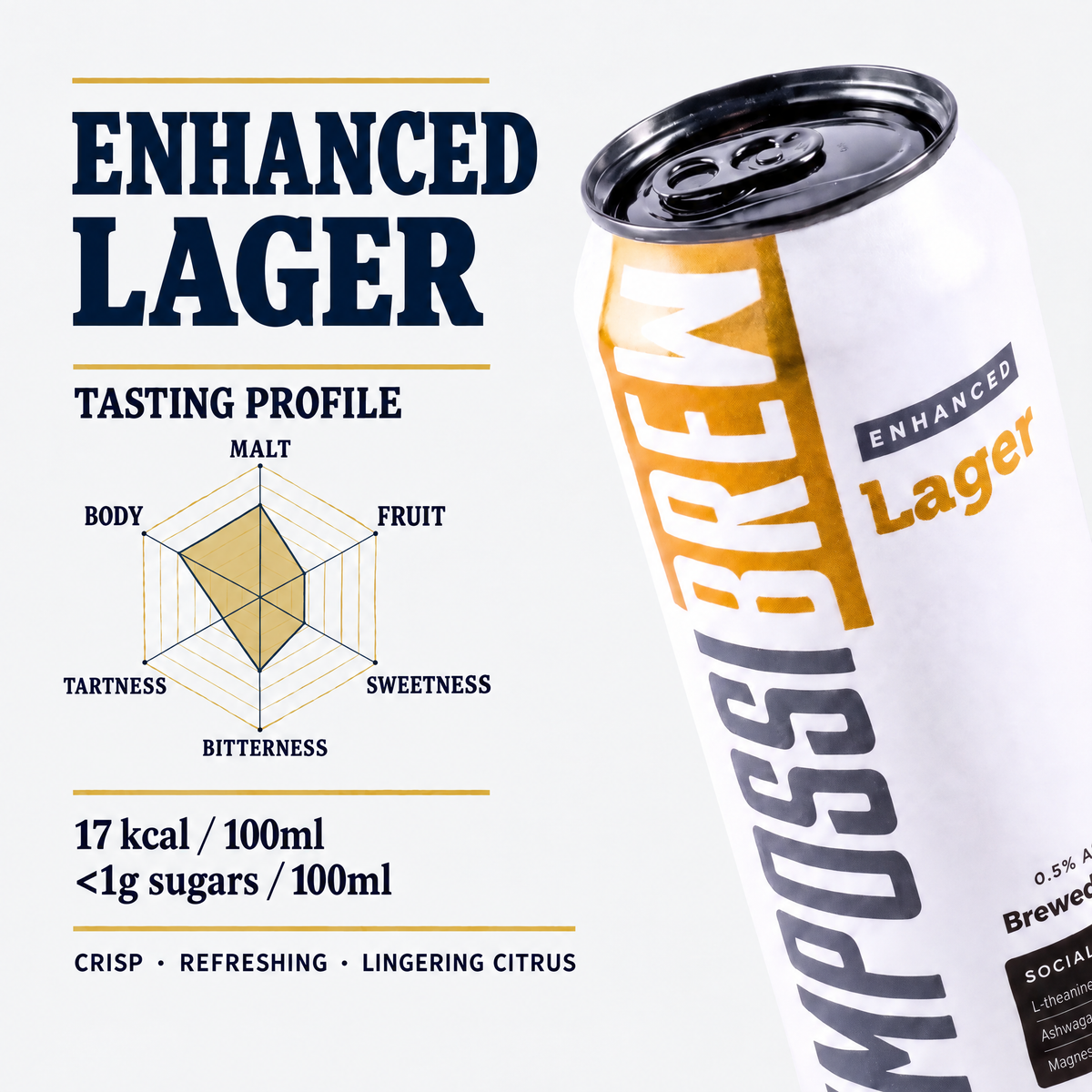
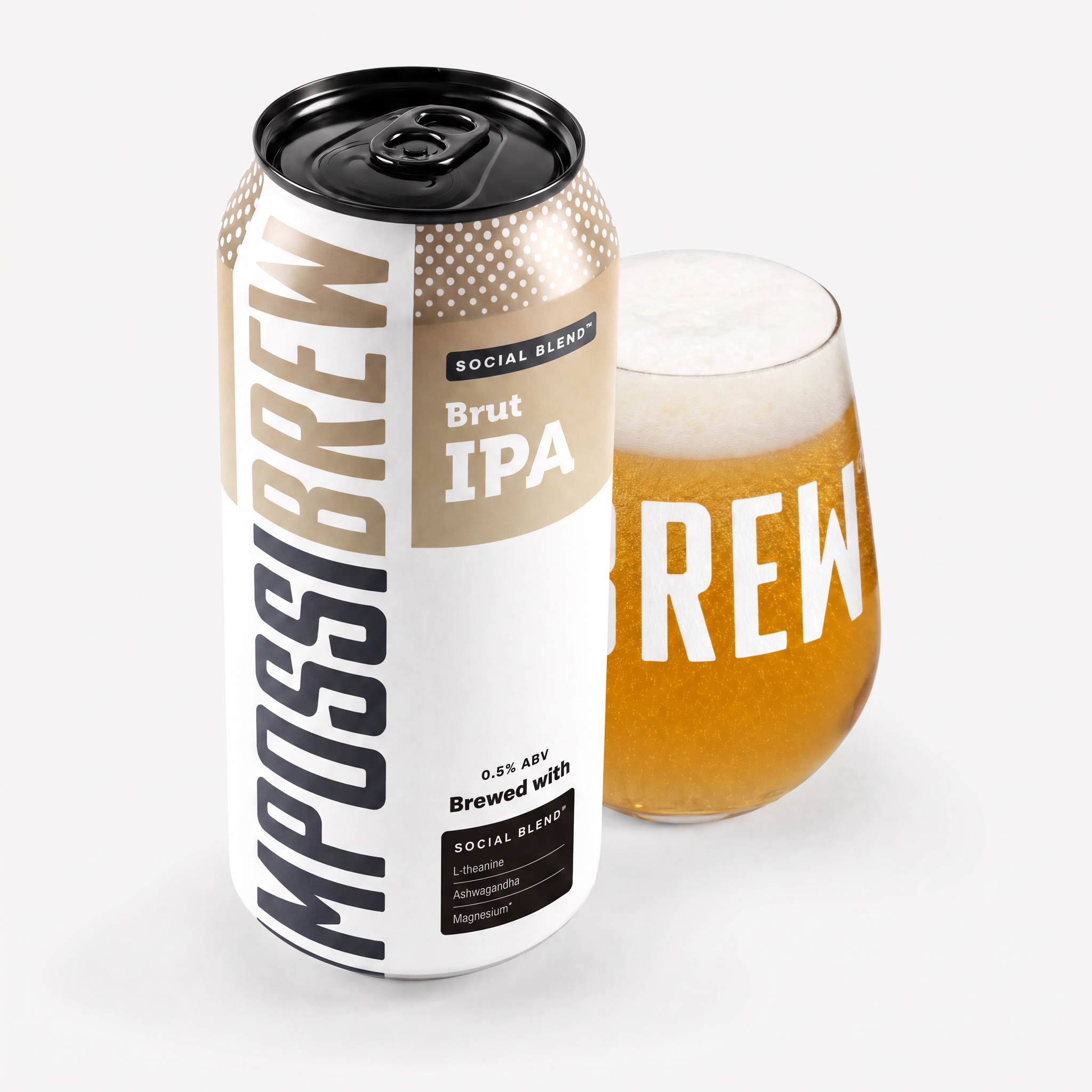
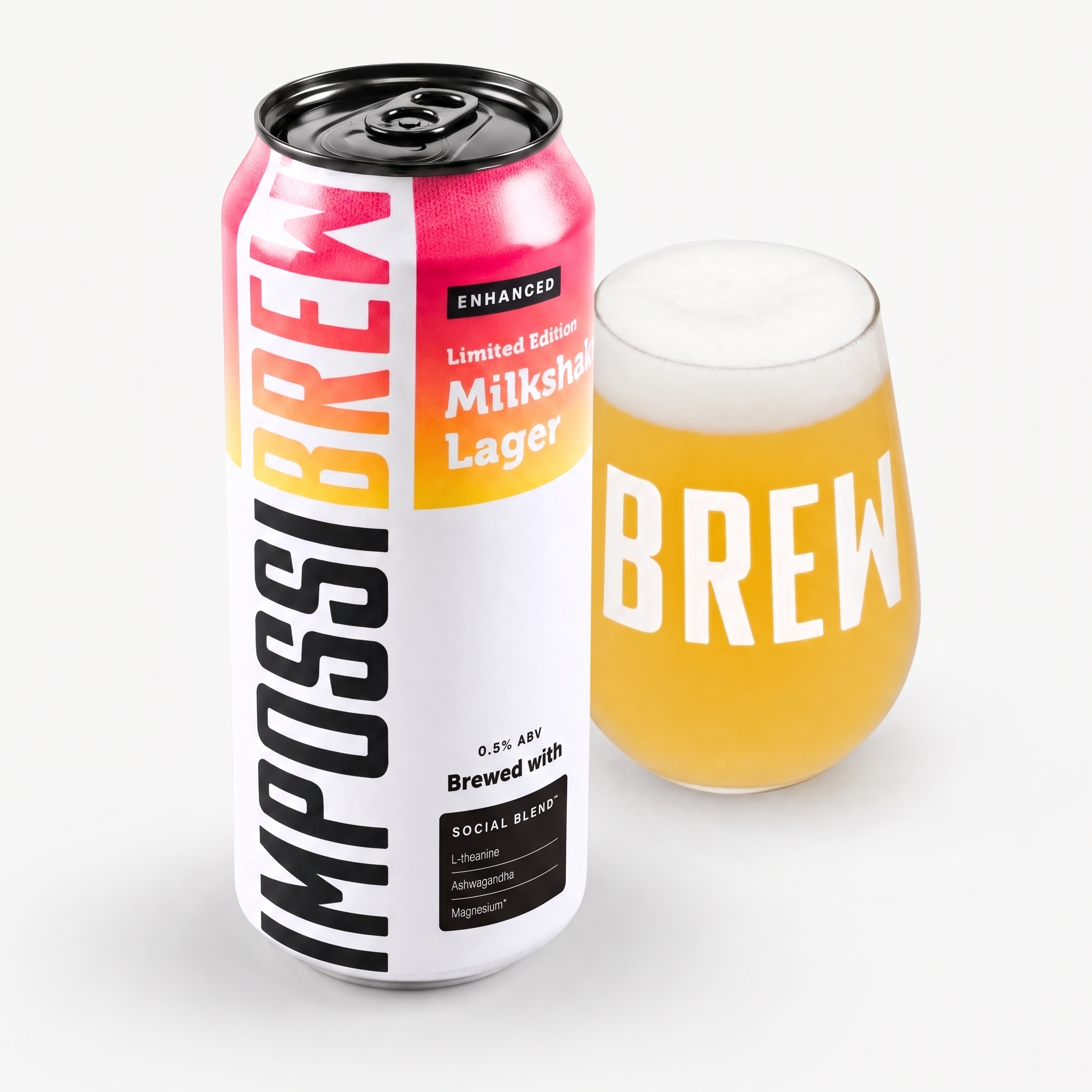
Consumers have noticed the difference too. Non-alcoholic beer sales in the U.S. have grown by an average of 31% annually over the past four years. Brands like Guinness 0.0 and Heineken 0.0 are now celebrated for their authentic taste profiles [1][2]. Meanwhile, brewers such as IMPOSSIBREW® are pushing boundaries and redefining what non-alcoholic beer can offer.
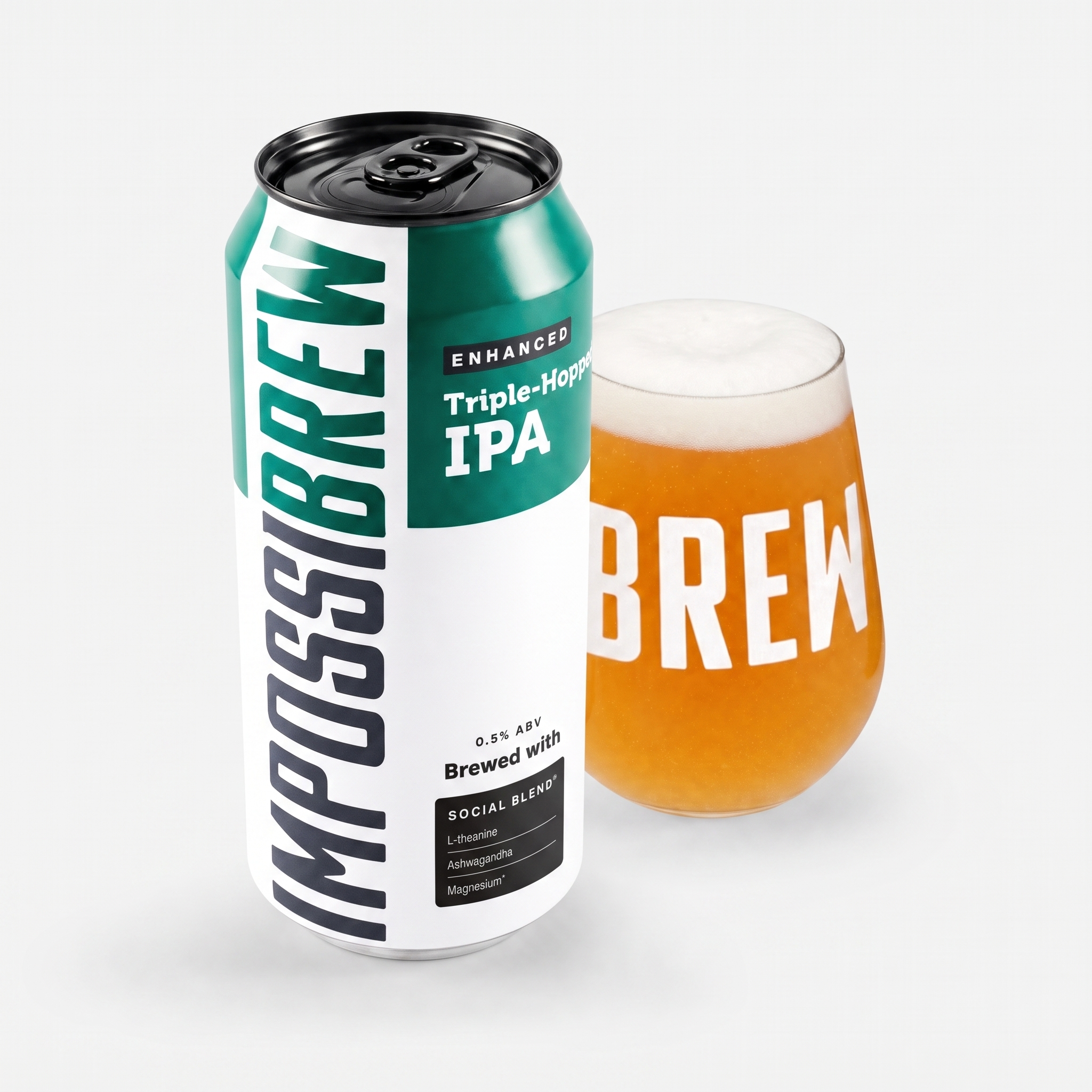
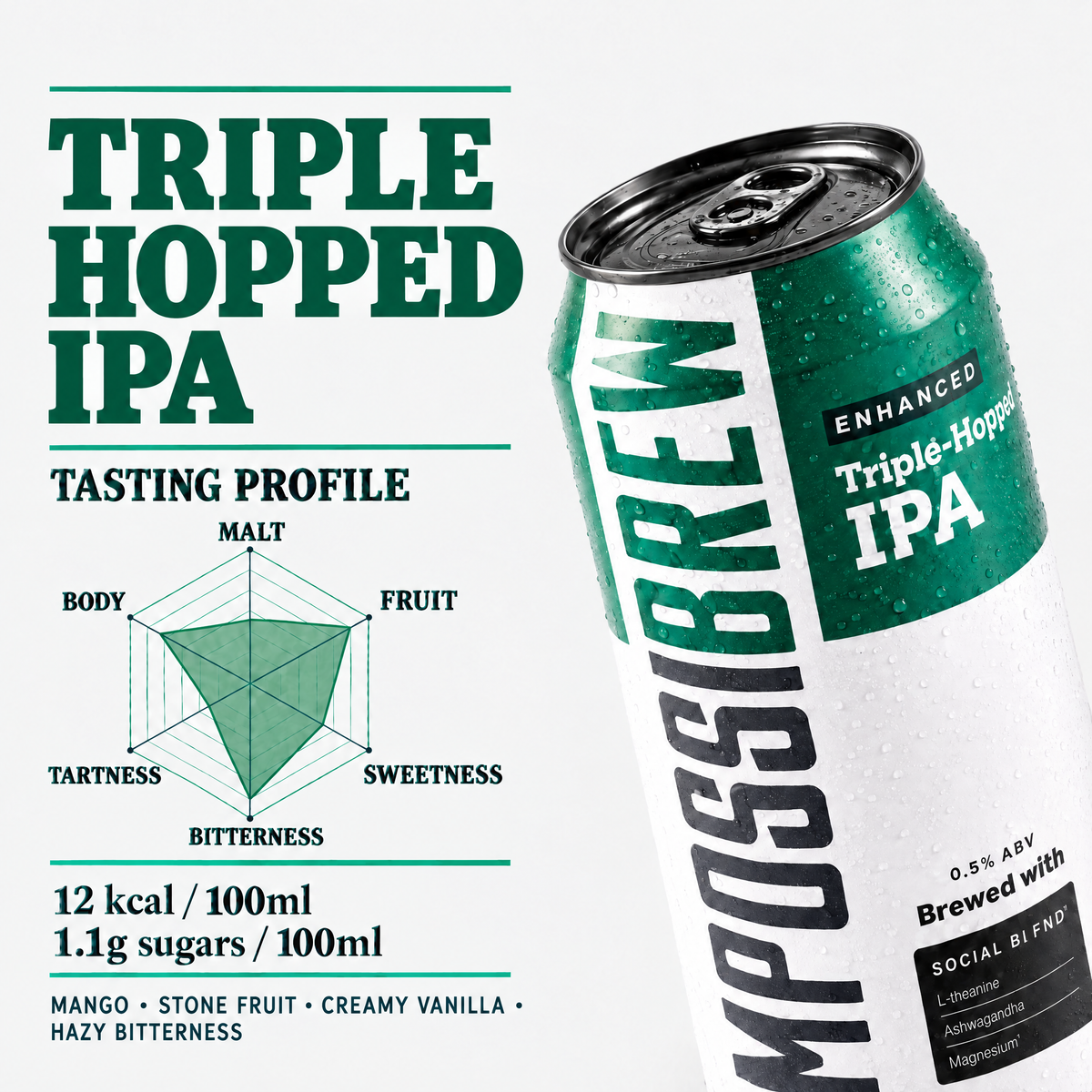
For instance, IMPOSSIBREW® uses a specialised cryogenic fermentation process to preserve natural flavours while preventing alcohol formation [3]. Unlike traditional methods that dilute or remove alcohol from finished beer, this process carefully controls fermentation and the amount of fermentable sugar in the tank [4].
The results speak for themselves - 95% of IMPOSSIBREW® customers have recommended their products to friends after trying them [3]. European brewers, in particular, have excelled in crafting non-alcoholic beers that challenge the outdated perception of poor taste, proving non-alcoholic options can be every bit as enjoyable as their alcoholic counterparts [2].
2. Non-Alcoholic Beer Contains No Alcohol
Despite its name, non-alcoholic beer isn’t entirely free of alcohol. The brewing process leaves behind tiny amounts, making the term "non-alcoholic" a bit misleading.
In the UK, non-alcoholic beer must have less than 0.5% ABV (alcohol by volume) [5]. For comparison, 'alcohol-free' beer typically has an ABV of 0.05% or lower, while 'low alcohol' beer can go up to 1.2% ABV [6].
To put this into perspective, a 500ml can of non-alcoholic beer with 0.5% ABV contains about 0.25 units of alcohol. In contrast, a standard beer with 4.4% ABV has around 2.2 units of alcohol [6]. Regular beers, which usually fall between 4% and 6% ABV, are roughly eight to twelve times stronger than their non-alcoholic counterparts [5]. So, even your "non-alcoholic" pint isn’t entirely alcohol-free.
Interestingly, the trace amounts of alcohol in non-alcoholic beer are comparable to what you’d find in everyday items like orange juice or bread [7][8][9].
In the UK, low-alcohol options are becoming increasingly popular. Over the past five years, sales of alcohol-free beer have more than tripled, with one in five UK drinkers now choosing alcohol-free or low-alcohol drinks to cut back on their consumption [6]. This trend highlights a growing awareness of these beverages and their role in promoting mindful drinking.
For most people, these trace amounts are negligible. However, individuals in recovery or those who are pregnant should steer clear of them.
3. Non-Alcoholic Beer Provides No Social Benefits
There's a lingering myth that non-alcoholic beer can't offer the relaxation and social connection people associate with traditional beer. This idea springs from the assumption that without alcohol's intoxicating effects, these drinks lack any real social value. But the truth is much more layered.
Non-alcoholic beers are reshaping social norms by making gatherings more inclusive. Whether you're a designated driver, cutting back on alcohol, or simply prefer not to drink, these beverages allow everyone to join in the shared experience of having a drink. As expectations change, brewers are stepping up, improving flavours and crafting beverages that fit seamlessly into social settings.
"More people now skip alcohol yet still seek a genuine social drink experience... These options provide the same great taste and social experience without the alcohol, reflecting a broader cultural move towards inclusive drinking choices." - Sans Drinks [11]
In response to this growing demand, some brands are going beyond just taste. They're incorporating ingredients like nootropics and adaptogens to create drinks that promote relaxation without the drawbacks of alcohol. These innovations are transforming non-alcoholic beer into a safer yet equally enjoyable part of social rituals.
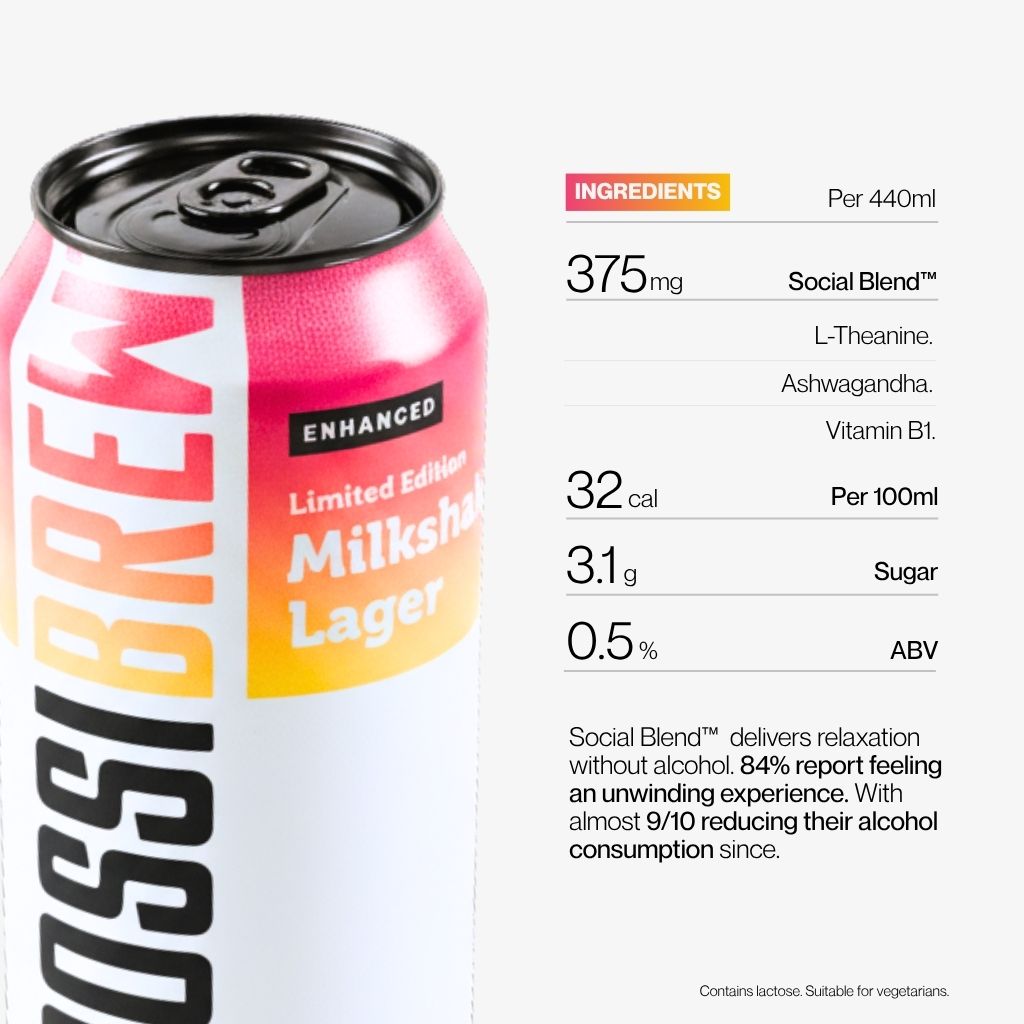
Take IMPOSSIBREW®'s Social Blend™, for example. It uses scientifically backed ingredients to deliver a sensory experience akin to alcohol, minus the negatives. The brand's founder has highlighted the effort it takes to replicate not just the flavour but also the social effects of traditional beer.
This shift is particularly noticeable in the UK, where sales of low and no-alcohol beer rose by 28.7% in value and 18.8% in volume between 2021 and 2023 [10]. Brewers aren’t just removing alcohol; they’re actively replacing its effects with carefully selected ingredients designed to foster relaxation and social ease.
The hospitality industry is catching on as well. Pubs, restaurants, and social clubs are increasingly stocking non-alcoholic options, recognising their role in creating a welcoming and inclusive atmosphere. Alice Baker, an analyst at Mintel, sees even more potential for growth:
"We believe the sector will grow and alcohol free beer brands will use fortification to stretch into the health space, ie added vitamins for a health halo, relaxing ingredients, and added protein and electrolytes for post sports recovery." [10]
Far from being socially irrelevant, non-alcoholic beer is carving out a new space in the world of social drinking. It’s paving the way for a future where well-being and inclusivity go hand in hand with the joy of sharing a drink.
4. Non-Alcoholic Beer Has No Health Benefits
There's a common misconception that non-alcoholic beer offers no health perks. But reality paints a different picture - these beverages can actually support a healthier lifestyle in several ways.
For starters, non-alcoholic beer is a lighter option when it comes to calories. A standard 355ml serving of regular beer contains around 150 calories, whereas non-alcoholic versions typically range between 50 and 90 calories. Beyond just trimming calories, these drinks often come with added nutritional value. Many non-alcoholic beers are rich in polyphenols, which are plant compounds linked to potential health benefits. They also provide essential vitamins and minerals, such as B vitamins - including folate and vitamin B12 - that contribute to overall well-being [16][18]. Plus, with about 95% of their composition being water, non-alcoholic beers can also help keep you hydrated [18].
The benefits don’t stop there - non-alcoholic beer has been shown to support athletic performance and recovery. A 2012 study revealed that marathon runners who consumed 1–1.5 litres of non-alcoholic beer daily for three weeks before and two weeks after a race experienced a 3.25-fold lower incidence of upper respiratory tract illnesses compared to those who drank a placebo [14]. Additional research also indicates that non-alcoholic beer can aid hydration, as demonstrated in studies involving male soccer players [16].
What’s more, many non-alcoholic beers cater to specific dietary needs, offering vegan and gluten-free options. Kerry Benson, MS, RD, and cofounder of the Sober Dietitians, highlights this benefit:
"What is great about nonalcoholic beers relative to alcoholic beer is that you'll often find a Nutrition Facts panel and an ingredient list, which you can review to decide whether that particular drink aligns with your personal goals." [15]
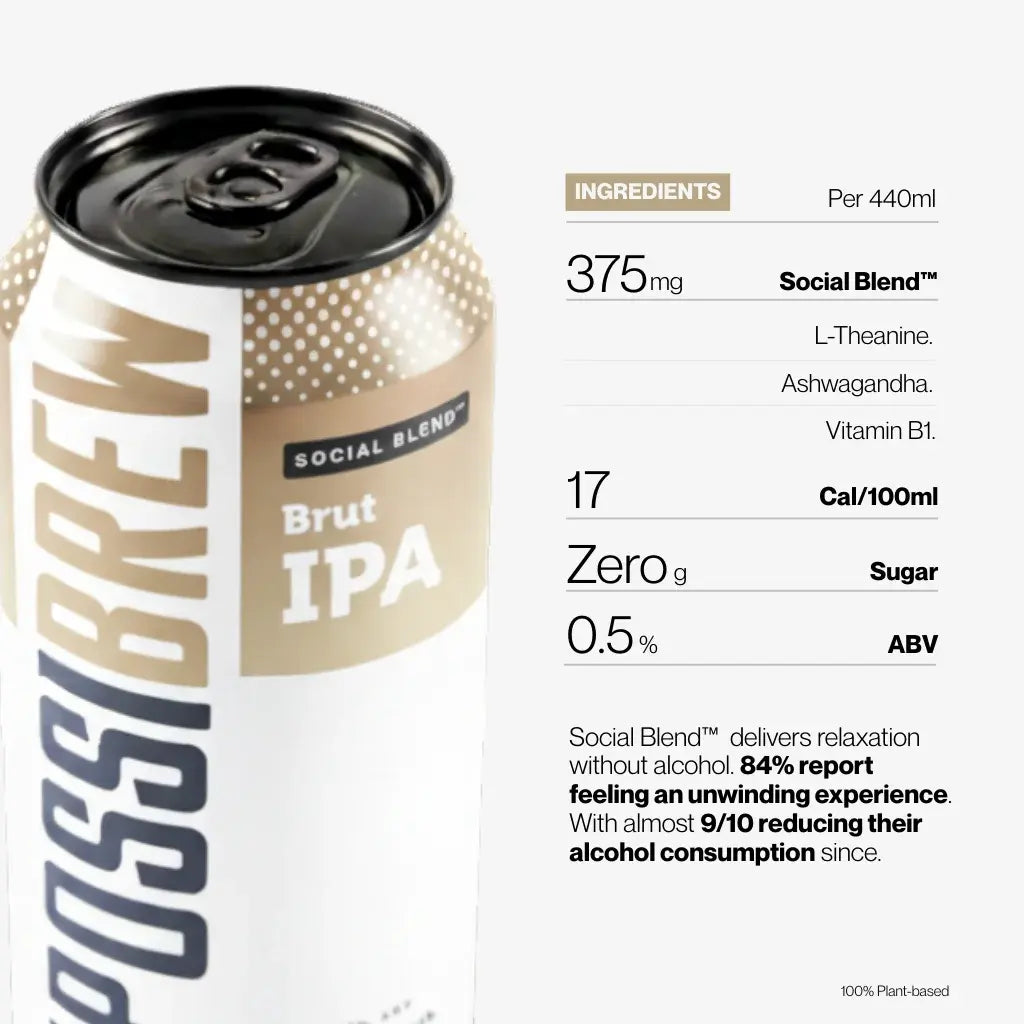
Brands like IMPOSSIBREW® are leading the way in creating innovative options. Their Social Blend™ includes mood-enhancing ingredients such as L-Theanine and Ashwagandha, all while keeping the calorie count at just 27 per 440ml, with no added sugar. Impressively, research shows that over 70% of consumers felt more relaxed and 88% reduced their alcohol intake after trying it.
Another major advantage of non-alcoholic beer is avoiding the downsides of alcohol. Alcohol contains 7 calories per gram, which can quickly add up. It’s also known to disrupt sleep quality, even with moderate consumption [12]. By opting for non-alcoholic versions, you can sidestep these issues while still enjoying the flavour and social aspects of beer.
The growing awareness of these benefits is evident in market trends. In the UK, sales of alcohol-free beers have tripled over the past five years [13], as more people recognise the wellness advantages of making the switch.
sbb-itb-a752bf8
5. Non-Alcoholic Beer Is Only for People Who Cannot Drink
There's a lingering myth that non-alcoholic beer is just for people who can't drink alcohol - whether due to health reasons, recovery programmes, or religious practices. But this assumption misses the mark entirely. The truth is, non-alcoholic beer is becoming a go-to choice for a much broader audience, especially those who are health-conscious or performance-driven.
For many, non-alcoholic beer has become a smart lifestyle choice. Athletes, for instance, are now reaching for non-alcoholic beers after workouts. Why? These beers provide a balanced mix of carbohydrates and electrolytes. Plus, there's evidence suggesting they can help reduce anxiety under stress by up to 20% [17]. It’s not just about avoiding alcohol - it’s about making choices that align with an active, health-focused lifestyle.
The numbers back this up. In 2020, sales of non-alcoholic beer in the USA jumped by more than 37%. Even more striking, craft non-alcoholic beer sales skyrocketed by 278% in just one year [19]. This surge isn’t driven by those who can’t drink; it’s fuelled by people who choose to enjoy beer without the effects of alcohol, whether at social gatherings, post-workouts, or simply as part of their day-to-day routine.
Kerry Benson, MS, RD, and cofounder of the Sober Dietitians, sums up this shift perfectly:
"Nonalcoholic beers are a great way for individuals to reduce their intake of alcohol while still being able to enjoy the taste and experience of a beer. By removing the alcohol, you're taking out a compound that is toxic and that increases the risk of chronic disease." [15]
The rise of the "sober curious" movement, particularly among millennials and Gen Z, further highlights this cultural shift. Research shows that 22% of millennials are drinking less [20], with many gravitating towards sophisticated non-alcoholic options that don’t compromise on flavour or the social experience.
Brands like IMPOSSIBREW® are catering to this new wave of discerning drinkers. Their Social Blend™ formula is packed with nootropic and adaptogenic ingredients, designed to provide a relaxing, sensory experience - without the downsides of alcohol. For those seeking premium, thoughtful choices, these modern non-alcoholic beers hit the mark.
Non-alcoholic beer also offers a socially inclusive option, allowing everyone to join in on traditional drinking rituals without feeling left out or needing to explain their choices. As NA Beer Club puts it:
"Non-alcoholic beer gives people the freedom to socialise and remain healthy while enjoying the great taste of a bottle of suds." [20]
In today’s world, non-alcoholic beer is more than just a drink - it’s a lifestyle statement. It blends tradition with inclusivity, offering a way to enjoy the social and sensory aspects of beer without the alcohol.
Alcohol Content Comparison Table
Non-alcoholic beer often contains trace amounts of alcohol, which can lead to misunderstandings about its actual content. To clarify, let’s compare the alcohol content of various beverages and even some everyday foods.
In the UK, drinks labelled as 'alcohol-free' can legally contain up to 0.05% ABV, while 'low-alcohol' drinks can go up to 1.2% ABV. Many European brands, following similar guidelines, categorise products with up to 0.5% ABV as 'non-alcoholic'. These regulations provide the foundation for the comparisons outlined below.
Here’s a breakdown of the alcohol content in 500ml servings of different beers:
| Beer Type | ABV (%) | Alcohol Units (500ml can) |
|---|---|---|
| Alcohol-free beer | ≤0.05% | 0.025 units |
| Low alcohol beer | ≤1.2% | 0.6 units |
| Non-alcoholic beer (typical) | 0.5% | 0.25 units |
| Average UK beer | 4.4% | 2.2 units |
| Regular beers | 1.15–15% | 0.575–7.5 units |
To put these figures into perspective, let’s compare the alcohol content in beer with that of some common foods and drinks:
| Product | ABV (%) |
|---|---|
| Ripe banana | 0.3–0.57% |
| Ketchup | 0.67% |
| Burger rolls | Up to 1.2% |
| Orange juice | 0.16–0.73% |
| Alcohol-free beer | ≤0.05% |
Interestingly, many alcohol-free beers contain less alcohol than everyday items like ripe bananas or ketchup. For instance, a ripe banana can have a higher alcohol content than most alcohol-free beers available in UK supermarkets [22].
Due to the brewing process, it’s impossible to entirely remove alcohol from beer. However, the residual alcohol in non-alcoholic beers is so minimal that it’s often undetectable to most people [21]. As a result, many breweries focus on refining their brewing techniques to deliver excellent flavour while keeping alcohol levels as low as possible.
For context, the average UK beer has an ABV of 4.4%, which is about 88 times higher than an alcohol-free beer (≤0.05% ABV) and 9 times higher than a typical non-alcoholic beer (around 0.5% ABV) [6]. This significant difference helps explain why one in five UK drinkers now choose alcohol-free or low-alcohol options as part of their efforts to reduce alcohol intake. Sales of these beverages have more than tripled over the past five years [6].
Conclusion
The outdated myths about non-alcoholic beers have been thoroughly dismantled, showcasing a category that has come a long way. Today’s brewing techniques maintain rich, natural flavours while removing the alcohol, producing drinks that closely resemble their alcoholic counterparts. Beyond taste, these beverages offer genuine health perks and fit seamlessly into the growing trend of mindful, balanced drinking.
Interestingly, over 80% of non-alcoholic beer buyers also enjoy regular beer [23], proving that these beverages aren’t just for those avoiding alcohol entirely - they’re for everyone. Whether it’s a hoppy IPA or a robust stout, the variety available today challenges the outdated belief that non-alcoholic beers are dull or limited. And when it comes to alcohol content, most non-alcoholic beers contain less than 0.5% ABV - on par with some fruit juices and breads - making concerns about trace amounts largely irrelevant.
Brands like IMPOSSIBREW® are taking things a step further, offering products that mimic alcohol’s relaxing effects using science-backed Social Blend™ formulas. These drinks are vegan, gluten-free, and low in calories, aligning perfectly with the growing consumer focus on wellness. It’s no surprise that UK sales data reflects a surge in popularity, as more people turn to non-alcoholic beers for socialising, designated driving, or simply enjoying a great-tasting beer without the drawbacks.
Instead of holding onto outdated assumptions, why not explore the expanding world of non-alcoholic beers? With so many styles to choose from, there’s likely one that matches your taste. These beverages are more than just an alternative - they’re a modern, flavour-packed, and inclusive option for everyone.
FAQs
How has modern brewing improved the flavour of non-alcoholic beer?
Modern Brewing Techniques for Non-Alcoholic Beer
Brewing methods have come a long way, transforming the taste of non-alcoholic beer into something far more enjoyable and closer to its alcoholic counterparts. Techniques like cryogenic fermentation and cold contact fermentation play a key role, helping to maintain and highlight the beer's natural flavours, even in the absence of alcohol.
On top of that, advanced processes such as vacuum distillation and reverse osmosis are used to carefully remove alcohol while keeping the beer’s original flavour profile intact.
Thanks to these advancements, non-alcoholic beers now offer richer and more intricate flavours. They provide a satisfying option for anyone who wants the taste and experience of beer without the alcohol content.
What are the health benefits of drinking non-alcoholic beer instead of traditional beer?
Choosing non-alcoholic beer instead of traditional beer can offer several health perks. For starters, non-alcoholic beers usually have about 50% fewer calories, making them a smart pick for anyone aiming to manage their weight or cut down on calorie consumption.
These beers are also packed with polyphenols, natural compounds celebrated for their anti-inflammatory effects. These can contribute to better heart health and improved blood circulation. Plus, since non-alcoholic beer skips the alcohol, it sidesteps issues like dehydration and the potential for liver damage, all while still providing the enjoyable, social aspect of drinking.
If you're after a healthier drink option, non-alcoholic beer delivers a refreshing choice with fewer downsides and some added benefits for your health.
Can non-alcoholic beers really create the same social vibe as alcoholic ones?
Non-alcoholic beers offer a way to enjoy the social vibe of drinking without the alcohol. Whether you're catching up at the pub, hosting a get-together, or cheering on your team with friends, these drinks help keep that sense of connection alive. The familiar flavours and rituals of beer drinking make it easy to feel part of the moment.
Some non-alcoholic beers even go a step further, offering qualities that promote relaxation and a sense of ease - minus the downsides of alcohol. It's a smart choice for those looking to combine social fun with a focus on well-being.