Functional drinks are emerging as a popular alternative to alcohol, especially among health-conscious individuals and younger generations like Gen Z. These beverages, often infused with ingredients like adaptogens and nootropics, aim to provide relaxation and social ease without the downsides of alcohol, such as hangovers or impaired judgment. With the non-alcoholic beverage market growing rapidly - expected to increase by 25% from 2022 to 2026 - functional drinks are reshaping how people approach socializing.
Key Points:
- Why the Shift? Health and wellness are driving people to reduce alcohol consumption.
- What Are Functional Drinks? Non-alcoholic beverages designed to mimic alcohol's effects using mood-enhancing ingredients.
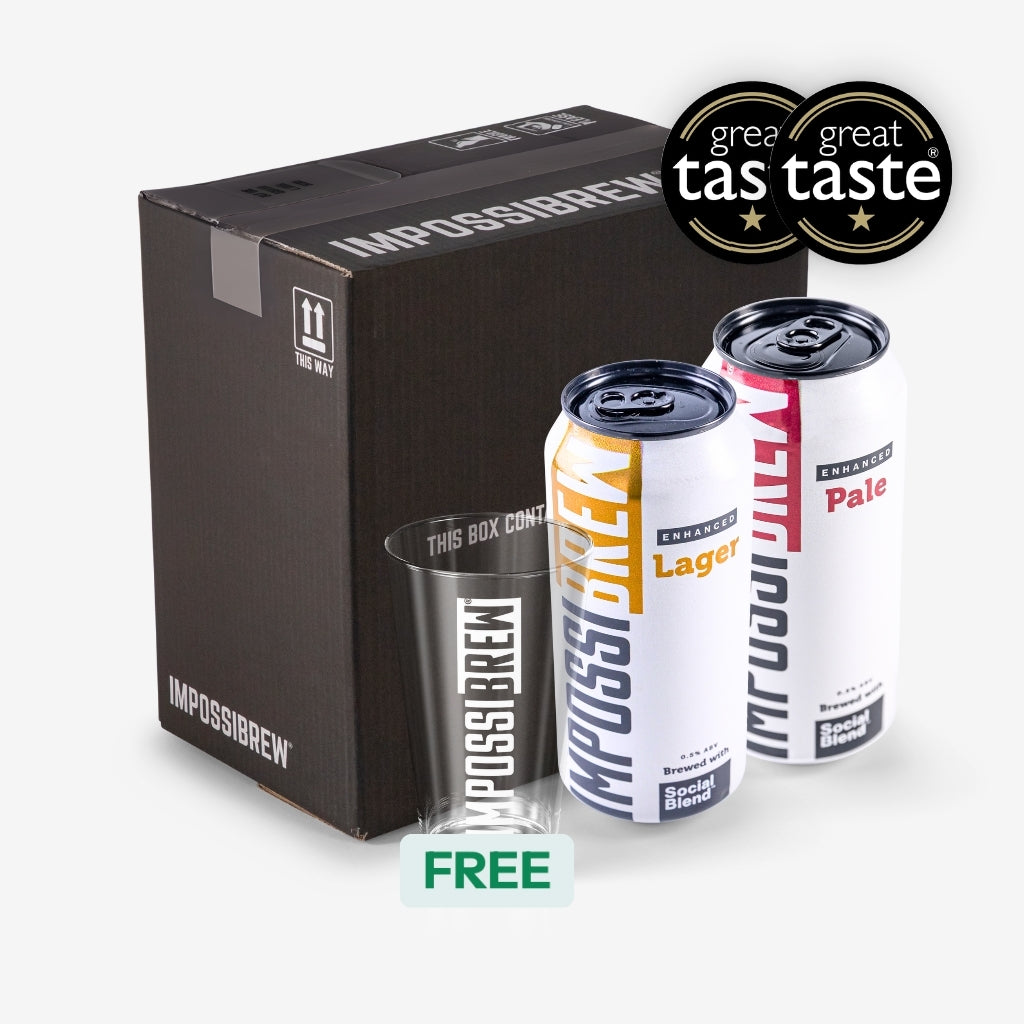
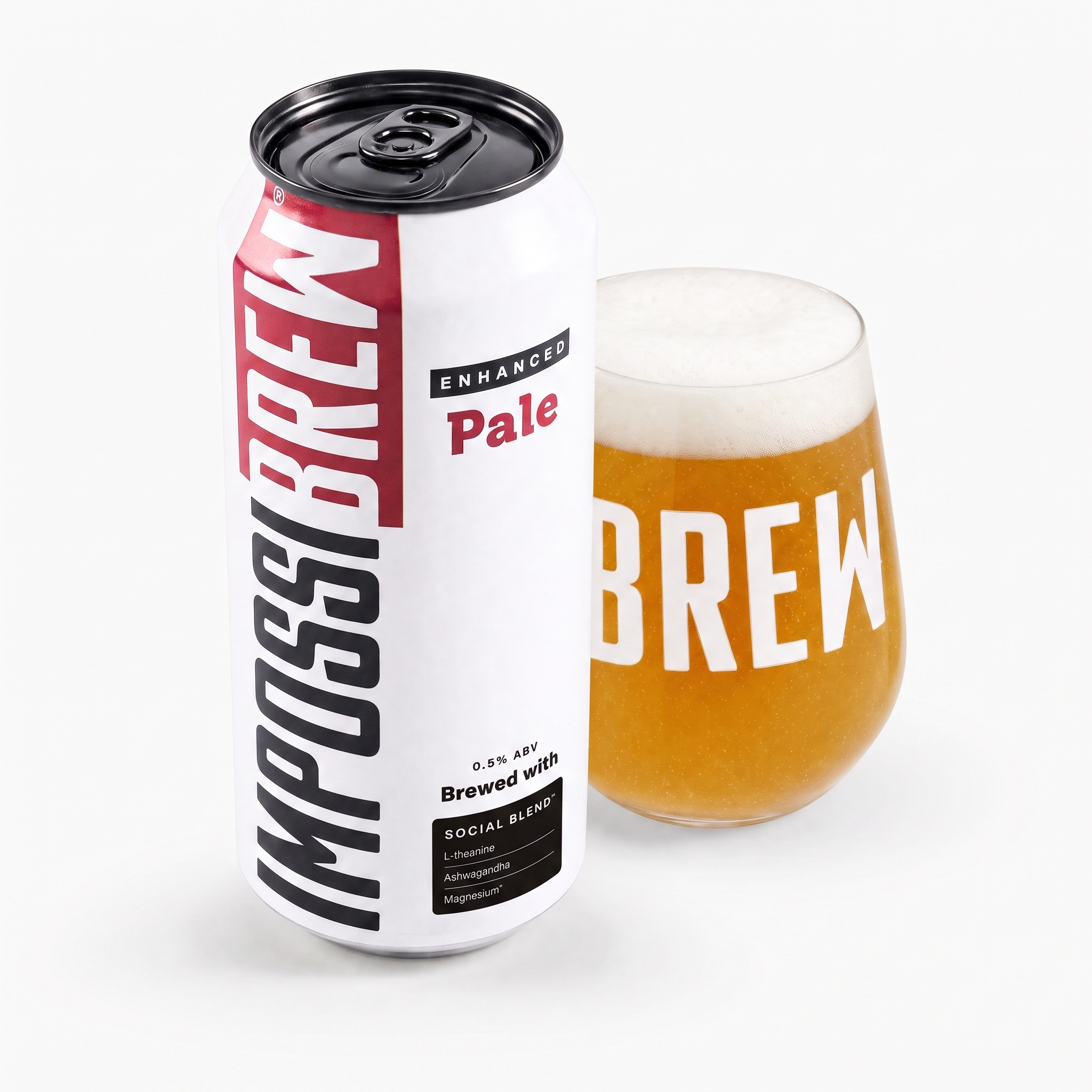
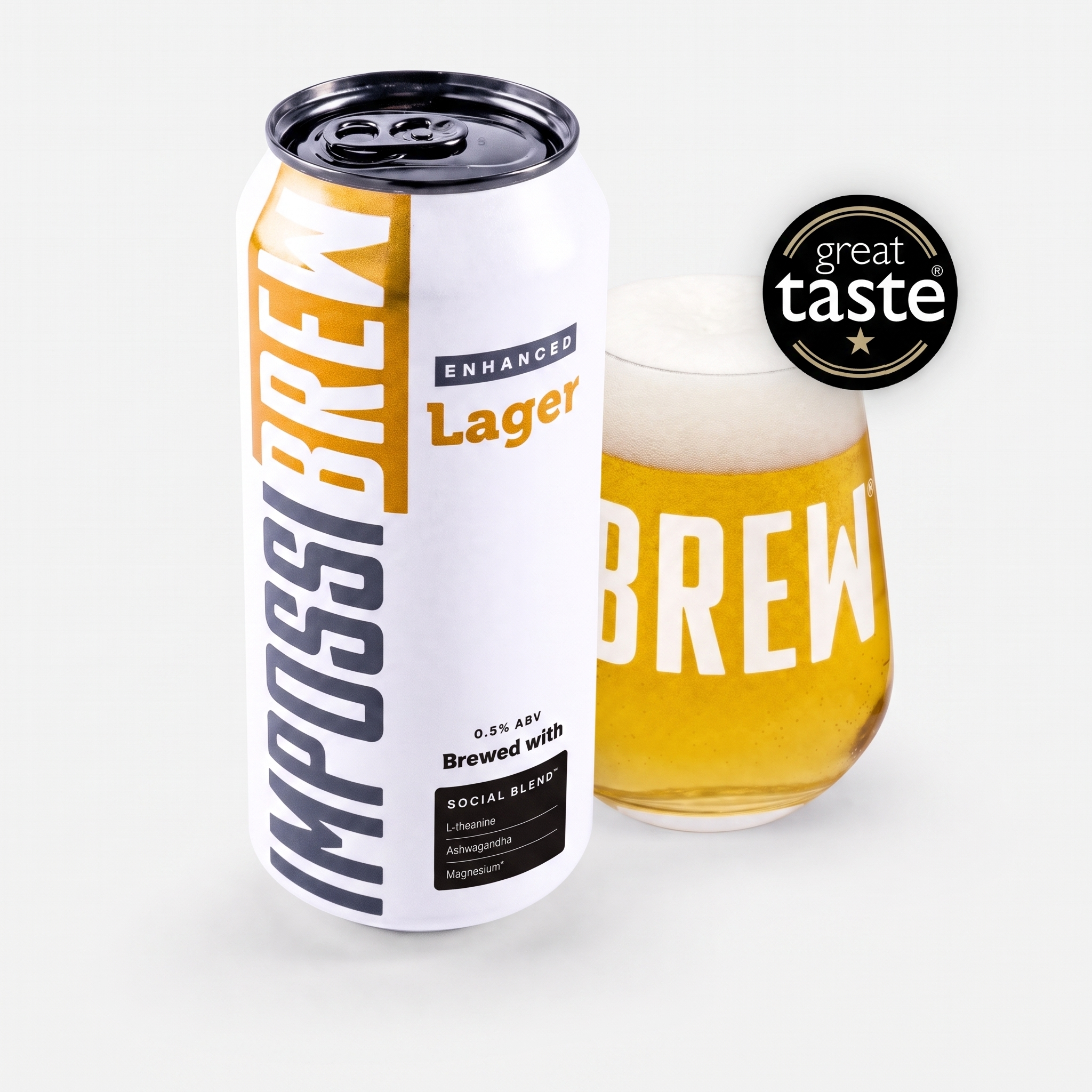
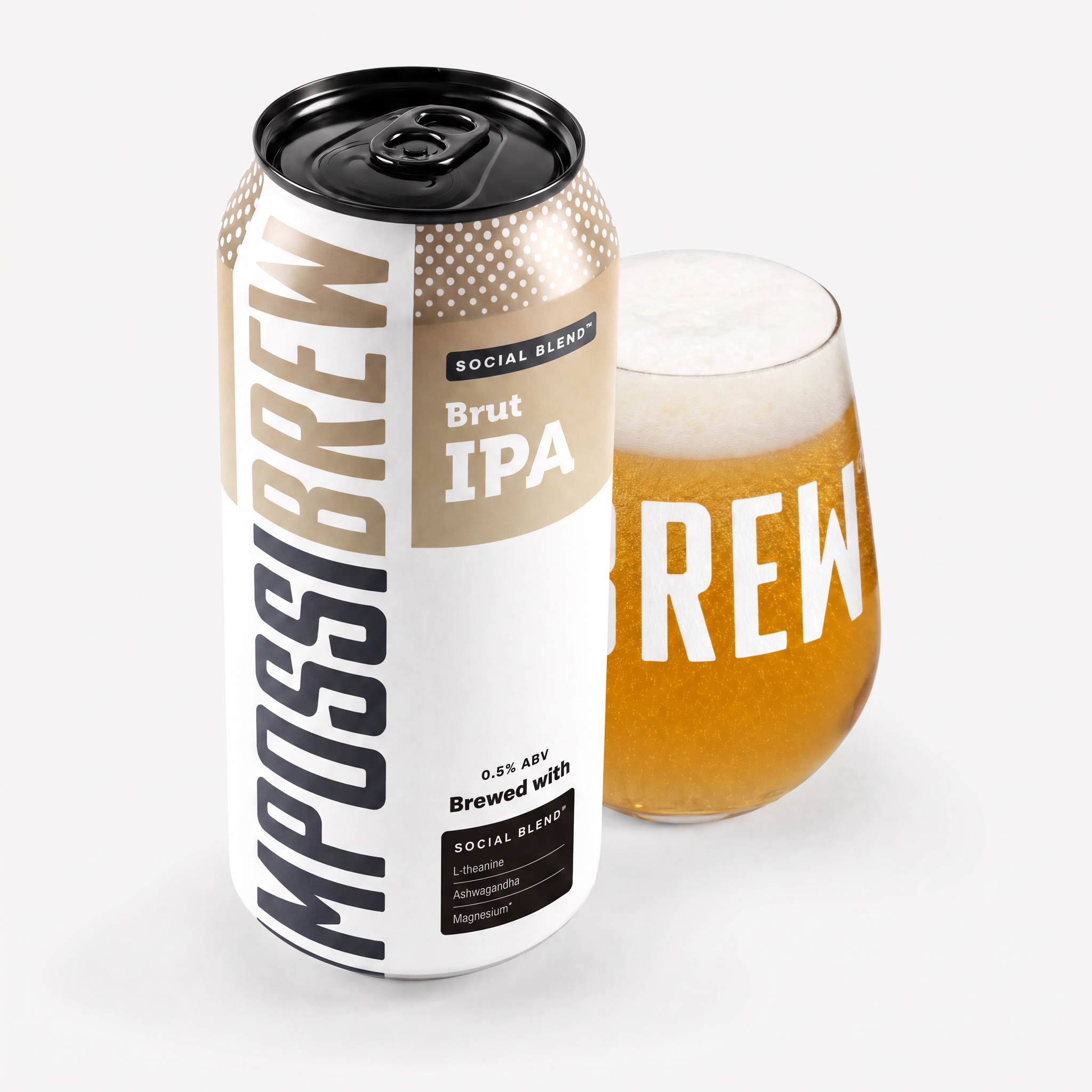
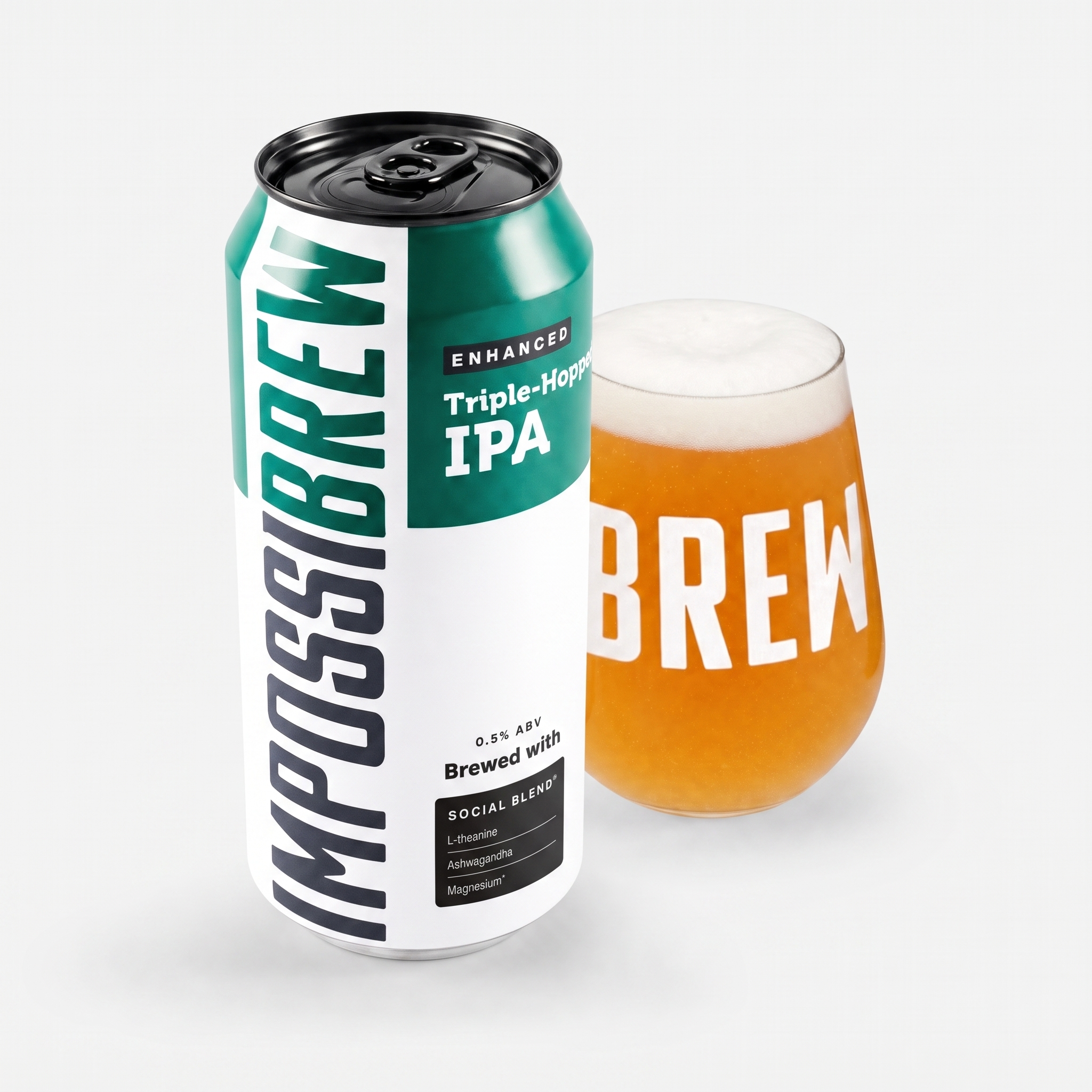
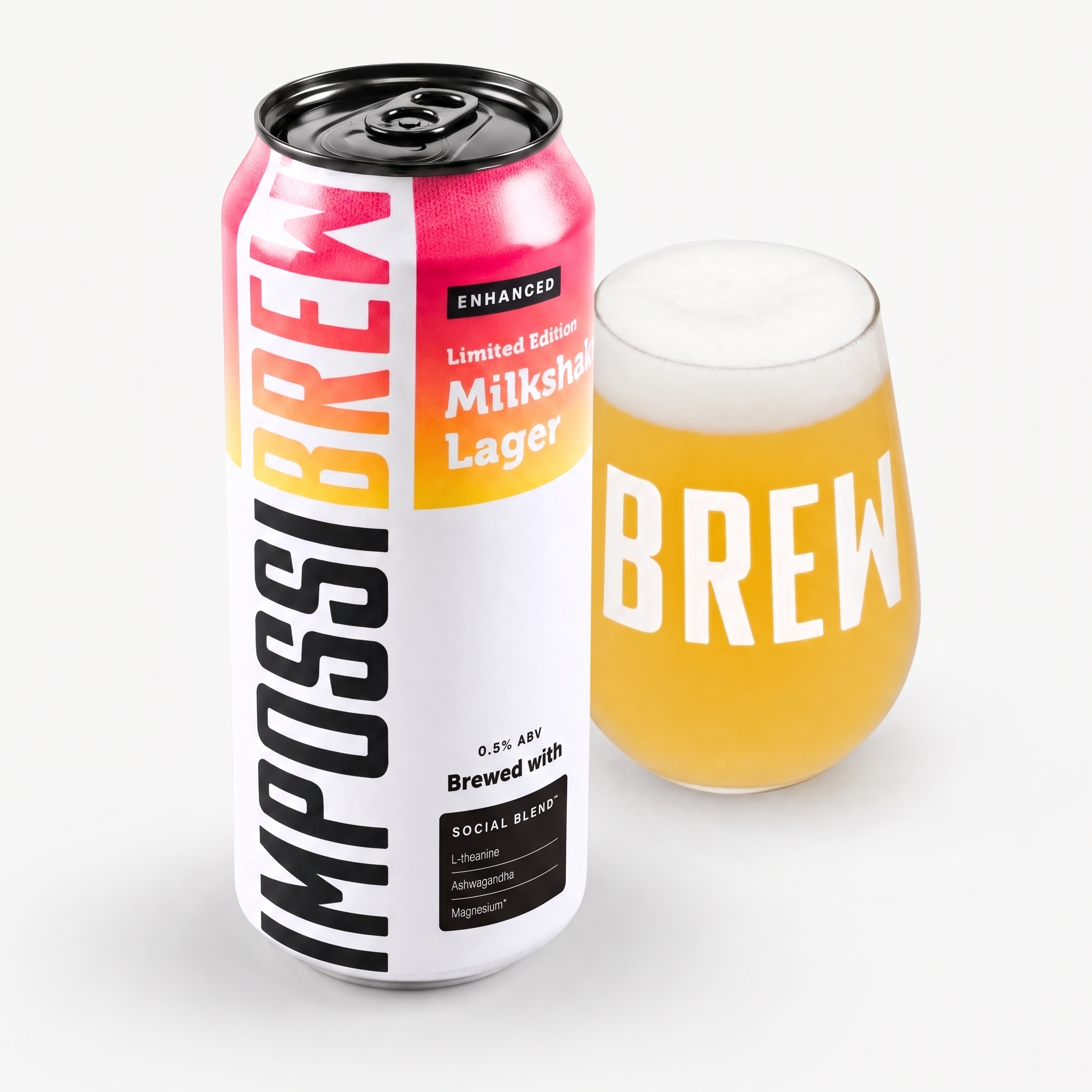
- Market Trends: Non-alcoholic beer hit $22 billion in 2022; brands like IMPOSSIBREW® lead the charge.
- Challenges: Limited availability, social stigma, and taste differences still hinder full adoption.
Quick Comparison:
| Aspect | Functional Drinks | Traditional Alcohol |
|---|---|---|
| Health Effects | No hangovers, wellness-focused | Hangovers, health risks |
| Social Experience | Relaxation, clarity | Stronger effects, less control |
| Availability | Limited in venues | Widely available |
| Duration | 2-4 hours, no recovery needed | 1-3 hours plus recovery |
Functional drinks are gaining traction but may not fully replace alcohol yet. They’re a great option for those prioritizing health while still enjoying social moments.
The Future of Non-Alcoholic Beverages: Cultural Insights on Alcohol Alternatives
Growth of Non-Alcoholic and Functional Beverages
The non-alcoholic beverage market is reshaping social drinking habits as more people look for healthier options. Non-alcoholic beer, worth $22 billion in 2022, has become a major player. Big names like Heineken are rolling out alcohol-free versions that offer the same enjoyable experience as traditional beers.
Trends in Non-Alcoholic Beverages
Functional beverages are making waves, packed with vitamins, minerals, and adaptogenic herbs. These drinks cater to wellness goals while keeping the social aspect of drinking alive. Brands are crafting sophisticated options that blend health benefits with refined flavors, meeting the changing tastes of today’s consumers.
Demand for Health-Focused Alternatives
Wellness is a top priority for modern consumers, pushing brands to create products tailored to specific diets and lifestyles. The market now offers beverages that tick multiple boxes:
| Feature | Benefit | Market Impact |
|---|---|---|
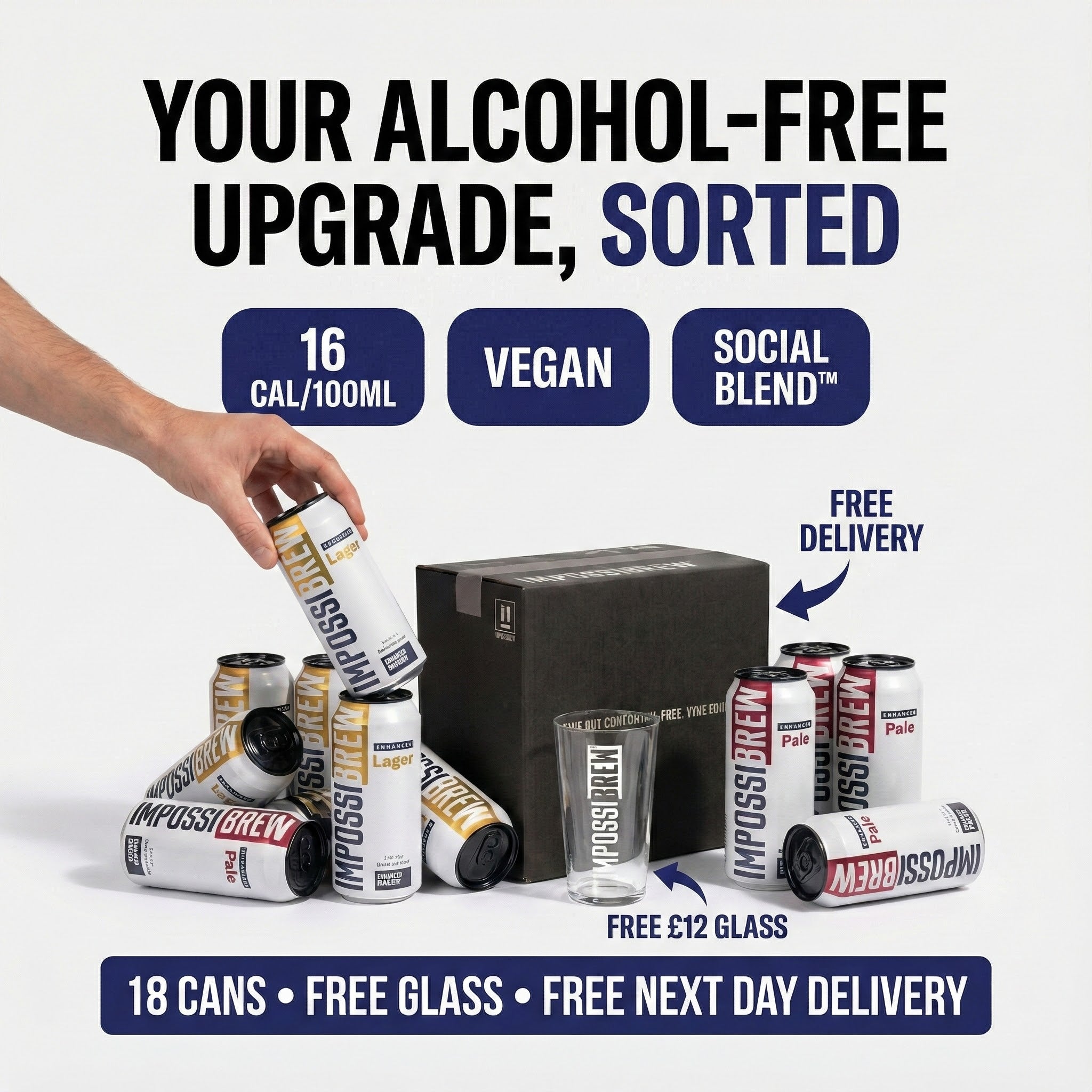
| Low-Calorie, Vegan-Friendly, Gluten-Free | Fits a range of dietary and health goals | Attracts a broader audience |
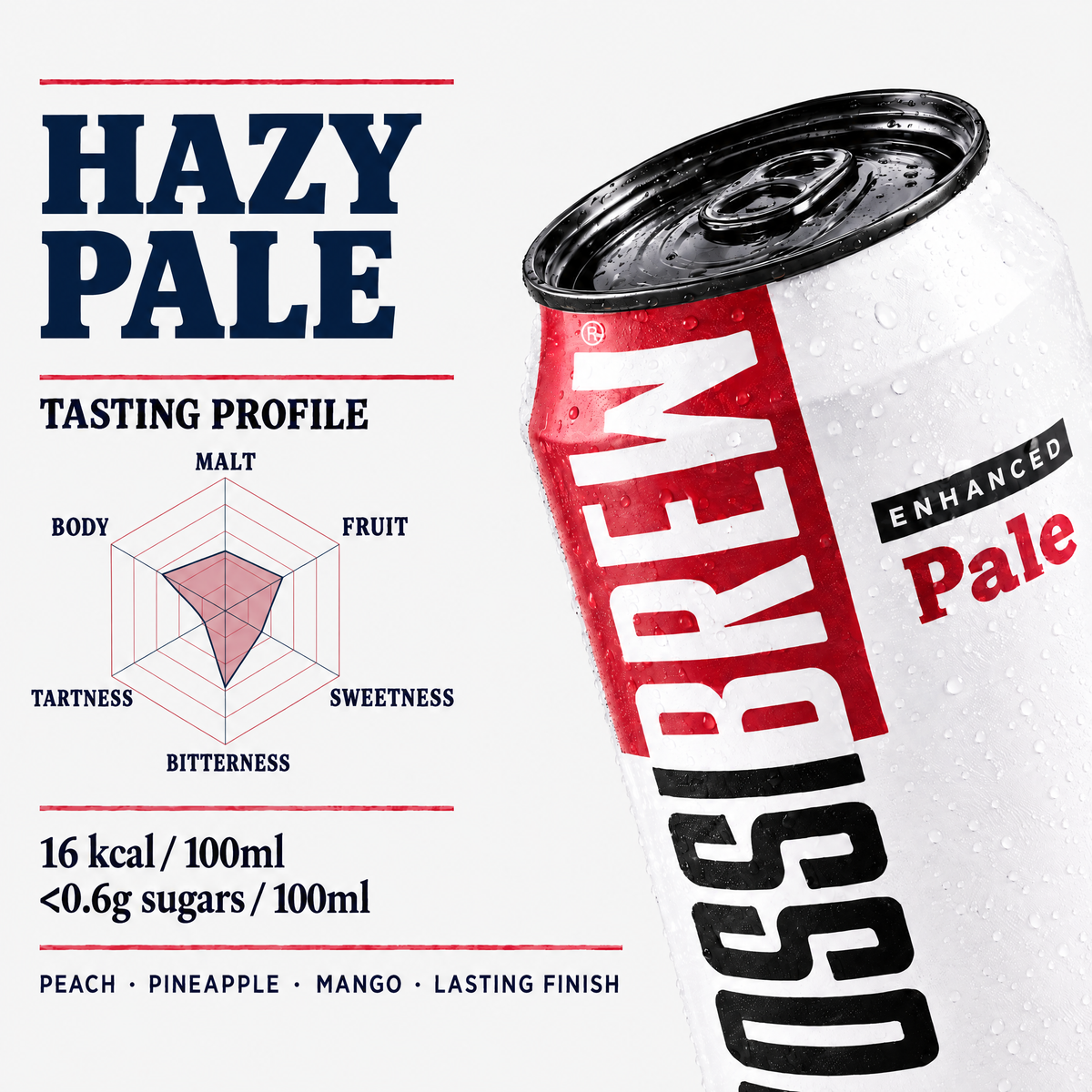
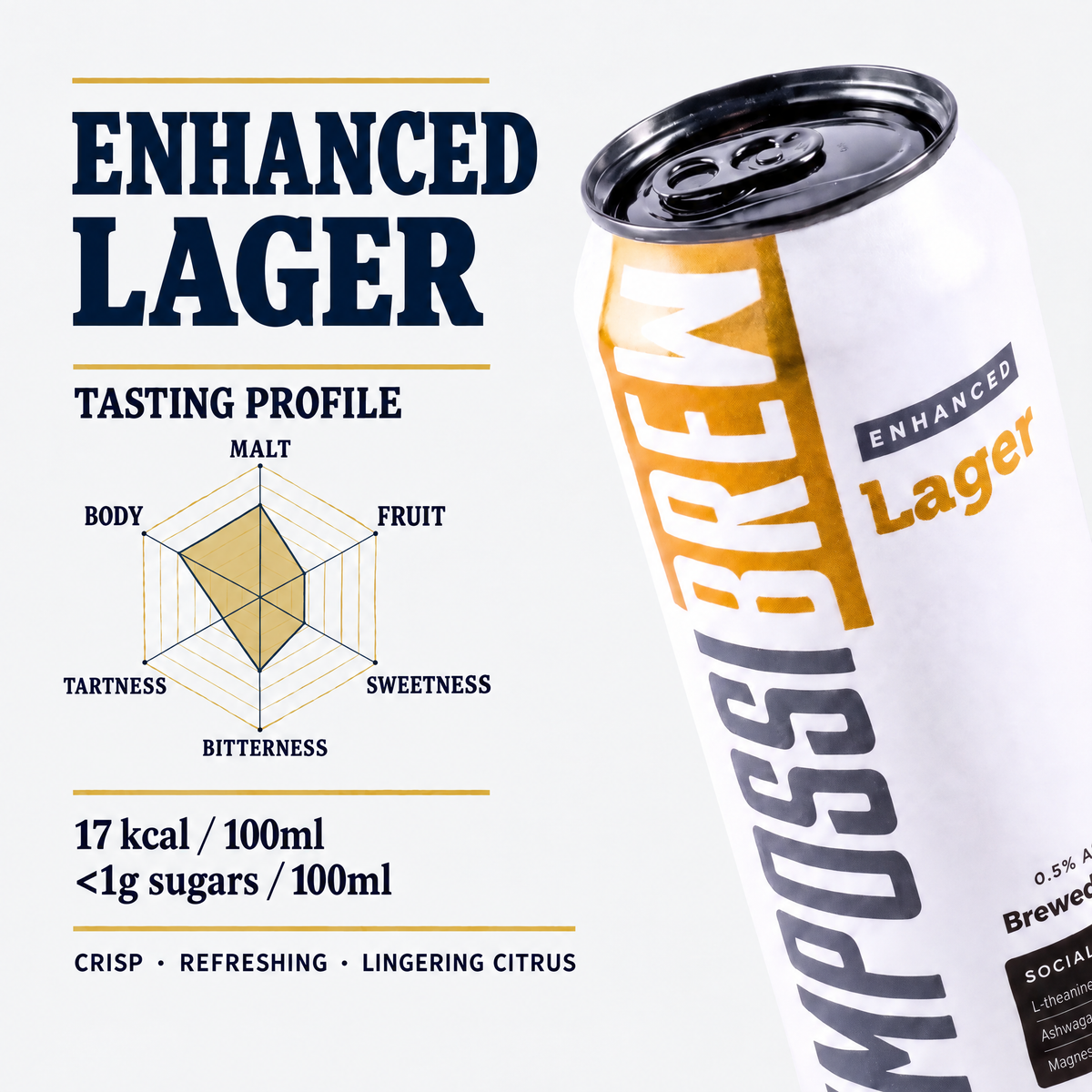
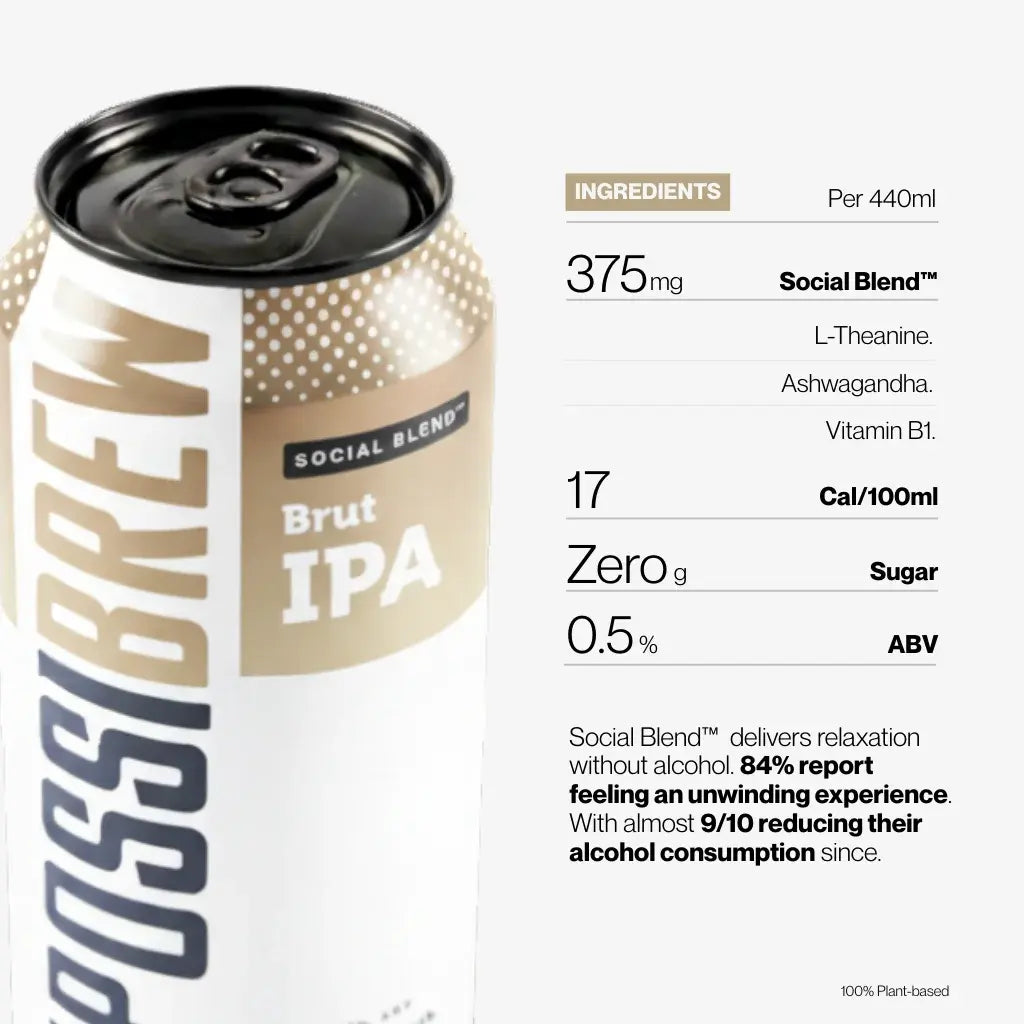
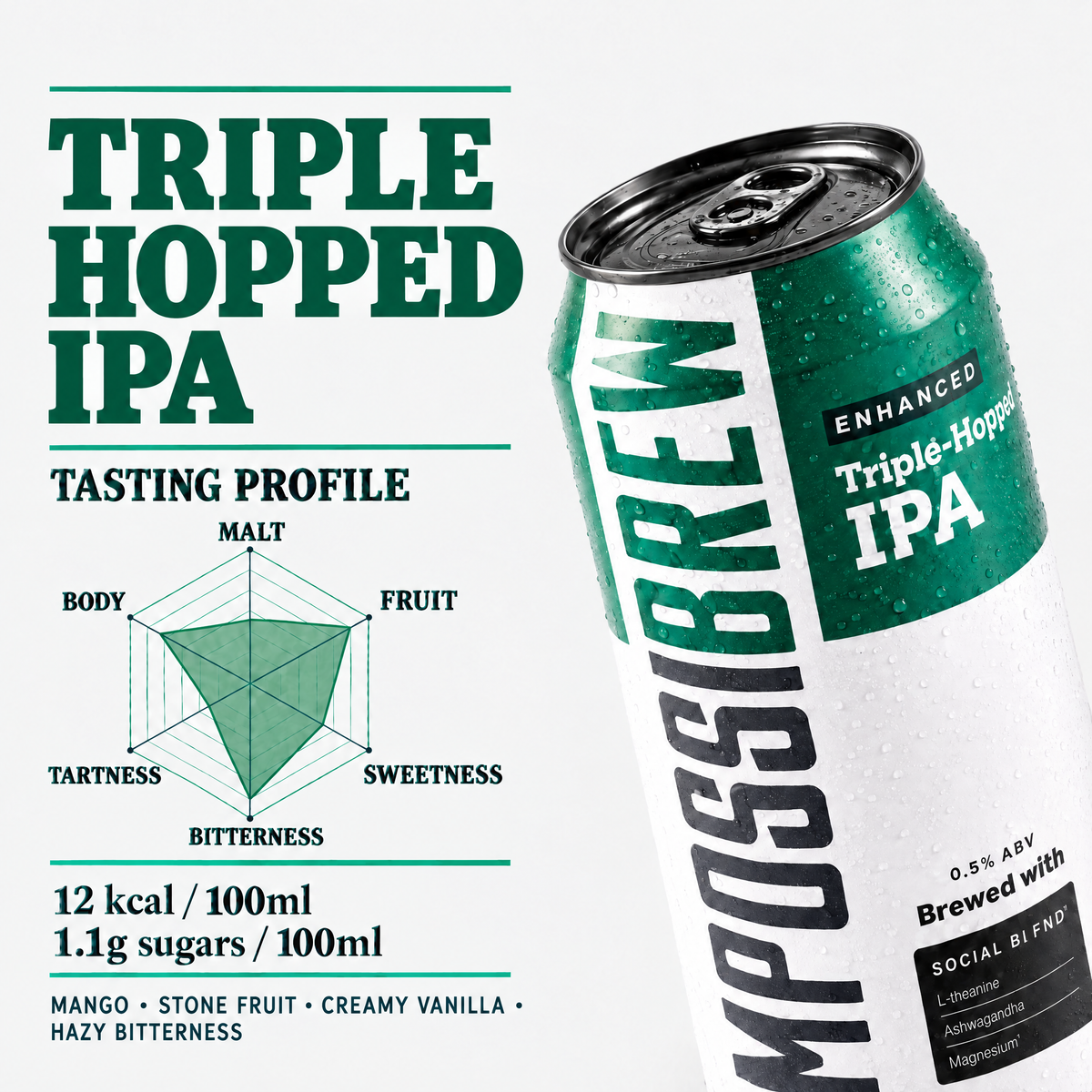
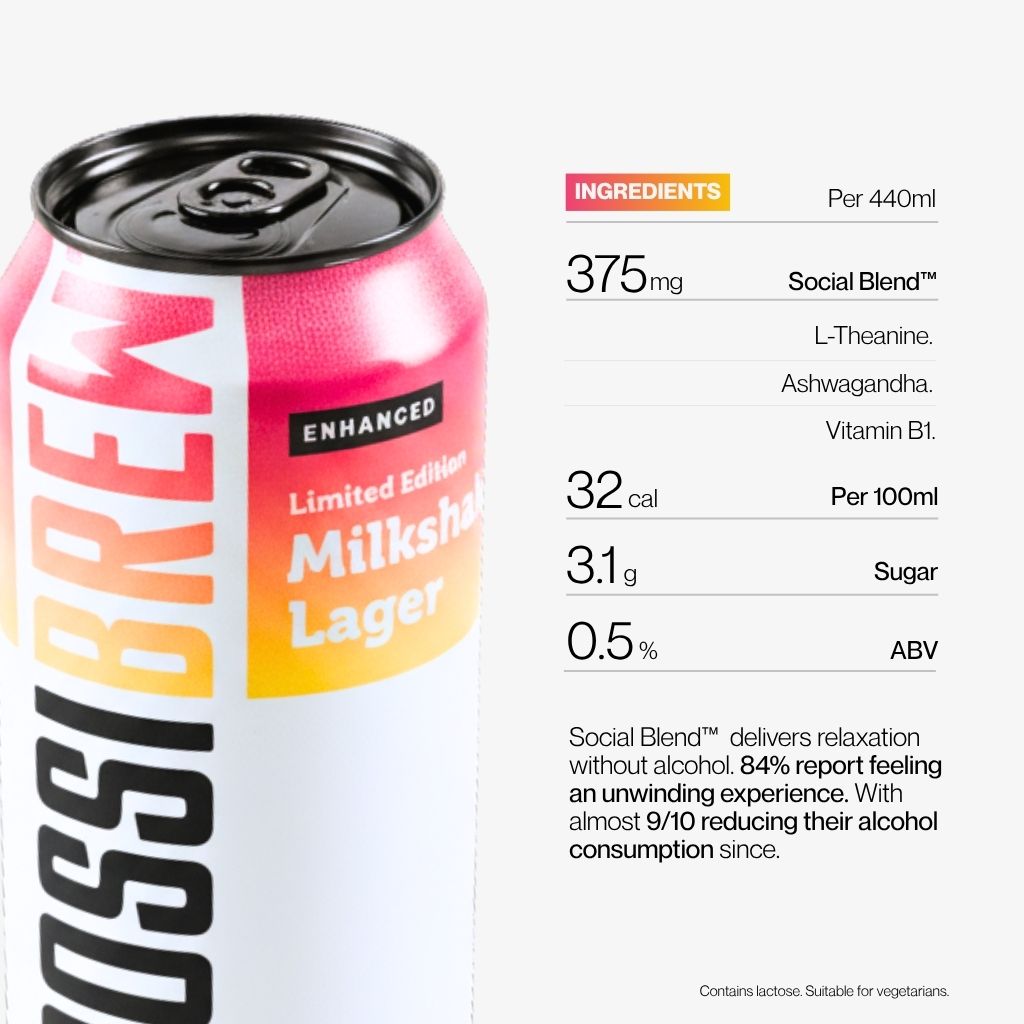
Companies like IMPOSSIBREW® are stepping up with non-alcoholic beers infused with functional ingredients that also appeal socially [1][3]. This shift highlights a growing cultural preference for drinks that support wellness while preserving the communal feel of alcohol. As these options gain traction, their ability to replicate the social experience becomes even more important.
Can Functional Drinks Match Alcohol's Social Experience?
Functional drinks aim to recreate the enjoyable aspects of alcohol while avoiding its drawbacks. These beverages are designed to enhance social interactions, offering a fresh way to enjoy gatherings without the need for traditional alcoholic drinks.
How Functional Drinks Mimic Alcohol
These drinks use ingredients like adaptogens and nootropics to create effects similar to alcohol, such as relaxation and increased social ease. The result? You can feel more at ease in social settings without the downsides like hangovers or mental fog.
| Effect | Traditional Alcohol | Functional Drinks |
|---|---|---|
| Relaxation | Alcohol-based | Adaptogens |
| Social Confidence | Boosts social ease | Mood enhancement |
| Duration | 1–3 hours, hangover risk | 2–4 hours, no hangover |
Functional Drinks for Social Settings
Brands are stepping up to meet the demand for these alternatives. For example, IMPOSSIBREW®'s Social Blend™ offers alcohol-free beers designed to provide a similar social vibe as traditional beer, without the alcohol.
Challenges in Replacing Alcohol
While functional drinks have their advantages, they still face some obstacles when it comes to fully replacing alcohol in social scenarios:
| Challenge | Impact | Current Solutions |
|---|---|---|
| Social Perception | Stigma around non-alcoholic options | High-quality, premium products |
| Availability | Limited in many venues | Expanding distribution |
| Taste Experience | Different flavor profiles | Improved brewing techniques |
The success of functional drinks depends on overcoming these challenges while preserving the enjoyable aspects of social drinking. As more venues offer non-alcoholic options and attitudes shift, these beverages are becoming a realistic choice for those looking to enjoy social events without the side effects of alcohol.
Functional drinks are carving out their place in social settings, but their ability to fully replace alcohol remains an area worth exploring.
sbb-itb-a752bf8
Pros and Cons of Functional Drinks in Social Settings
Looking at the upsides and downsides of functional drinks helps you understand their role as alternatives to alcohol. This knowledge can guide your choices in social situations.
Functional Drinks vs. Alcohol
| Aspect | Functional Drinks | Traditional Alcohol |
|---|---|---|
| Health Effects | No hangovers, wellness-focused, clear-headed | Hangovers, health risks, decreased productivity |
| Social Experience | Mild relaxation, maintained clarity | Stronger effects, potential loss of control |
| Practical Factors | Limited availability, higher cost | Easy to find, usually cheaper |
| Duration | Effects last 2-4 hours | 1-3 hours plus recovery time |
Brands like IMPOSSIBREW® have developed options like their Social Blend™, which offers relaxation while keeping your mind sharp - an attempt to replicate the social perks of alcohol without the downsides.
Some clear benefits of functional drinks include:
- Enjoying social moments while staying sharp: No impaired judgment, so you can engage fully in conversations.
- Healthier choice: Fewer calories and ingredients aimed at wellness.
- Inclusive option: Great for people steering clear of alcohol.
"The rise of health-conscious consumers is driving the demand for functional and non-alcoholic beverages." - Clarkston Consulting [2]
That said, challenges like limited availability and lingering social stigma remain. Whether functional drinks work for you depends on your preferences and the setting. While they may not replace alcohol entirely, their growing popularity shows a shift in how people approach socializing.
Conclusion: The Future of Social Drinking with Functional Drinks
The way we approach social drinking is shifting as functional drinks gain popularity, fueled by a growing focus on mindful choices and wellness-centered socializing. But can these drinks truly take the place of alcohol in social settings?
Brands are now leveraging science to craft beverages that mimic the social experience of drinking alcohol. These alternatives show how the industry is adapting to meet evolving preferences while keeping the enjoyable aspects of social drinking intact.
Younger generations, especially Gen Z, are leading this movement toward more conscious consumption. They're seeking options that preserve the rituals and enjoyment of drinking without the drawbacks of alcohol. With this in mind, here’s how you can incorporate functional drinks into your social life.
Key Insights for Readers
- Explore New Options: Dive into the expanding selection of functional drinks that blend great taste with wellness-focused ingredients.
- Assess the Occasion: While functional drinks might not replace alcohol in every situation, they’re becoming a go-to choice in many social settings. The trick is finding what works best for you and your circle.
- Enjoy the Perks: These drinks let you stay sharp and aligned with your health goals while still enjoying social moments.
"The rise of health-conscious consumers is driving the demand for functional and non-alcoholic beverages, transforming how we approach social drinking." - Clarkston Consulting [2]
As technology improves and more people embrace these alternatives, functional drinks are set to become even more popular. The market is likely to deliver even better solutions that bridge the gap between traditional alcoholic drinks and alcohol-free options.
FAQs
What is the point of a sober bar?
Sober bars bring the lively atmosphere of traditional bars but focus solely on non-alcoholic options. They create a space where people can socialize without alcohol, catering to those who prioritize wellness and healthier lifestyles. Many of these bars serve craft mocktails, often made with ingredients like adaptogens, which are said to promote relaxation and ease in social settings.
These venues are particularly appealing to younger generations looking for social spaces that align with their health-conscious values. By offering creative and sophisticated drink alternatives, sober bars show that socializing doesn't have to revolve around alcohol. Instead, they provide a fresh take on gathering with friends, proving that the experience can be just as vibrant and enjoyable without a traditional cocktail in hand.
The rise of sober bars highlights a broader trend toward alcohol-free socializing, offering a modern twist on what it means to "go out for drinks." This shift signals a growing interest in functional beverages and their role in shaping the future of social gatherings.