Functional beers are transforming the way we enjoy beverages, combining sensory appeal with health benefits. These non-alcoholic beers mimic the taste, aroma, and feel of traditional beer while including ingredients like nootropics and adaptogens to promote relaxation and well-being. Here’s what makes them stand out:
- Multisensory Integration: Your senses - taste, smell, sight, touch, and sound - work together to create a complete beer experience.
- Key Ingredients: Functional beers use ingredients like L-Theanine and Ashwagandha to reduce stress and enhance mental clarity.
- Sensory Design: Brewers focus on taste, aroma, texture, and even the sound of pouring to replicate the traditional beer experience.
- Consumer Appeal: These beers cater to health-conscious drinkers seeking alcohol-free options without sacrificing flavor or social rituals.
Brands like IMPOSSIBREW® lead this space by blending sensory science with functional ingredients, offering beers that relax and satisfy. Functional beers are reshaping the beverage market, meeting both wellness and sensory expectations.
Applying The Science: Who Drinks Non-Alcoholic Beer, And Why?
Sensory Experience of Beer
Drinking beer is more than just about taste - it's a full sensory experience. Multiple senses work together to create what feels like a complete and satisfying moment. This understanding is especially important when crafting non-alcoholic beers, ensuring they don't just offer health perks but also deliver the same sensory depth as their alcoholic counterparts.
How Taste, Smell, and Sight Shape Beer Perception
When you drink beer, your brain processes taste, smell, and sight all at once to build its flavor profile. Taste receptors pick up basic flavors, while your sense of smell adds layers of complexity. Even visual elements, like the beer's color and clarity, set the stage for how you'll perceive its flavor. For instance, the golden color of a lager or the deep amber of an ale creates expectations before you even take a sip [2].
The Role of Touch and Sound in the Beer Experience
Touch and sound are equally important. Mouthfeel - things like temperature, carbonation, and texture - gives beer its unique physical presence. And sound? It’s surprisingly impactful. The psssht when a bottle opens, the fizz of carbonation, and the pouring sound all build anticipation and enhance enjoyment. Brewers of non-alcoholic beers make sure to preserve these familiar sounds to keep the experience authentic [1].
"Multisensory integration research has allowed us to better understand how humans integrate sensory information to produce a unitary experience of the external world." [1]
Here’s a breakdown of how each sense contributes to the beer experience:
| Sensory Element | Role in Beer Experience | Impact on Non-Alcoholic Beer Design |
|---|---|---|
| Taste | Detects basic flavors like sweet or bitter | Balances added functional ingredients |
| Smell | Adds depth and complexity to the flavor | Mimics traditional beer aromas |
| Sight | Sets flavor expectations with color and clarity | Shapes first impressions |
| Touch | Conveys texture, carbonation, and temperature | Essential for mouthfeel |
| Sound | Builds anticipation and enjoyment | Retains the familiar beer experience |
Modern brewing relies on these sensory insights to recreate the full beer experience in non-alcoholic versions [1][3]. By focusing on these sensory elements, brewers are making non-alcoholic beers that feel just as satisfying as traditional ones, helping them appeal to a broader audience.
sbb-itb-a752bf8
Science Behind Functional Non-Alcoholic Beers
Creating functional non-alcoholic beers blends traditional brewing techniques with cutting-edge ingredients, resulting in beverages that offer both great taste and added benefits.
The Role of Nootropics, Adaptogens, and Functional Ingredients
These beers use carefully selected ingredients to replicate the relaxing effects of alcohol while delivering a satisfying sensory experience. The combination of these ingredients works on both the body and mind, enhancing the overall drinking experience.
Here’s a breakdown of key ingredients and their roles:
| Ingredient Type | Purpose | Impact on Taste and Feel |
|---|---|---|
| Nootropics | Boost mental performance | Sharpens flavor perception and clarity |
| Adaptogens | Help reduce stress | Adds to the smooth texture and calming effect |
A standout example of this approach is IMPOSSIBREW®, a brand that has successfully incorporated these elements into its drinks.
Case Study: IMPOSSIBREW®
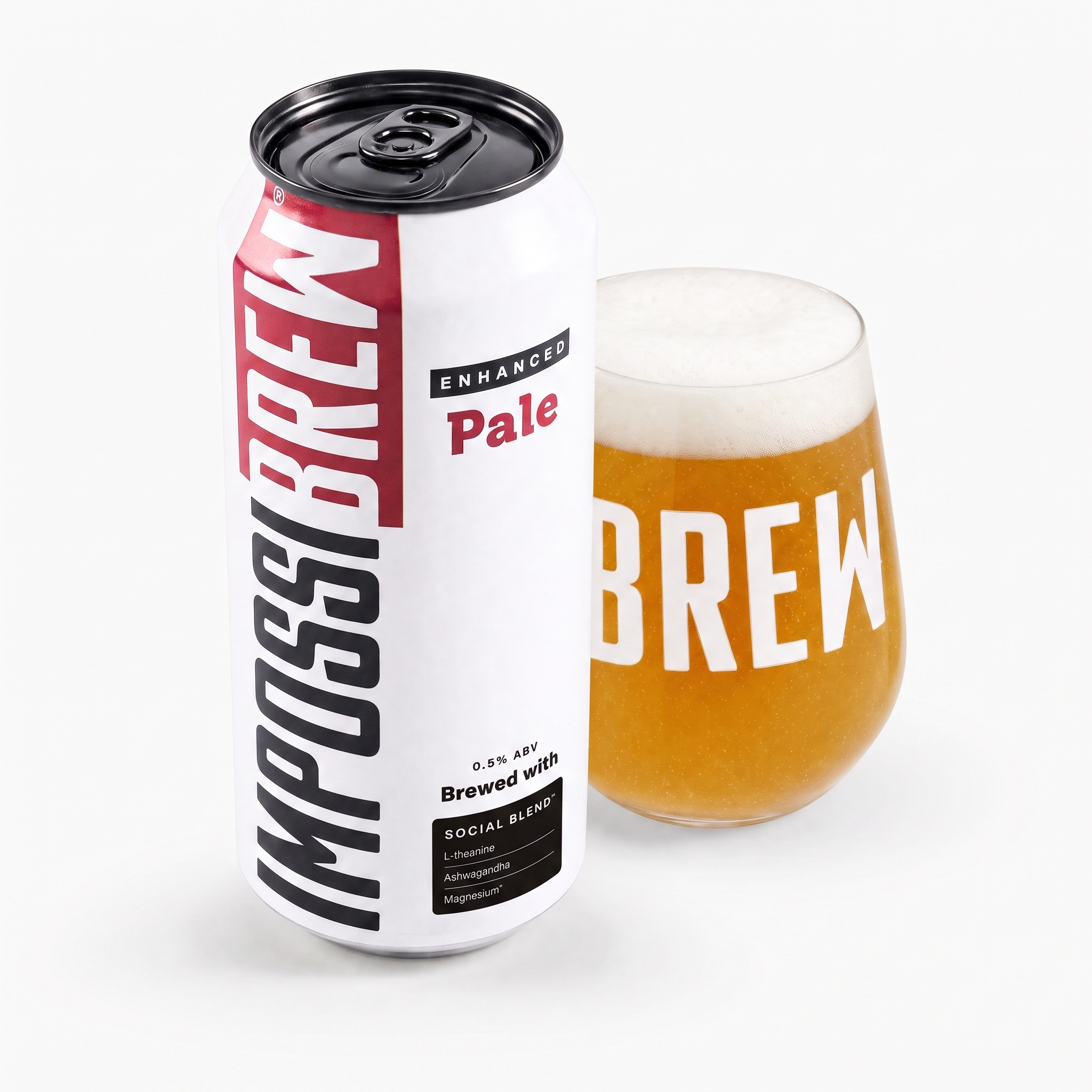
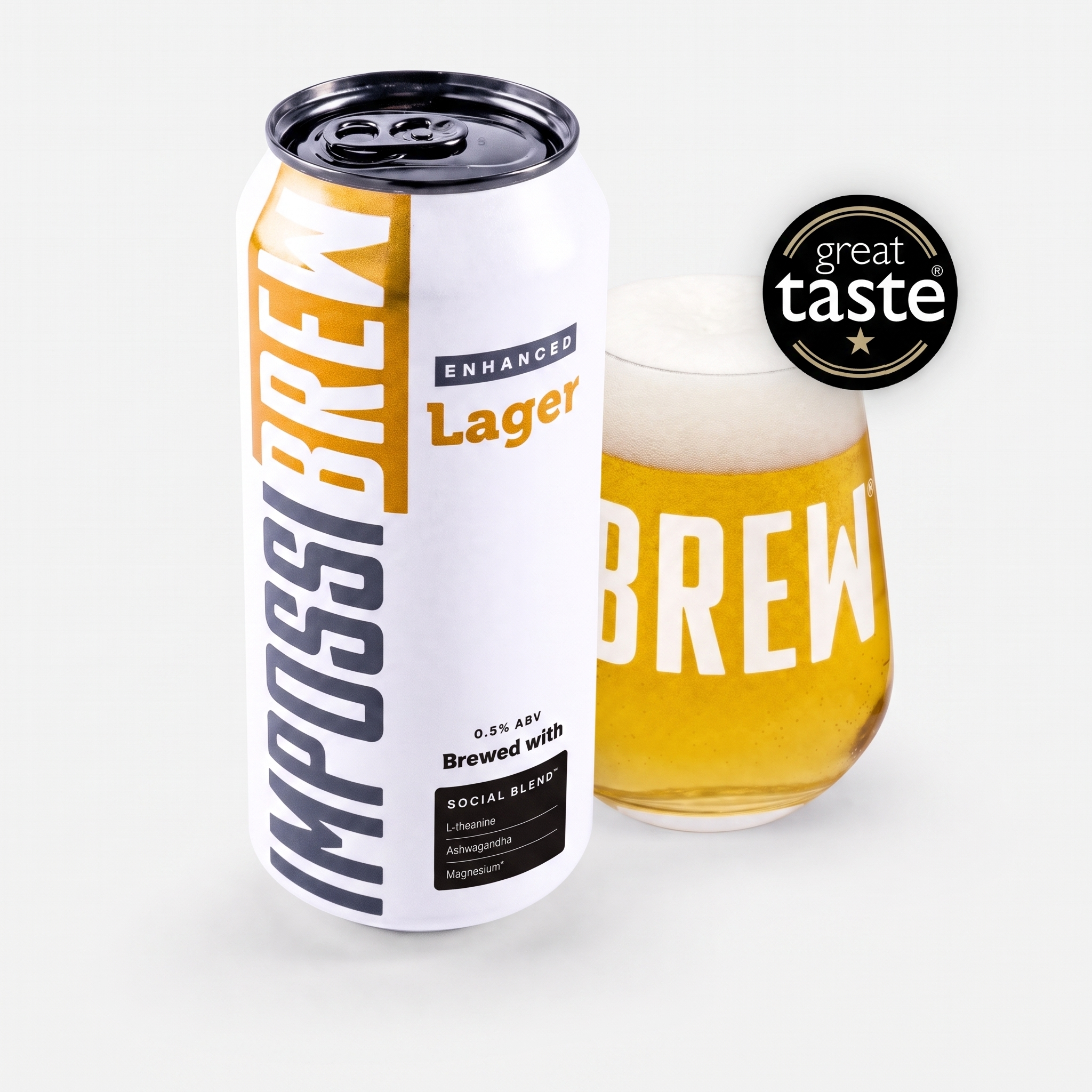
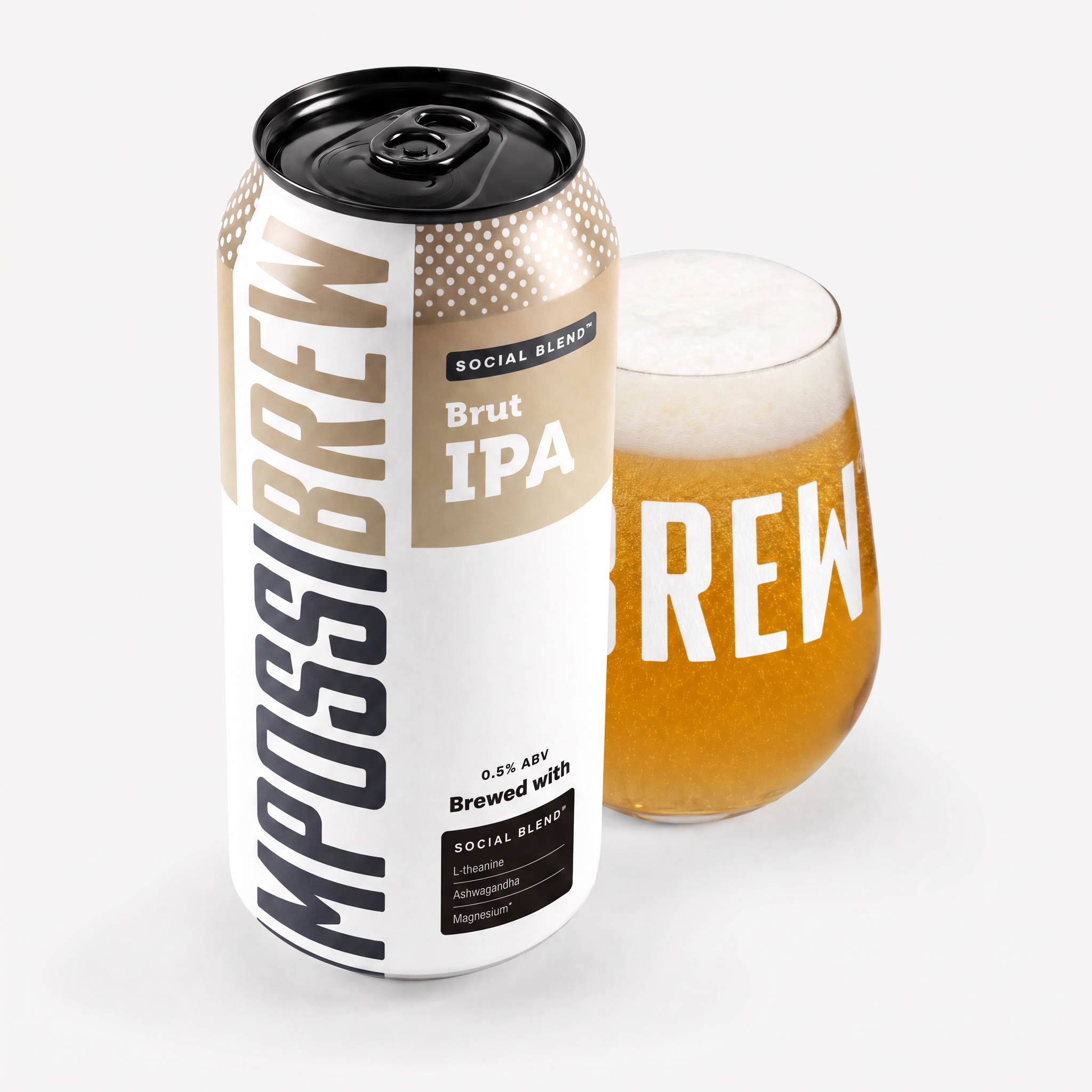
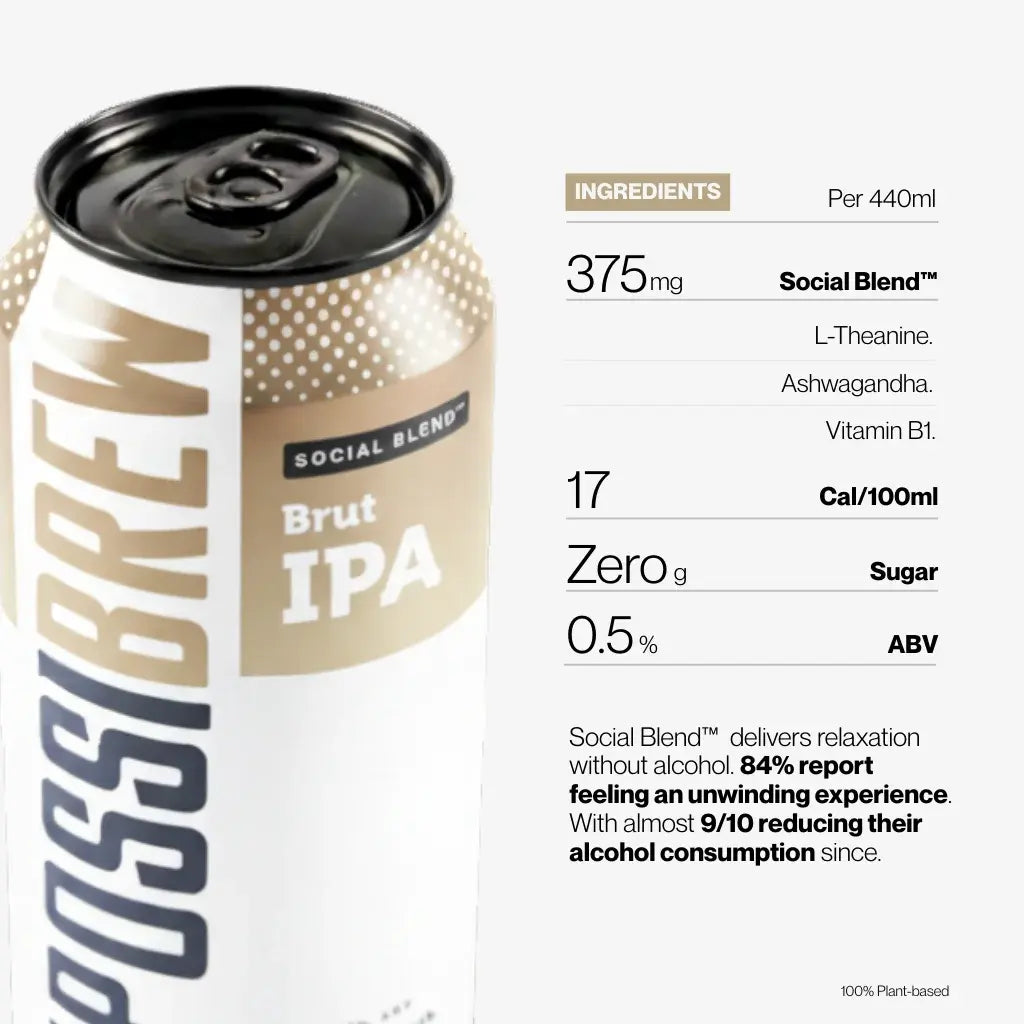
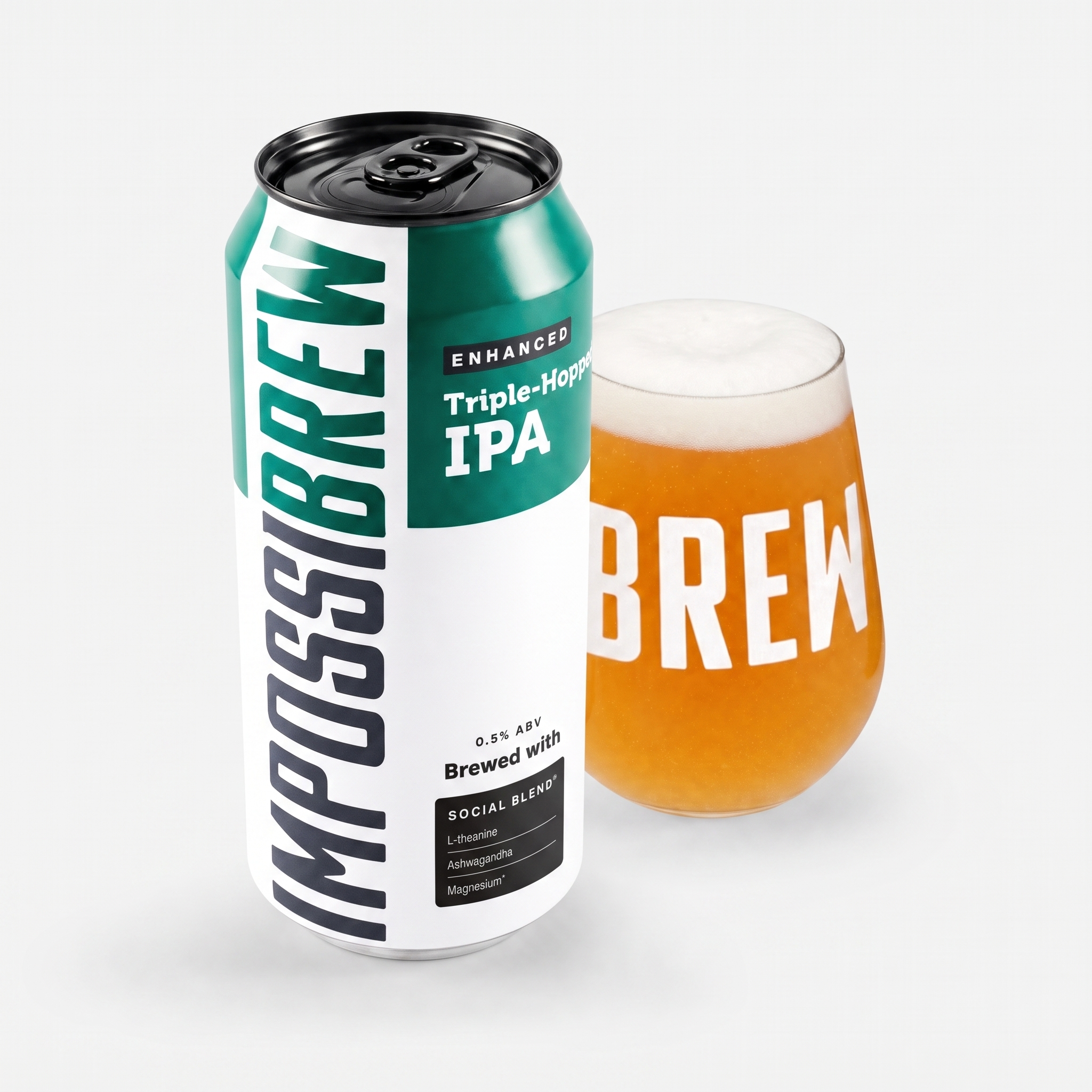
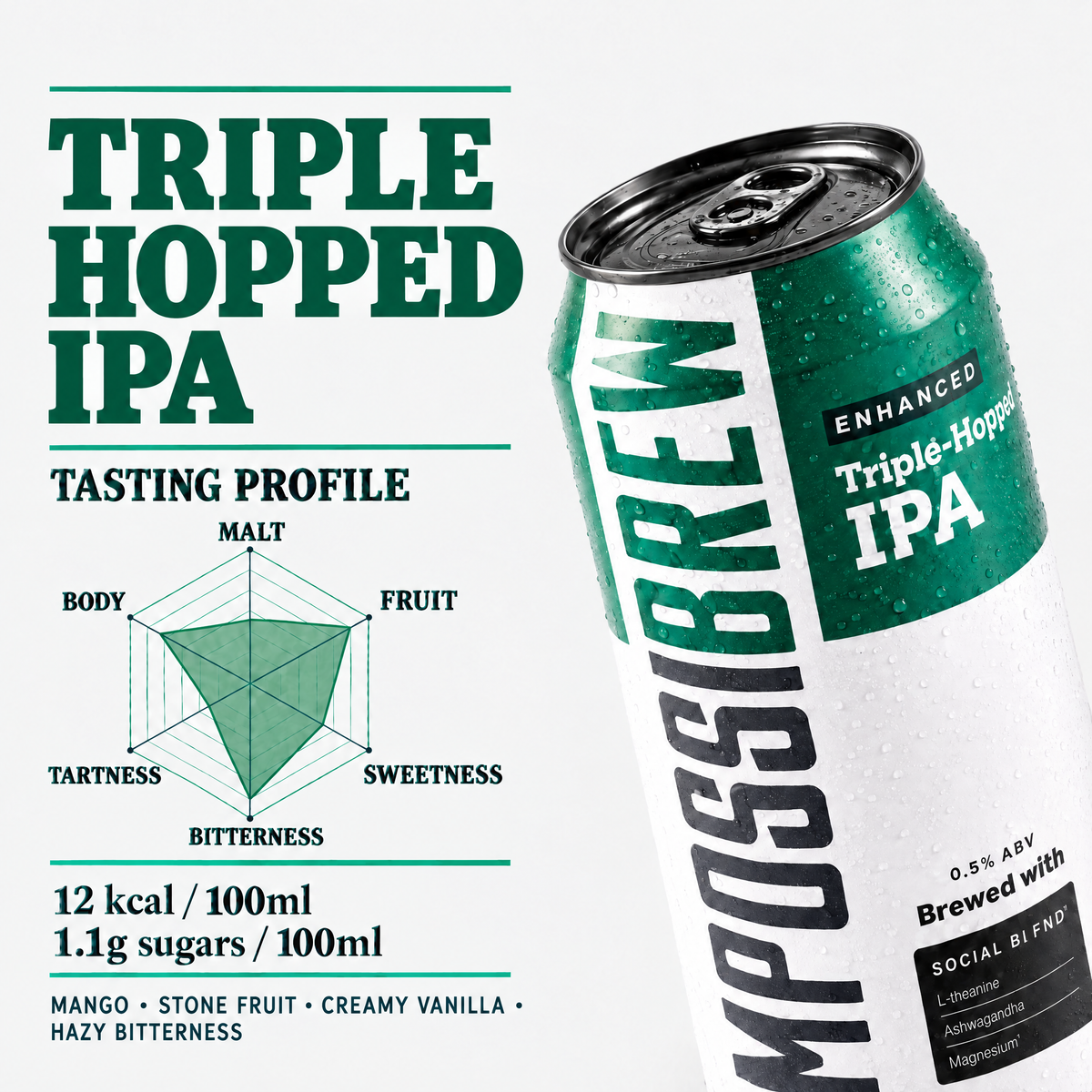
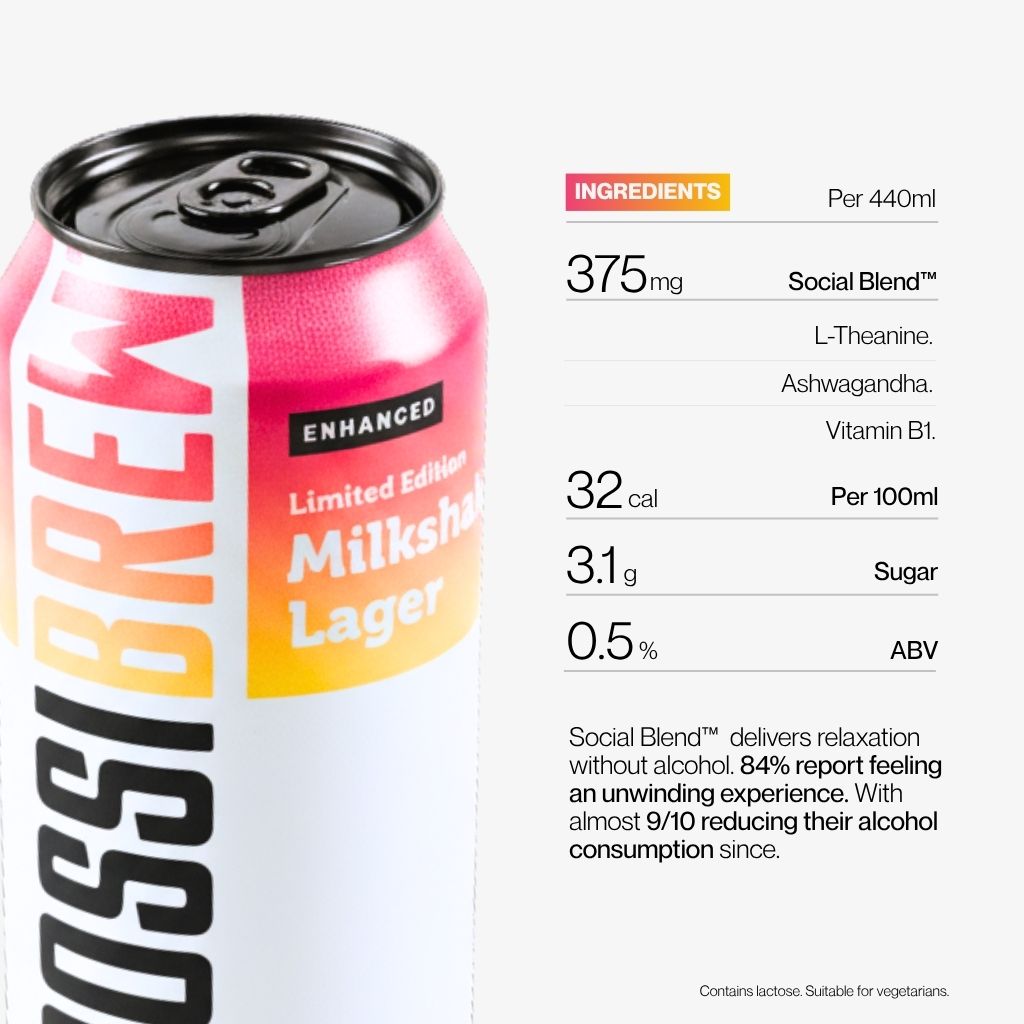
IMPOSSIBREW® showcases how science-backed ingredients can elevate non-alcoholic beers. Their unique Social Blend™ includes:
- L-Theanine to encourage relaxation
- Ashwagandha to ease stress
- Soluble Plant Fibres to enhance texture
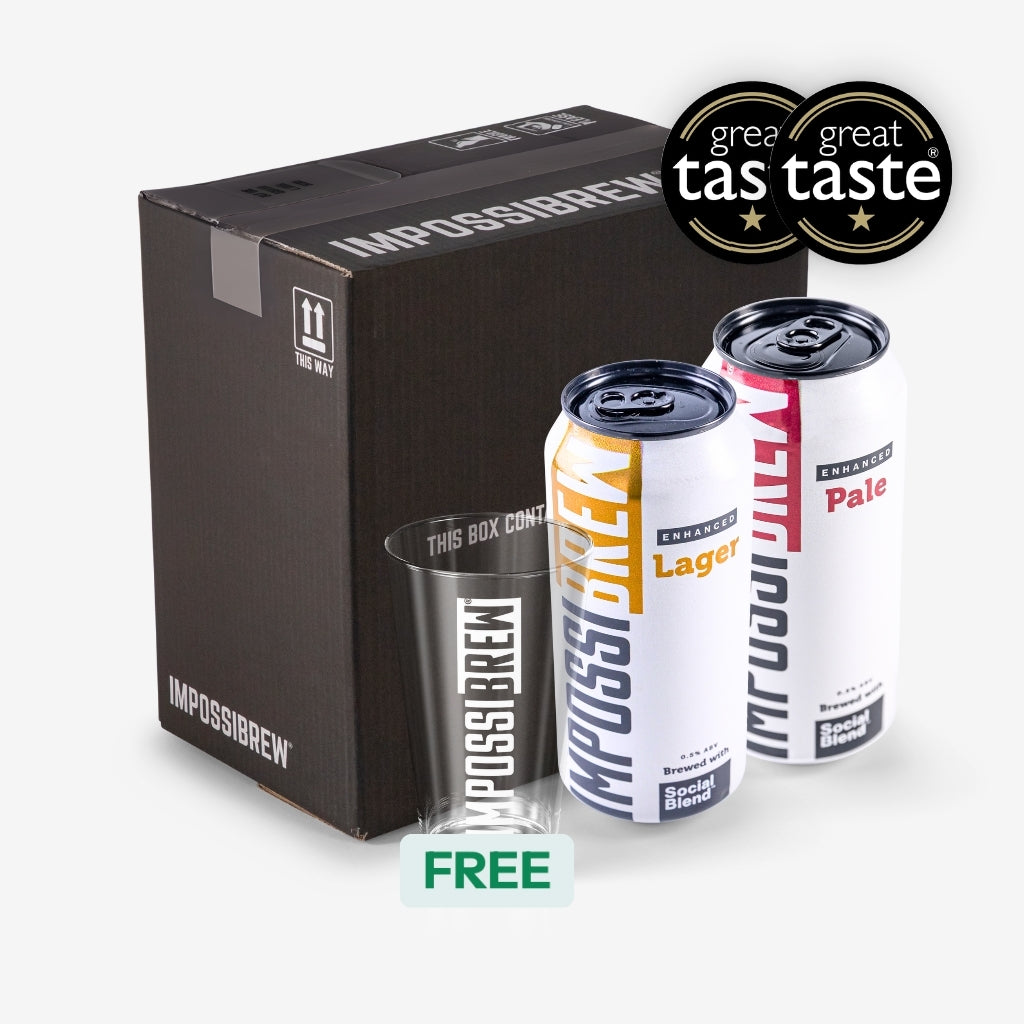
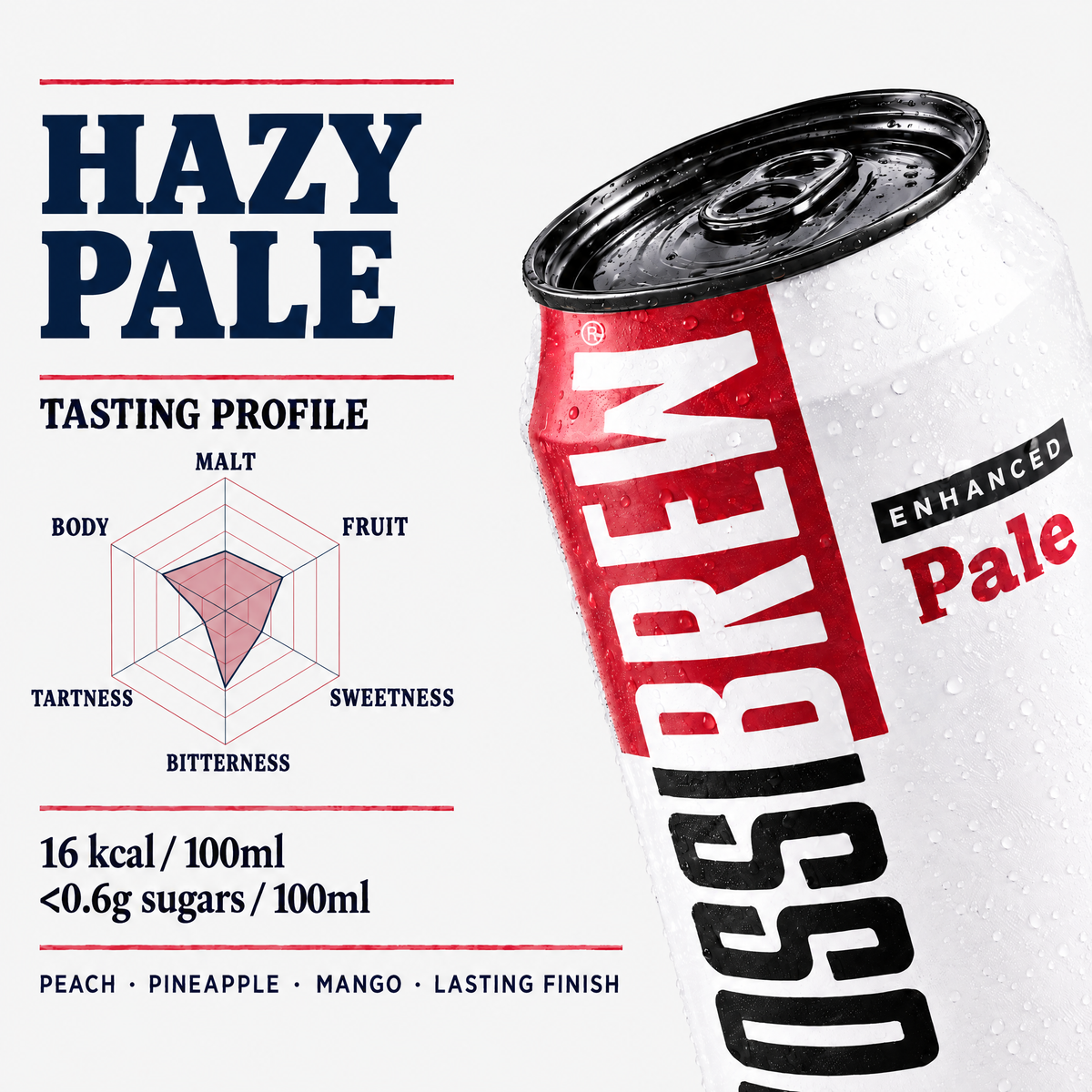
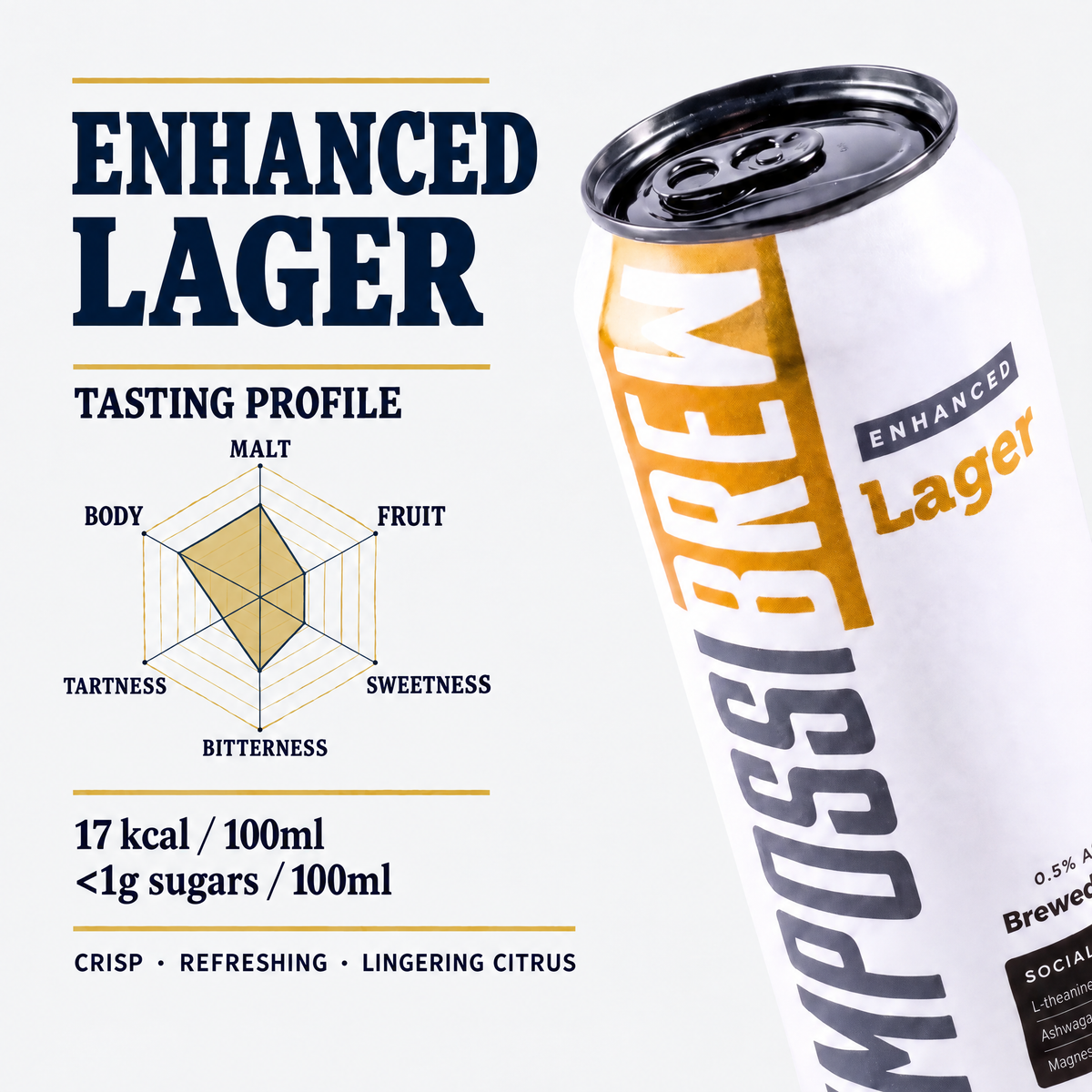
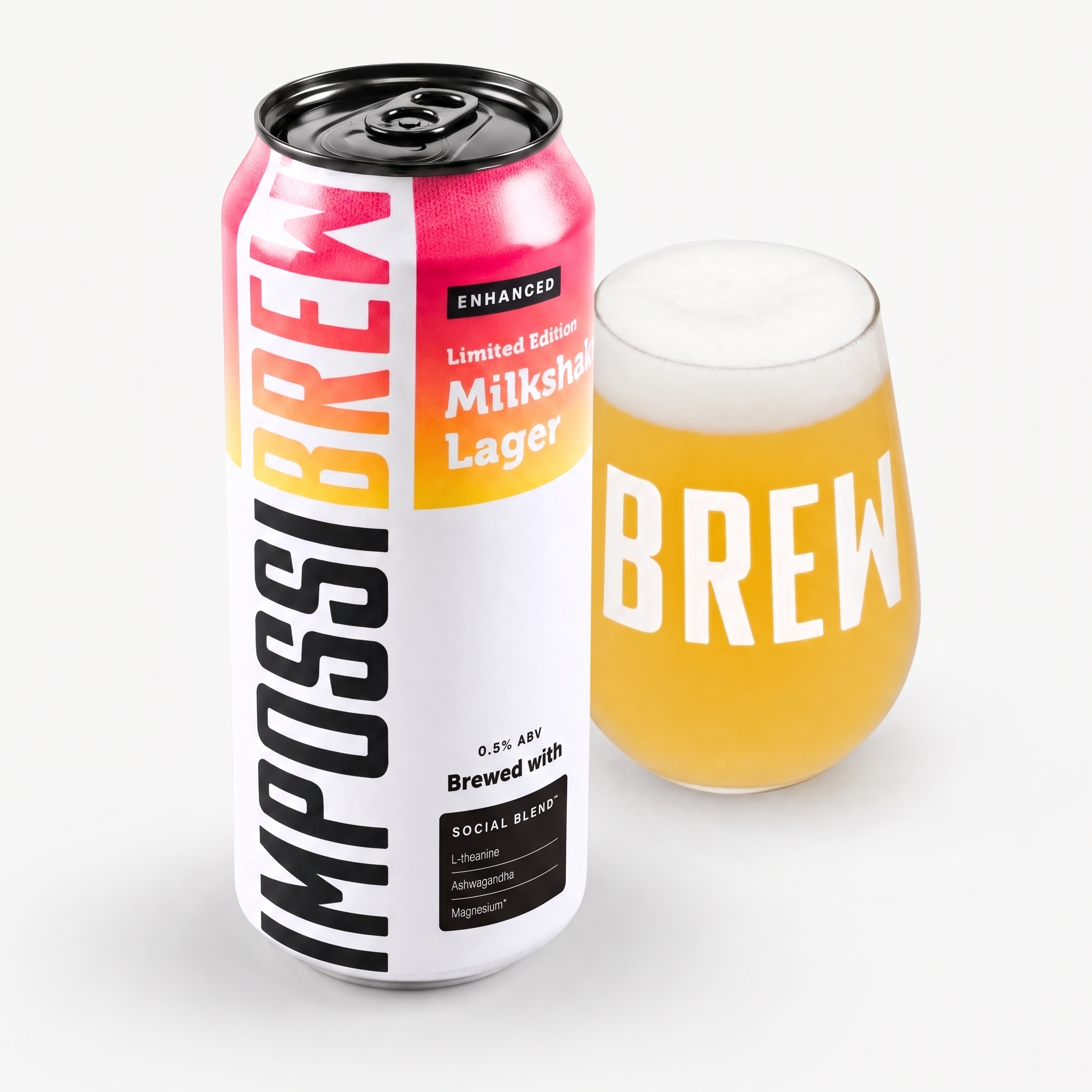
The brand’s brewing process ensures these ingredients work together seamlessly, producing beers that relax without sacrificing flavor. Their Enhanced Lager and Enhanced Pale Ale stay true to the taste of traditional beers while offering added benefits [2][4].
This scientific approach is reshaping the world of functional beers, meeting both taste and wellness expectations. It highlights the potential for continued growth and innovation in non-alcoholic brewing [3].
Influence of Multisensory Science on Consumer Preferences
The way consumers experience functional beers through their senses has reshaped product development in the non-alcoholic beer market. Advances in multisensory science now allow brands to craft beverages that meet both sensory expectations and functional needs.
Psychology of Taste and Relaxation
Sensory elements play a big role in how people perceive beer, but their psychological impact is just as important. Studies reveal that the full sensory experience strongly influences how satisfied consumers feel and how they perceive the benefits of functional non-alcoholic beers.
Neuroscience has shown how the brain processes combined sensory inputs, affecting not just taste but also overall satisfaction and relaxation [1]. This insight has driven innovations aimed at enhancing the psychological appeal of functional beers:
- Relaxation Effects: Pairing sensory cues with functional ingredients to maximize calming properties.
- Social Rituals: Preserving the communal and ceremonial aspects of traditional beer in alcohol-free versions.
- Familiarity: Keeping recognizable sensory features while offering added functionality.
Future Developments in Functional Beverage Design
The functional beer industry has seen breakthroughs in areas like:
- Brewing Techniques: New methods that improve both sensory qualities and the effectiveness of functional ingredients.
- Bioavailability: Better systems for delivering active compounds without losing the essence of traditional beer.
- Personalization: Tailored approaches that cater to individual preferences while ensuring consistent functionality.
Brands like IMPOSSIBREW® are leading the charge, blending traditional brewing with modern functional ingredients to meet changing consumer needs [2][4].
Emerging trends in functional beer design include:
- Precise Control: Fine-tuned timing and release of functional ingredients.
- Sensory Harmony: Better alignment of taste, aroma, and functional properties.
- Wellness Integration: Products designed to fit seamlessly into modern health-focused lifestyles.
These advancements are shaping a new chapter for functional beers, combining sensory enjoyment with wellness benefits in ways that resonate with today’s consumers.
Conclusion: Future of Functional Beers
The combination of sensory science and brewing advancements is changing the game for non-alcoholic beers. With ongoing research into how our senses work together, brewers are crafting alcohol-free options that are not only enjoyable but also offer added health perks.
Key Points
As more people look for drinks that match their wellness goals, three trends are shaping the path forward for functional beers:
- Sensory Integration Technologies: New tools like advanced flavor systems and immersive visuals are making it possible to create more engaging drinking experiences [1]. These technologies help brewers fine-tune taste, aroma, and even appearance, ensuring every sip meets high standards.
- Functional Ingredients: Brands like IMPOSSIBREW® are leading the way by using ingredients like their Social Blend™ to mimic the relaxing effects of alcohol. Impressively, 70% of users report feeling relaxed, and 88% say they’ve cut back on alcohol consumption [2][4].
- Focus on Consumer Needs: The future of these beers lies in creating tailored experiences. Advances in brewing now allow active compounds to be absorbed more effectively, all while maintaining the familiar beer taste [1][3].
With breakthroughs in sensory science and functional ingredients, functional beers are set to play a major role in the beverage market. They offer a unique mix of enjoyment and wellness, perfectly suited for today’s health-conscious drinkers.