The study explores how bitterness impacts the taste and consumer acceptance of non-alcoholic beer in the UK, where demand for these beverages is growing. Key findings include:
- Bitterness Balance Matters: Bitterness, derived from hops, is essential for flavour but harder to manage in non-alcoholic beer due to the absence of alcohol, which contributes to body and balance.
- Demographics Shape Preferences: Younger drinkers and women tend to prefer milder bitterness, while IPA enthusiasts seek stronger bitterness levels.
- Techniques for Control: Brewers use methods like hop timing, specialty malts, and modern technologies (e.g., vacuum distillation, membrane filtration) to manage bitterness effectively.
- Science-Backed Ingredients: Innovations like microencapsulation and nootropic herbs help refine taste and mimic the sensory effects of alcohol.
- Market Growth: The UK non-alcoholic beer market is expanding, driven by health-conscious consumers and improved product quality.
The research highlights how advanced brewing methods and understanding consumer preferences can help create non-alcoholic beers that meet modern tastes while maintaining the depth of flavour associated with beer.
Consumer Preferences for Bitterness
Consumer Groups and Bitterness Preferences
This section delves into how different consumer demographics influence preferences for bitterness, with the aim of refining bitterness control. The study highlights key consumer groups with distinct tastes. Age stands out as a major factor, with younger consumers showing preferences that differ significantly from older age groups. For instance, nearly 27% of younger adults aged 21–29 report consuming beverages weekly [4].
Research by Gliszczyńska‐Świgło et al. (2025) observed that young Polish consumers under 35 tend to favour flavoured products, followed by lighter beer varieties [5]. This suggests that younger drinkers lean towards milder bitterness and often seek refreshing options.
Gender also influences these preferences. Women are more inclined to choose flavoured beer products compared to men [5]. Additionally, there exists a segment of consumers whose preferences align closely with traditional beer styles [2]. These insights underline the role of demographics in shaping how bitterness is perceived and preferred.
How Demographics Affect Bitterness Perception
Age and gender are not the only factors shaping how consumers experience bitterness in non-alcoholic beer [3]. Psychological factors, such as product labelling, play a significant role in altering sensory perception. For example, labelling a beer as "bitter" can heighten its perceived bitterness without affecting other qualities like its refreshing nature [1].
Beer colour also influences expectations. Darker beers are often assumed to taste more bitter [1]. A 2022 study by Blackmore et al. in Belgium confirmed this link, noting:
"Beer colour and under some circumstances sensory descriptors can shape consumers' perception of beer taste, flavour, and mouthfeel. Liking of beer was only influenced by labelled and actual alcohol content, not by beer colour or sensory descriptors. Expectations act as a mediator, transferring the effect of intrinsic (beer colour) and extrinsic (labelled alcohol content and sensory descriptor) product cues to shape consumer sensory experience." [1]
Interestingly, individual preferences vary widely. Some consumers prefer higher bitterness in lower-alcohol beers to compensate for the reduced body intensity [2]. These findings highlight how demographics and psychological cues together influence bitterness preferences.
Bitterness Levels Preferred by Different Groups
The study measured bitterness preferences using International Bitterness Units (IBU) across various consumer groups and beer styles. For traditional lager drinkers, the IBU range typically falls between 24.3 and 54.4, aligning with the bitterness levels of standard beers [2].
IPA drinkers, on the other hand, often seek a bolder taste. Three out of five non-alcoholic IPAs in the study had IBUs exceeding 50, mirroring the bitterness range of alcoholic IPAs, which typically fall between 50 and 70 IBU [2]. In contrast, wheat ales cater to those who prefer a gentler profile, with IBUs ranging from 12.3 to 33.0 [2].
Here’s a summary of the IBU ranges and the corresponding consumer profiles for key beer styles:
| Beer Style | IBU Range (Non‐Alcoholic) | Consumer Preference Profile |
|---|---|---|
| Lager | 24.3–54.4 | Moderate bitterness; appeals to traditional beer drinkers |
| IPA | 23.2–76.5 | Strong bitterness; attracts authenticity seekers |
| Wheat Ale | 12.3–33.0 | Lower bitterness; milder and more accessible |
In non-alcoholic beers, where alcohol doesn't contribute to body and mouthfeel, some consumers prefer a more pronounced bitterness. However, preferences can vary by region. For instance, American consumers tend to be less satisfied with beers that are overly "beer-like" in aroma, taste, and mouthfeel [2]. These findings are crucial for tailoring bitterness levels to suit diverse consumer expectations in non-alcoholic beer production.
Brewing Methods for Bitterness Control
Main Brewing Techniques for Bitterness Control
Brewers rely on specific techniques to carefully manage bitterness in non-alcoholic beer. Among these, hop selection and timing are pivotal. The stage at which hops are added during the boil significantly impacts the beer's final bitterness. For instance, adding bitter hops early in the boil extracts maximum bitterness, while later additions focus more on flavour and aroma [7].
To fine-tune the bitterness and flavour profile, brewers add flavour hops with 15-30 minutes left in the boil. For a more aromatic touch without increasing bitterness, aroma hops are introduced in the final 5-10 minutes [7]. This method allows for a layered and complex flavour experience.
Another critical factor is the use of specialty malts, which influence both the beer's colour and its taste. Darker malts bring deeper, richer flavours that help balance the bitterness from hops [7]. This balance is especially crucial for non-alcoholic beer, where the absence of alcohol requires meticulous flavour adjustments to maintain a traditional beer-like experience.
Controlled fermentation is also a major player in bitterness management. Brewers often use specialised yeast strains that produce minimal alcohol while still encouraging complex flavour development. This process requires close monitoring to achieve the desired bitterness without breaching alcohol content limits [6].
Building on these traditional methods, modern brewing technologies have introduced even more precise ways to control bitterness.
New Brewing Technologies
While traditional brewing methods lay the groundwork, newer technologies allow brewers to refine their craft even further. One such method is low-temperature distillation, which uses vacuum conditions to remove alcohol at lower temperatures. This approach helps preserve the delicate aromas and flavours that contribute to a balanced beer profile [6].
Another innovation is membrane filtration, particularly reverse osmosis. This technique uses ultra-fine membranes to separate alcohol from water and flavour compounds, ensuring that the beer retains its original taste profile [6]. By preserving the hop compounds responsible for bitterness, this method ensures that the beer remains authentic in flavour.
Biotransformation techniques push the boundaries even further. By using enzymes and bacteria, brewers can alter the beer's chemical structure to develop rich flavours without producing significant alcohol [6]. These advancements open new doors for creating balanced, non-alcoholic beers.
Some breweries have embraced these technologies, such as low-temperature distillation and membrane filtration, to produce beer concentrates. These concentrates allow for the creation of non-alcoholic beer without reintroducing alcohol into the final product.
David De Schutter from AB InBev's Global Innovation and Technology Centre highlights this shift in brewing practices:
"We created a different brewing process" [12]
This statement underscores the industry's dedication to preserving the essence of traditional beer while eliminating alcohol.
Role of Science-Backed Ingredients
The use of science-backed ingredients has become increasingly important in managing bitterness while enhancing the sensory experience of non-alcoholic beer. Techniques like bitterness suppression involve using ingredients that can mask or reduce bitter tastes through flavour and taste synergy [11].
One innovative approach is microencapsulation, where bitter compounds are enclosed in hollow sugar molecules. This prevents the compounds from interacting with taste receptors, allowing brewers to control how and when bitterness is perceived [11]. This method is key to achieving balanced, harmonious flavours.
Brewers also blend natural ingredients, such as sugar or citric acid, to craft the desired taste profile [11]. Beyond flavour, some science-backed ingredients offer additional functional benefits. For example, a study on non-alcoholic beer containing matured hop bitter acids (MHBAs) found that consuming the beer for three weeks improved mood, sleep quality, and even work performance [9]. Kirin Holdings Company also conducted research on their Matured Hop Extract, confirming its positive effects on mental health [10].
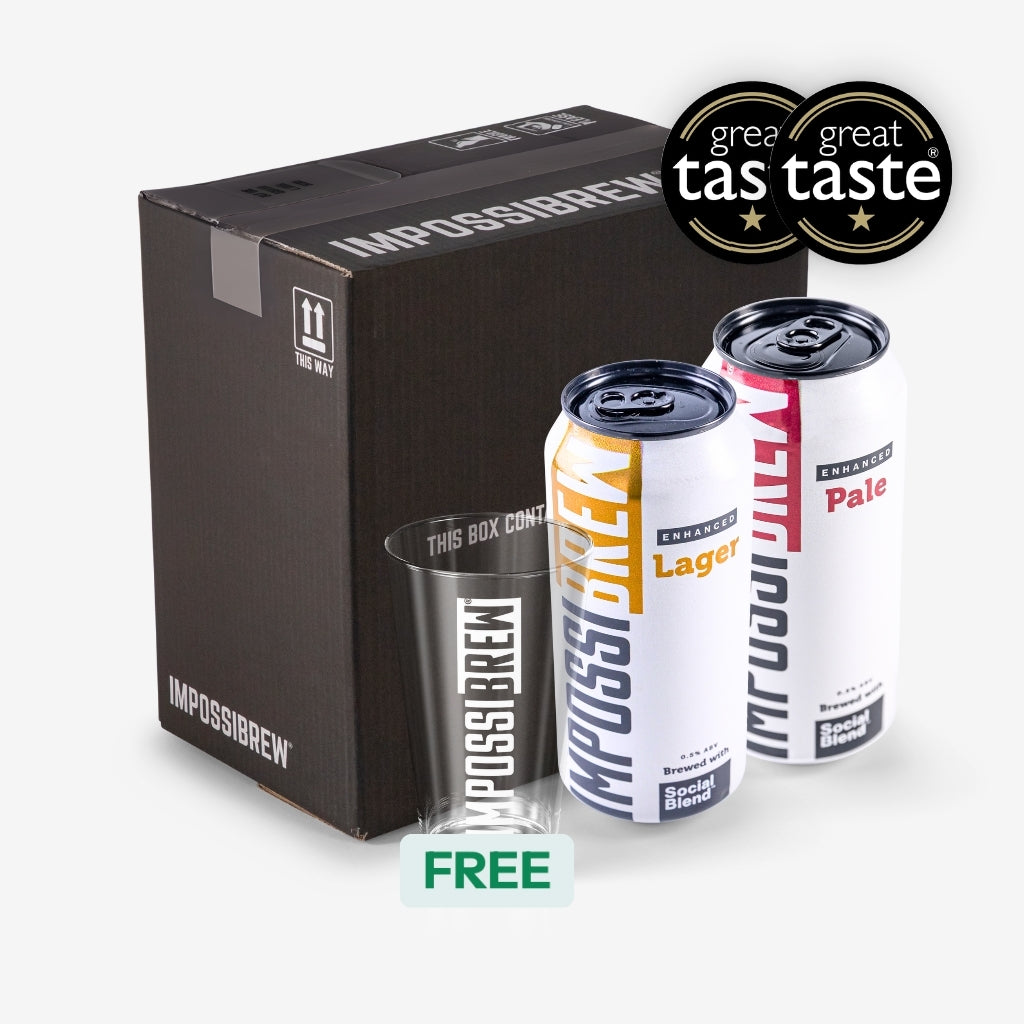
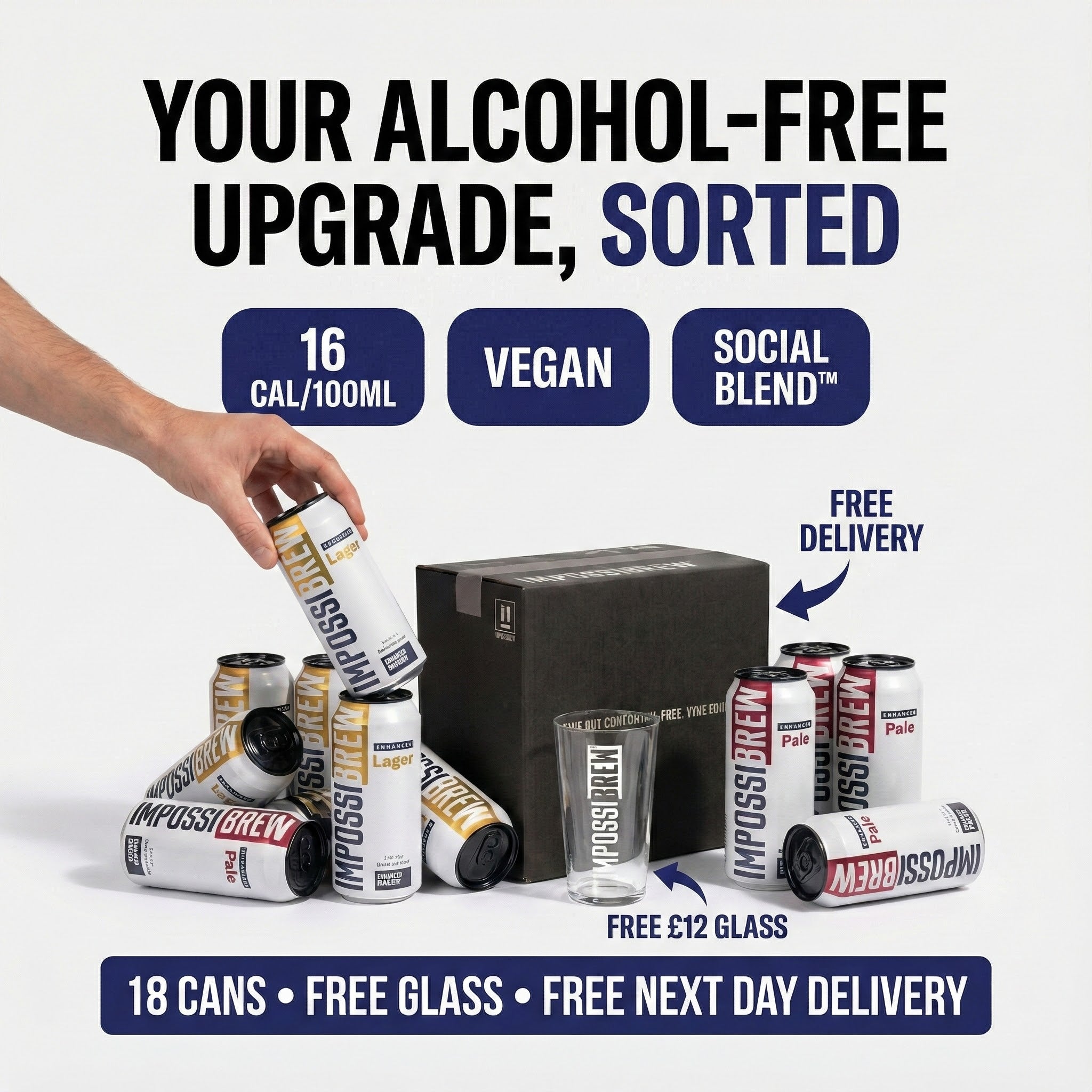
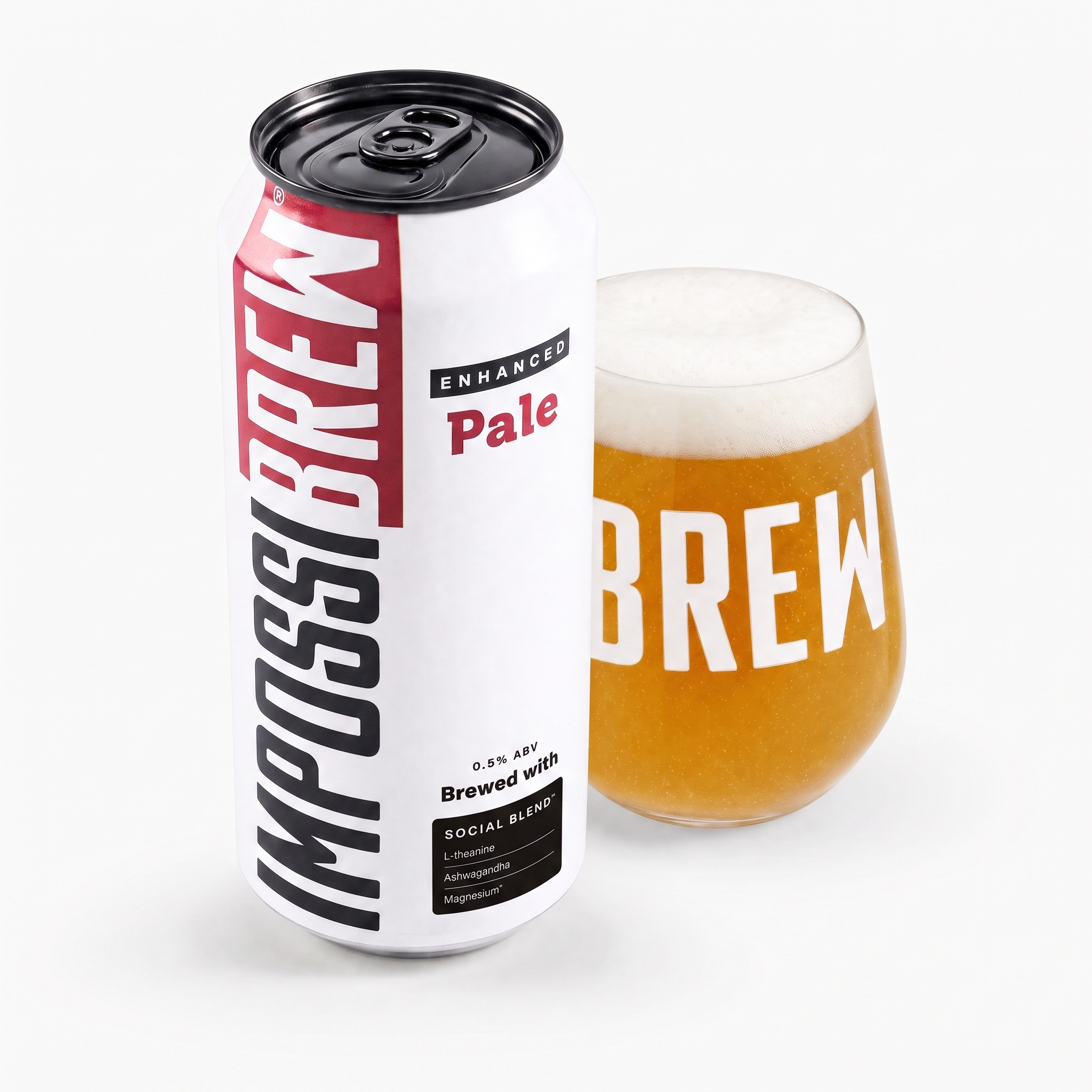
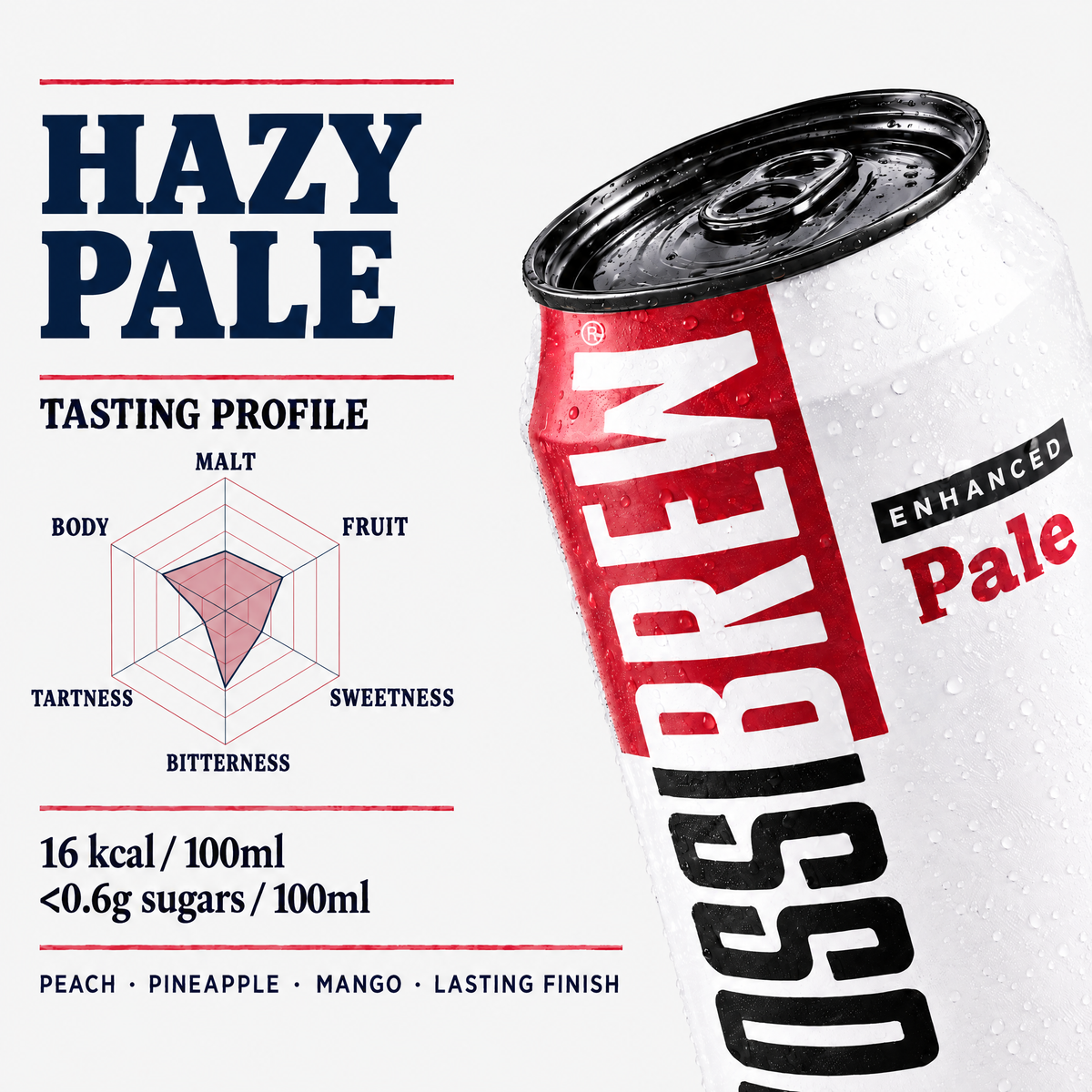
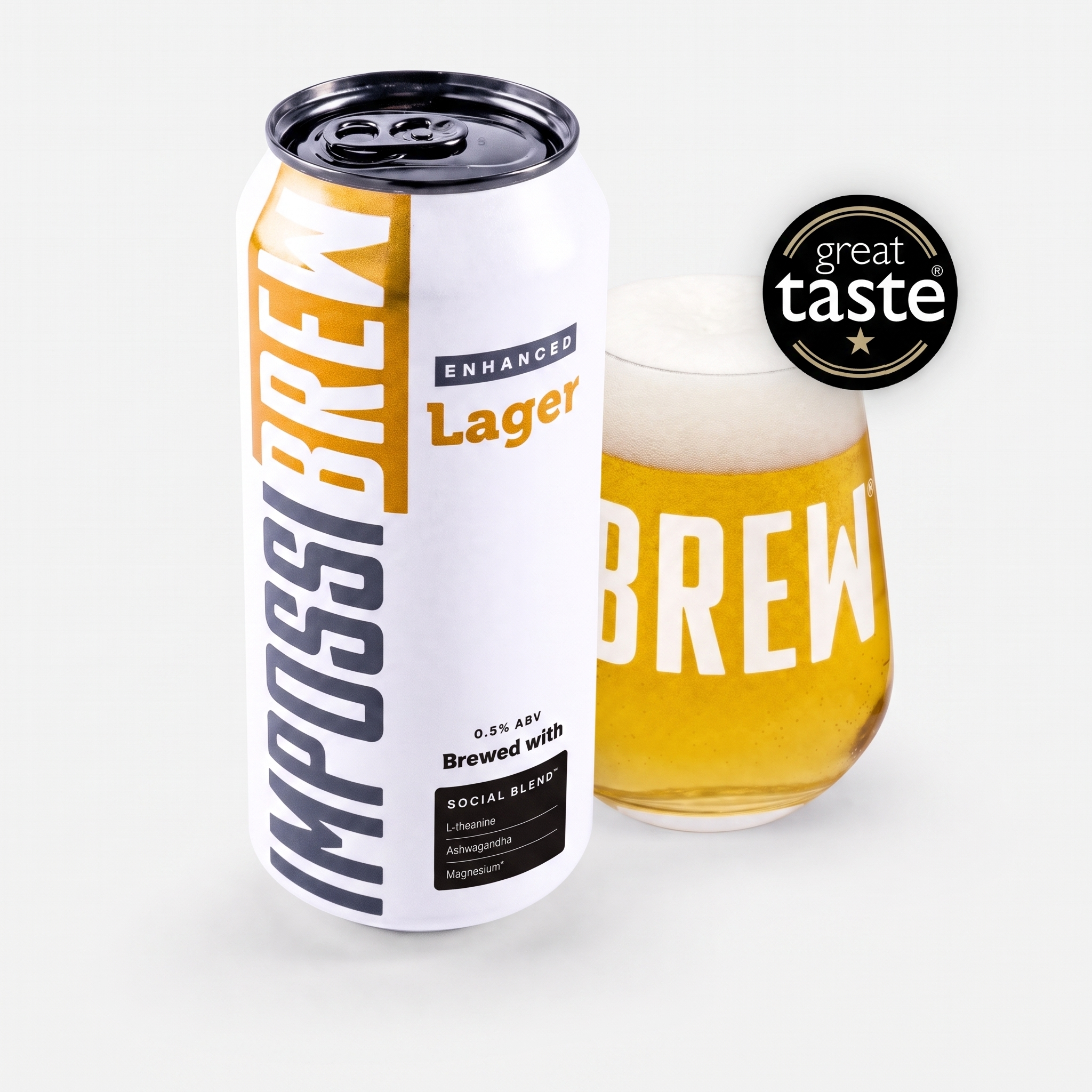
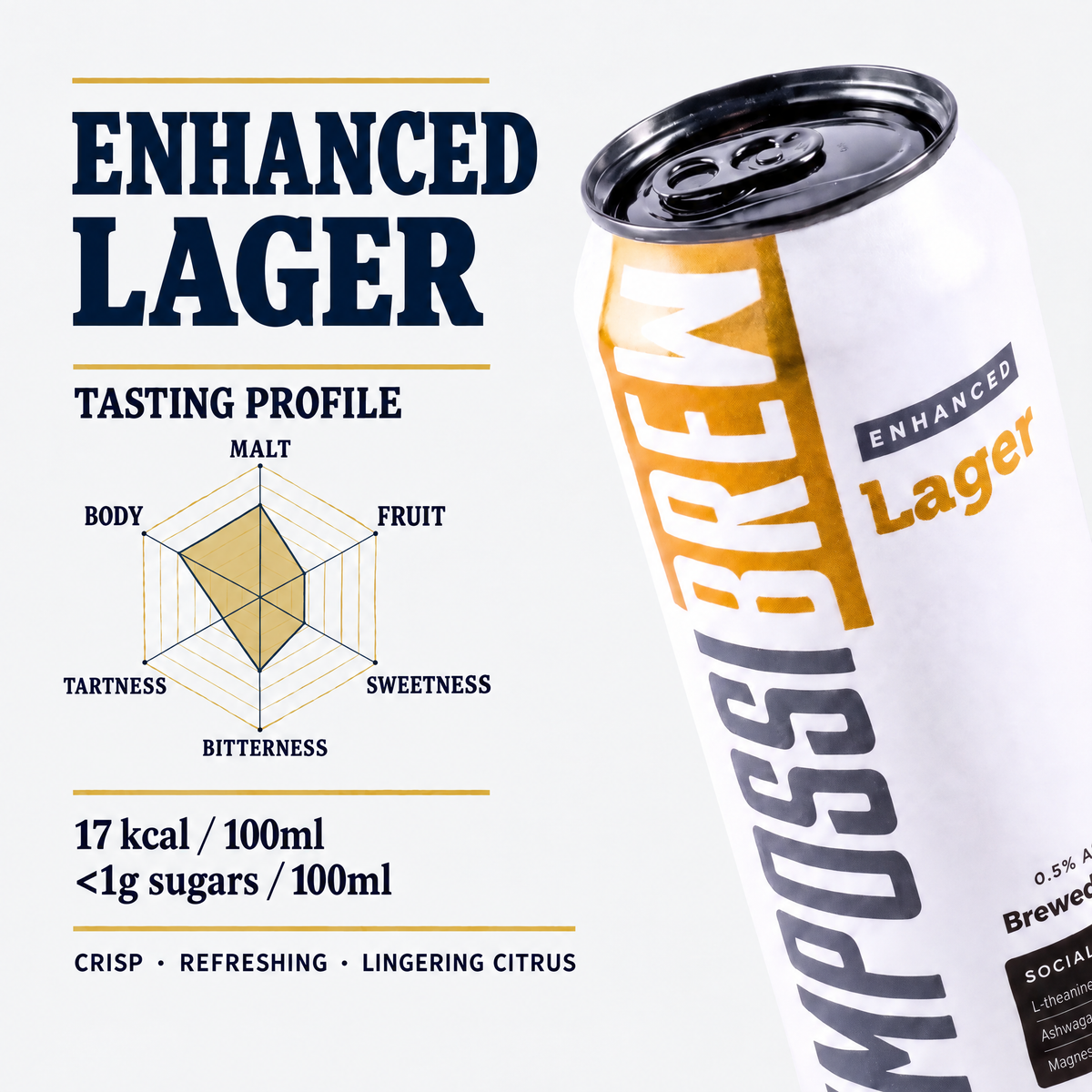
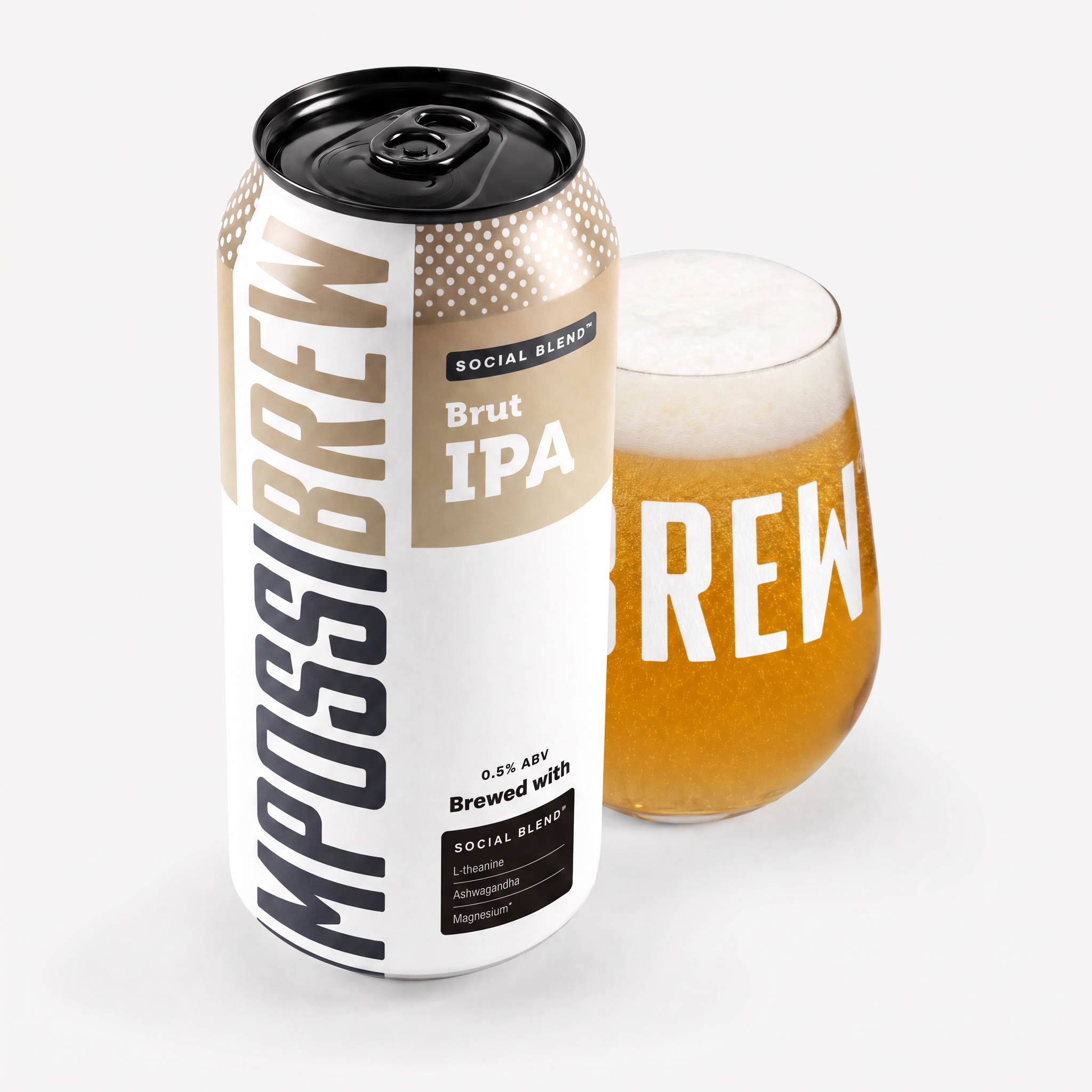
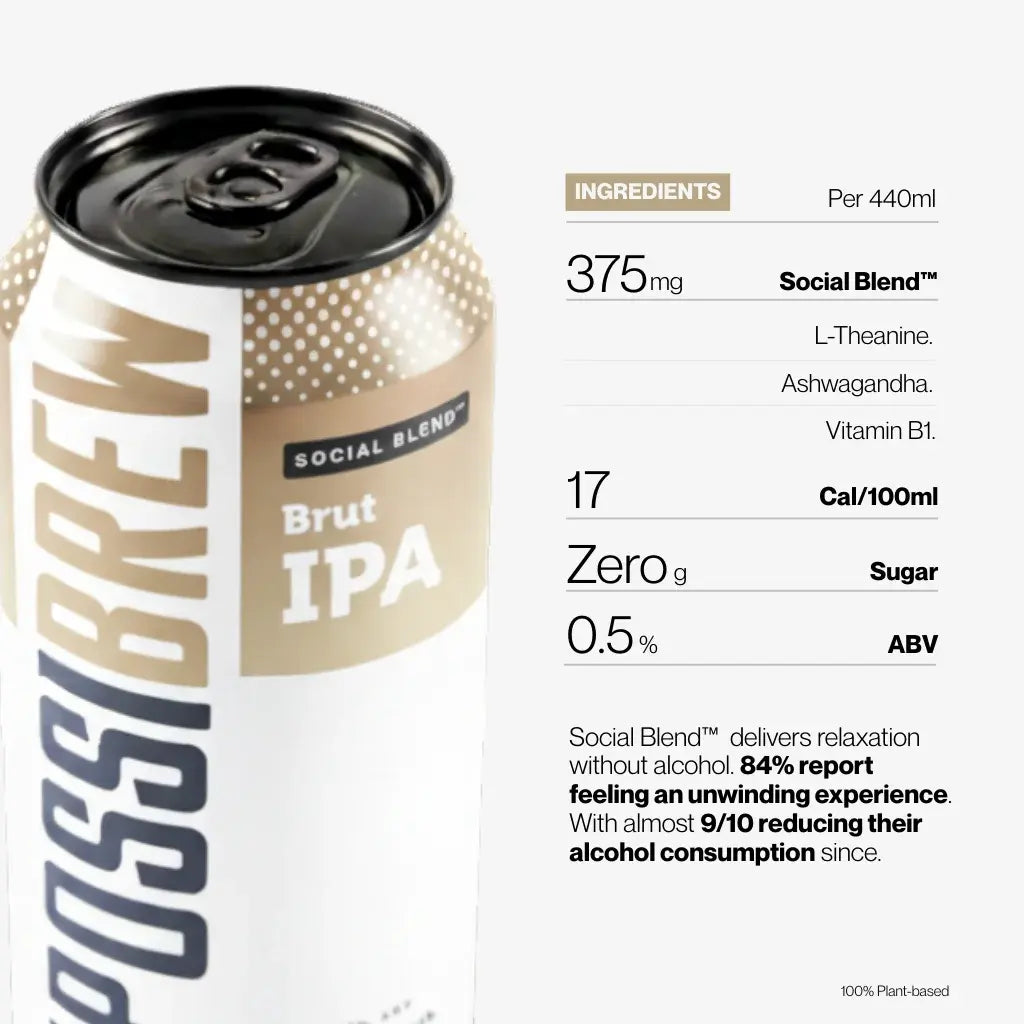
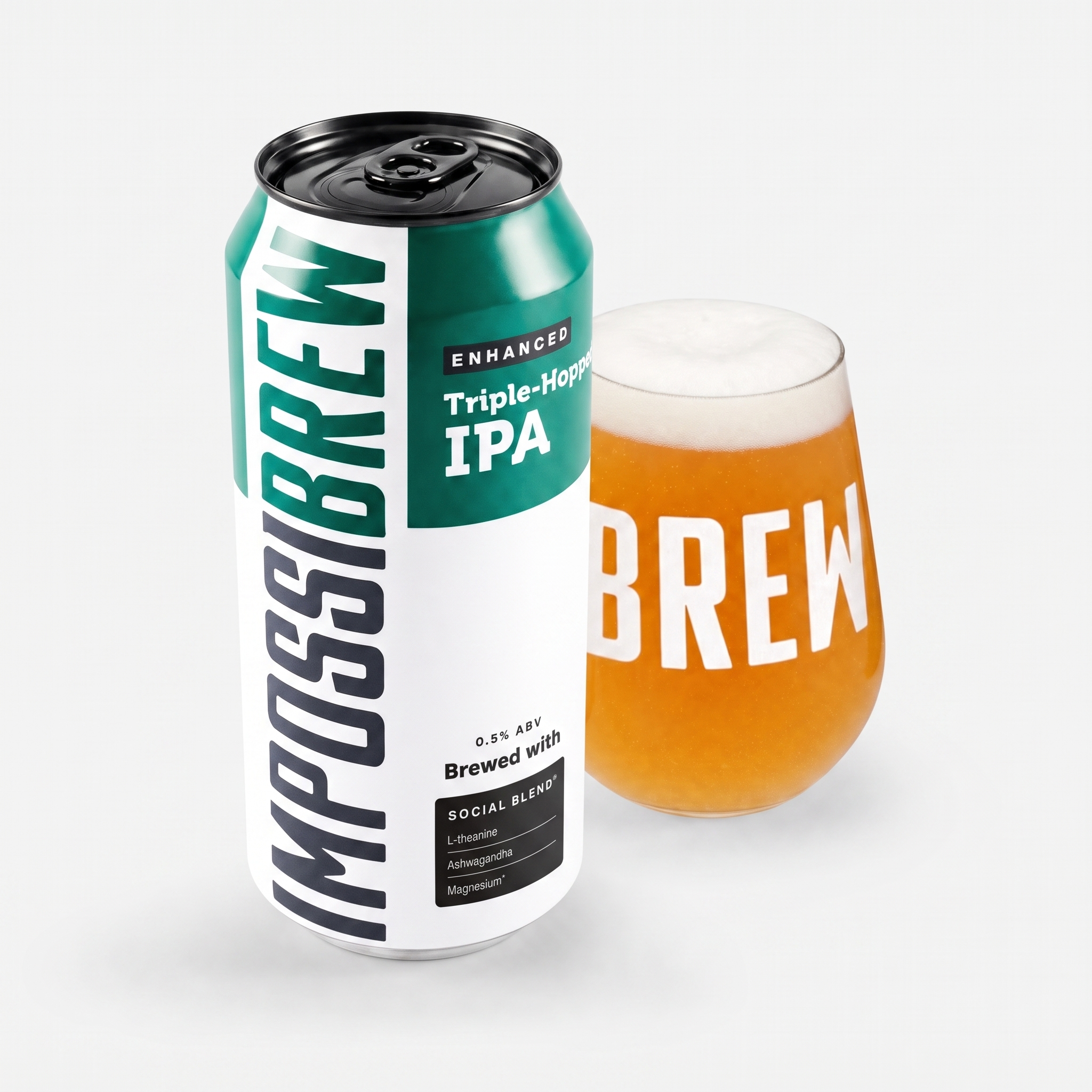
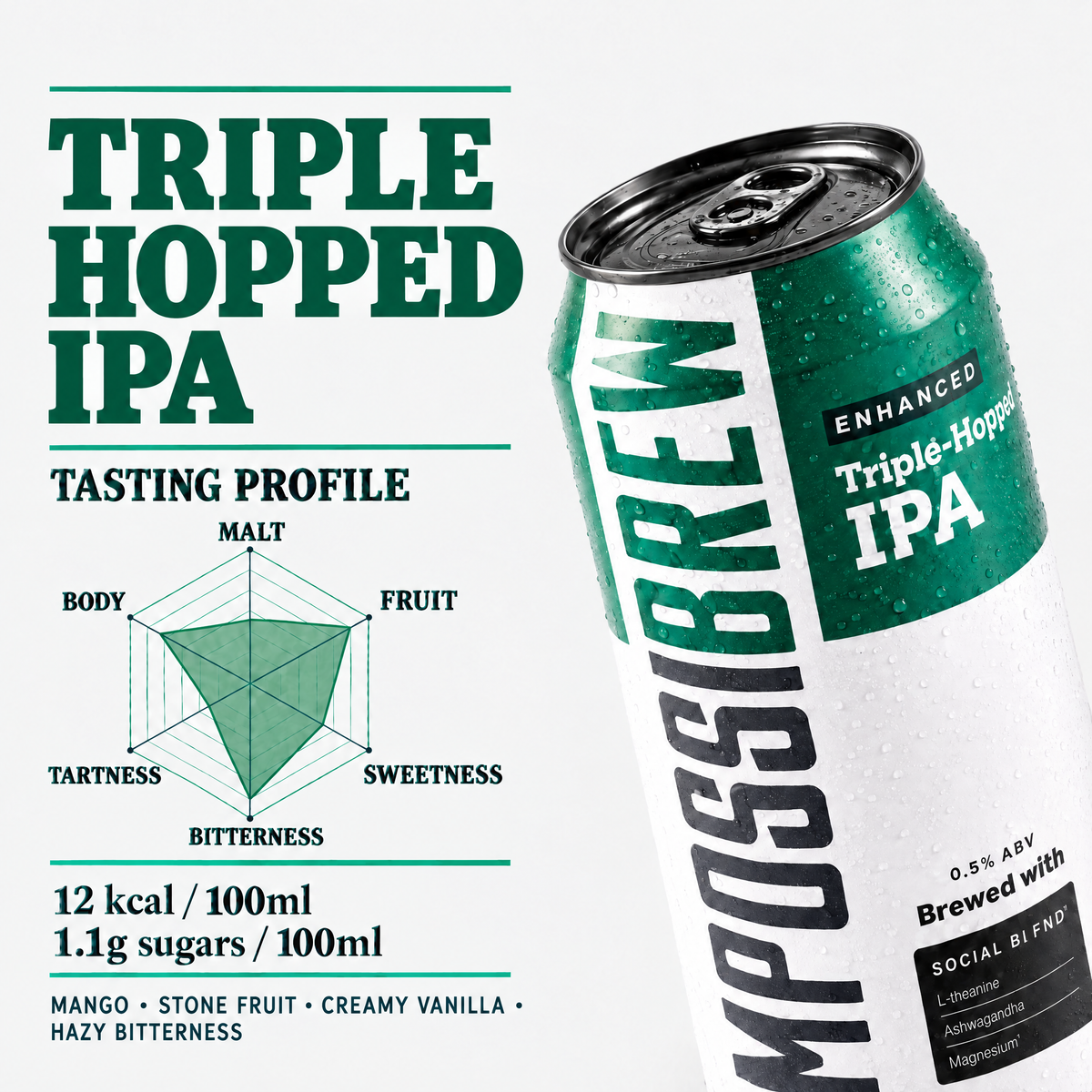
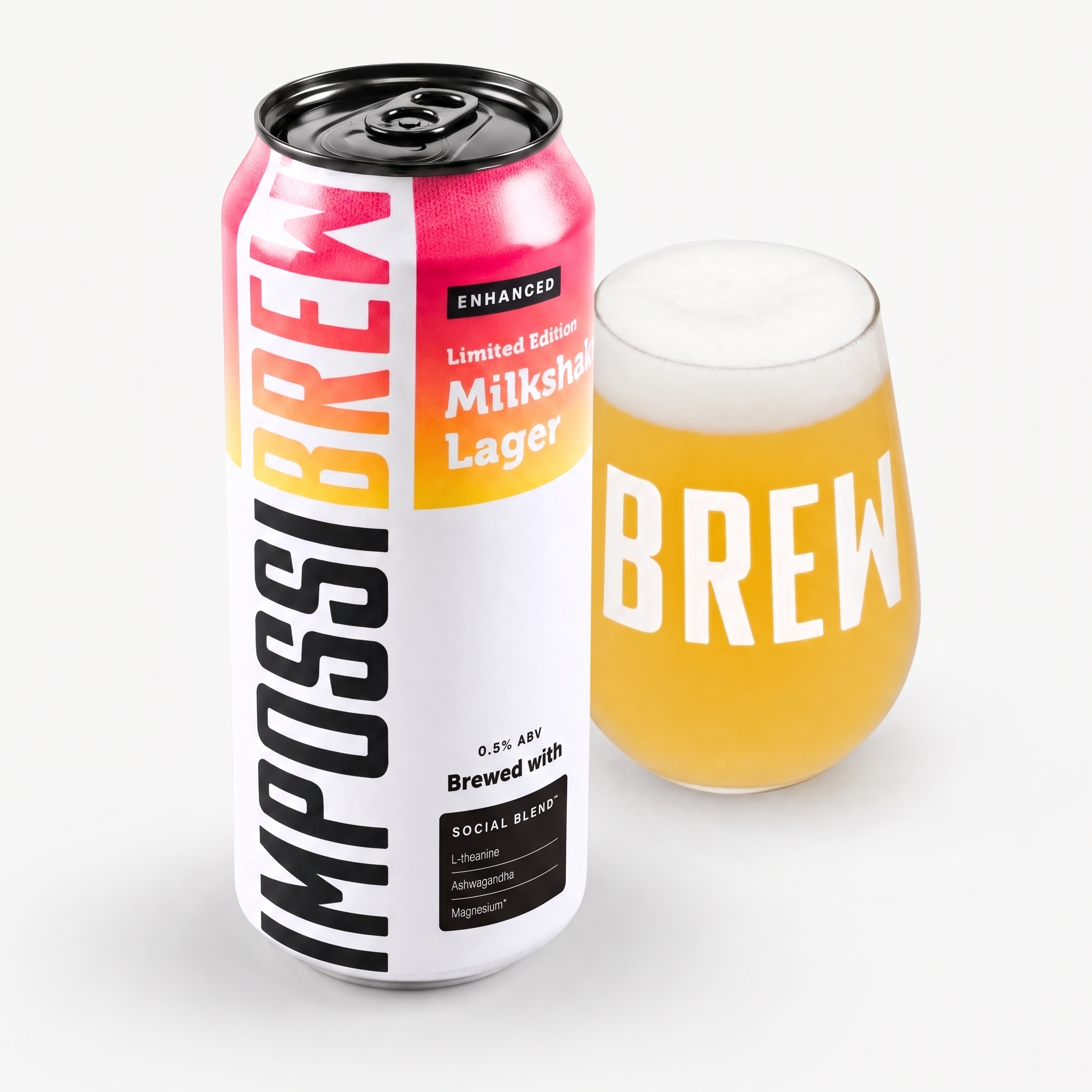
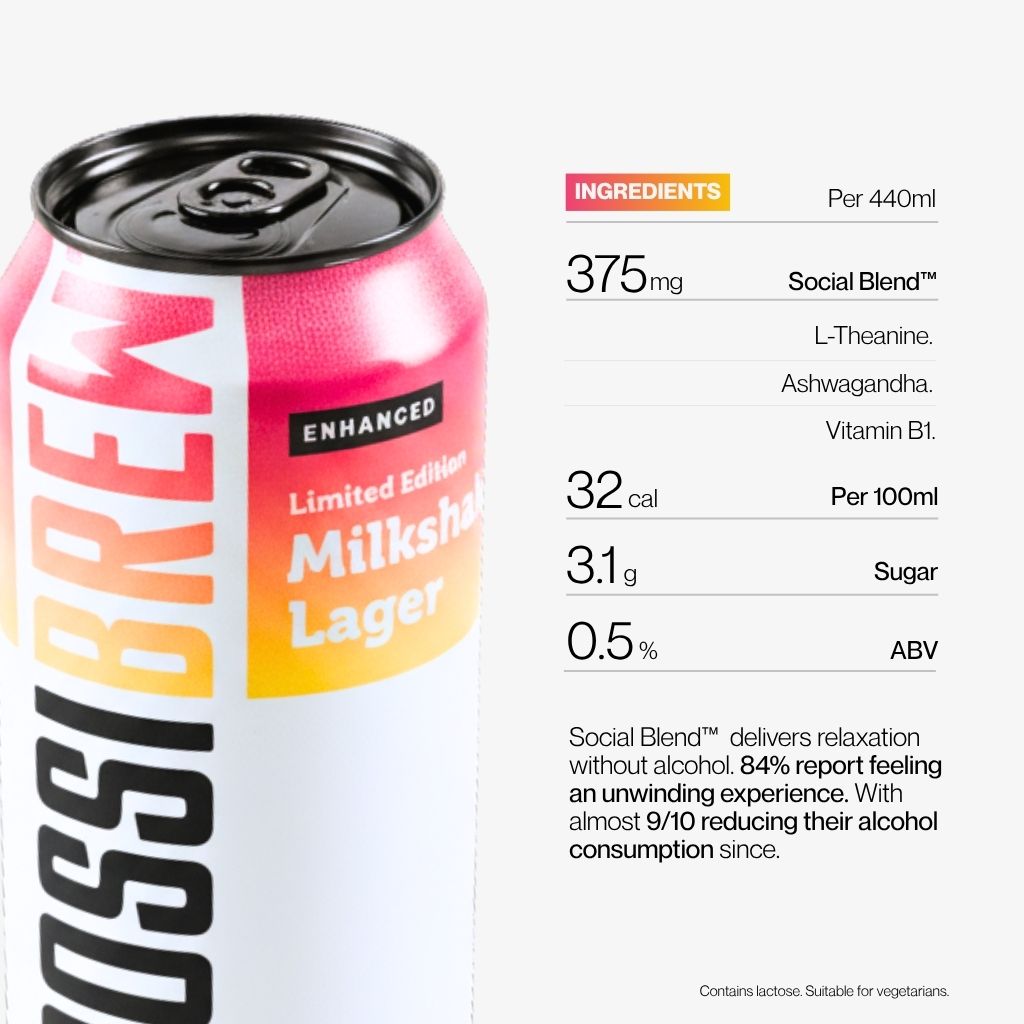
Brands like IMPOSSIBREW® have embraced this science-driven approach. Their proprietary Social Blend™ incorporates carefully selected ingredients to balance bitterness while delivering a satisfying sensory experience. Their Enhanced Lager and Enhanced Pale Ale are prime examples of how functional ingredients can complement traditional brewing techniques to create enjoyable non-alcoholic beers.
However, the absence of alcohol in these beers does make them more prone to microbial contamination. To address this, brewers often use additional steps like pasteurisation or sterile filtration [8]. These measures are especially important when incorporating science-backed ingredients, as they can impact the beer's stability and shelf life.
These advancements represent a step forward in the ongoing effort to perfect the balance of bitterness in non-alcoholic beer, ensuring a product that satisfies both traditional and modern tastes.
Bitterness Balancing Challenges
Common Bitterness Balancing Problems
Creating non-alcoholic beer that mirrors the taste of its alcoholic counterpart is no small feat. Alcohol plays a crucial role in beer, contributing to its flavour, body, and overall sensory balance. Without it, non-alcoholic beers can feel lighter and thinner, which makes their natural bitterness stand out more sharply and become harder to manage [13].
Another issue lies with aromatic compounds. These volatile elements can be muted in non-alcoholic brews, affecting the beer's overall profile. Chris Clarke from First Key Consulting explains:
"The muted aromas and the overall balance can seem out of character for the 'parent' (alcohol‐containing) particular style. New descriptors may be necessary to assess the overall profile." [13]
Some beer styles face more challenges than others. Lighter beers, like lagers, depend on subtle flavours that struggle to shine without alcohol's support [14]. On the other hand, hop-forward styles like IPAs and XPAs fare better in non-alcoholic versions, as their bold hop flavours can help mask the absence of alcohol [14].
Technical brewing factors can also cause issues. Problems like yeast in suspension, over-extraction of polyphenols, improper hop storage, high mash pH, or excessive gypsum can lead to harsh bitterness [15]. Additionally, key balancing elements - such as malt sweetness, warmth, and carbonation - react differently in non-alcoholic formulations, making under-hopped beers harder to fix once fermentation progresses. The resulting bitterness is a product of how these compounds interact within the beer [16].
Solutions for Better Bitterness Control
To overcome these challenges, brewers have developed innovative techniques to replicate alcohol's sensory contributions. One approach is optimising hops. By adjusting the timing and types of hop additions, brewers can fine-tune the bitterness. Many even lower their bitterness targets or increase dry-hopping rates to compensate for the absence of alcohol [13].
Pre-isomerised hop extracts offer another solution. These extracts allow brewers to precisely control bitterness after fermentation. For example, just 200 mg of iso-alpha-acids can increase the bitterness of 20 litres of beer by 10 IBU [16].
Arrested fermentation is another effective method, enabling brewers to manipulate sugar levels and temperature to create beer-like characteristics without alcohol [17]. Meanwhile, vacuum distillation with aroma capture is gaining traction. This technique allows breweries to retain and reintroduce aromatic compounds lost during processing. Shane McNamara from AB InBev highlights its importance:
"In earlier methods, much of the beer's aroma was lost during the process. Now, brewers can capture and reintroduce these aromatic compounds into the beer. This technique ensures that the distinctive aromas, which are integral to the beer's overall sensory experience, are retained." [17]
Some brewers are also turning to science-backed ingredient fortification. This includes adding nootropic herbs to mimic the relaxing effects of alcohol or incorporating vitamins, proteins, and electrolytes to enhance the drinking experience [17].
Here’s a quick summary of these strategies:
| Solution | Advantages |
|---|---|
| Hop Optimisation | Adjusts bitterness targets or increases dry hopping to balance flavour without alcohol. |
| Pre-isomerised Extracts | Offers precise bitterness control post-fermentation - 200 mg raises bitterness of 20 litres by 10 IBU. |
| Vacuum Distillation | Retains and reintroduces aroma compounds, preserving the beer's sensory profile. |
| Arrested Fermentation | Controls sugars and temperature to create beer-like sensations without alcohol. |
| Science-backed Ingredients | Mimics alcohol's effects and adds functional benefits for a richer drinking experience. |
Joe Thomson from Firebrand Brewing Co captures the creative challenge of brewing non-alcoholic beer:
"With alcohol free beer you are breaking the rules. You have to find creative ways to brew a tasty balanced beer." [17]
Balancing bitterness in non-alcoholic beer isn’t just about tweaking hop levels. It’s about bringing together malt flavours, residual sweetness, carbonation, and innovative ingredients to simulate the sensory depth that alcohol provides. Success hinges on consistent hop calculations, proper ingredient storage, and regular sensory testing to perfect each brewery’s unique bitterness profile [16].
sbb-itb-a752bf8
UK Non-Alcoholic Beer Market Trends
Changing Consumer Preferences
The UK non-alcoholic beer market is experiencing steady growth as drinking habits evolve. Between 2021 and 2023, retail sales of low and no-alcohol beer in the UK rose by 28.7%, with volume sales increasing by 18.8%. By December 2023, the market share of non-alcoholic beer had climbed from 1.5% of total beer sales in January 2020 to 2.7% [19][20]. By 2024, no-alcohol beer is projected to account for over 2% of the UK's total beverage alcohol market, marking a 20% growth compared to 2023 [21].
This shift is largely driven by a growing focus on health and wellness. Consumers are prioritising products that are low in calories and vegan-friendly [22]. Additionally, the reduced stigma surrounding non-alcoholic beverages in social settings is contributing to this trend. However, it’s worth noting that only 22% of Gen Z currently purchase no-alcohol beer and cider [21].
New Product Formulations
Brewers are pushing the boundaries of innovation to create non-alcoholic beers that maintain flavour while addressing bitterness. Advanced brewing techniques like arrested fermentation, vacuum distillation, aroma capture, and the use of specialised yeast strains are transforming the category [19].
One standout example is IMPOSSIBREW®, which has developed a unique formulation called Social Blend™ in collaboration with Professor Paul Chazot from Durham University. This blend incorporates nootropic herbs to mimic the relaxing effects of traditional beer [19]. Mark Wong of IMPOSSIBREW® describes their process:
"By suddenly putting it in a very cold state, parts of the process are halted and parts of the process are activated to make sure the flavour is retained" [19].
Their Enhanced Lager and Enhanced Pale Ale showcase how science-backed ingredients can replicate the authentic beer experience while managing bitterness effectively.
Other major players are also embracing cutting-edge methods. Heineken, for instance, uses vacuum distillation and reintroduces five signature fruit esters to craft Heineken 0.0. Willem van Waesberghe from Heineken explains:
"There are five fruit esters, or aroma compounds, which are very typical for Heineken, and we know which ones to bring back" [19].
Similarly, Lucky Saint has invested in vacuum distillation after extensive testing, and Firebrand Brewing Company's Shorebreak, launched in 2022, has gained notable success. These advancements are setting the stage for a promising future in the non-alcoholic beer market.
Future of UK Non-Alcoholic Beer
The outlook for the UK’s non-alcoholic beer market is bright. The no-/low-alcohol segment is expected to more than double in 2024 compared to 2023, with total market volumes projected to grow at a compound annual growth rate (CAGR) of 7% between 2024 and 2028 [21]. Sales are forecasted to grow at a 6.5% CAGR between 2025 and 2035 [22].
Technological advancements are playing a key role in refining bitterness control and improving taste. Shane McNamara from AB InBev highlights:
"In earlier methods, much of the beer's aroma was lost during the process. Now, brewers can capture and reintroduce these aromatic compounds into the beer. This technique ensures that the distinctive aromas, which are integral to the beer's overall sensory experience, are retained." [19].
Additionally, the use of adaptogens and nootropics is paving the way for non-alcoholic beers that not only taste great but also replicate the relaxing sensations typically associated with alcoholic beverages [18][19]. The rise of online direct-to-consumer sales is helping brewers connect with customers more effectively, building loyal communities [22]. As innovations continue to enhance flavour and balance bitterness, the gap between alcoholic and non-alcoholic beer experiences is narrowing, creating exciting opportunities for the industry.
Hops in Non-Alcoholic Beer and Beverages
Conclusion
Research into perceived bitterness in non-alcoholic beer sheds light on some critical trends shaping the industry. Taste stands out as the leading factor influencing consumer choices, with 86% of respondents listing it as their top priority when selecting non-alcoholic beer. Availability follows closely, with 73% citing it as a key consideration [5]. These statistics underline the importance of achieving the right balance of bitterness to satisfy consumer expectations.
The findings also reveal a growing interest in non-alcoholic beer among younger consumers, particularly those from affluent households and higher social grades [5]. These demographic patterns align with the increasing popularity of non-alcoholic beers in the UK, reflecting broader shifts in drinking habits.
To meet these evolving demands, brewers are turning to advanced brewing technologies. One standout innovation is UV-LED treatment, which significantly reduces microbial content while preserving the beer’s flavour profile [23]. This approach offers a distinct advantage over traditional pasteurisation, which can sometimes lead to unwanted off-flavours and a decline in nutritional quality.
Interestingly, the study confirms that non-alcoholic beers are nutritionally on par with their alcoholic counterparts, matching them in pH levels, bitterness, colour, and vitamin B2 content [5]. This parity strengthens the appeal of non-alcoholic options for health-conscious consumers.
Nick Firestone, CEO of Firestone Walker, encapsulates the momentum in the market:
"This is not a fringe style. It's small but growing is the headline. It's becoming crowded very quickly. Brewers are great innovators and, as soon as they see a category or a style that's growing, you see a lot of people jumping in. It's great for non-alcoholic beer because it really legitimises the category." [18]
His perspective underscores the increasing recognition of non-alcoholic beer as a legitimate and thriving segment.
With the global market for non-alcoholic beer forecast to hit £40 billion by 2033 and a reported 30% annual increase in sales during 2024 [24], the stakes for getting bitterness control right have never been higher. Companies like IMPOSSIBREW® are already leading the way with innovations like their Social Blend™, which merges traditional brewing techniques with scientifically backed ingredients to create a genuine beer experience.
Ultimately, the key to success in this growing market lies in mastering bitterness. Brands that can strike the perfect balance will not only meet modern consumer expectations but also preserve the refreshing, satisfying qualities that have made beer a staple in British culture. As the industry evolves, those who prioritise this delicate balance will be best positioned to thrive.
FAQs
How do brewers balance bitterness in non-alcoholic beer without alcohol to round out the flavour?
Brewers have developed various methods to balance the bitterness in non-alcoholic beer, as alcohol usually plays a role in mellowing harsher flavours. One common approach is to limit the hops added during the boiling process. Instead, they focus on late-stage hop additions, which boost aroma without significantly increasing bitterness.
Another key technique involves closely managing fermentation temperatures. Brewers may also use bitter blockers or anti-bitters to smooth out any sharp or overpowering flavours. These strategies help create non-alcoholic beers with a well-rounded and satisfying taste, even in the absence of alcohol.
What factors influence younger adults' preferences for bitterness in non-alcoholic beer?
Younger adults, especially millennials, are driving changes in the bitterness levels of non-alcoholic beer. This shift comes from their increasing emphasis on healthier choices, changing taste preferences, and social habits. They often look for beers that strike a balance in bitterness, resembling traditional alcoholic options but without the alcohol.
This group is particularly attracted to non-alcoholic beers that deliver genuine flavours while supporting their goals of moderation and wellness. The charm of these beverages lies in their ability to offer a rich sensory experience that fits seamlessly into their active, health-oriented lifestyles.
How do modern brewing methods improve the flavour of non-alcoholic beer?
Modern brewing techniques like vacuum distillation and membrane filtration have transformed the way non-alcoholic beer tastes. Vacuum distillation works by gently removing alcohol at lower temperatures under reduced pressure, which helps to maintain the beer's natural flavours and aromas. On the other hand, membrane filtration methods, such as reverse osmosis, separate alcohol while preserving the key aromatic compounds that give beer its character.
Thanks to these methods, brewers can now create non-alcoholic beers that offer more depth and complexity in flavour, delivering a satisfying experience that meets the growing demand for high-quality alternatives to traditional beers.