If you're deciding between nootropics and adaptogens, it comes down to your goals and needs. Nootropics are designed to improve focus, memory, and mental energy, making them ideal for short-term cognitive boosts. Adaptogens, on the other hand, help manage stress and promote long-term balance, making them better suited for ongoing stress relief. Here's a quick breakdown:
- Use nootropics if you need: Immediate mental clarity, sharper focus, or enhanced productivity for tasks like exams or presentations.
- Choose adaptogens if you want: Better stress management, emotional stability, or recovery from long-term pressures.
Key differences:
- Nootropics: Fast-acting, short-term effects, often synthetic, potential side effects.
- Adaptogens: Gradual impact, long-term benefits, natural, low risk of side effects.
Combination options: Ingredients like ashwagandha and lion’s mane can provide benefits from both categories, supporting both cognitive performance and stress resistance.
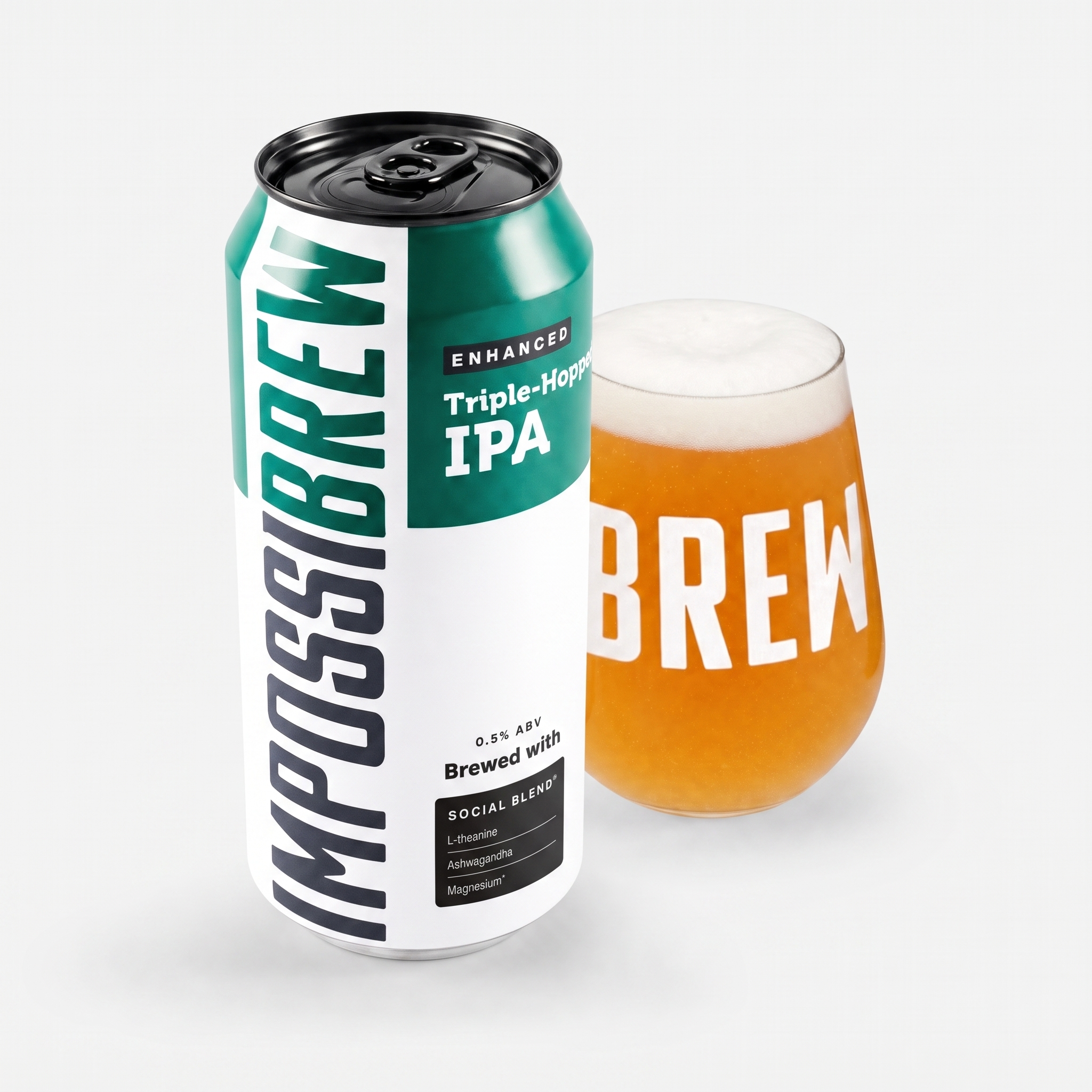
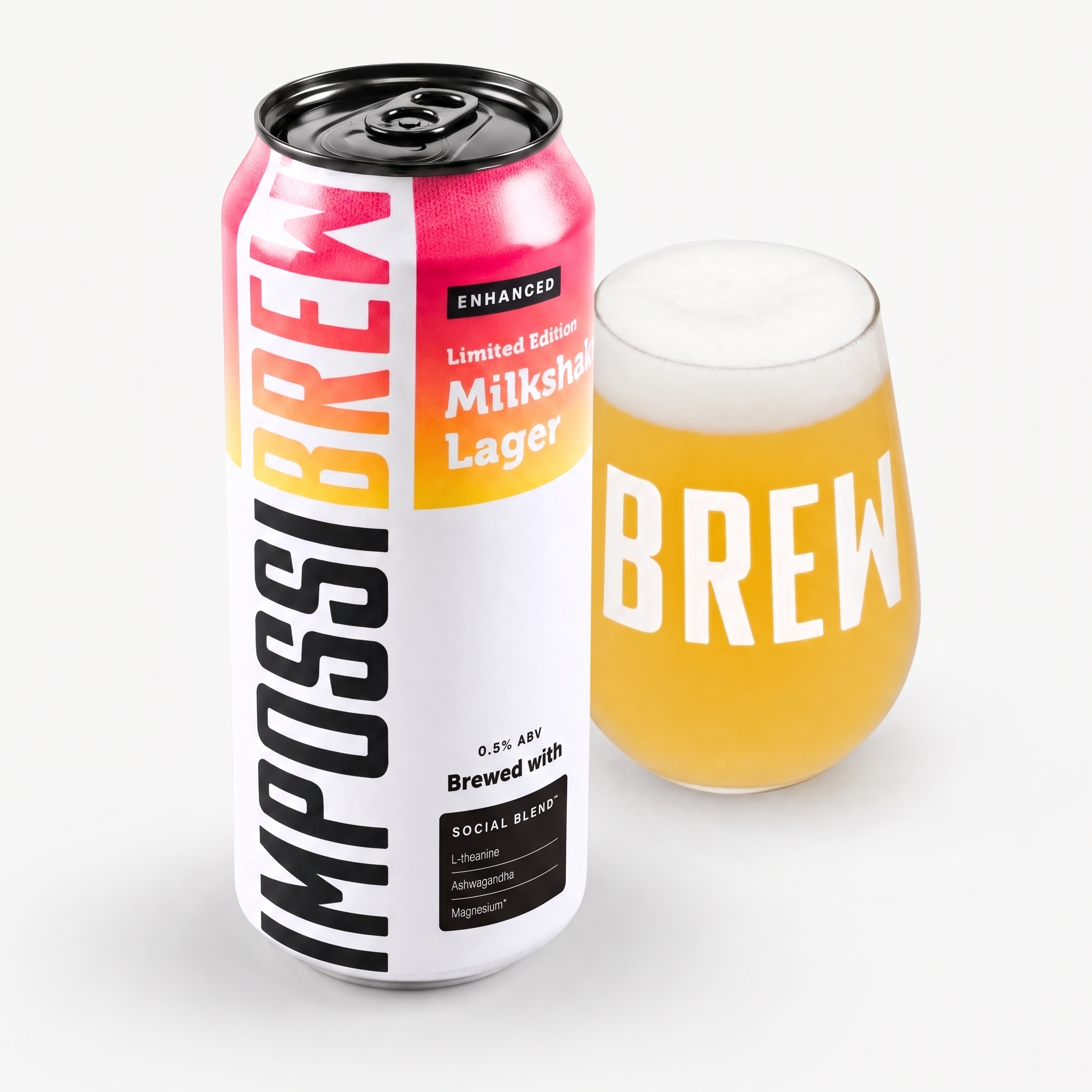
Functional drinks, like those from IMPOSSIBREW®, combine nootropics and adaptogens in convenient formats, offering both immediate and gradual benefits. Whether you’re after a quick mental edge or a way to handle stress over time, understanding these differences will help you choose the right solution.
What Are Nootropics?
Nootropics Definition and Purpose
Nootropics, often referred to as smart drugs, memory enhancers, or brain boosters, are substances designed to improve cognitive functions like memory, focus, and mental energy. These substances can be either natural or synthetic and serve as tools to enhance mental performance beyond basic stimulation[6][7][9].
Broadly, nootropics are divided into two categories: prescription medications and over-the-counter (OTC) supplements. Prescription nootropics, such as those used for ADHD, narcolepsy, or Alzheimer's disease, often have stimulant properties. On the other hand, OTC nootropics include everyday compounds like caffeine or creatine, which are widely accessible for general cognitive support[6].
Their popularity is growing, particularly among students and professionals seeking to boost memory, attention, and learning capacity. However, as Barry Gordon, MD, PhD, from Johns Hopkins Medicine, points out:
"The circuits that are involved in human cognition are very complicated and not fully understood. You can't just 'turn up the dial' that easily."[8]
With that in mind, understanding how these substances work is essential to using them effectively.
How Nootropics Function
Nootropics operate through various mechanisms to enhance brain performance. Unlike psychostimulants, which can cause a general surge in activity followed by sedation, nootropics aim to stabilise and support cognitive functions by addressing specific physiological needs[5].
Here’s how they work:
- Boosting Brain Energy: The brain consumes about 20% of the body's total energy. Nootropics may improve energy production by supporting mitochondrial function, aiding fatty acid transport into brain cells, and increasing oxygen and nutrient uptake in the brain[11].
- Improving Blood Flow: Enhanced blood circulation allows the brain to access more oxygen, supporting alertness and flexibility in thinking[9][10].
- Optimising Neurotransmitters: By supplying precursors, increasing synthesis, improving receptor sensitivity, and reducing breakdown, nootropics help maintain balanced neurotransmitter levels. For example, some increase dopamine for focus, while others raise adrenaline levels, similar to caffeine, to promote wakefulness[9][11].
- Providing Neuroprotection: These substances often act as antioxidants, combatting harmful protein clusters, clearing toxins, and protecting against stress-related damage[11].
- Supporting Neuroregeneration: Nootropics may encourage growth factors like NGF (nerve growth factor), supply materials for building neurons, and maintain the flexibility of brain cell membranes[11].
By targeting multiple pathways, nootropics aim to optimise the brain’s performance across various functions simultaneously. Knowing how they work can help identify the best times to use them for maximum benefit.
Best Times to Use Nootropics
Timing plays a crucial role in maximising the benefits of nootropics. For most people, the best periods are during the morning or early afternoon, when the body is naturally more alert and focused[12][13].
- Before Key Tasks: Taking nootropics one to two hours before mentally demanding activities ensures they are in full effect when needed most. For example, if you have a critical task at noon, consuming them mid-morning can help you perform at your peak[12].
- Midday Focus: Supplements designed for sustained focus and concentration work best around midday, helping you power through the day without losing momentum[13].
- Creativity in the Afternoon: Late afternoon is often when the brain is more open to creative thinking, making it an ideal time for nootropics that support innovative and flexible thought processes[13].
Some individuals may benefit from taking nootropics twice daily - once in the morning and again in the evening. However, it’s important to avoid stimulants like caffeine at night, as they can interfere with sleep. Evening doses should focus on supplements that promote relaxation and improve sleep quality[12][13].
Taking nootropics at the right times can help combat brain fog and maintain mental clarity throughout the day. However, using them too late may result in missing their effects unless you’re active during nighttime hours[12].
What Are Adaptogens?
Adaptogens Definition and Purpose
Adaptogens are natural plant substances known for their ability to help the body manage stress and maintain balance[14]. Unlike stimulants or sedatives, adaptogens work by gently supporting the body's stress response without being toxic, promoting a state of equilibrium instead[18].
Dana Ellis Hunnes, PhD, MPH, RD, a senior dietitian at UCLA Health, sums it up:
"The claim is that adaptogens reduce our body's reaction to stress and help us adapt to stressors better."[14]
These substances have been a cornerstone of traditional medicine for thousands of years, particularly in systems like Ayurveda and Traditional Chinese Medicine. They were historically used to increase resilience to stress and improve overall survival and adaptability[15]. Some well-known adaptogens include Ashwagandha, Ginseng, Reishi, Rhodiola, Schisandra, and Tulsi[14]. This long-standing use highlights their potential, paving the way for a deeper understanding of how they work and the benefits they offer.
How Adaptogens Function
Adaptogens primarily influence the body's stress response systems, with a particular focus on the hypothalamic-pituitary-adrenal (HPA) axis, which plays a key role in managing stress[14]. By improving the body's ability to handle stress and reducing sensitivity to stressors, adaptogens help extend the body's resistance to challenges[16]. A major mechanism involves their ability to regulate cortisol levels - bringing them back to a healthy range - by interacting with glucocorticoid receptors. This, in turn, helps restore balance to the HPA axis[15]. (For context, normal serum cortisol levels range between 5 and 25 µg/dL[15].)
Experts also highlight how adaptogens promote this balance. Lise Alschuler, ND, FABNO, explains:
"Adaptogens improve the body's non-specific response to stress... They have a normalising action, irrespective of the direction of the pathological state. Most adaptogens increase ACTH and cortisol with single, high-dose administration and normalise ACTH and cortisol with longer-term administration and when given prior to stressors. One key mechanism of adaptogens is to restore the intracellular glucocorticoid receptor sensitivity on the hypothalamus and pituitary, thereby reinstating negative feedback."[17]
Beyond cortisol, adaptogens also help regulate other hormones like oestrogen and progesterone, further supporting the body's ability to manage stress[21].
Adaptogen Benefits
The advantages of adaptogens go far beyond just stress relief. They provide ongoing support for physical and mental health, making the body more adaptable and resilient over time.
Scientific studies have highlighted their wide-ranging benefits. For instance, a 2016 clinical review found that Ashwagandha supplements significantly reduced cortisol levels while boosting both internal and external stress resilience. This led to better overall well-being and fewer anxiety symptoms[18]. Bacopa, another adaptogen, has been shown to enhance memory, learning, and cognitive performance, especially in stressful situations, as noted in a 2001 clinical review[18]. Meanwhile, a systematic review of 24 human studies revealed Tulsi's broad benefits, from improving blood sugar and blood pressure to supporting the immune system, reducing anxiety, and enhancing cognitive function - all while bolstering stress resistance[18].
Given that nearly half of Americans (47%) reported increased stress since the pandemic began[14], and with 42% of adults globally experiencing significant worry and 41% facing high stress levels in 2021[15], adaptogens present a natural, long-term solution. Instead of just addressing symptoms, adaptogens aim to strengthen the body's overall resilience, which is why they are often a go-to recommendation in herbal medicine[20].
Adaptogens Vs. Nootropics
Nootropics vs Adaptogens: Key Differences
To make an informed decision about whether nootropics or adaptogens are better suited to your needs, it’s important to understand how they differ. While both can support mental performance and stress management, they achieve these goals in distinct ways and provide unique benefits.
The main difference lies in their purpose and how they work. Nootropics are designed to improve memory, focus, alertness, and energy levels, offering a short-term boost to cognitive performance. However, they don't make you smarter - they simply enhance mental sharpness while active in your system. Their effects are temporary, lasting only as long as the substance remains active.
Adaptogens, on the other hand, focus on helping the body handle stress and regain balance after stressful events. They work by regulating stress hormones and restoring neurotransmitter balance, making you less sensitive to stressors and extending your ability to cope with challenges.
Another key distinction is the timing and duration of their effects. Nootropics are often taken for immediate impact, with benefits noticeable shortly after use. Adaptogens, however, are more about the long game - they build resilience over time and are typically taken for weeks or months to see results. Research suggests that adaptogens can remain effective for up to six months, though the body may develop some tolerance over extended use[19].
When it comes to safety, adaptogens have a clear advantage. Unlike stimulants, they don’t carry risks of addiction, tolerance, or misuse. They’re particularly effective during periods of fatigue or stress. On the flip side, certain synthetic nootropics can lead to side effects like insomnia, high blood pressure, and even dependency. As Barry Gordon, MD, PhD, of Johns Hopkins Medicine, points out:
"It's not clear that they work and not clear that they're safe."[8]
Side-by-Side Comparison Table
| Aspect | Nootropics | Adaptogens |
|---|---|---|
| Primary Function | Boost memory, focus, creativity, and motivation | Enhance stress resistance and restore balance |
| Mechanism of Action | Immediate effects on specific cognitive functions | Regulate stress hormones and neurotransmitters |
| Onset of Effects | Quick, felt shortly after use | Gradual, building over time |
| Duration of Use | Short-term, as needed | Long-term, up to six months |
| Effect Type | Targeted cognitive enhancement | Broad stress resilience |
| Addiction Potential | Some risk with synthetic varieties | No risk of addiction or tolerance |
| Best For | Immediate mental performance | Long-term stress management |
| Side Effects | Possible insomnia, high blood pressure | Generally mild, like drowsiness or overstimulation |
Interestingly, some botanicals - like ashwagandha, Rhodiola rosea, Bacopa monnieri, ginseng, and lion's mane - combine the benefits of both categories. These ingredients can support both cognitive function and stress resilience, making them versatile options.
Use this comparison to identify which option aligns with your goals. Whether you’re looking for a fast mental boost or a way to build long-term stress resistance, understanding these differences will help you choose wisely.
sbb-itb-a752bf8
Decision Checklist: Which Option Fits Your Needs?
Deciding between nootropics and adaptogens doesn’t have to feel like a daunting task. By working through this straightforward checklist, you can pinpoint which option aligns better with your goals and lifestyle. Take a moment to answer each question honestly, and you'll have a clearer idea of what suits you best.
Identify Your Main Goals
Start by identifying your primary objective. Your goals will guide whether nootropics or adaptogens are the better choice for you.
Nootropics might be your go-to if you need:
- A sharper focus for work presentations or study sessions
- Improved memory recall for exams or meetings
- A boost in alertness for complex tasks or projects
- Enhanced creativity for brainstorming or problem-solving
- Quick mental energy for demanding situations
Adaptogens could be the better fit if you’re looking for:
- Better stress management during tough times
- Improved resilience to ongoing pressures
- Support for overall balance and well-being
- Recovery from stressful events
- Long-term emotional stability
Think about how stress impacts your performance. If you’re facing acute stress and need an immediate boost, nootropics might do the trick. On the other hand, if chronic stress is wearing you down, adaptogens can help you build resilience over time. Resilience, in this context, refers to your ability to adapt to both short-term and long-term challenges effectively [23].
Quick Effects vs Long-Term Support
Another key factor is how quickly you want results versus your focus on longer-term benefits. Your timeline plays a big role in determining the best fit.
Nootropics are better suited for situations where you:
- Need noticeable effects within hours or days
- Want results you can feel immediately
- Prefer using them only when necessary
- Are preparing for specific events or deadlines
- Don’t want to commit to a long-term routine
Adaptogens are ideal if you:
- Can commit to consistent use over weeks or months
- Want benefits that build gradually over time
- Are focused on preventing stress-related issues in the future
- Prefer steady, sustainable improvements
- Are patient enough to wait for cumulative effects
The main difference lies in how these substances interact with your body. Nootropics provide an immediate cognitive lift, making them perfect for short-term needs like cramming for an exam or powering through a deadline. Adaptogens, however, work more subtly, helping your body manage stress better over time. For example, if you’re overwhelmed by ongoing work stress and want to build long-term coping mechanisms, adaptogens might be a better choice.
Health and Lifestyle Considerations
Now, let’s dive into how your health and daily habits might influence your decision. The right choice depends not just on your goals but also on what works best for your body and routine.
Evaluate your health factors:
- Do you have any medical conditions that could interact with supplements?
- Are you on prescription medications that might be affected?
- Do you have a history of anxiety, insomnia, or cardiovascular issues?
- Are you pregnant, breastfeeding, or planning to become pregnant?
Think about your lifestyle:
- How much caffeine do you already consume?
- Do you struggle with sleep or maintaining a regular sleep schedule?
- Are you open to taking supplements consistently?
- Do you prefer natural ingredients over synthetic ones?
- What’s your budget for ongoing supplementation?
Assess your stress management needs:
- Are you dealing with temporary stress, like a big project, or ongoing challenges?
- Do you already have stress management techniques in place?
- How well do you currently handle pressure and setbacks?
If you have cardiovascular or sleep issues, synthetic nootropics might not be the best choice. Adaptogens generally have a gentler safety profile, but it’s still important to consider your individual health circumstances.
Also, think about how each option fits into your routine. Nootropics are often used strategically - before a major presentation or study session, for example. Adaptogens, on the other hand, require consistent daily use to be effective, so you’ll need to build them into your regular habits.
Nootropics and Adaptogens in Functional Drinks
More and more people are turning to drinks as a way to consume cognitive and stress-supporting ingredients, moving away from capsules or powders. The market for these functional beverages is expected to hit around £48.7 billion by 2027 [2]. This shift towards liquid formats has opened the door for products that seamlessly fit into daily routines.
How Functional Beverages Work
Functional beverages take the benefits of nootropics and adaptogens and deliver them in a convenient, enjoyable liquid form. This format makes it easier to maintain a consistent routine, which is especially important for adaptogens, as they often require regular use to be effective.
Nootropic drinks are designed to enhance focus and provide sustained energy, often featuring ingredients like L-theanine, B vitamins, or natural caffeine sources. On the other hand, adaptogenic drinks include ingredients such as ashwagandha, rhodiola, or reishi mushrooms, which are often linked to calming effects or immune support [2]. The broader mental wellness market, which fuels this trend, is projected to surpass £118 billion by 2030 [24].
Consumer interest in these alternatives is growing rapidly. Over the past five years, adaptogens have seen a 107% increase in global new product launches, while nootropics have grown by 41% [25]. This shift reflects a move away from sugary, high-caffeine drinks toward more balanced, plant-based options [24].
IMPOSSIBREW®: Science-Backed Approach
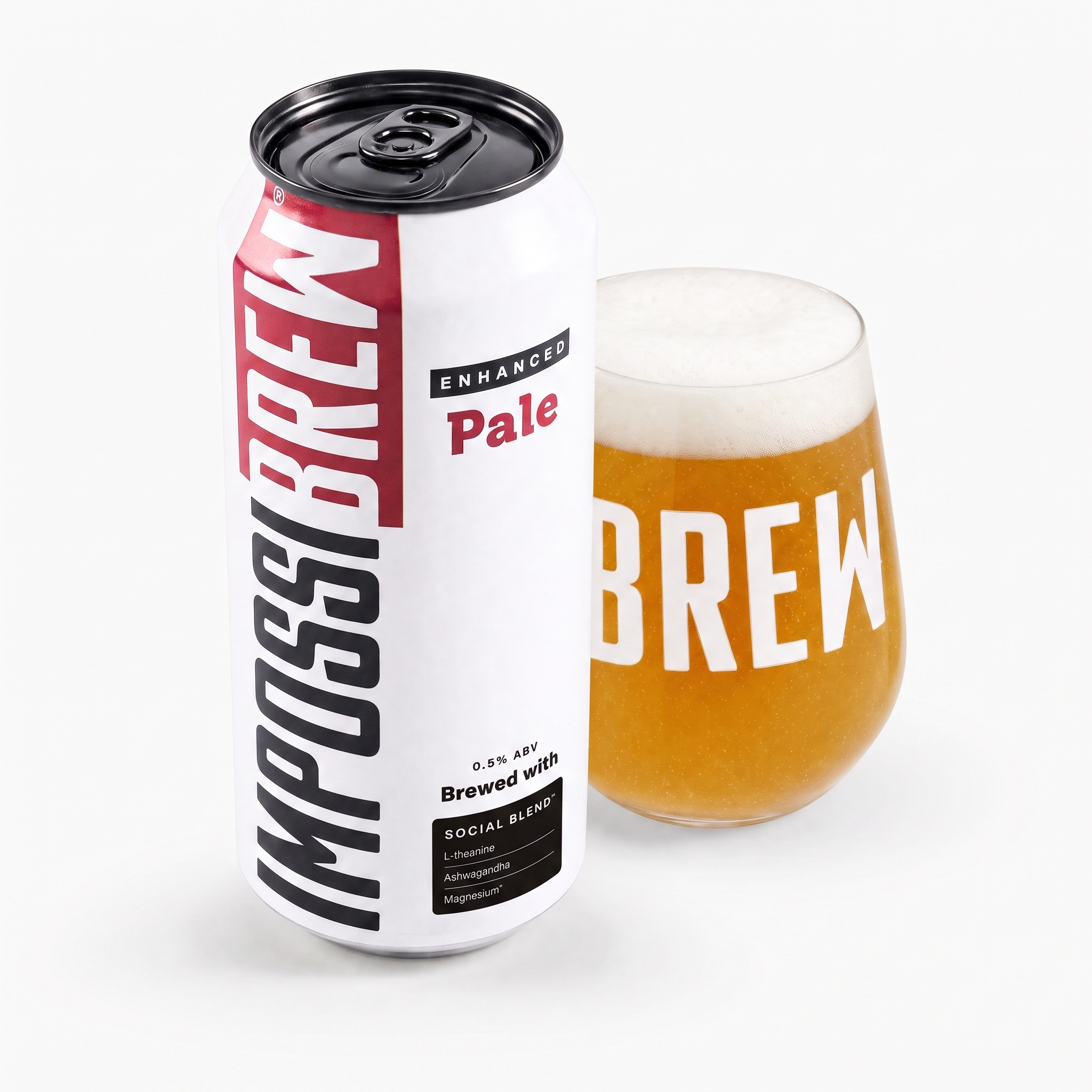
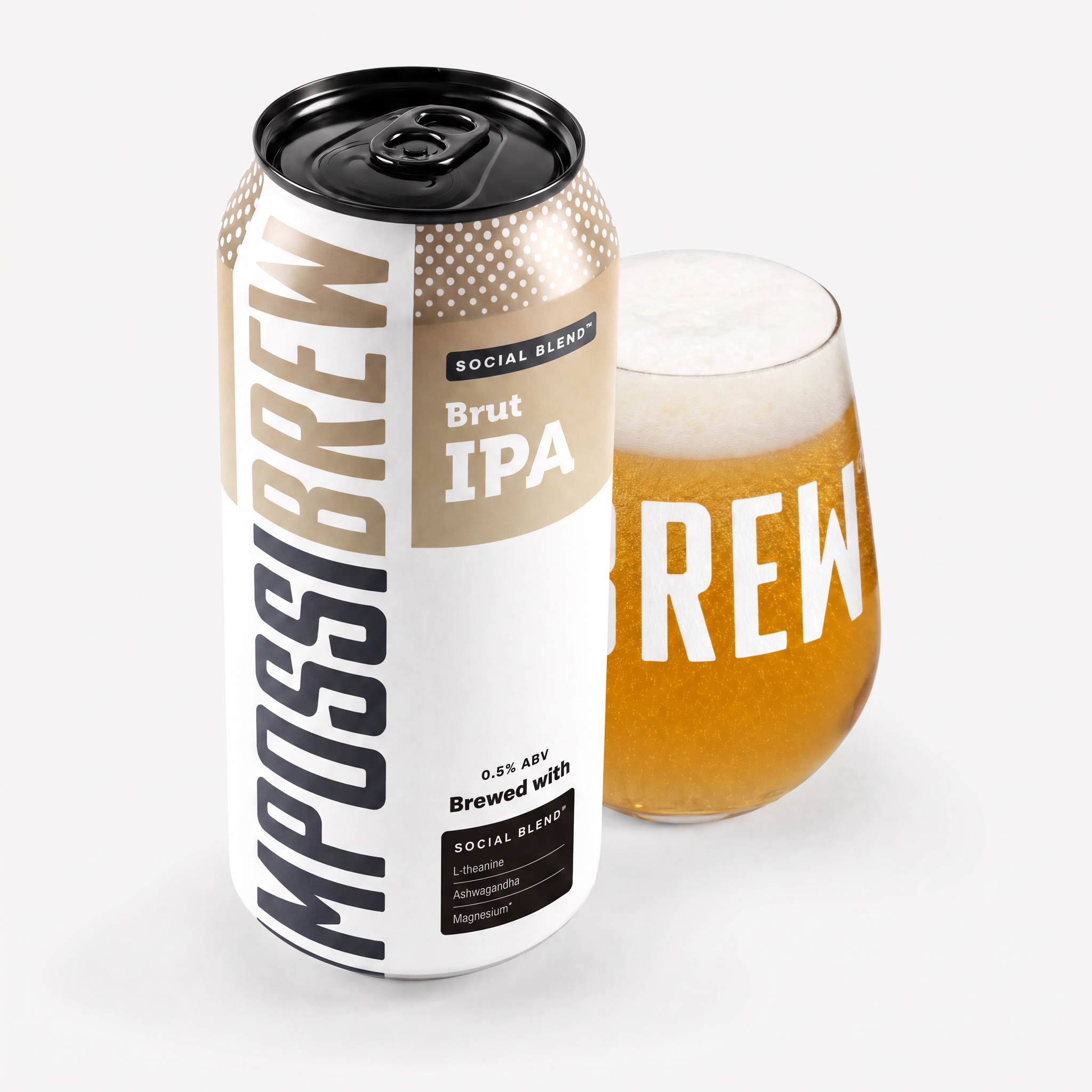
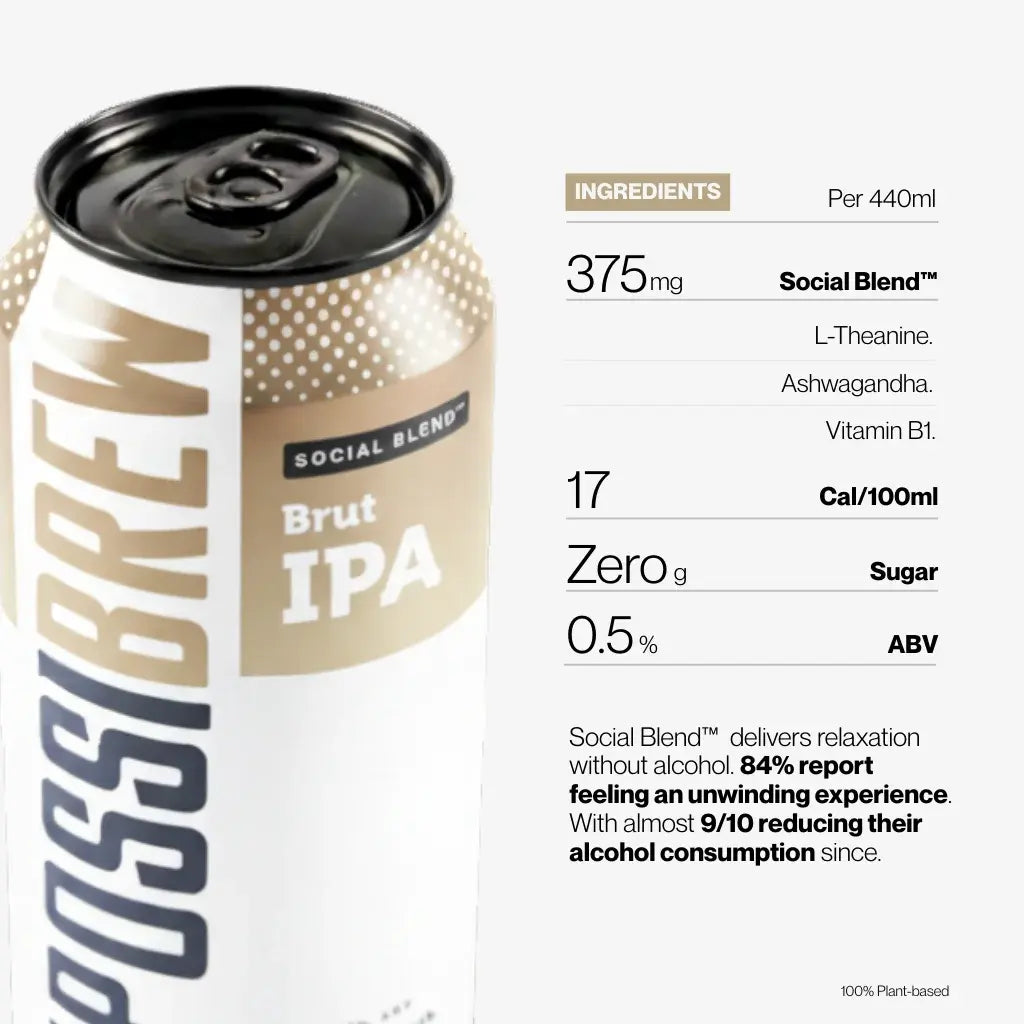
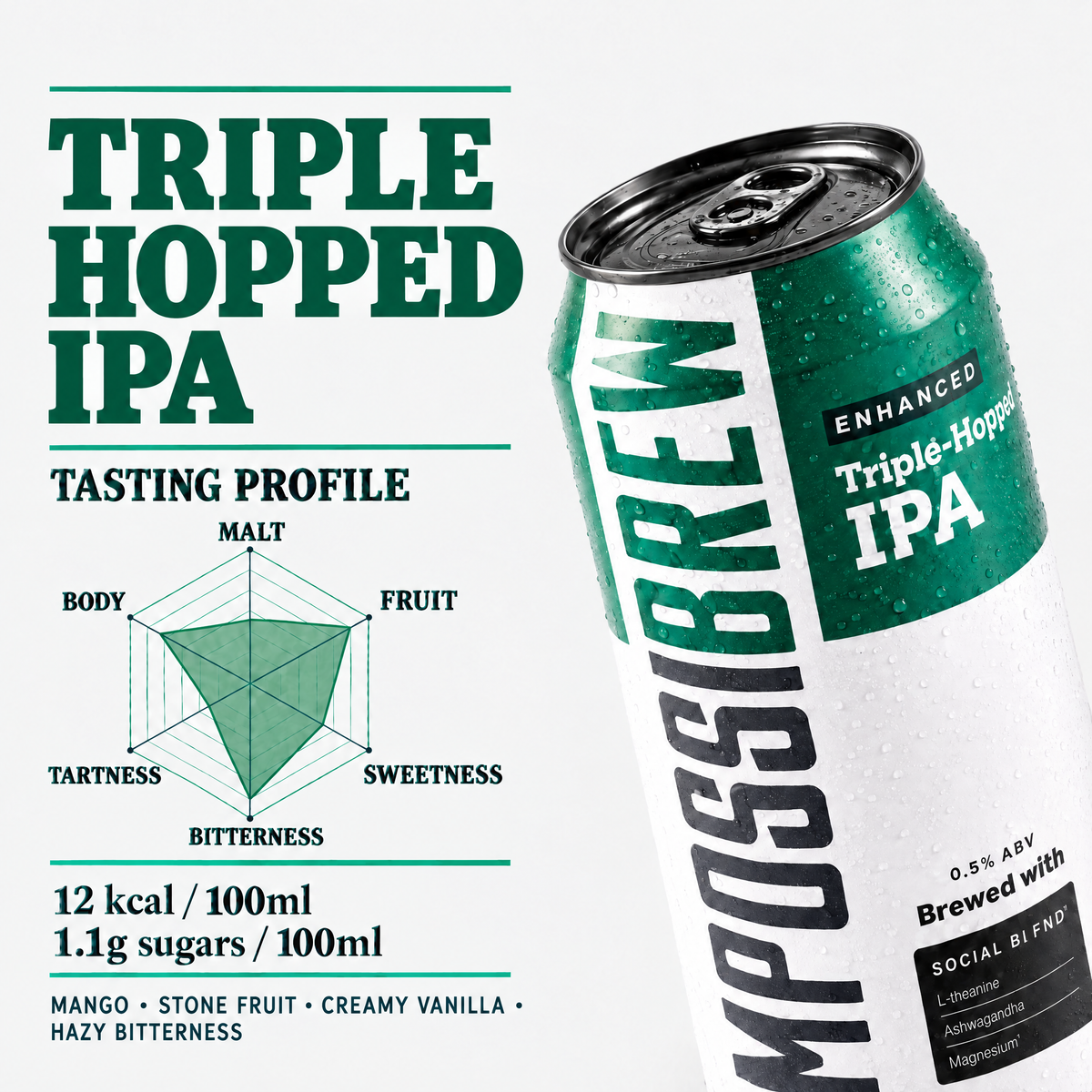
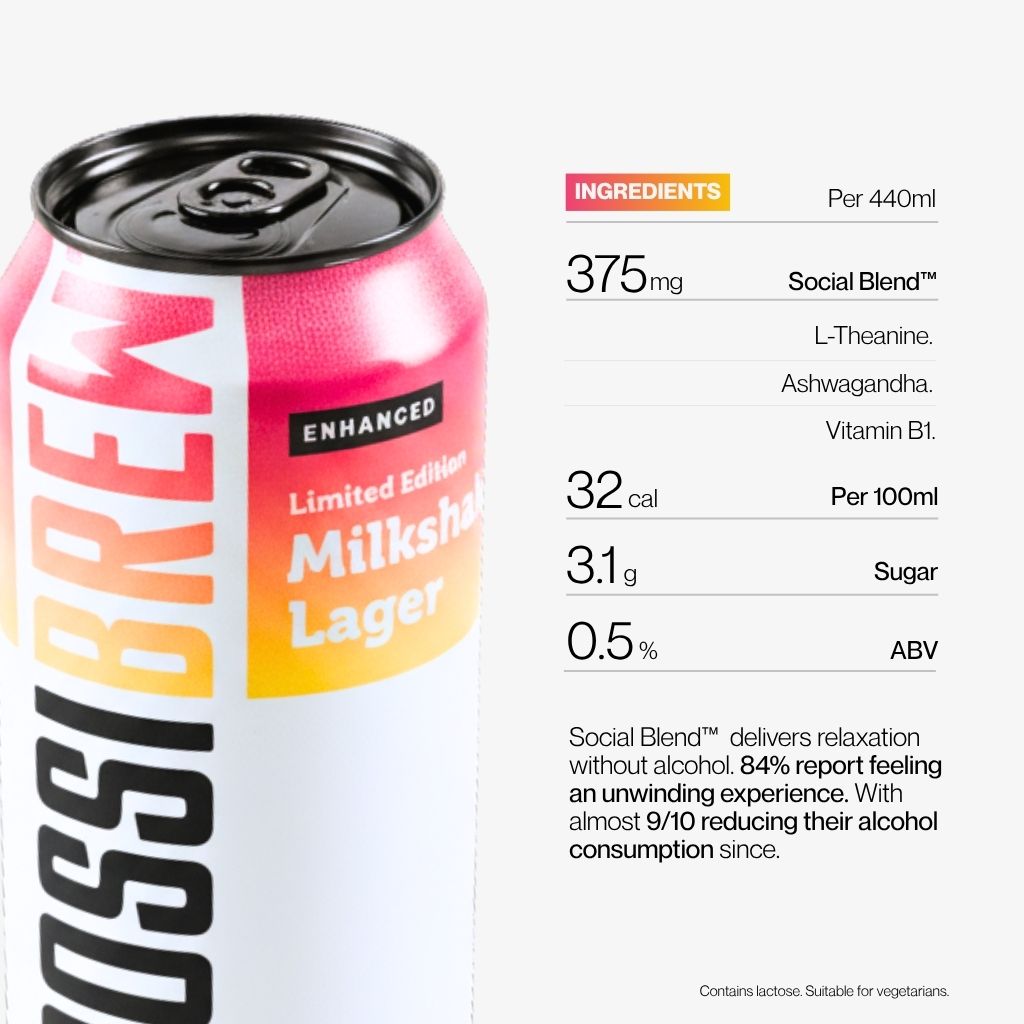
One standout in this space is IMPOSSIBREW®, which integrates science-backed ingredients into social beverages. Their Social Blend™ combines nootropics for cognitive enhancement with adaptogens to reduce stress, offering both immediate and long-term benefits. This combination creates a synergistic effect, helping the body manage stress while supporting mental clarity and focus [1].
The Social Blend™ works on multiple levels. The nootropic ingredients boost memory, attentiveness, motivation, and energy [2], while the adaptogens help the body handle stress and combat fatigue [2]. This dual approach caters to both short-term cognitive needs and long-term resilience.
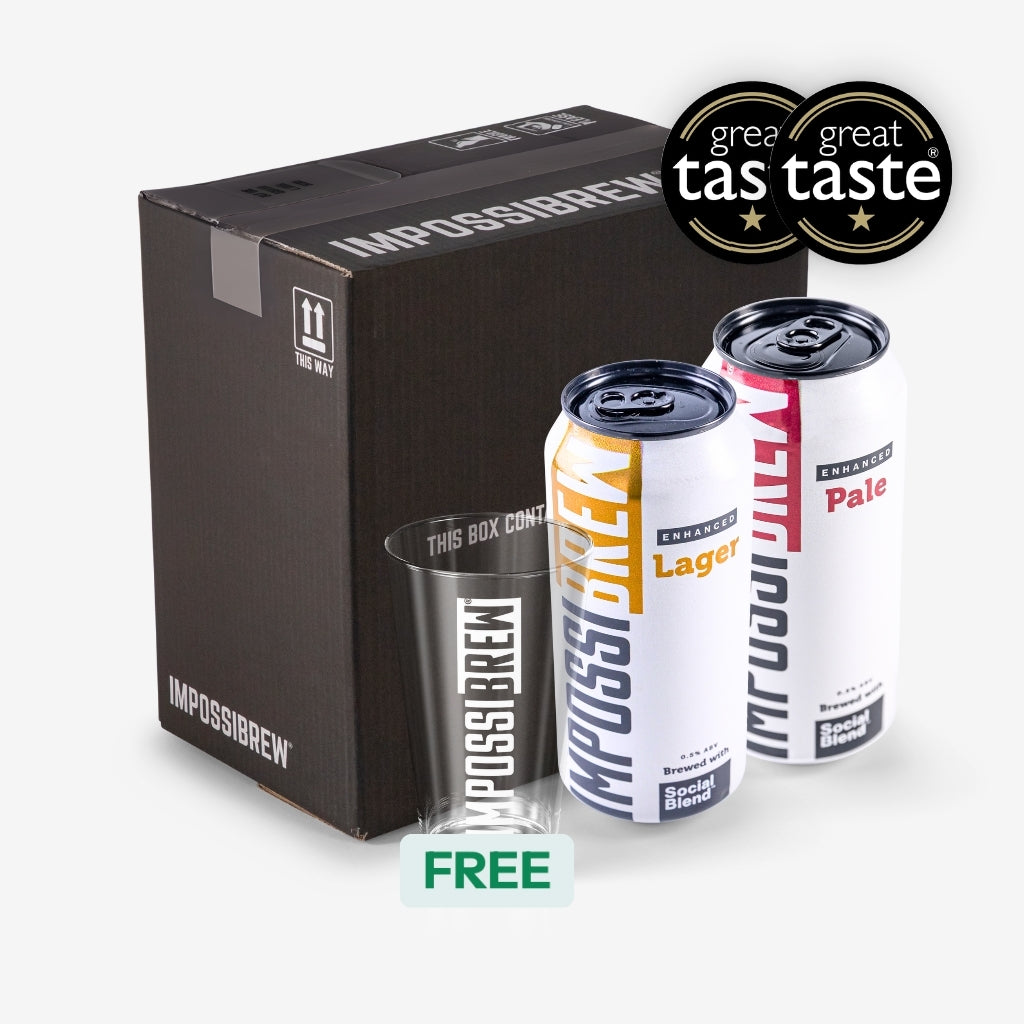
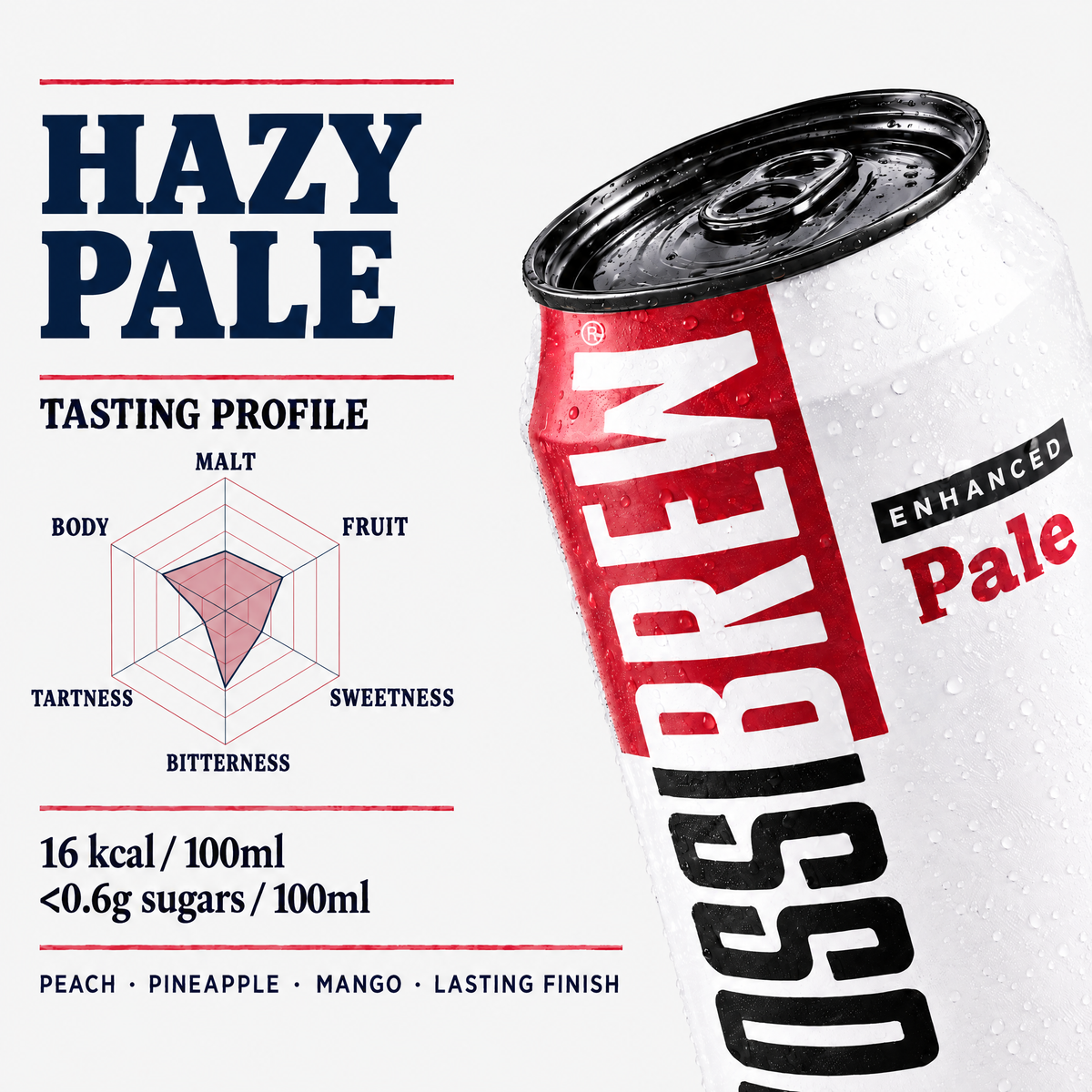
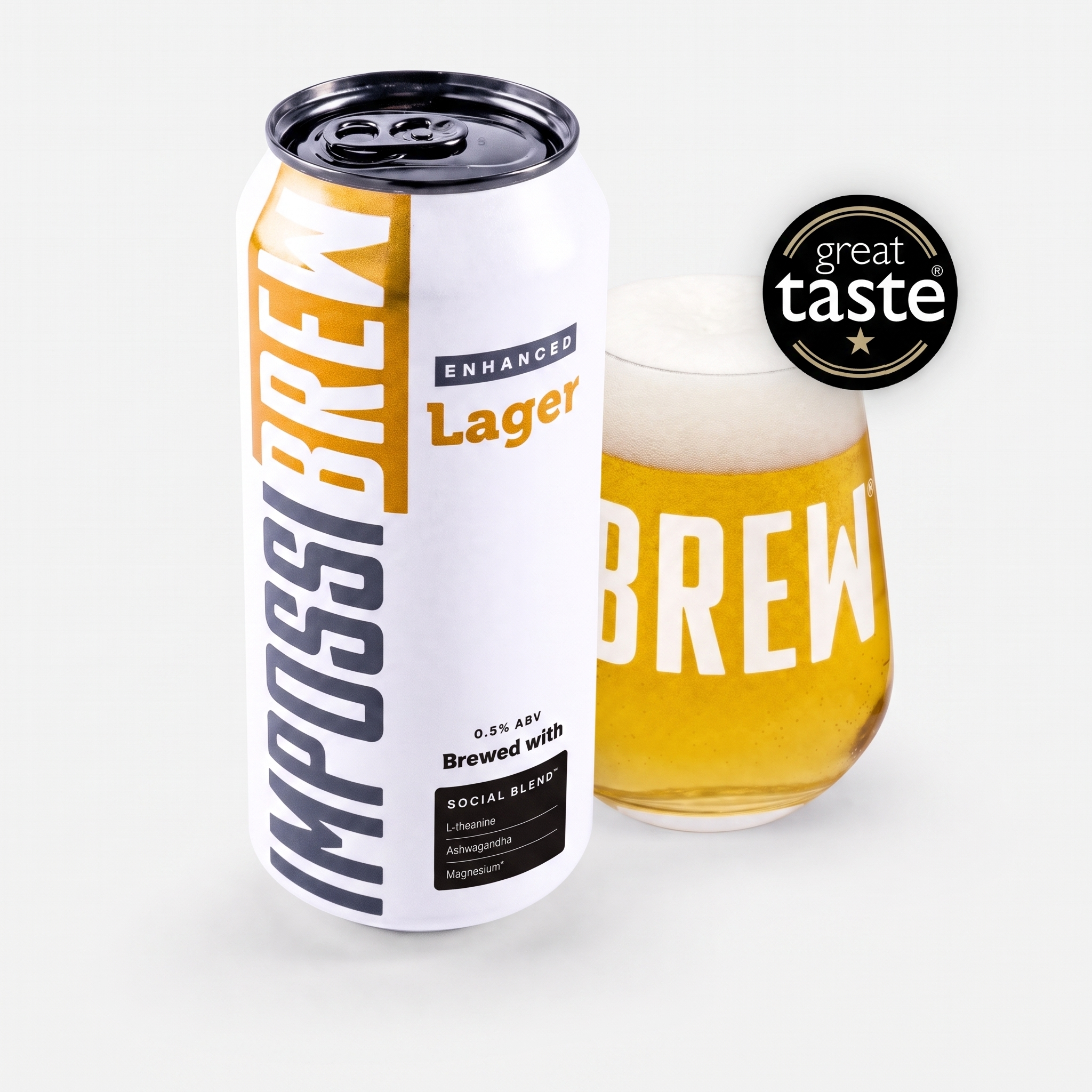
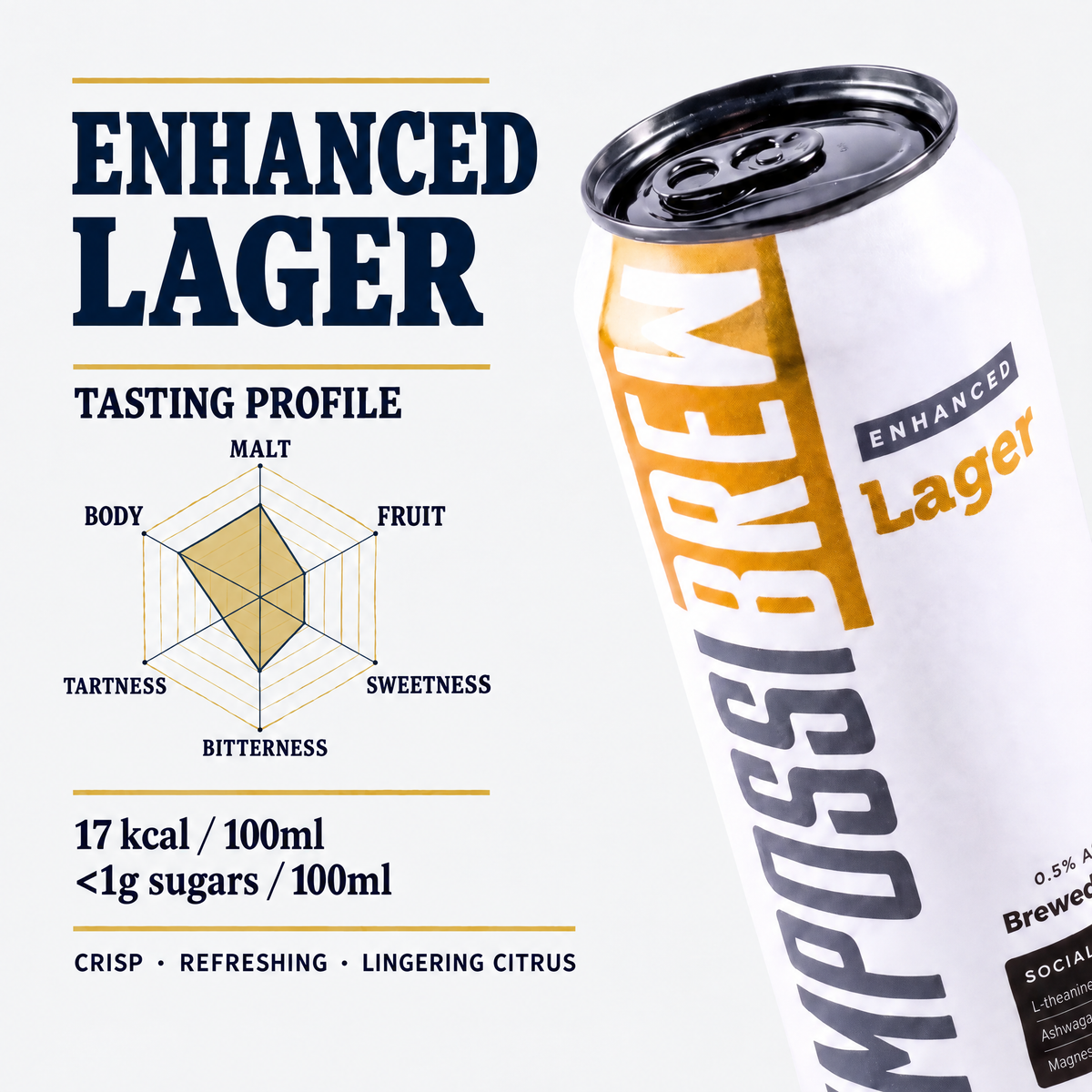
IMPOSSIBREW® also recreates the experience of drinking alcohol without the negative side effects. Their Enhanced Lager and Enhanced Hazy Pale Ale contain less than 0.5% ABV but still provide the relaxing effects people often seek in an evening drink. With more consumers looking for nonalcoholic, functional beverages, this approach is hitting the mark. A 2023 Mintel survey revealed that 73% of Gen Z and Millennials are interested in drinks that support mental performance [24]. By combining cognitive and stress support in a familiar, enjoyable format, IMPOSSIBREW® meets this growing demand head-on.
Dietary Options and Accessibility
Modern functional drinks need to cater to a variety of dietary preferences and restrictions. IMPOSSIBREW®'s range is entirely vegan-friendly, making its benefits accessible to those following plant-based diets.
For those with gluten sensitivities or coeliac disease, the Enhanced Lager is gluten-free, while the Enhanced Hazy Pale Ale is not, allowing consumers to choose based on their needs. Additionally, these drinks are low in calories, addressing concerns around weight management and blood sugar levels. Unlike traditional alcoholic beverages, which often pack 150–200 calories per serving, IMPOSSIBREW® offers functional benefits without the extra calories.
Convenience is another key factor. Functional drinks eliminate the hassle of measuring doses or timing supplements. Whether you need a nootropic boost before a big meeting or an adaptogenic drink to unwind after a tough day, these beverages make it simple. IMPOSSIBREW®'s enhanced beers start at £2.99 each, with a Bestseller Bundle of 18 beers and a free glass available for £49.99.
Making Your Final Decision
Adaptogens are known for helping with stress management, while nootropics are associated with improving cognitive function [4]. Interestingly, you don’t have to choose one over the other - you can combine both to suit your needs.
Start by identifying your primary goal. If managing chronic stress and achieving overall balance is your focus, adaptogens like ashwagandha or rhodiola rosea might be the way to go [3]. On the other hand, if sharpening your focus and boosting mental clarity is your priority, nootropics such as Bacopa monnieri or Panax ginseng could be more suitable [3].
In today's market, many functional beverages combine both adaptogens and nootropics to address both stress and cognitive demands. For example, IMPOSSIBREW®'s Social Blend™ offers a dual approach, providing immediate cognitive benefits paired with long-term stress management [4]. This kind of blend is designed for those looking for convenience and a holistic solution.
The beauty of these options is that you can customise your intake depending on your daily needs. Think about your lifestyle - whether you prefer the flexibility of individual supplements or the grab-and-go ease of functional drinks like IMPOSSIBREW®, there’s a solution to match. With nearly half (46%) of consumers prioritising mental and physical wellness in 2023 [28], it’s clear you’re not alone in seeking these benefits.
A good starting point is to begin with a low dose and observe how your body responds over two weeks [26][27]. This trial period can help you gauge what works best for your unique needs and routine.
Of course, supplements are just one piece of the puzzle. To truly support your wellness journey, focus on maintaining a healthy foundation with quality sleep, regular exercise, and a balanced diet [4][27]. Supplements should complement - not replace - these core habits. If you’re unsure where to start, consulting a healthcare professional can provide valuable guidance [22][27].
Ultimately, whether you lean towards individual supplements or functional beverages like IMPOSSIBREW®, the key is finding a solution that aligns with your routine while promoting long-term well-being.
FAQs
Can you combine nootropics and adaptogens for better results, and how should you use them effectively?
Yes, you can combine nootropics and adaptogens to enjoy a mix of benefits like sharper focus, clearer thinking, and better stress control. The key is to start with small doses and pay attention to how your body reacts, as everyone's tolerance is different. Interestingly, certain herbs, such as Rhodiola Rosea, possess both adaptogenic and nootropic qualities, offering well-rounded support for both your mind and body.
To maximise their effectiveness, think about when to take them. Adaptogens are often best in the morning to help boost your energy and build resilience, while nootropics can be taken whenever you need extra focus or mental performance. If you're unsure about combining specific supplements or have health conditions, it’s always a good idea to check with a healthcare professional first.
What are the possible side effects of nootropics compared to adaptogens?
Understanding the Safety of Nootropics and Adaptogens
Nootropics are often seen as safe, but they can sometimes lead to side effects. These might include insomnia, blurred vision, a faster heart rate, high blood pressure, and, in rare cases, dependency. How someone reacts can depend on both the specific nootropic and their personal sensitivity.
Adaptogens, in contrast, are usually gentler in terms of their safety profile. Side effects are uncommon but might include mild allergic reactions or stomach discomfort. For most people, adaptogens are easier on the system and less likely to cause unwanted effects compared to nootropics.
If you're after a natural way to feel relaxed and focused without worrying about side effects, IMPOSSIBREW®’s enhanced non-alcoholic beers might be a good option. These drinks are made with science-backed ingredients, offering a calming and sociable experience - without the risks linked to alcohol or stronger supplements.
How can I decide if nootropics or adaptogens are better suited to my goals and lifestyle?
Choosing between nootropics and adaptogens really comes down to your personal goals and how they fit into your lifestyle.
If you're looking to boost cognitive performance - think sharper focus, better memory, or improved mental clarity - nootropics might be your go-to. These are specifically formulated to support brain function and help keep you mentally on point. On the flip side, if you're more focused on managing stress, maintaining balance, or building resilience to daily pressures, adaptogens are a great choice. They’re known for promoting overall well-being and helping the body adapt to stress.
Consider what matters most to you right now. Are you aiming to enhance productivity or seeking a sense of calm in the chaos? Choose the option that best matches your priorities. You might also find it interesting to try products like IMPOSSIBREW®, which combine science-backed ingredients into a relaxing, non-alcoholic experience, offering a fresh way to enjoy these benefits.