
Yes, you can drink alcohol-free beer at work in the UK, but it depends on your company's policies and the nature of your job. While Alcohol-free beer (up to 0.5% ABV) is legal and doesn't impair performance, its appearance and association with traditional beer can raise questions about professionalism. Here’s what you need to know:
- Legal Status: Alcohol-free beer is not classified as "alcohol" under UK law. Drinks with up to 0.5% ABV are comparable to apple juice in alcohol content.
- Employer Policies: Companies can restrict alcohol-free drinks if they believe it impacts professionalism, safety, or workplace culture. Check your employee handbook or ask HR for clarity.
- Perception Matters: The packaging of alcohol-free beer often resembles regular beer, which could lead to misunderstandings or stigma, especially in client-facing or safety-critical roles.
- Job Context: Drinking alcohol-free beer might be acceptable in office-based or remote roles but is usually discouraged in jobs involving machinery, vehicles, or public interaction.
Ultimately, whether it’s appropriate comes down to your workplace's stance, your role, and how others may perceive it. When in doubt, consult your employer’s guidelines or stick to less controversial drink options.
Why Is Everyone Drinking Non-Alcoholic Beer (It's Not Just Health)
sbb-itb-a752bf8
Legal and Policy Factors for Alcohol-Free Beer at Work
Getting to grips with the legal framework and workplace responsibilities is crucial when considering the place of alcohol-free beer in professional settings.
The Legal Status of Alcohol-Free Beer at Work
In the UK, drinking alcohol-free beer at work is perfectly legal. According to the Licensing Act 2003 (Section 191), drinks with an alcohol by volume (ABV) of 0.5% or less are not classified as "alcohol" under the law[5]. To put it into perspective, a beer with 0.05% ABV is legally comparable to apple juice, which can naturally contain up to 0.6% alcohol[2].
That said, legality doesn't automatically translate to workplace acceptance. While the law doesn't prohibit alcohol-free beer at work, employers are free to establish their own rules based on safety and professional standards.
Company Policies and Employer Responsibilities
Most UK workplaces already have alcohol policies in place, but these often overlook alcohol-free alternatives. Under the Health and Safety at Work etc. Act 1974, employers are required to ensure a safe working environment[6]. This obligation allows them to restrict any beverages - regardless of their alcohol content - if they believe it could impact safety or productivity.
One practical challenge for employers is distinguishing between alcoholic and how alcohol-free beer is made, given their similar packaging. Andrew Willis, Associate Director of Legal at Croner, explains:
If employers do allow non-alcoholic drinks in the workplace, they will need to consider how they will monitor what their employees are drinking given how alike the bottles or cans look to drinks containing alcohol[1].
To address this, many organisations are revising their policies to include alcohol-free beverages, much like they adapted their rules for vaping alongside smoking policies[2]. These updates are shaping perceptions of alcohol-free beer across various professions.
How Your Job Type Affects Acceptability
The acceptability of alcohol-free beer often depends on the nature of your job. In roles where safety is paramount - like operating vehicles, heavy machinery, or providing clinical care - employers typically enforce strict zero-tolerance policies. Laws such as the Road Traffic Act 1988 and the Transport and Works Act 1992 make it illegal to operate vehicles or machinery under the influence[6]. Even though alcohol-free beer doesn't impair performance, its similarity to alcoholic drinks can create confusion, which is a risk employers in these fields prefer to avoid.
In customer-facing roles, the issue is more about perception. Melanie Stancliffe, Partner and Employment Law Specialist at Cripps, highlights:
If you're counter staff at a high street bank and instead of having your coffee cup or your glass of water you have a non-alcoholic beer on show, I think it would have different perceptions[1].
Professions such as teaching, banking, or healthcare often require employees to maintain a professional image, and drinking something that looks like beer - even if it's alcohol-free - can raise eyebrows.
For office-based roles, the rules are often more relaxed, though they still vary between companies. Even in laid-back workplaces, it’s always a good idea to check your employee handbook before cracking open that 0.0% beer at your desk.
How Alcohol-Free Beer Affects Work Performance
Physical Effects on Performance
From a physical perspective, alcohol-free beer has little to no impact on work performance. Most alcohol-free beers contain between 0.05% and 0.5% ABV (alcohol by volume). For example, a 500ml can with 0.05% ABV delivers just 1/40th of a unit of alcohol - far too little to cause any level of intoxication[1]. To put this into context, ripe bananas can naturally contain up to 0.5% ABV, and some apple juices may reach about 0.6% due to fermentation[1][2]. Even consuming 1.5 litres of 0.4% ABV beer in one hour results in a blood alcohol level of only 0.0056%, which is well below the UK’s legal drink-drive limit of 0.08%[2].
Rod White, a Master Brewer and Assistant Professor at the University of Nottingham's International Centre for Brewing Science, highlights the health benefits of non-alcoholic beer:
Beer is actually very good for you, if you take the alcohol out. It contains things like soluble fibre, vitamins and minerals. It's far healthier than a can of coke, because it's all natural sugars[1].
While the physical effects of alcohol-free beer are negligible, its presence in the workplace introduces some challenges related to perception and workplace culture.
Perception and Workplace Culture
Even though alcohol-free beer doesn’t impair physical performance, its packaging often mirrors that of traditional beer, which can lead to misunderstandings. The visual similarity might give the impression of alcohol consumption, even when none is involved. This is compounded by beer’s long-standing association with leisure rather than productivity. Liz Wyse, Editor at Debretts, explains:
I don't think it's really appropriate... It makes you look like a drinker or someone who really wants a drink even if you are not drinking alcohol. It's quite a hard thing to pass off in a positive way[4].
Dr. Nicholas Peat, GP and Co-founder of UniquelyCreatedU, also warns about the potential for misinterpretation:
These drinks could be easily misunderstood as the real thing. Furthermore, drinking whilst consulting can be distracting, and risks altering the flow of communication[1].
Additionally, there’s the psychological factor to consider. Dr. Cathy Montgomery, Reader in Psychopharmacology at Liverpool John Moores University, points out that the placebo effect can come into play:
When someone with experience of drinking alcohol switches to a zero-alcohol drink... the expectancy of alcohol's effects from our previous experiences can cause us to feel tipsy[1].
However, new advancements in alcohol-free beer aim to address these perception issues while offering functional benefits that align with workplace productivity.
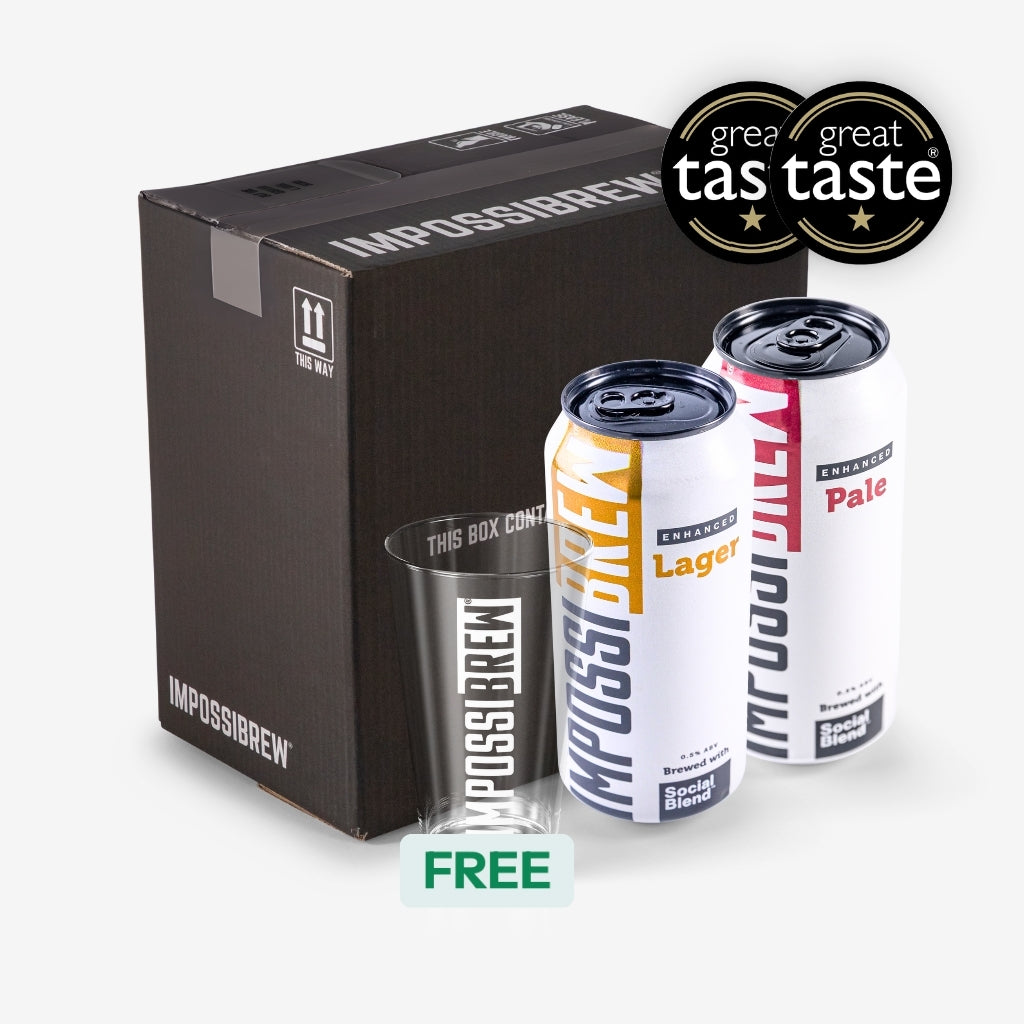
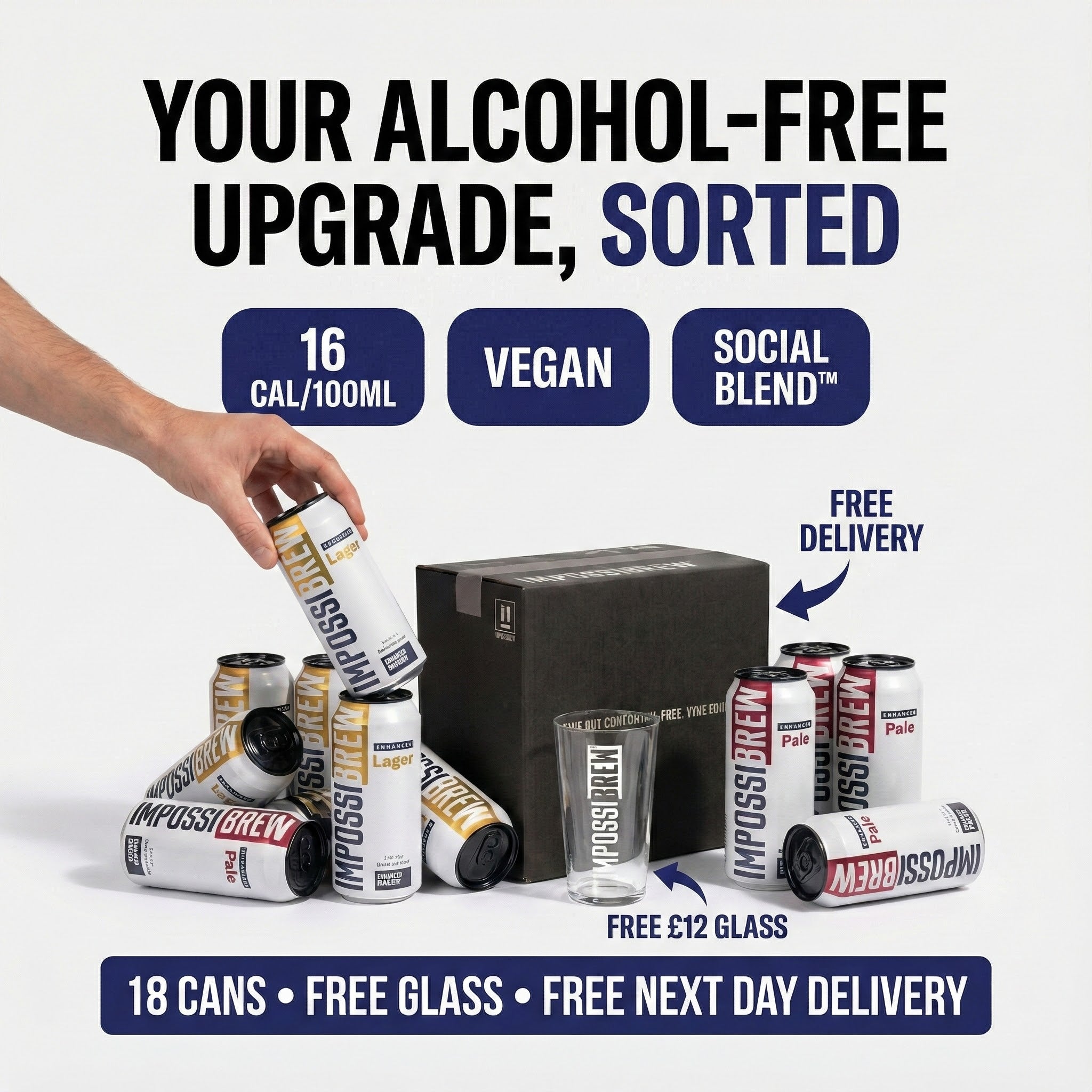
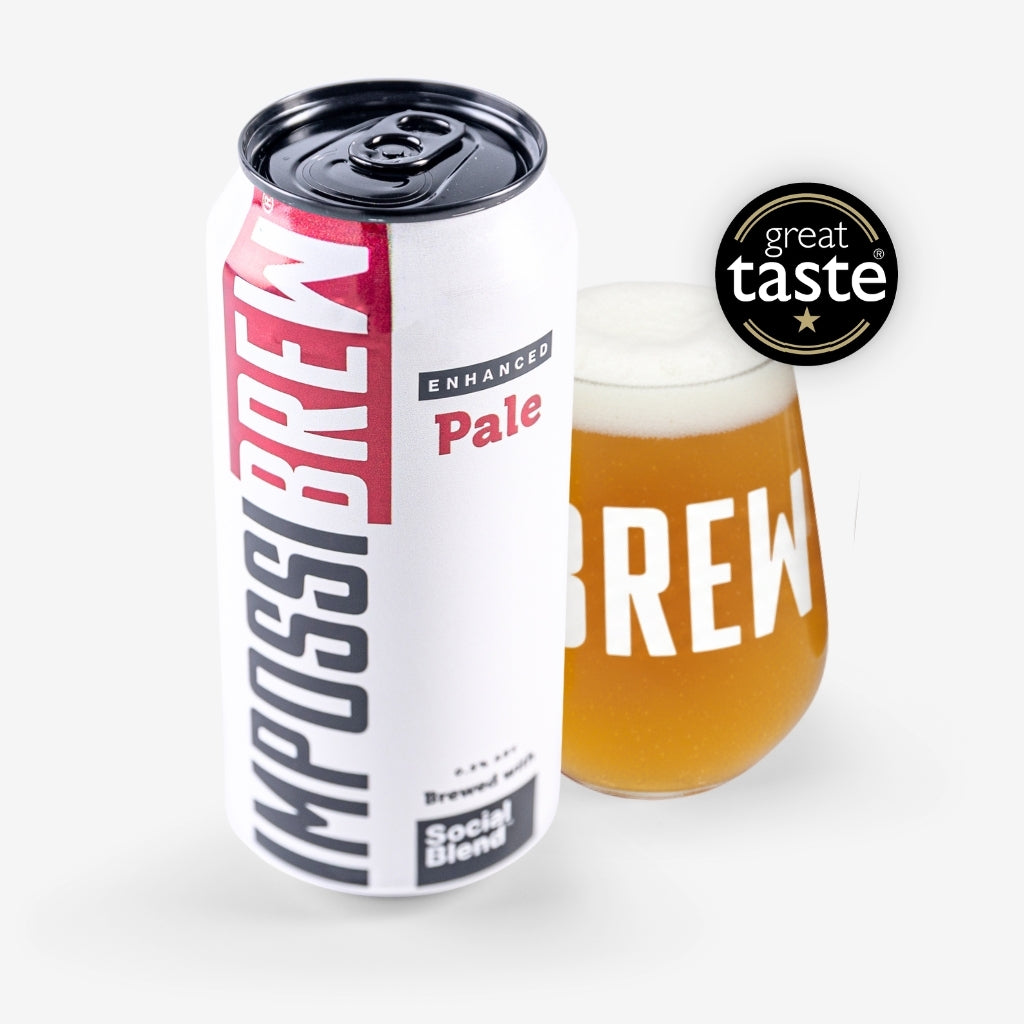
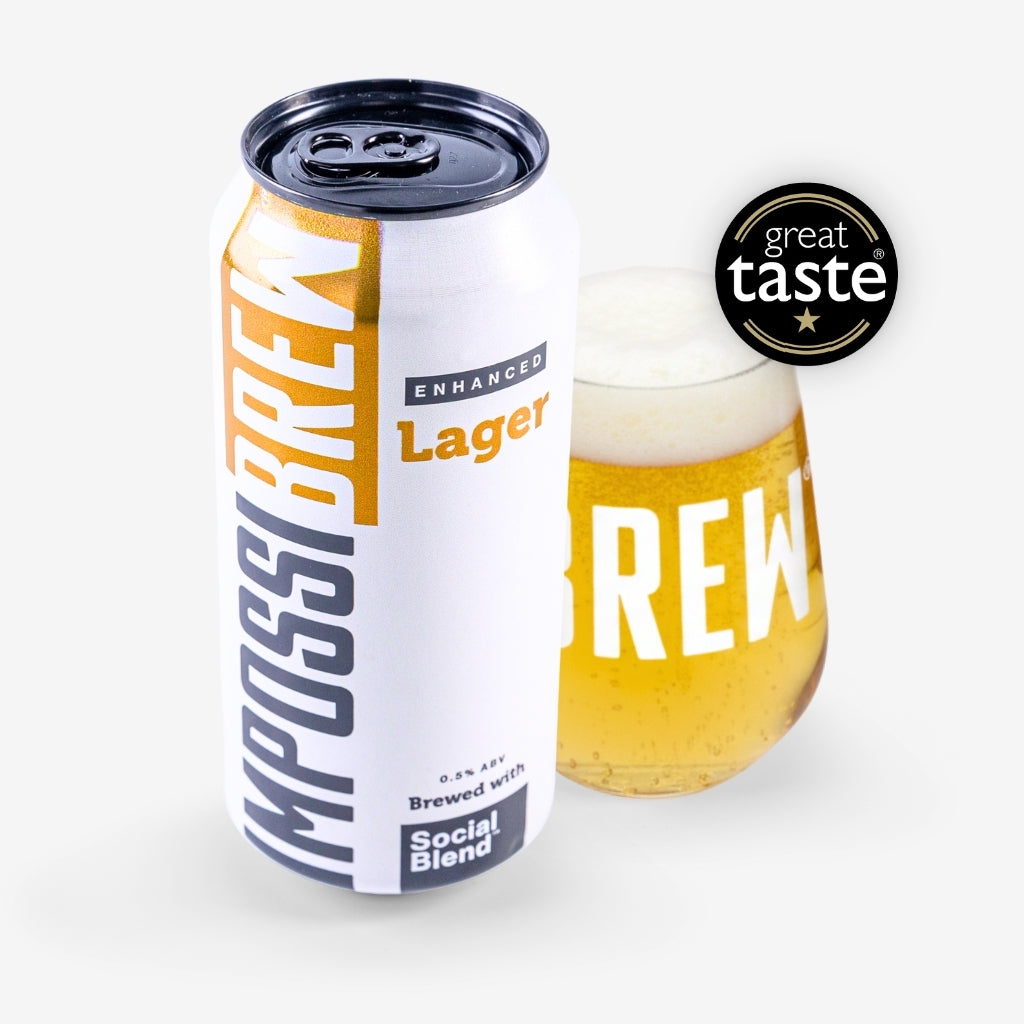
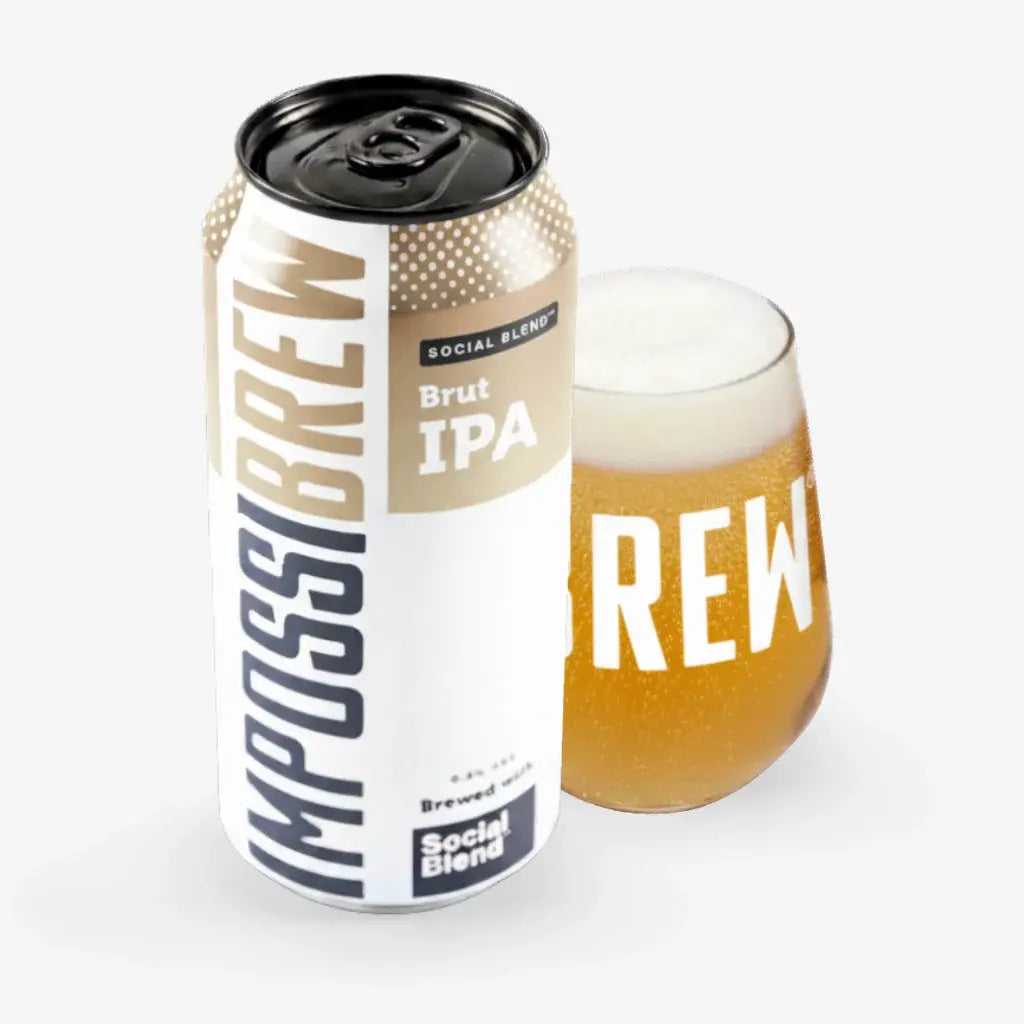
Enhanced Non-Alcoholic Beer from IMPOSSIBREW®
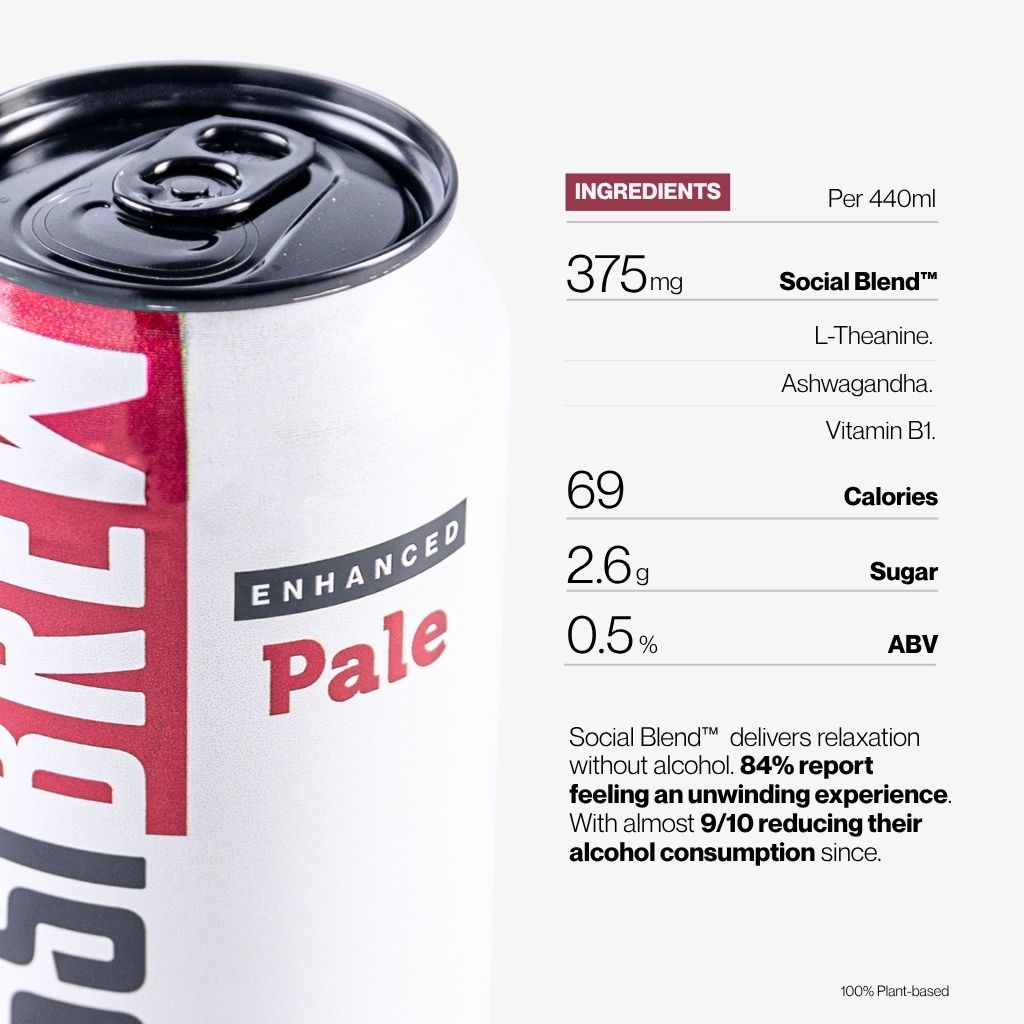
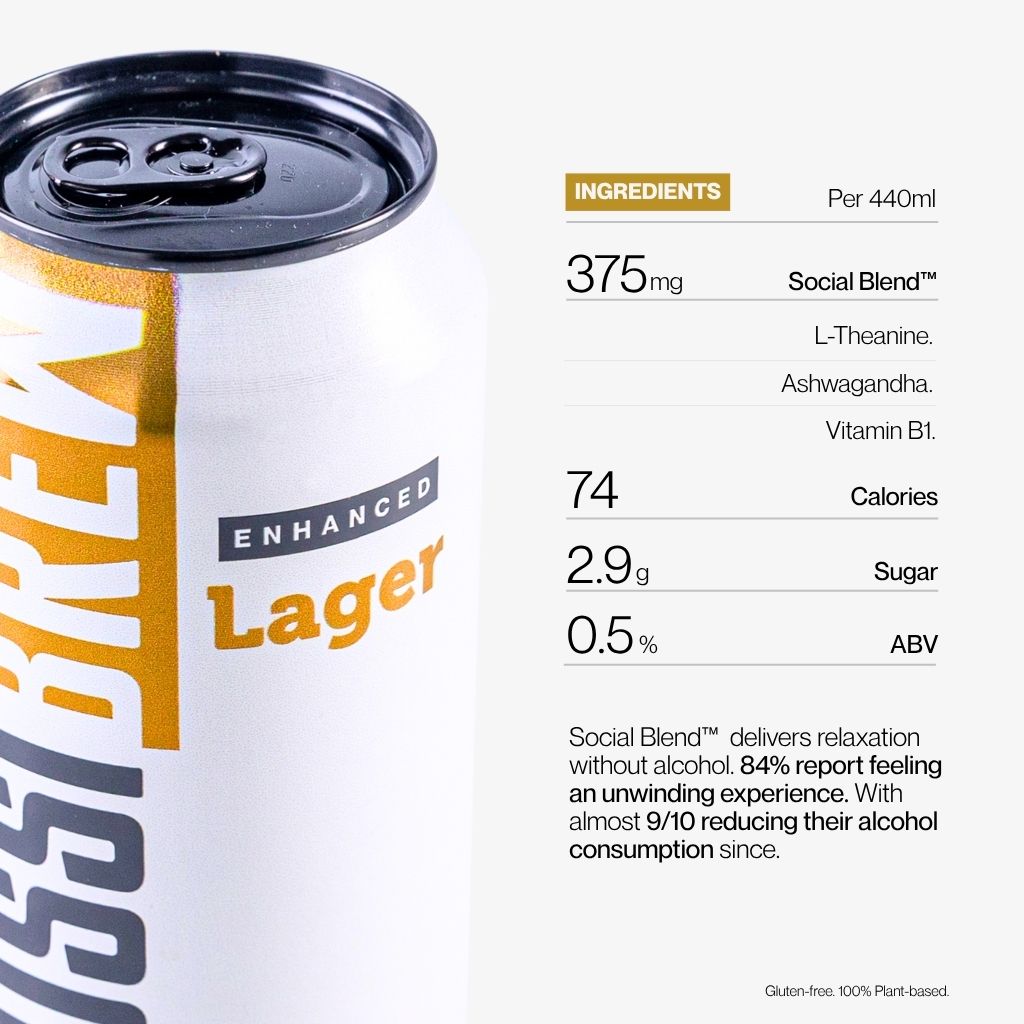
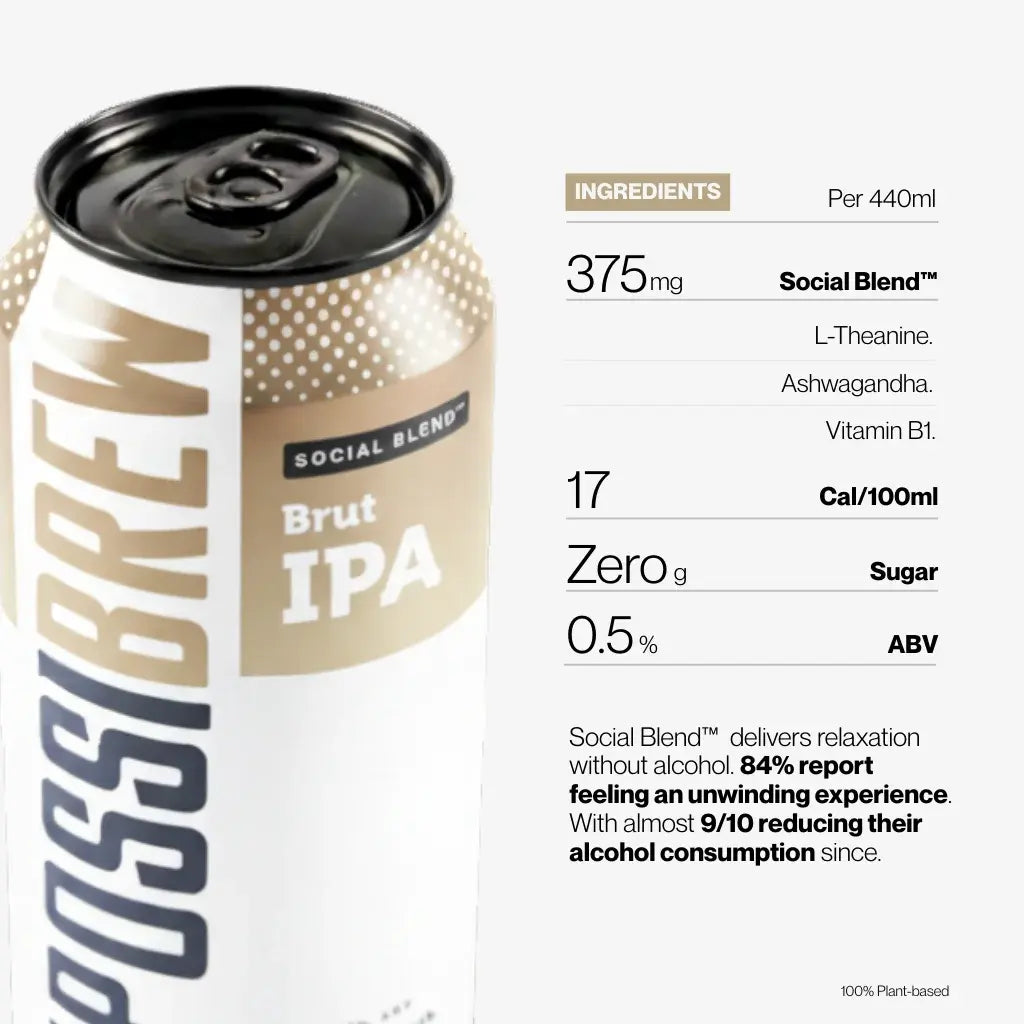
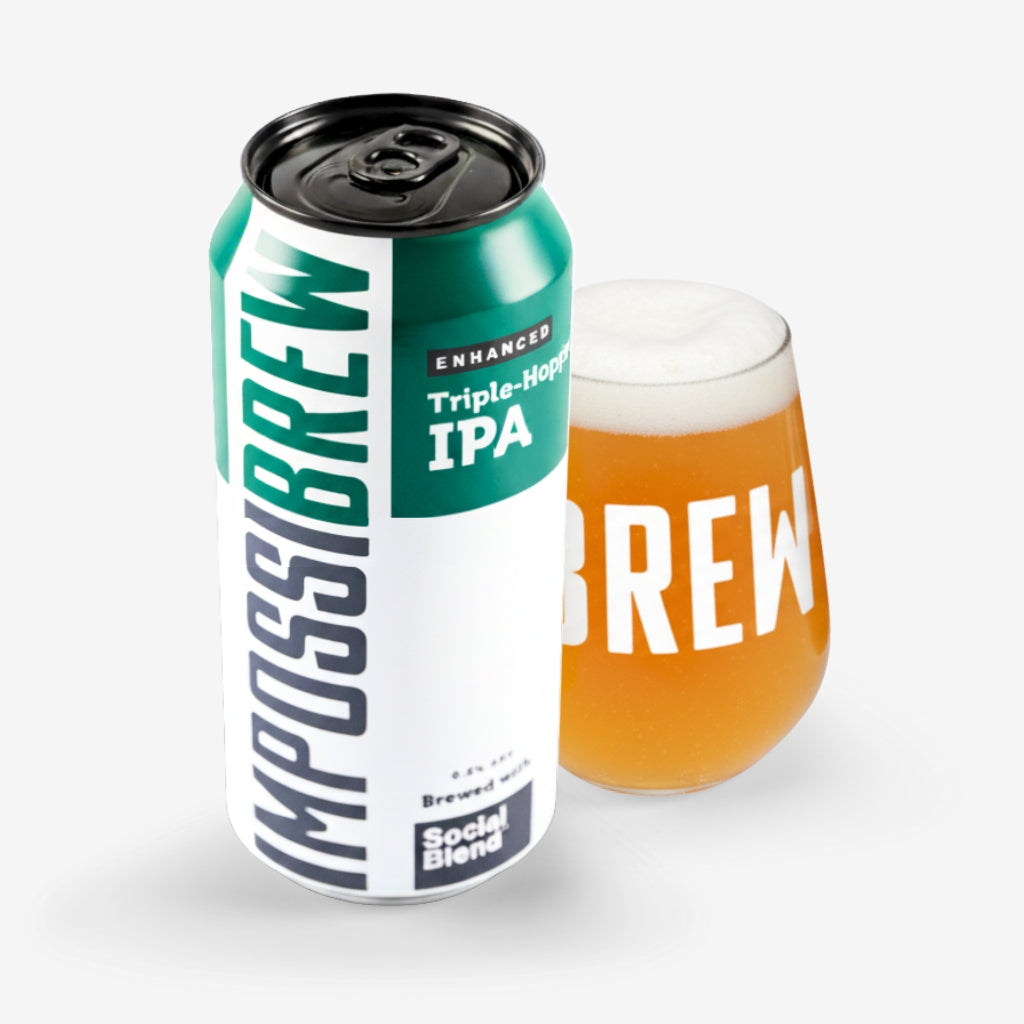
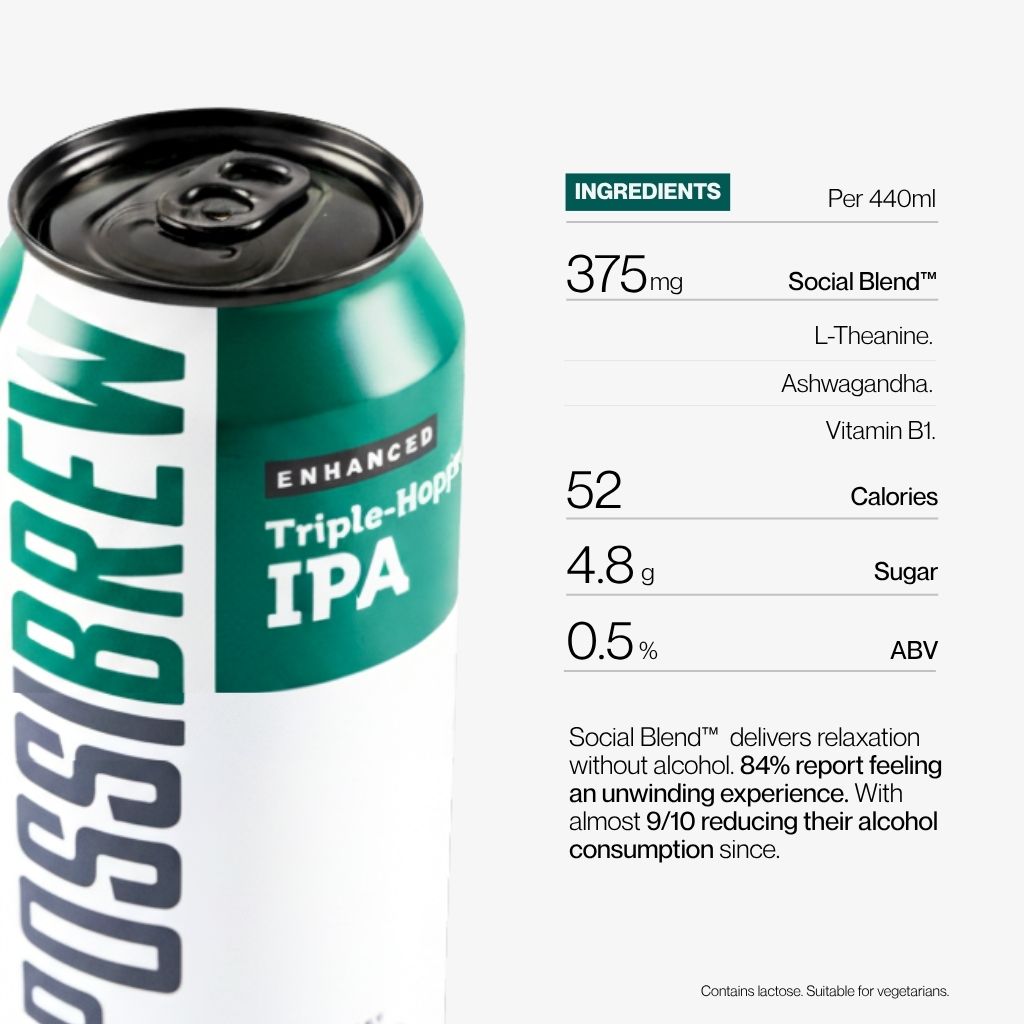
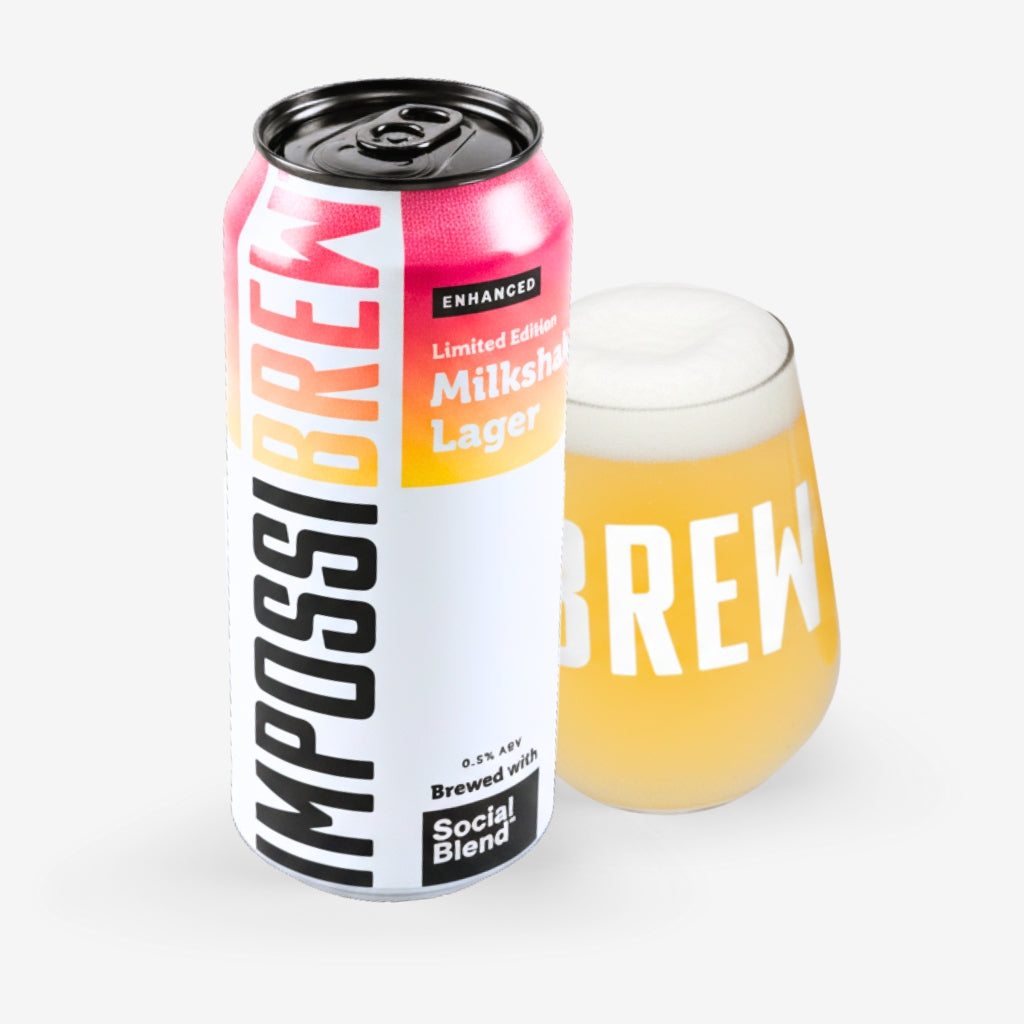
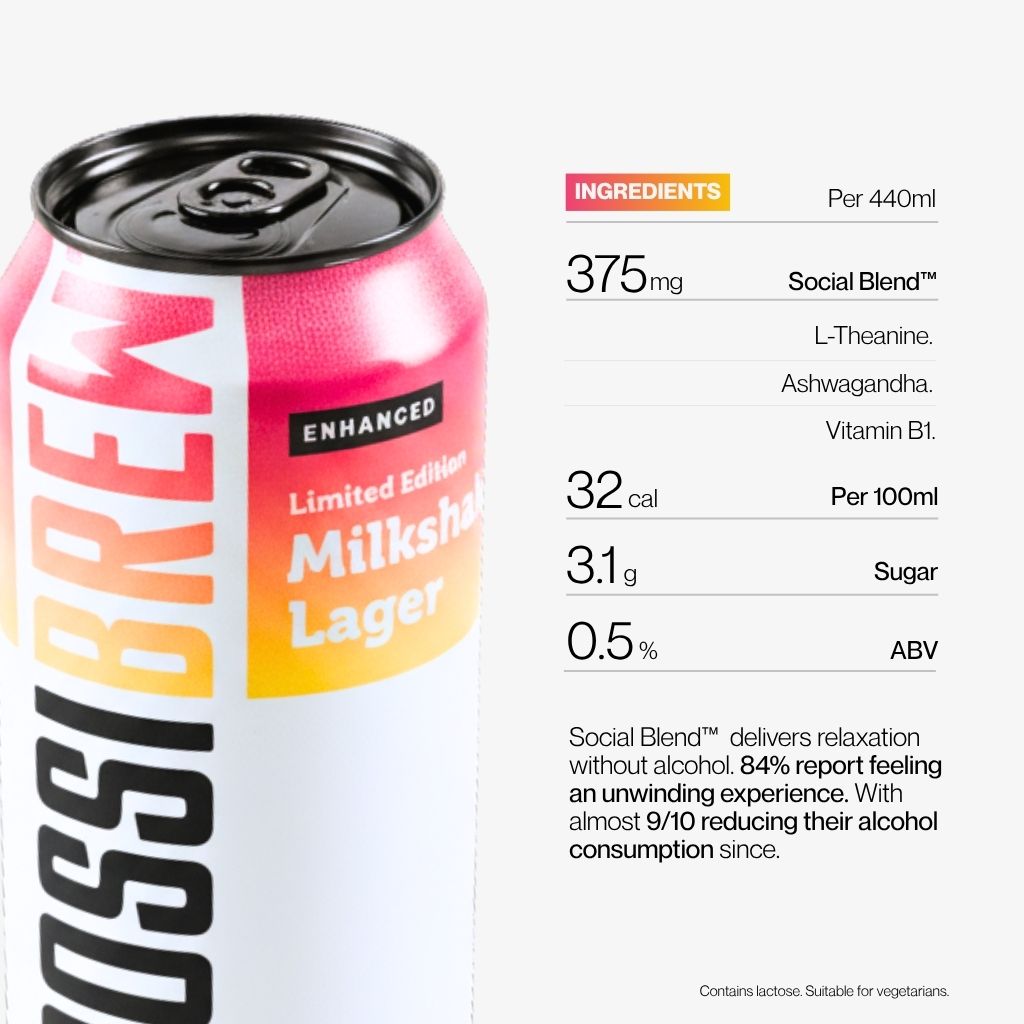
A new wave of alcohol-free beers is emerging, designed specifically for professional environments. IMPOSSIBREW® has developed enhanced non-alcoholic beers that incorporate nootropics and adaptogens - ingredients known for promoting relaxation while maintaining focus. Founded by Mark Wong, the company has already made a mark, raising £1,284,151 through crowdfunding with the support of 836 investors[8].
These enhanced beers, with ABV levels between 0.0% and 0.5%, are physically non-impairing and include botanical ingredients aimed at providing functional benefits. IMPOSSIBREW®'s offerings, such as the Enhanced Lager and Enhanced Hazy Pale Ale, are low-calorie and vegan-friendly. They’re crafted to deliver the social and sensory experience of traditional beer without compromising productivity or workplace performance.
When Alcohol-Free Beer Works at Work (and When It Doesn't)
Evaluating Different Work Situations
Whether alcohol-free beer is appropriate at work depends heavily on your role and workplace environment. In roles where safety is paramount - like pilots, surgeons, heavy machinery operators, or drivers - it’s best to steer clear altogether. Regulatory bodies, such as the Civil Aviation Authority, impose strict standards, and even the appearance of consuming beer can lead to serious professional repercussions [3,6].
For client-facing roles, the visual resemblance of alcohol-free beer to its alcoholic counterpart can pose risks. Even with 0.0% ABV, the perception of drinking beer may harm professional credibility, regardless of the reality.
Remote work provides the greatest flexibility. Without direct client interaction or office culture constraints, enjoying an alcohol-free beer at home during work hours is generally more acceptable [2]. However, be mindful during video calls, as a visible beer bottle - even alcohol-free - could still raise eyebrows among colleagues or clients.
In back-office or desk jobs, the acceptability is more nuanced. Andrew Willis, Associate Director of Legal at Croner, explains:
Consuming a non-alcoholic drink in the workplace is not illegal. As to whether it is acceptable or not will ultimately depend upon the stance of the company [3,13].
Ultimately, company culture plays a significant role. While some workplaces embrace relaxed practices like "Beer Fridge Fridays", others maintain stricter professional boundaries. These nuances highlight the importance of tailoring your approach to alcohol-free beer based on your role and workplace expectations.
Pros and Cons: Alcohol-Free Beer at Work
| Benefits | Drawbacks |
|---|---|
| Healthier than many soft drinks, offering natural sugars, vitamins, and soluble fibre [1] | Packaging often mirrors alcoholic beer, leading to confusion or misjudgement [4,7] |
| Encourages inclusivity for non-drinkers during workplace social events [9] | May create a "relaxed" mindset due to the placebo effect, potentially impacting focus [3,6] |
| No intoxication or physical impairment with ABV levels of 0.0%–0.5% [2] | Could be triggering for colleagues recovering from alcohol addiction [3] |
| Functional benefits when infused with nootropics or adaptogens (e.g., IMPOSSIBREW®’s products) | HR departments may struggle to distinguish it from regular beer [3,13] |
| Fits with health-conscious trends like Dry January and "mindful drinking" [9] | Risks professional stigma, as some may still see it as unprofessional [4] |
The no/low alcohol market exceeded $11 billion in 2022, reflecting its growing popularity [1]. However, Karen Tyrell, Chief Executive of Drinkaware, offers a straightforward rule:
The general principle is to avoid them when you would also avoid drinking alcohol, for example when you are pregnant or whilst you are driving [1].
This advice extends to professional situations where alcohol consumption would typically be inappropriate, regardless of the beverage’s alcohol content. Understanding these workplace dynamics is essential as we move towards practical guidelines for both employees and employers in the next section.
Guidelines for Employees and Employers
Employee Checklist: Should You Drink Alcohol-Free Beer at Work?
Before reaching for an alcohol-free beer at work, take a moment to think about a few key points. Start by checking your employee handbook. Look for any rules about "alcohol-free", "de-alcoholised", or "functional" drinks. Some policies might not make it clear whether trace amounts of alcohol (up to 0.5% ABV) are allowed. If you're unsure, ask HR or your manager for written clarification to avoid any potential misunderstandings or disciplinary issues [4,11].
Next, think about the nature of your job. If your role involves operating machinery, driving, or other safety-critical tasks, even a drink that looks like alcohol might be off-limits. This is to prevent any confusion about impairment [3,12]. Also, consider your work environment. If you're in a customer-facing role, stricter rules might apply because of how it could be perceived.
Finally, be mindful of your colleagues. The smell or appearance of beer, even if it's alcohol-free, could be difficult for someone recovering from alcohol dependency [3].
How Employers Should Handle Alcohol-Free Beverages
Employers have a responsibility to set clear rules about alcohol-free drinks. Decide whether beverages with 0.05% ABV or 0.5% ABV are acceptable during work hours or if they should be limited to social events [4,11]. Andrew Willis, Associate Director of Legal at Croner, emphasises:
Any employer has to be very clear on the expectation in the policies that set out what is allowed [1].
Packaging is another issue to address. Since alcohol-free drinks often look identical to their alcoholic versions, some employers prefer to ban them altogether to avoid confusion [4,7,13]. Additionally, consider creating tailored rules based on roles. For example, safety-critical positions or client-facing roles might need stricter guidelines compared to back-office jobs.
Making Workplace Events More Inclusive
Workplace social events should cater to everyone, including non-drinkers. Offering high-quality alcohol-free options can make these events more inclusive [1]. Products like IMPOSSIBREW®, which use nootropics and adaptogens to promote relaxation without alcohol, allow non-drinkers to join in the festivities without feeling left out [8]. This approach promotes both inclusion and employee well-being.
To move away from an alcohol-focused culture, consider alternative ways to celebrate. Instead of relying on champagne or pub outings, offer options like restaurant vouchers, spa treatments, or activities such as quiz nights [10]. These efforts help ensure all team members feel valued and included, whether they're in the office or at a social gathering.
Conclusion: Finding the Right Balance
Deciding whether alcohol-free beer is appropriate at work isn't something you can boil down to a straightforward yes or no. It largely hinges on three factors: your company's policies, the nature of your job, and the overall workplace environment. As Andrew Willis, Associate Director of Legal at Croner, puts it:
Consuming a non-alcoholic drink in the workplace is not illegal. As to whether it is acceptable or not will ultimately depend upon the stance of the company. [1]
The growing popularity of alcohol-free drinks - expected to push the UK market to £320 million by 2024 - has brought this issue into sharper focus [4]. While some workplaces embrace these beverages during breaks or social gatherings, others enforce stricter rules to uphold safety and professionalism. This shift has also opened the door to exciting non-alcoholic beer alternatives.
For those who want the full beer experience without risking their professional image, IMPOSSIBREW® offers a standout solution. Crafted with traditional Asian medicinal herbs and adaptogens in its Social Blend™, it delivers the taste and feel of a pint while promoting relaxation without the effects of alcohol. And with just 49 calories per glass, it addresses concerns about both perception and performance. As founder Mark Wong explains:
They're not just looking for alcohol-free beer - they want the complete experience that an enhanced beer can provide. [8]
Ultimately, both employees and employers need to adjust to this evolving trend. Clear policies and transparent communication are key. Just as workplaces clarified their stance on vaping, they should now address alcohol-free beverages [2][7]. With mutual understanding and well-defined boundaries, alcohol-free beer can carve out a place in modern work culture - whether that’s at social events, during casual office hours, or elsewhere.
FAQs
Could I fail a workplace alcohol test after 0.5% ABV beer?
Yes, consuming a 0.5% ABV beer could potentially trigger a positive result in a workplace alcohol test. Certain tests are sensitive enough to pick up even trace amounts of alcohol found in alcohol-free beers, which might cause unexpected positives.
How should I ask HR if alcohol-free beer is allowed?
To approach HR about whether alcohol-free beer is allowed, keep your question clear and respectful. You might say something like: "Could you please confirm if drinking alcohol-free beer is allowed in the workplace?" or "Would you clarify if consuming non-alcoholic beer during work hours aligns with company policies?". Use a professional tone and highlight your intention to follow workplace guidelines and uphold professionalism.
Is 0.0% beer safer than 0.5% at work?
0.0% beer is often seen as a safer choice than 0.5% beer in the workplace because it contains either no alcohol or only negligible traces, reducing the chance of impairment or any misunderstanding. On the other hand, 0.5% beer includes a small amount of alcohol, which might be detectable and could slightly influence judgement. It's always important to take workplace policies and professional norms into account when opting for alcohol-free drinks.