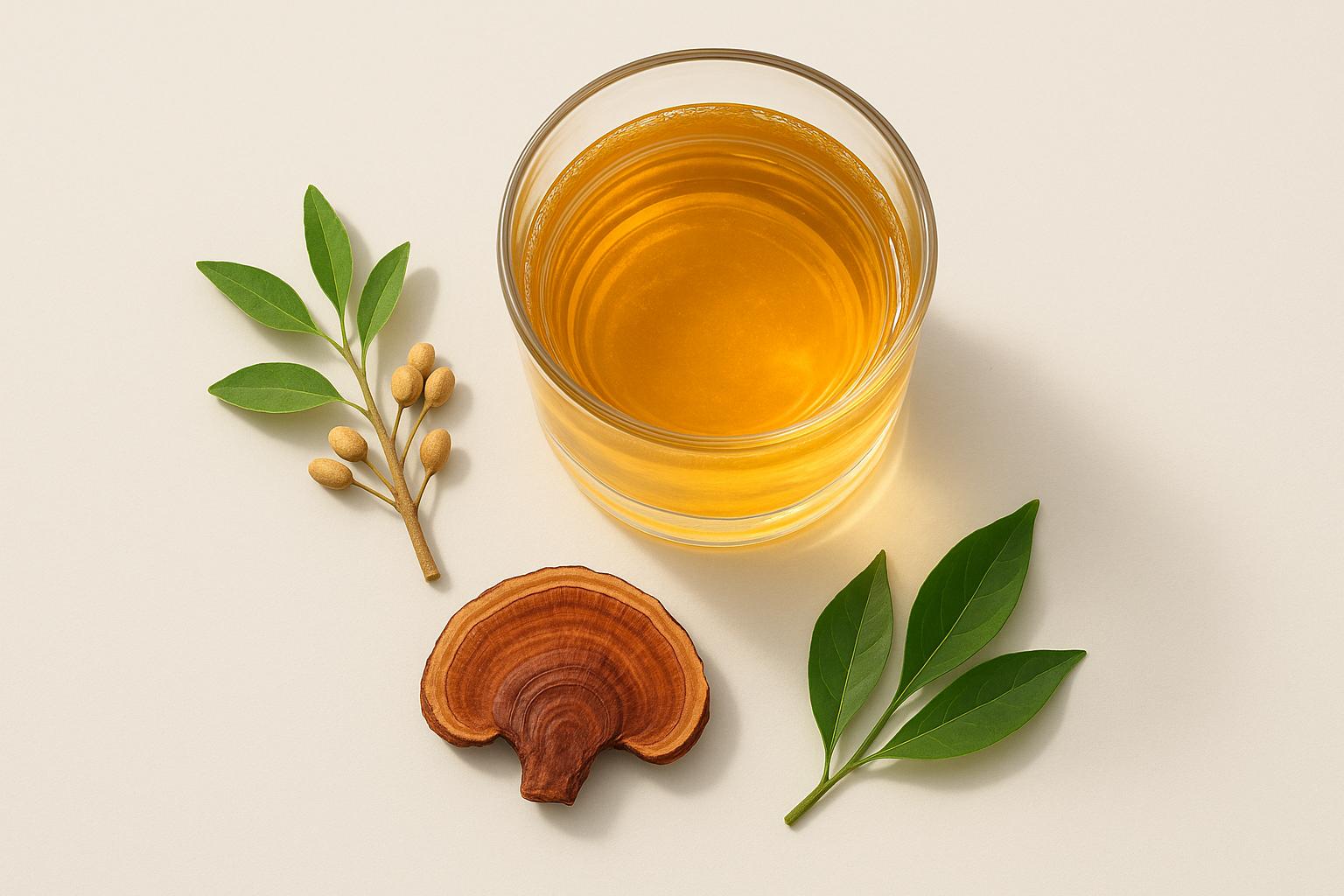
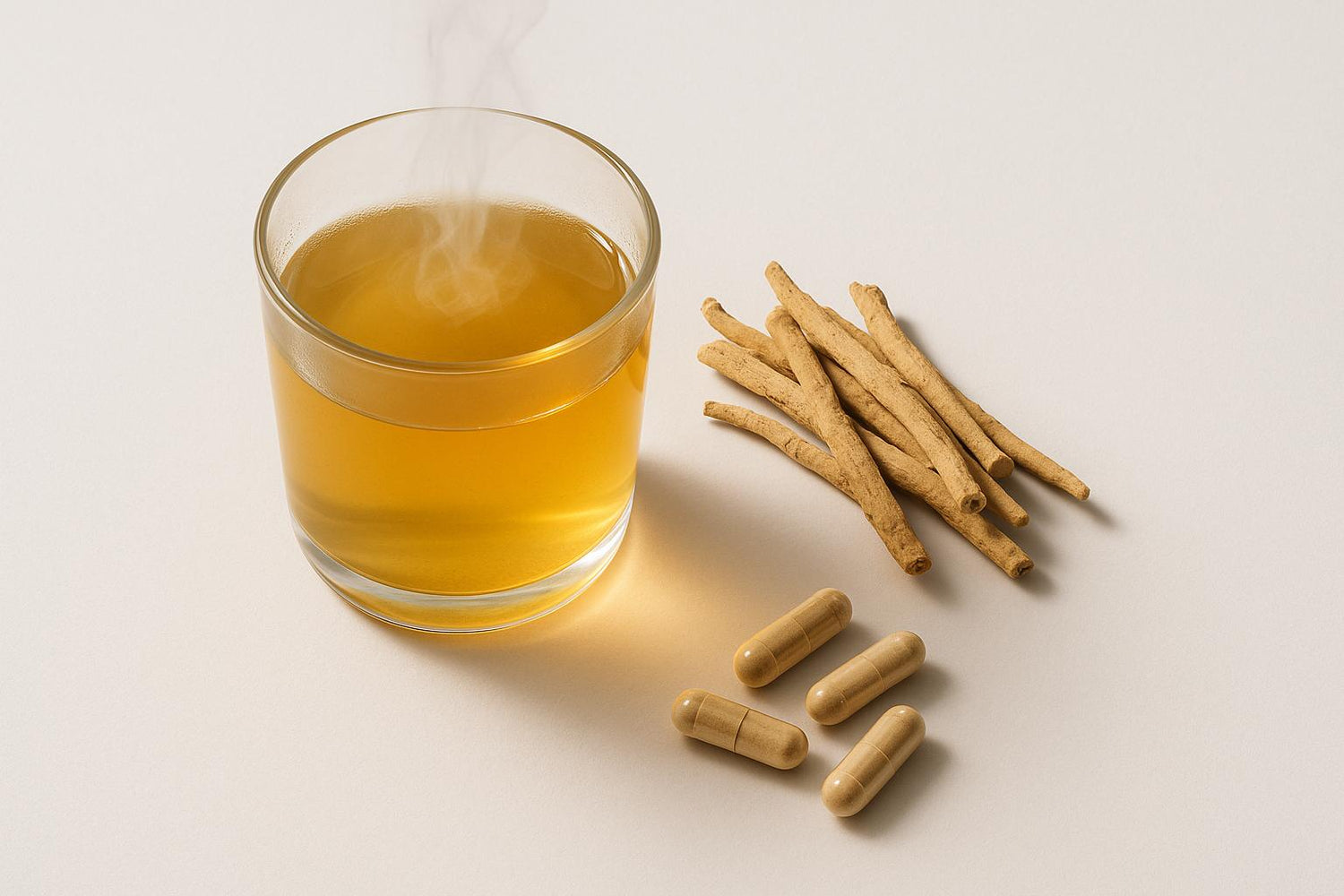
- Nootropics: Support brain function by boosting neurotransmitters, improving blood flow, and protecting neurons. Examples include L-theanine and Lion’s Mane.
- Adaptogens: Help the body handle stress by regulating cortisol and energy levels. Common options are Ashwagandha and Rhodiola.
- Why Pair Them? Together, they create a state of "calm focus" - mental clarity with emotional balance, ideal for work or social settings.
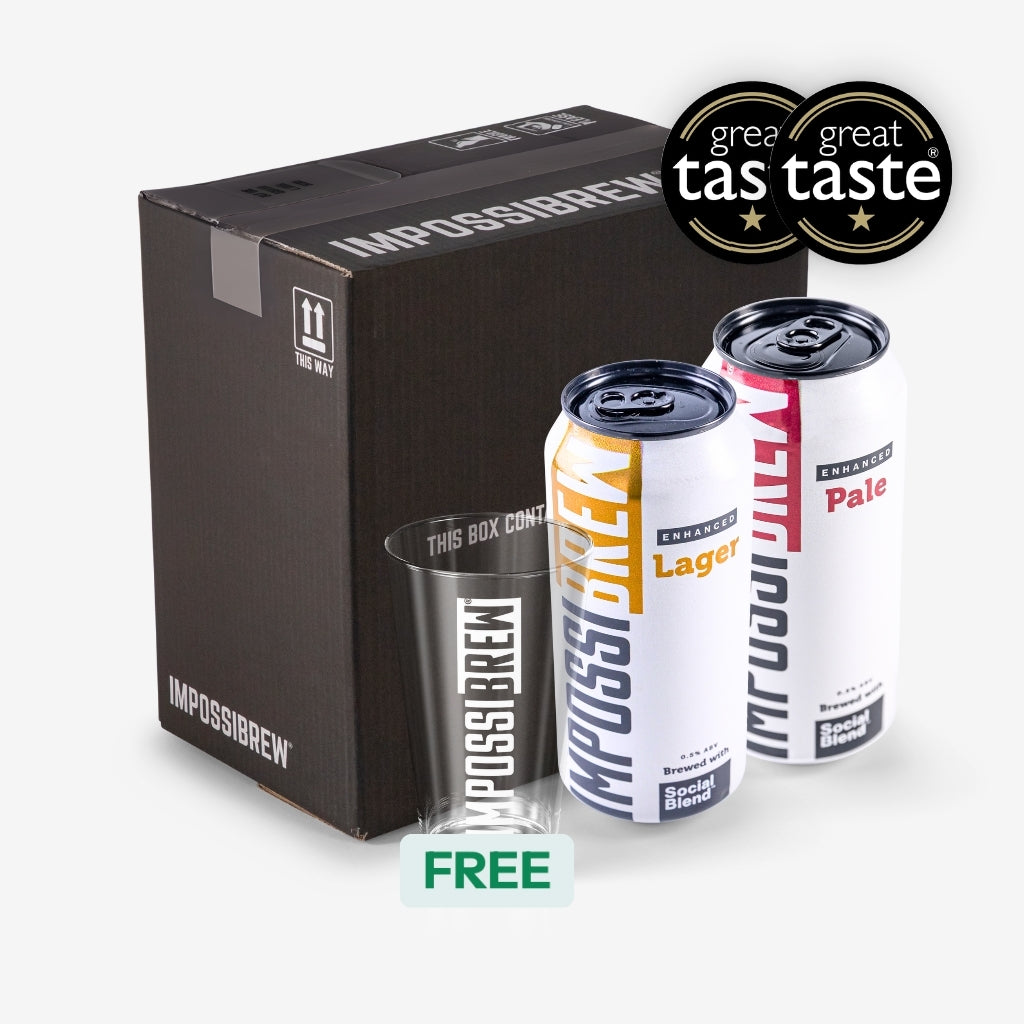
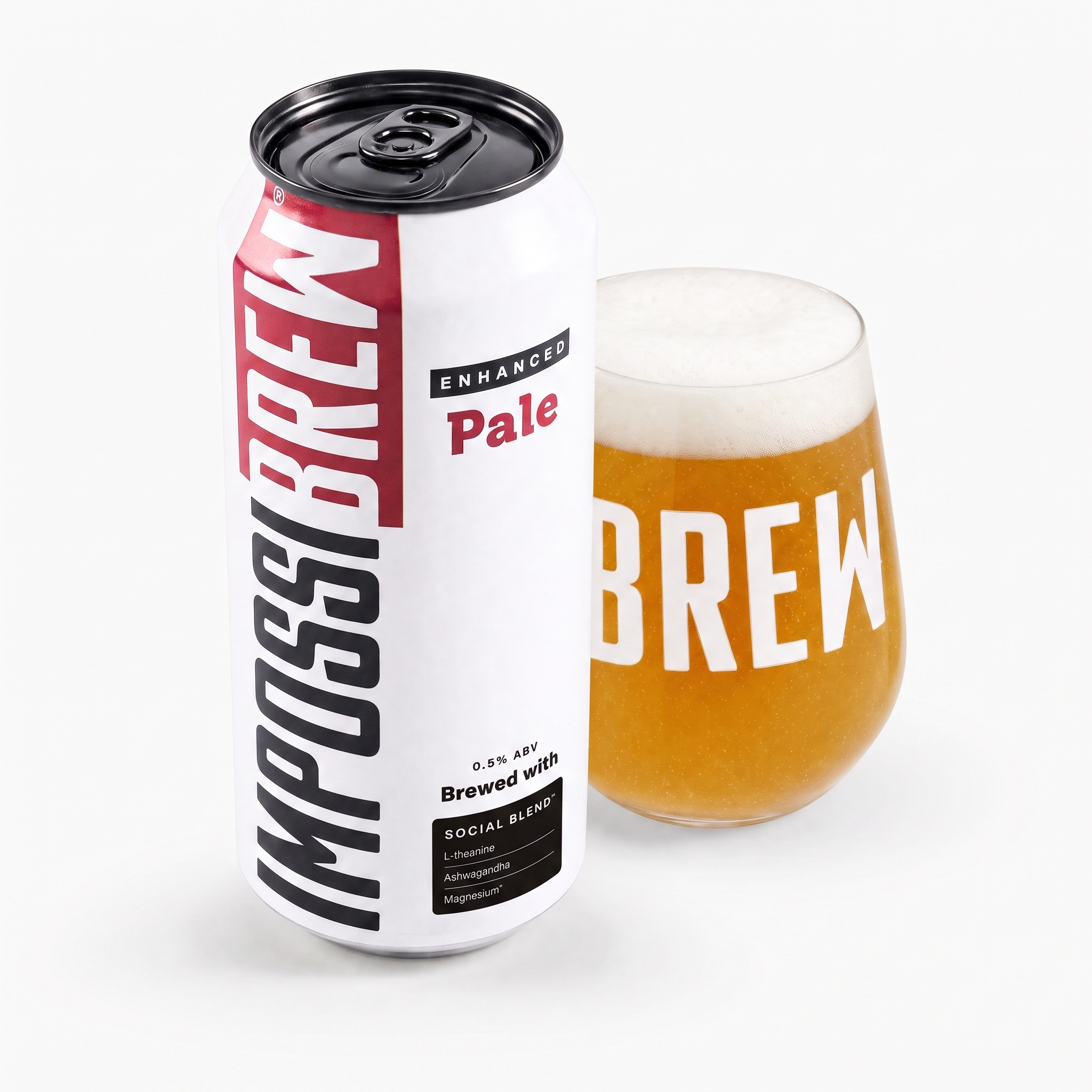
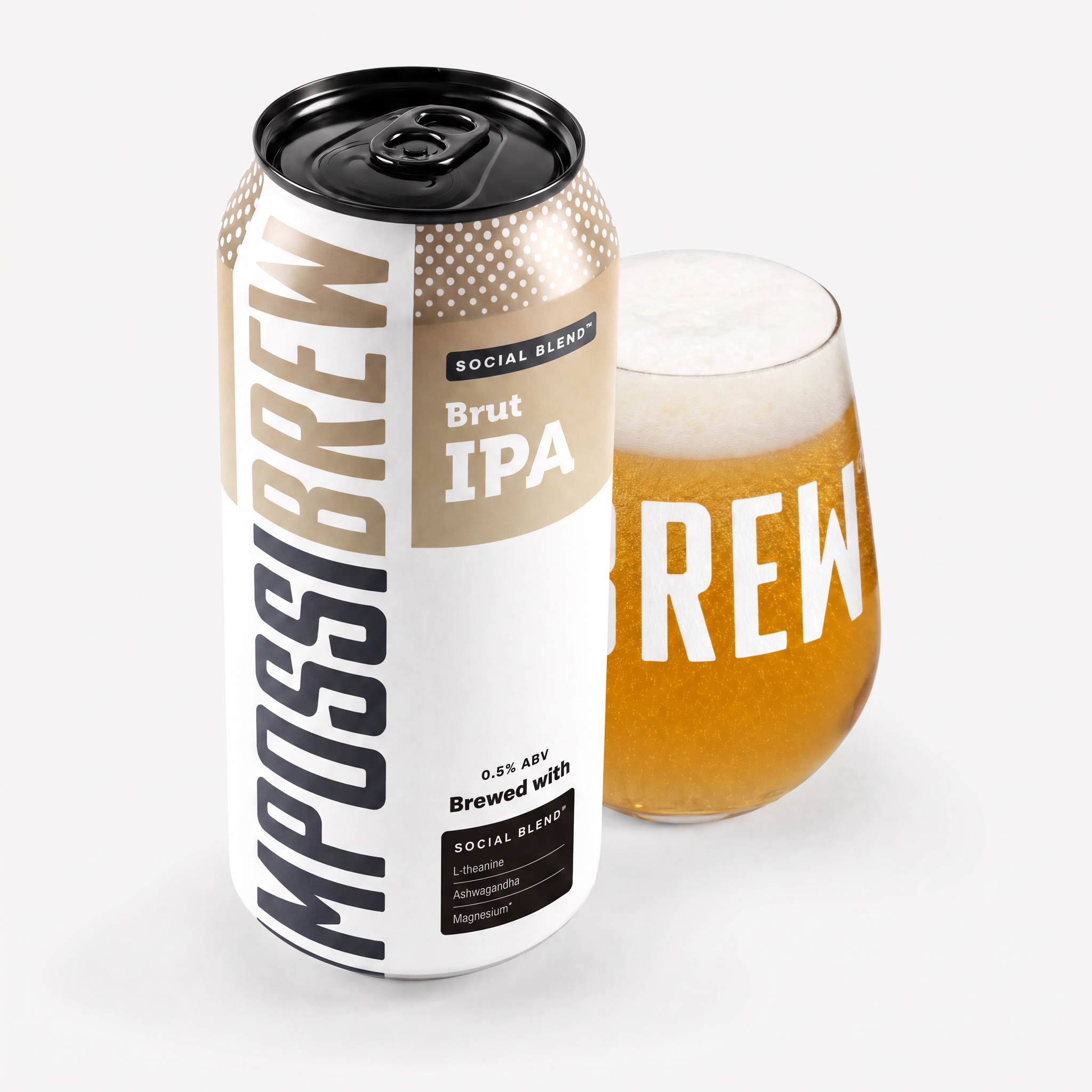
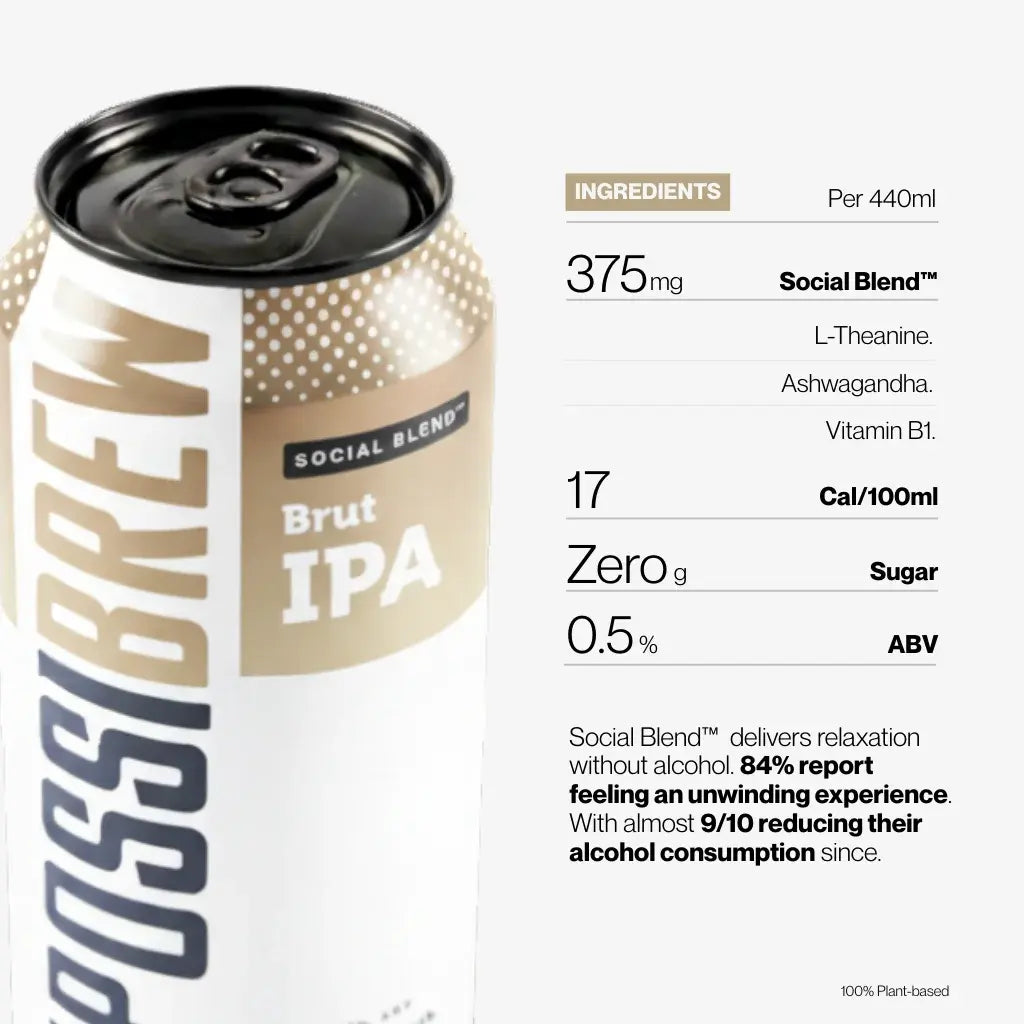
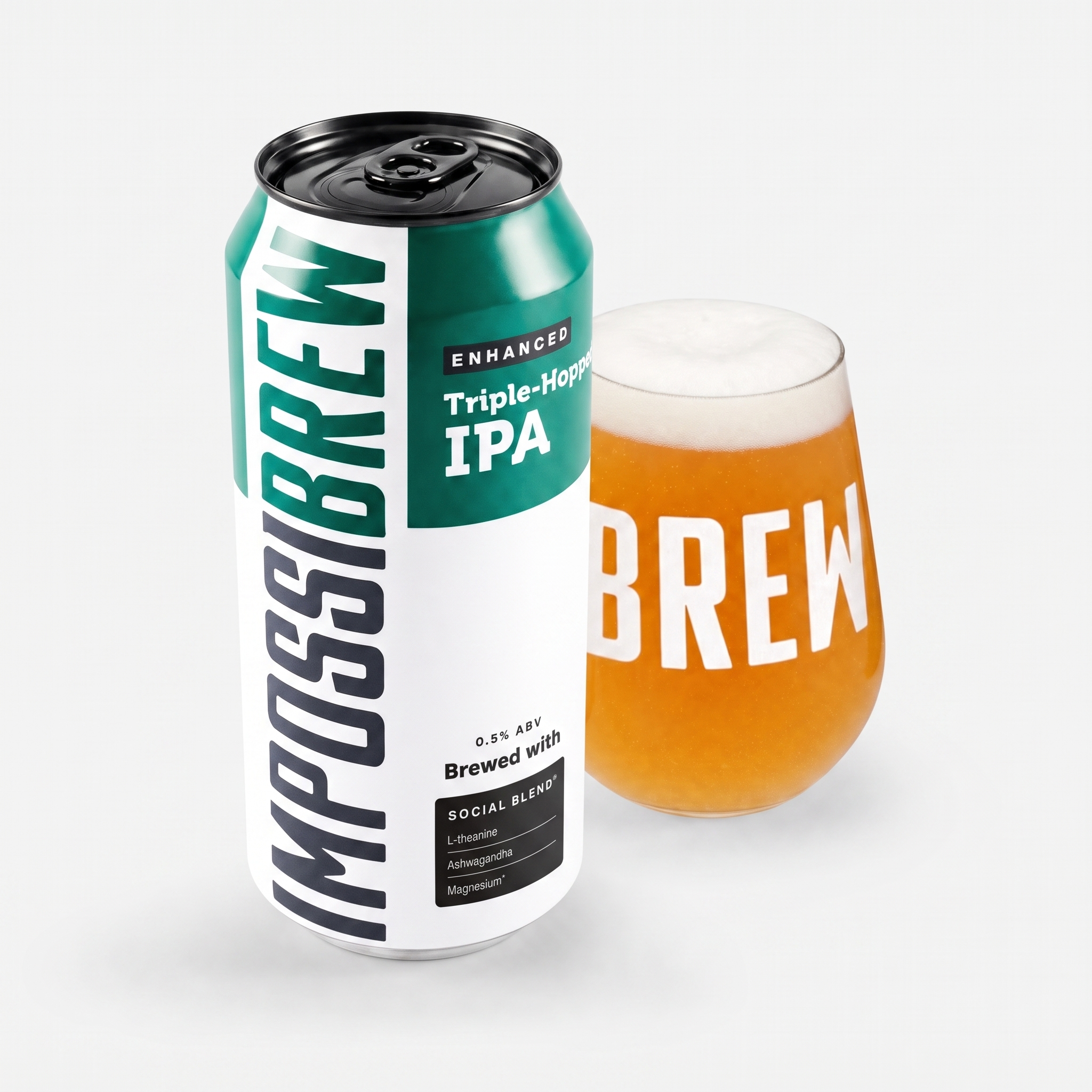
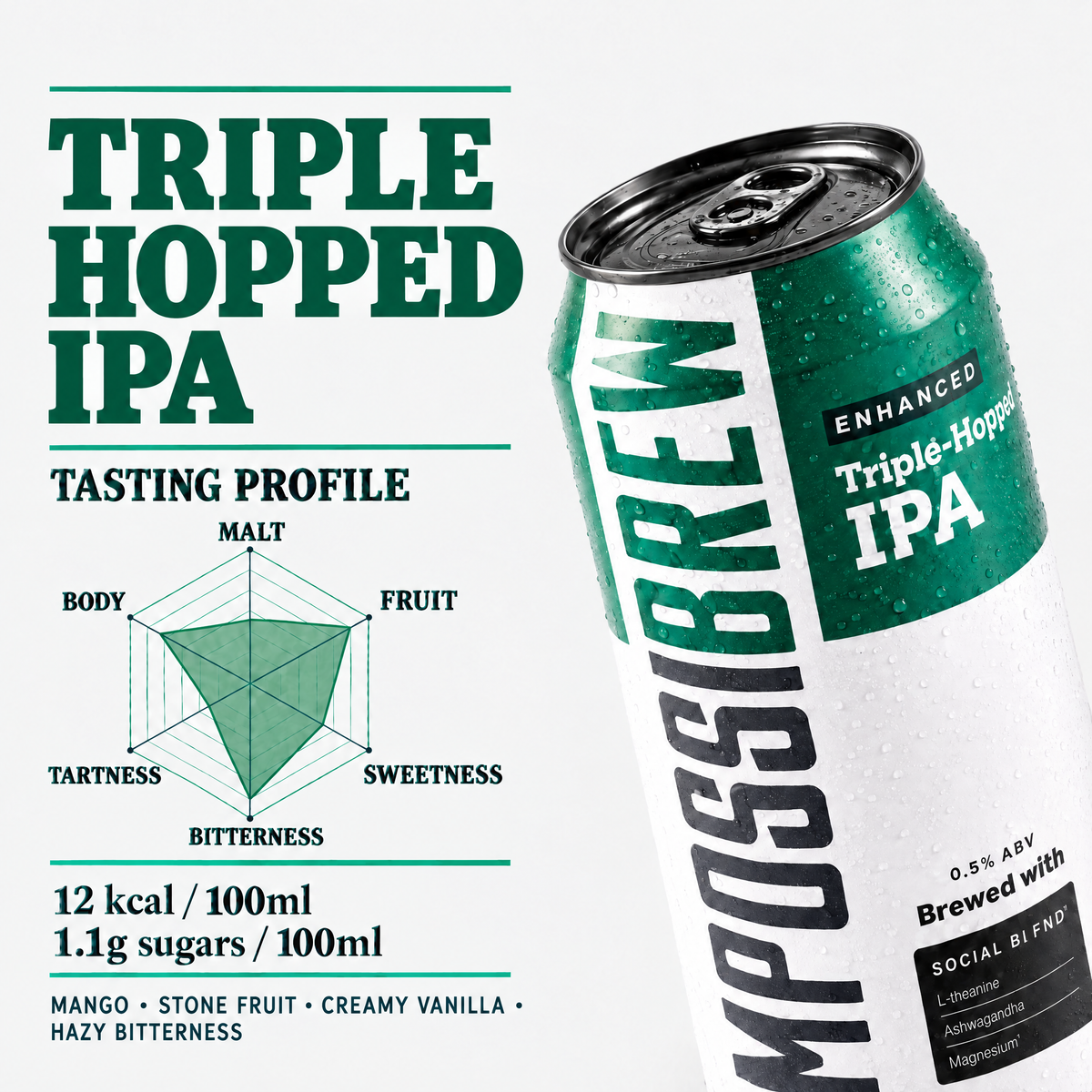
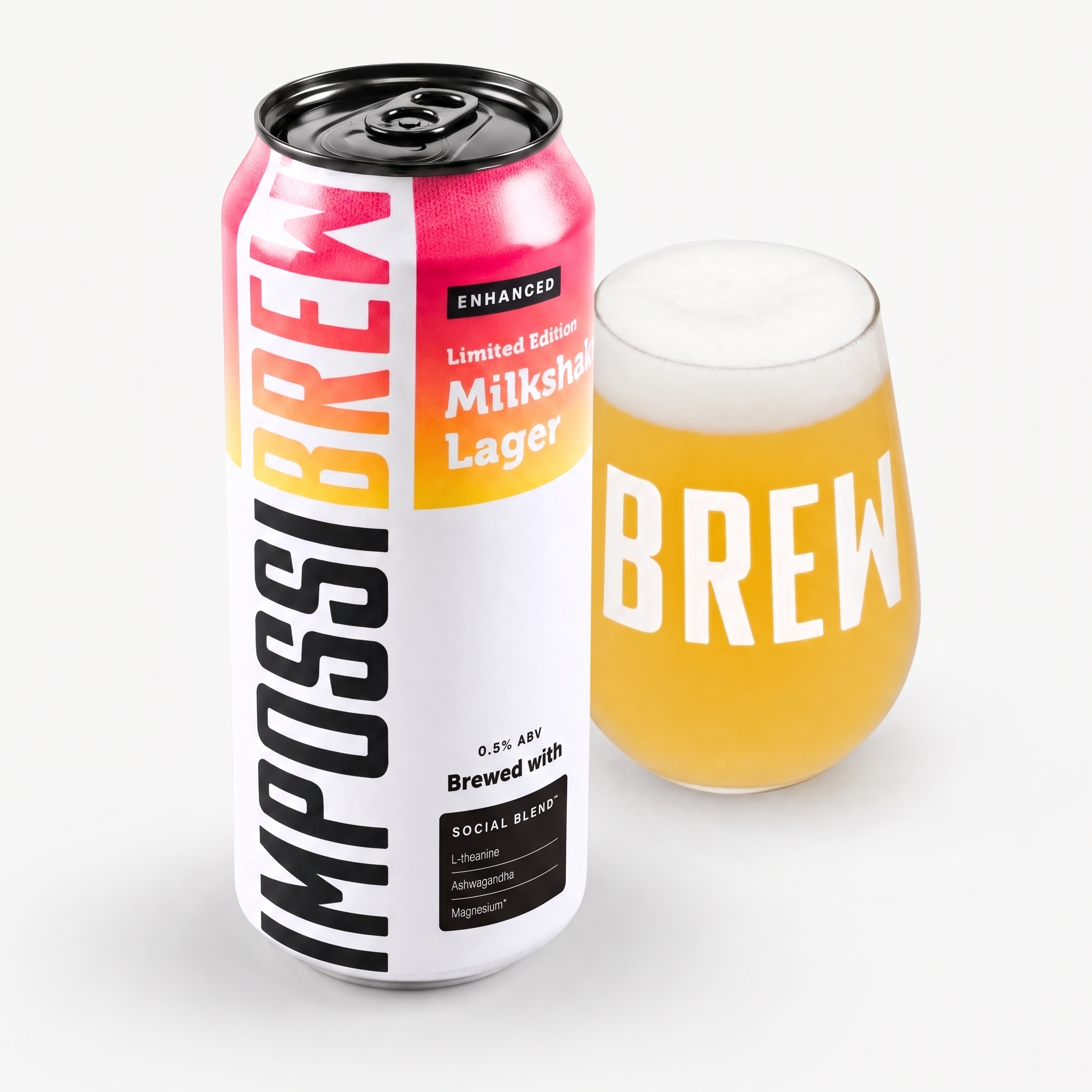
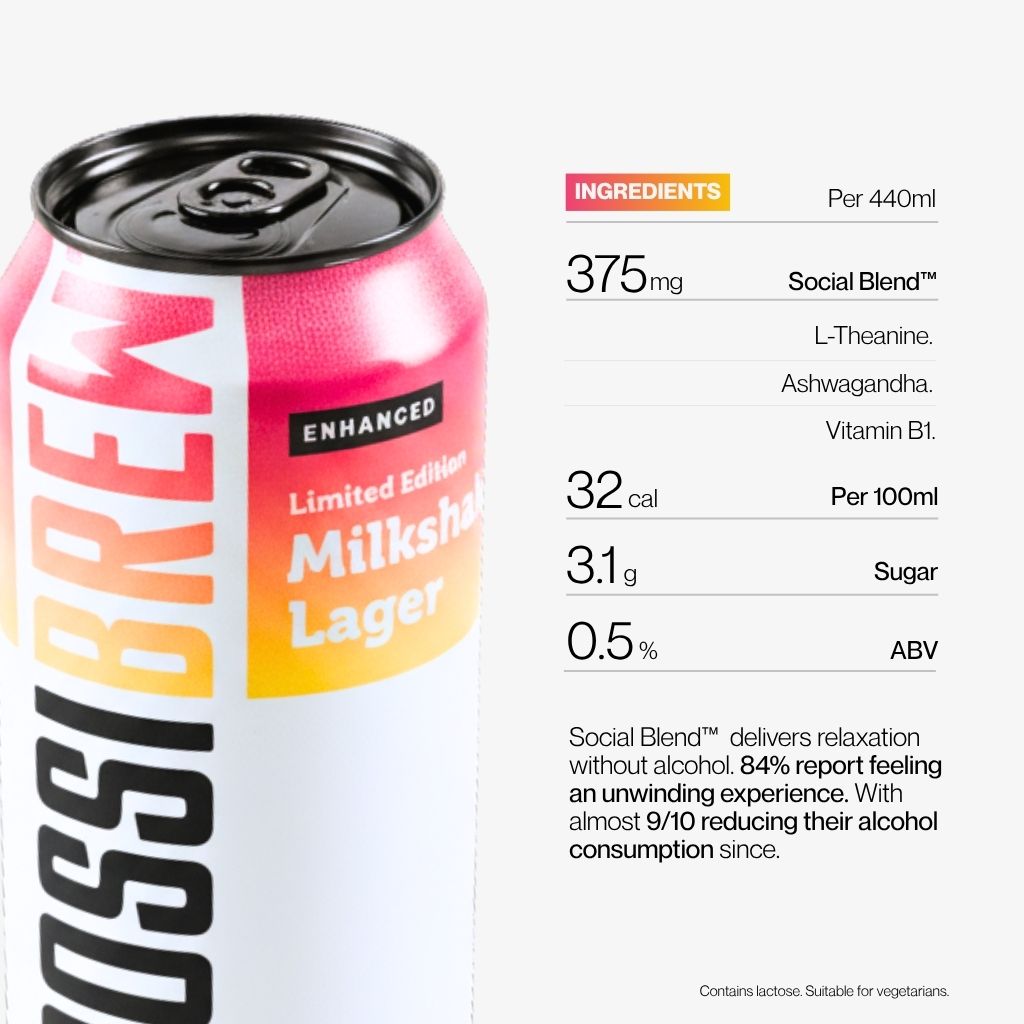
- Functional Beverages: Brands like IMPOSSIBREW® combine nootropics (e.g., L-theanine) and adaptogens (e.g., Ashwagandha) in non-alcoholic beers. These drinks mimic the relaxing effects of alcohol without hangovers or health risks.
Key Takeaways:
- Popular pairings include:
- L-theanine + Ashwagandha: Relaxed focus.
- Rhodiola + Ginkgo: Mental clarity and resilience.
- Non-alcoholic options like IMPOSSIBREW® are gaining traction in the UK, offering a healthier alternative to traditional drinks.
- Start with small doses and consult a healthcare professional if you have health conditions or take medications.
Functional beverages are reshaping social drinking by combining wellness with familiar formats like beer. Their rise reflects growing interest in mental health and alcohol-free lifestyles.
Do Adaptogens and Nootropics Actually Work? (What the Science Says)
How Nootropics and Adaptogens Work
Nootropics and adaptogens function through different biological processes, but when paired, they can boost mental performance and help the body manage stress more effectively.
Nootropics: Supporting Brain Performance
Nootropics enhance brain activity by influencing key neurotransmitters like acetylcholine, dopamine, serotonin, and GABA - all of which play a role in memory, focus, and emotional stability. They also promote the activity of growth factors like BDNF (Brain-Derived Neurotrophic Factor) and NGF (Nerve Growth Factor), which are crucial for forming new neural connections. Additionally, nootropics improve blood flow to the brain, ensuring a steady supply of oxygen and nutrients, while offering protection against oxidative stress and inflammation.
Different nootropics achieve these effects in unique ways. For instance, L-theanine encourages alpha brain-wave activity, creating a state of calm focus by influencing neurotransmitters. Bacopa monnieri helps regulate acetylcholine levels and acts as an antioxidant, gradually improving memory and reducing mental fatigue over time. Meanwhile, Lion’s mane mushroom has shown promise in preclinical studies for supporting neurogenesis through NGF-related pathways, which may contribute to long-term cognitive health.
Adaptogens: Balancing Stress Responses
Adaptogens primarily target the body’s stress-response system, particularly the hypothalamic–pituitary–adrenal (HPA) axis. When faced with stress, the HPA axis triggers the release of hormones like cortisol. Adaptogens help to normalise cortisol levels, enabling the body to recover more quickly after stress. This regulation supports consistent energy levels, mood stability, and healthy sleep patterns, making adaptogens a key player in promoting stress resilience and overall balance.
Different adaptogens offer varied benefits. Ashwagandha is well-regarded for reducing stress and anxiety, fostering emotional balance. Rhodiola rosea is often used to combat fatigue and improve mental stamina during prolonged stress. Similarly, reishi mushroom supports immune health and encourages calmness, particularly during recovery periods.
Together, these mechanisms create a foundation for improved stress management and overall well-being.
Synergy Between Nootropics and Adaptogens
By combining nootropics and adaptogens, it’s possible to address both immediate cognitive needs and long-term stress regulation. Nootropics enhance brain function by improving synaptic communication, energy metabolism, and blood flow, leading to sharper focus, better memory, and quicker information processing. At the same time, adaptogens help regulate hormonal responses, reducing the effects of stress and promoting emotional balance.
A great example of this synergy is IMPOSSIBREW®'s Social Blend™, which combines nootropic and adaptogenic ingredients to mimic the relaxing and social benefits of alcohol - without its downsides. Developed in collaboration with Dr Paul Chazot, a Bioscience Professor and Chair of Pharmacology at Durham University, this blend includes L-theanine, Ashwagandha, Vitamin B1, and various plant extracts.
"IMPOSSIBREW®'s Social Blend™ is a carefully crafted combination of nootropic and adaptogenic ingredients designed to offer a relaxing and mood-enhancing experience without the drawbacks of alcohol. It leverages the natural properties of its components to promote relaxation, reduce stress, and enhance mood, making it a unique alternative to traditional alcoholic beverages." - IMPOSSIBREW® [1]
Mechanistically, nootropics and adaptogens work through overlapping but distinct pathways. Nootropics are often used for immediate mental clarity and performance, while adaptogens focus on building long-term emotional resilience and stress tolerance. Together, they offer a well-rounded approach to mental and physical wellness, providing an exciting alternative for those seeking both productivity and relaxation in the UK market.
This dual-action approach opens new possibilities for functional beverages that elevate focus while easing stress, creating a unique space in the wellness landscape.
Research-Backed Nootropic-Adaptogen Pairings
The combination of nootropics and adaptogens offers tailored solutions for specific cognitive and emotional needs. These pairings can help achieve calm focus during work, maintain mental stamina on busy days, or promote relaxed sociability in the evening. Below are some of the most well-researched combinations currently used in functional beverages.
Calm Focus Pairings
L-theanine and ashwagandha work together to provide relaxed alertness without causing drowsiness. L-theanine promotes alpha brain wave activity and influences neurotransmitters like GABA, serotonin, and dopamine, helping to reduce stress while keeping attention sharp. Ashwagandha complements this by regulating cortisol levels through the HPA axis, addressing stress at a hormonal level. Together, they create a calm yet focused state, ideal for work or social settings.
Most beverages use 100–200 mg of L-theanine combined with 100–300 mg of standardised ashwagandha extract per serving. This blend is particularly effective for late-afternoon focus or relaxed social occasions.
For example, IMPOSSIBREW®'s Social Blend™ utilises this pairing. A 2025 study involving over 2,000 participants revealed that 84% felt more relaxed after consuming the blend, showcasing its practical benefits in a functional beverage setting [1].
L-theanine and reishi mushroom offer another option for calm focus, particularly suited to evening relaxation. Reishi supports immune health and promotes a sense of calm, making this pairing great for unwinding without losing mental clarity. This combination works well in malted or lightly bitter beer-style drinks that signal relaxation while offering functional benefits.
Beyond these, other formulations are designed to support prolonged mental stamina.
Stress Resilience and Mental Stamina Pairings
For situations requiring sustained mental or physical performance - like long workdays, study sessions, or gaming marathons - certain pairings help maintain focus and resilience.
Rhodiola rosea and L-tyrosine address both immediate cognitive demands and long-term stress resistance. Rhodiola combats fatigue and enhances mental endurance by modulating stress mediators, while L-tyrosine supports the production of neurotransmitters like dopamine and noradrenaline, which are crucial for focus during acute stress. Rhodiola's effects typically appear within 4–6 hours, making this pairing ideal for mid-morning or early-afternoon consumption [6].
This combination is often used in beverages targeting demanding work or study scenarios. Formulators balance the energising effects of L-tyrosine with rhodiola's calming properties to provide sustained clarity without jitteriness.
Bacopa monnieri paired with L-tyrosine or citicoline offers a dual approach to memory and learning under pressure. Bacopa supports memory retention over time through its impact on cholinergic pathways and antioxidant properties. When combined with L-tyrosine, it enhances focus during acute stress, while pairing it with citicoline boosts acetylcholine synthesis for long-term cognitive function [6].
Phosphatidylserine and rhodiola provide complementary benefits for stress management. Rhodiola acts quickly, while phosphatidylserine offers longer-lasting stress modulation, particularly for exercise-induced or cognitive stress. This pairing suits those with physically and mentally demanding schedules, offering sustained support throughout the day [6].
Functional beverages designed for stress resilience often feature moderate doses spread across servings, focusing on smooth, steady clarity rather than stimulant-like effects. These drinks are well-suited to long social gatherings or evening activities requiring focus.
Some pairings also target mood enhancement and social relaxation.
Mood and Social Relaxation Pairings
Creating a relaxed yet sociable state requires ingredients that ease anxiety without impairing mental sharpness or conversational abilities.
Ashwagandha and L-theanine are a leading choice for mood and social relaxation. Ashwagandha lowers anxiety by regulating cortisol levels, while L-theanine directly calms the nervous system. Together, they create a state of reduced stress where users remain mentally present and engaged - perfect for social drinking [2][3][5].
This pairing is widely used in non-alcoholic beers and social tonics as an alternative to alcohol. By addressing both physiological stress and immediate mental ease, it provides the relaxation many seek in social settings without the downsides of alcohol.
"L-Theanine, Ashwagandha, and Vitamin B1 together mitigate stress and anxiety." - IMPOSSIBREW® [1]
Ashwagandha and GABA-promoting ingredients take relaxation a step further, directly supporting inhibitory neurotransmission. This combination enhances social comfort and reduces anxiety, though careful dosing is essential to avoid excessive sedation. It works well in evening beverages or situations requiring deeper relaxation.
L-theanine and lion's mane mushroom shift the focus to daytime use, combining emotional balance with cognitive endurance. Lion's mane offers neuroprotective benefits alongside mood support, making this pairing ideal for those seeking a calm, focused state throughout the day [2][7].
When creating mood-enhancing beverages, brands often pair these functional ingredients with beer-like formats to maintain the ritual of social drinking. For example, IMPOSSIBREW®'s non-alcoholic Lager and Pale Ale, voted "UK's best non-alcoholic beers" at the 2023 World Beer Awards, integrate these pairings to provide relaxation and sociability without ethanol [1].
The success of these formulations lies in achieving the right balance: enough relaxation to feel at ease and sociable, but not so much that it dulls cognitive sharpness. This requires precise dosing, high-quality ingredients, and careful consideration of how different compounds interact within the beverage.
sbb-itb-a752bf8
Formulating Nootropic-Adaptogen Beers
Crafting a beer that combines traditional taste with cognitive benefits is no small feat. The process requires meticulous planning to ensure that the botanical ingredients - known for their distinct flavours and unique challenges - blend harmoniously without compromising the familiar beer experience.
Ingredient Selection and Compatibility
The key to a successful nootropic–adaptogen beer lies in choosing ingredients that work well in a beverage format. Water-soluble compounds are particularly important for smooth integration without affecting the texture. Ingredients like L-theanine, L-tyrosine, and caffeine meet this requirement, making them ideal for beer formulations.
Adaptogens, however, are a bit trickier. High-concentration, standardised extracts are necessary to deliver effective doses without overwhelming the flavour or increasing the volume excessively. For example, ashwagandha root extract and rhodiola are often used in powdered forms, requiring careful incorporation to maintain their bioactive properties while balancing the beer’s taste.
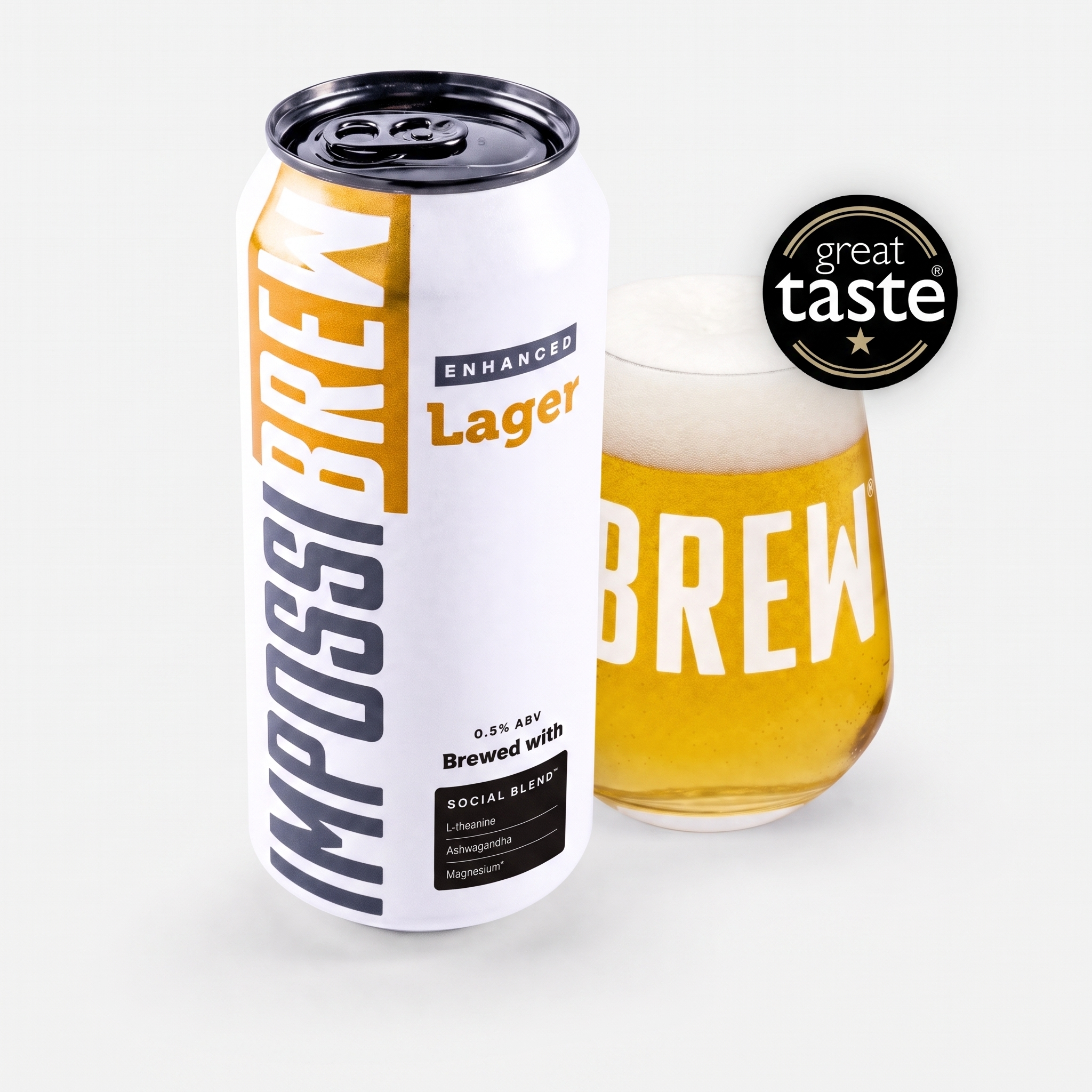
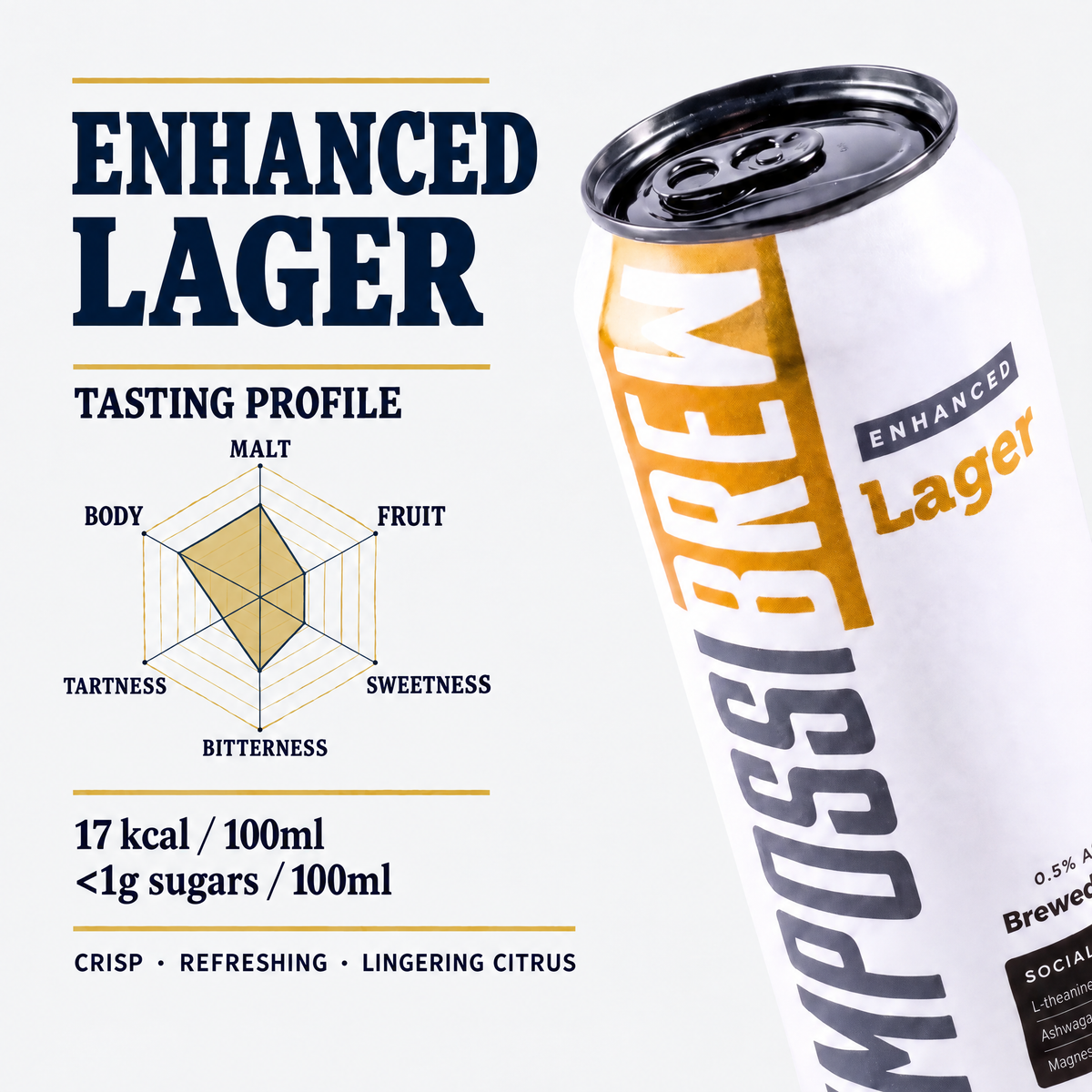
While nootropic compounds like L-theanine and L-tyrosine have minimal flavour impact - perfect for clean lager profiles - adaptogens such as ashwagandha can introduce earthy and slightly bitter notes. These can clash with delicate hop aromatics unless carefully managed. Techniques like those used by IMPOSSIBREW® in their Enhanced Lager - described as having a "crisp, dry lager with a clean citrus finish" - show how to balance these elements without sacrificing the beer’s traditional character.
Stability is another critical factor. Some adaptogens degrade when exposed to light, oxygen, or temperature changes, so stability testing is essential. Protective packaging and controlled storage conditions can help maintain the potency of these ingredients for 12–18 months.
The brewing process itself also plays a role in ingredient compatibility. IMPOSSIBREW® employs advanced fermentation methods to maintain a 0.5% ABV naturally, preserving the beer’s body and enhancing both its flavour and mouthfeel.
The next step involves addressing dosing considerations and regulatory requirements to ensure safety and compliance.
Dosing and Regulatory Compliance
Striking the right balance between efficacy, safety, and regulatory guidelines is essential. In the UK and EU, functional beers with added botanicals are regulated as food or food supplements. This means labelling must meet specific standards, listing ingredients, allergens, and permitted claims. Doses should also fall within safe limits, typically delivering 10–50% of a standard supplement dose per serving.
For example, a 330–500 ml serving of functional beer might include 60–150 mg of ashwagandha, based on the typical daily supplement range of 300–600 mg. Clinical studies have shown that ashwagandha can reduce cortisol levels by 20–30% and improve stress scores over 6–8 weeks at these dosages [4]. This makes it possible for a single serving to contribute meaningfully toward daily targets while staying within safety margins.
To ensure safety, cumulative stimulant effects must be considered, and clear usage warnings included. IMPOSSIBREW® provides detailed guidance on their packaging, advising against consumption for pregnant or breastfeeding women, individuals with certain health conditions, or those taking medications like antidepressants or blood thinners. Maximum daily consumption limits are also clearly outlined to promote safe use.
UK regulations also prohibit unauthorised therapeutic claims. Instead of saying "reduces anxiety", manufacturers must use approved structure–function claims. For instance, vitamin B1 (thiamine), part of IMPOSSIBREW®'s Social Blend™, is labelled for its role in normal psychological function. Quality assurance is equally important, with rigorous batch testing and third-party verification - such as confirming gluten-free status (less than 10 parts per million) - adding credibility.
Finally, achieving the perfect taste requires careful attention to sensory design.
Sensory Design and Masking Strategies
Ensuring that nootropic–adaptogen beers taste like traditional beers is a major challenge. Consumers expect the familiar characteristics of beer - hop bitterness, malt sweetness, carbonation, and a clean finish - even when functional ingredients are involved.
Hop selection plays a vital role in masking botanical flavours. Citrus-forward hops, for example, can help balance ashwagandha’s earthy notes, creating a cohesive flavour profile that aligns with both beer and adaptogenic elements.
Carbonation also significantly impacts the drinking experience. Higher carbonation levels add a crisp, refreshing sensation that can mask any medicinal undertones. IMPOSSIBREW® highlights the importance of maintaining a 0.5% ABV through a natural brewing process, which preserves a fuller body and supports traditional beer flavours while incorporating functional ingredients.
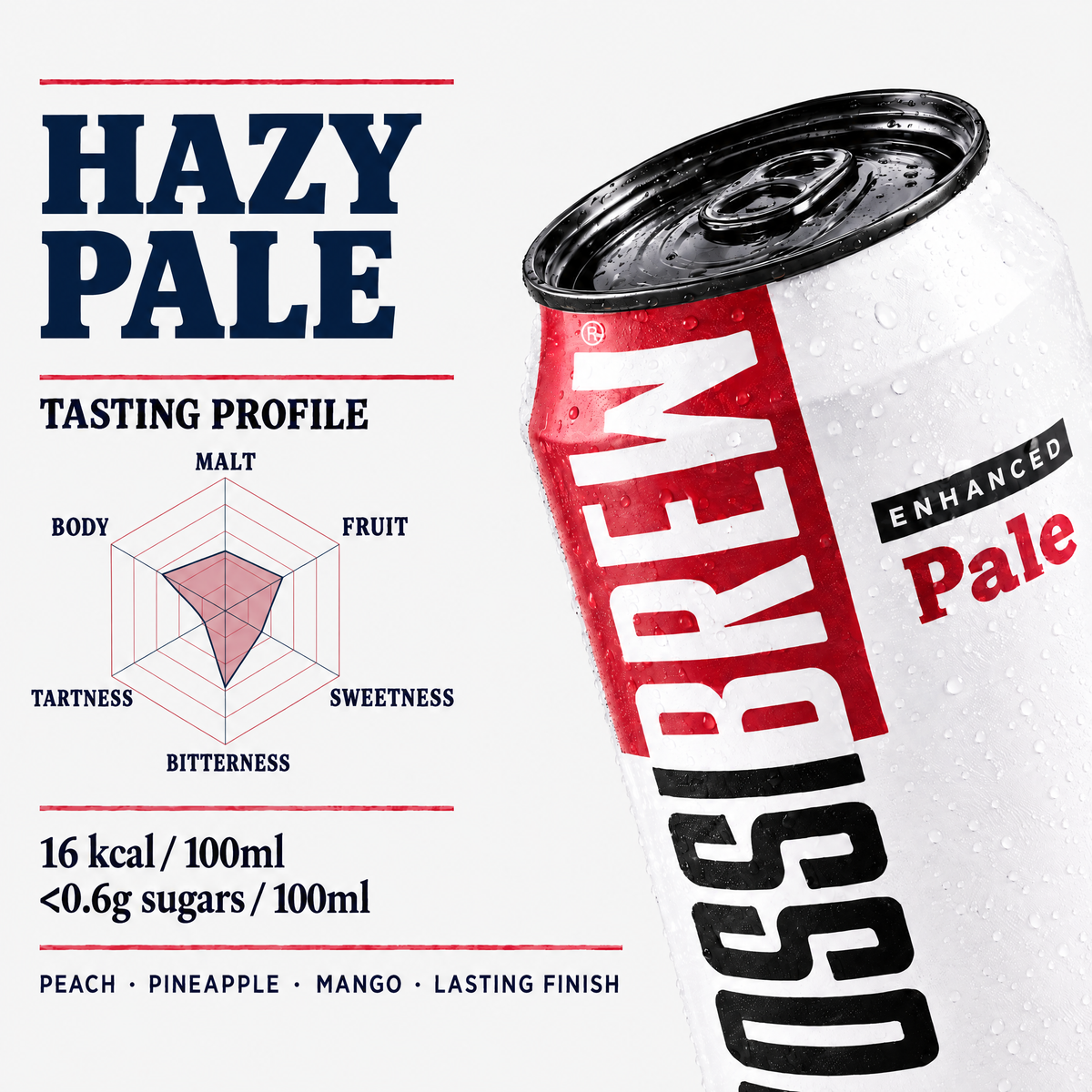
The success of these sensory strategies is evident in the recognition IMPOSSIBREW® has received. Their Enhanced Lager and Enhanced Pale Ale are celebrated as some of the best non-alcoholic beers in the UK, proving that functional ingredients don’t have to compromise taste.
Safety, Interactions, and Responsible Use
Once you’ve explored the ingredients and potential benefits of nootropic–adaptogen beverages, it’s equally important to consider their safety, possible interactions, and how to use them responsibly. These drinks influence the central nervous system, stress levels, and cardiovascular function, so understanding their effects is key.
Common Side Effects and Tolerability
How your body reacts to nootropics and adaptogens depends on factors like weight, metabolism, sleep patterns, stress levels, and any medications you’re taking. To gauge your response, start with a single serving.
In some cases, high doses or consuming these beverages on an empty stomach may lead to issues like insomnia, restlessness, increased heart rate, mild blood pressure changes, headaches, or stomach discomfort (e.g., nausea or loose stools). Specific adaptogens like ashwagandha and ginseng may occasionally cause drowsiness, digestive upset, or changes in thyroid or blood pressure levels, while rhodiola can sometimes result in jitteriness or irritability if overused.
To reduce these risks, consider taking your drink with food if you’re prone to stomach sensitivity, and avoid stimulating blends late in the evening to prevent sleep disturbances. If you notice persistent side effects like anxiety, palpitations, or trouble sleeping, discontinue use immediately.
Start with smaller doses and increase gradually, especially in social situations where it’s easy to overconsume. Keep in mind that the effects of these ingredients tend to level off, so drinking more won’t necessarily enhance the benefits. In social settings, alternate between functional drinks and water or non-functional options, and try to limit yourself to 2–3 servings per evening to avoid overexposure.
Be alert for warning signs like chest pain, irregular or rapid heartbeat, severe anxiety, intense headaches, allergic reactions (e.g., swelling, breathing difficulty, or widespread rash), or sudden mood or behavioural changes. If these occur, stop immediately and seek medical advice. For severe or worsening symptoms, contact NHS 111 or emergency services. For milder issues, such as slight nausea or jitteriness, pause use and consult your GP or pharmacist before trying the product again, as these could signal an underlying health condition or interaction.
Special Populations and Contraindications
Certain groups should avoid or approach nootropic–adaptogen beverages with caution, often under medical guidance.
- Pregnant and breastfeeding individuals: These beverages are best avoided due to limited safety data on many adaptogens and newer nootropics during pregnancy and lactation. Always consult a healthcare professional.
- Children and adolescents: Developing nervous systems and lower body weights make these drinks unsuitable for younger individuals.
- Those with cardiovascular disease or uncontrolled hypertension: Ingredients like caffeine or ginseng, which affect the cardiovascular system, may worsen symptoms or interfere with medications like beta-blockers.
- Individuals with psychiatric conditions: Disorders such as bipolar disorder, major depression, or anxiety may be aggravated by these beverages, particularly when combined with psychotropic medications.
- People with thyroid or hormone-sensitive conditions: Adaptogens like ashwagandha may overstimulate or interact with thyroid medications, so consult your doctor before use.
- Individuals with gastrointestinal disorders: Certain adaptogens may irritate the digestive system, making medical advice essential before consumption.
Guidelines for Responsible Consumption
Safe use of nootropic–adaptogen beverages starts with understanding your total daily intake from all sources, including capsules, powders, and teas. Always check product labels to avoid exceeding safe limits.
- Stick to one method: Mixing capsules, powders, and multiple functional drinks can make it hard to track your intake and raises the risk of side effects. Choose one delivery method and stay consistent.
- Mind the timing: Stimulating blends are best consumed earlier in the day (before 17:00) to prevent sleep disturbances. Relaxing blends, such as IMPOSSIBREW®’s Enhanced Lager or Enhanced Pale Ale, are better suited for early evening but should still be consumed within recommended limits.
- Consider medication interactions: Ingredients in these beverages may affect neurotransmitters like serotonin, dopamine, and GABA, potentially altering the effects of antidepressants, anxiolytics, or ADHD medications. They may also influence blood pressure, blood sugar, or clotting, which is relevant for those on medications like antihypertensives, antidiabetics, or blood thinners.
If you’re on medications such as antidepressants (SSRIs, SNRIs, or tricyclics), anxiolytics, antipsychotics, stimulants for ADHD, blood pressure medications, anticoagulants, diabetes medications, thyroid treatments, or sedatives, consult your GP or pharmacist before consuming nootropic–adaptogen beverages. Never adjust your medication based on product claims or marketing materials.
Long-term use calls for monitoring your mood, sleep, and focus to ensure the beverages are supporting your well-being. The goal is to feel balanced benefits without needing to increase your intake over time.
Reputable brands like IMPOSSIBREW® support safe consumption by providing clear serving sizes, detailed precautionary statements, and accessible FAQs on safety and usage. These measures help you make informed choices, enjoy the relaxing benefits of these beverages, and avoid potential downsides, especially in social settings.
Conclusion
Pairing nootropics and adaptogens in functional beverages offers a way to boost mental performance and manage stress without the downsides of alcohol. Nootropics focus on enhancing brain functions like attention, clarity, and processing speed. Meanwhile, adaptogens help the body handle stress by balancing hormone levels and calming the nervous system. Together, they create a complementary effect: nootropics sharpen the mind, while adaptogens ease stress and anxiety, leading to a state of calm focus and relaxed sociability. This combination is particularly appealing in the UK, where there's a rising demand for functional drinks that provide both performance and relaxation.
A great example of this approach is IMPOSSIBREW®'s Social Blend™, which incorporates mood-enhancing and stress-relieving compounds into beer-style beverages like Enhanced Lager and Enhanced Pale Ale. Developed in collaboration with Dr Paul Chazot, a Bioscience Professor at Durham University, this blend aims to replicate the relaxing and social experience of traditional beer. A 2025 study involving over 2,000 participants revealed that 84% of customers felt more relaxed after consuming Social Blend™ [1]. These results highlight how science-backed formulations can deliver noticeable benefits in everyday social settings.
For brewers and brands in the functional beverage space, success lies in striking the right balance. This means grounding products in clinical evidence, adhering to UK and European regulatory standards, and creating beverages that offer a familiar, beer-like sensory experience suitable for social occasions.
Safety, however, is just as important as formulation. Natural ingredients must be used carefully, especially when combining multiple active compounds. Consumers should be mindful of factors like total intake, frequency of use, and individual circumstances such as medications, pregnancy, or health conditions. It’s best to start with small serving sizes, follow label instructions, and avoid mixing these beverages with alcohol or sedatives unless advised by a healthcare professional. Responsible brands play a key role by offering clear serving guidelines, transparent ingredient lists, and accessible safety information, framing functional drinks as part of a broader approach to wellbeing rather than a one-size-fits-all solution.
Looking ahead, there’s potential for even more tailored pairings designed for specific needs - like drinks that enhance focus during the day, promote relaxation in the evening, or support social ease. Brands leading this space are likely to innovate further in areas like flavour, effectiveness, and sustainability, drawing inspiration from neuroscience and traditional herbal practices. For UK consumers exploring this growing category, the key is to prioritise products with clear ingredient labels, sensible dosing, and alignment with personal goals - whether that’s reducing alcohol consumption, achieving a calmer focus, or enhancing social interactions. By understanding the science and safety principles outlined here, you can make informed choices and fully enjoy the benefits of nootropic–adaptogen beverages.
FAQs
How can pairing nootropics and adaptogens improve focus and help manage stress?
Pairing nootropics with adaptogens brings together two powerful tools to enhance both mental sharpness and stress management. Nootropics are celebrated for boosting cognitive abilities like memory, concentration, and mental stamina, while adaptogens work to help the body manage stress by balancing cortisol levels and promoting a sense of equilibrium.
When combined, nootropics provide the mental edge needed for focus and performance, while adaptogens introduce a calming influence, helping to reduce stress and maintain concentration even in challenging situations. This combination is particularly effective in functional drinks, such as those offered by IMPOSSIBREW®, which carefully blend scientifically supported ingredients to deliver a harmonious mix of productivity and relaxation.
Are there any health conditions or medications to consider before trying nootropic-adaptogen drinks?
Before trying nootropic-adaptogen beverages, it’s crucial to consult a healthcare professional - especially if you have existing health conditions or take medication. Certain ingredients in these drinks can interact with prescriptions or worsen specific medical issues.
Things to keep in mind:
- If you’re pregnant, breastfeeding, or prone to allergies, take a close look at the ingredient list.
- People with conditions such as high blood pressure, heart problems, or hormonal imbalances should get medical advice, as some adaptogens and nootropics might not be appropriate.
Your health comes first, so make sure you understand how these ingredients could affect you.
What is the ideal way to enjoy nootropic-adaptogen beverages, and how much should I consume?
When sipping on nootropic-adaptogen beverages, it’s essential to stick to the serving guidelines provided by the manufacturer. These drinks are carefully crafted with precise dosages to balance safety and effectiveness. Begin with one serving and observe how your body reacts before deciding to have more.
For many, 1–2 servings a day is typical, but this might differ based on the specific product and your personal requirements. Always read the label for detailed instructions, and if you’re pregnant, breastfeeding, or on medication, it’s a good idea to consult a healthcare professional beforehand.