
Your brain has an incredible ability to reorganise itself, known as neuroplasticity. This process is key for learning, memory, and recovery from brain injuries. Certain compounds, called adaptogens, may support this process. Here’s what you need to know:
- Lion’s Mane Mushroom: May promote nerve growth factor (NGF) production, aiding memory and focus. Effects often take weeks to appear.
- Bacopa Monnieri: Known for improving memory and learning over 8–12 weeks. It works by boosting brain-derived neurotrophic factor (BDNF).
- Rhodiola Rosea: Helps manage stress and reduce mental fatigue, with faster results compared to other adaptogens.
- Citicoline: A synthetic option that supports brain cell health and cognitive function.
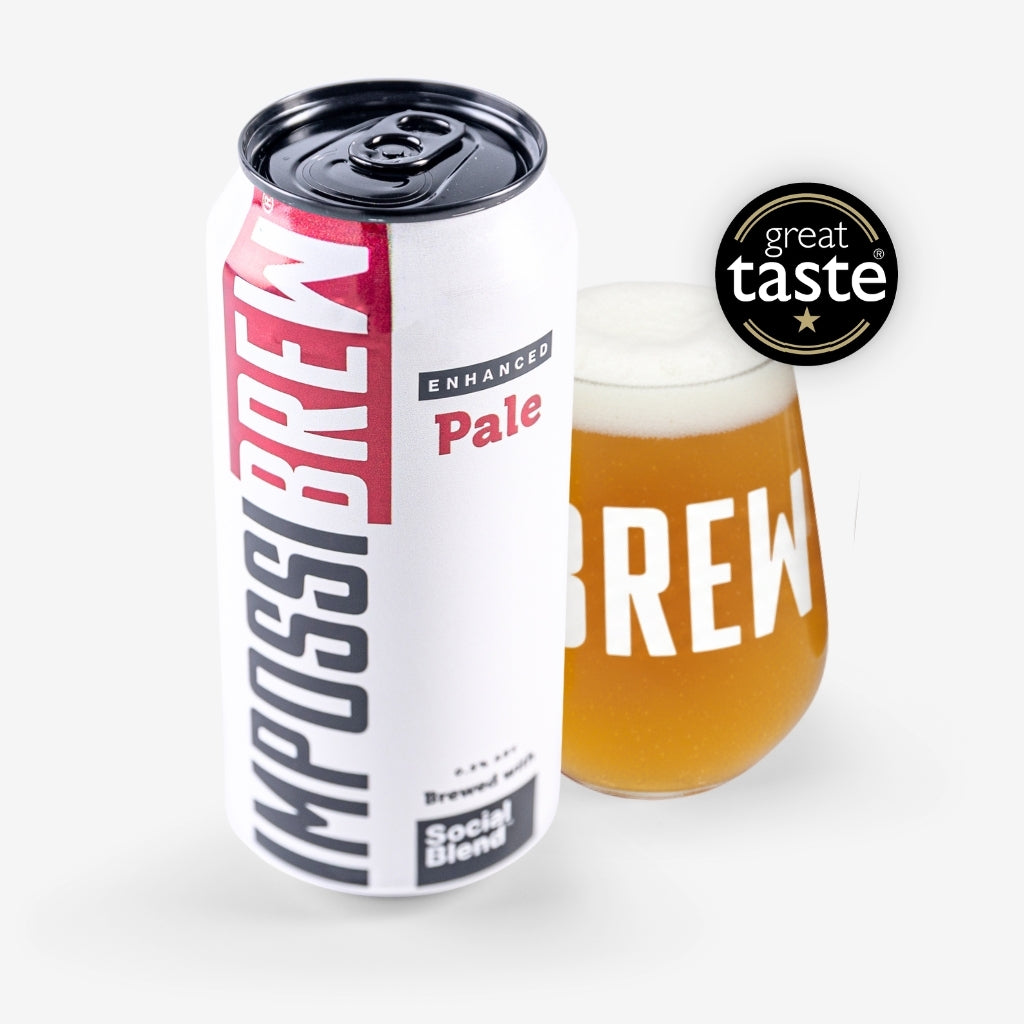
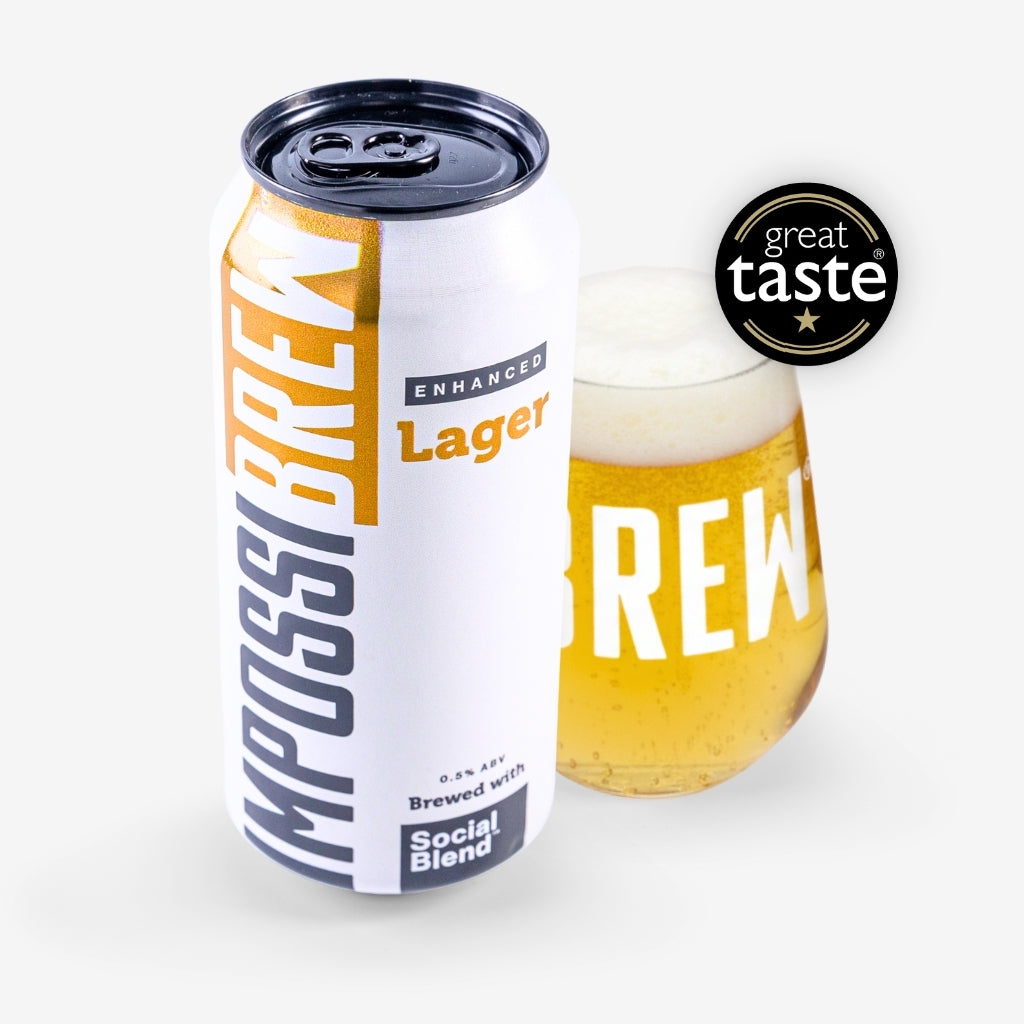
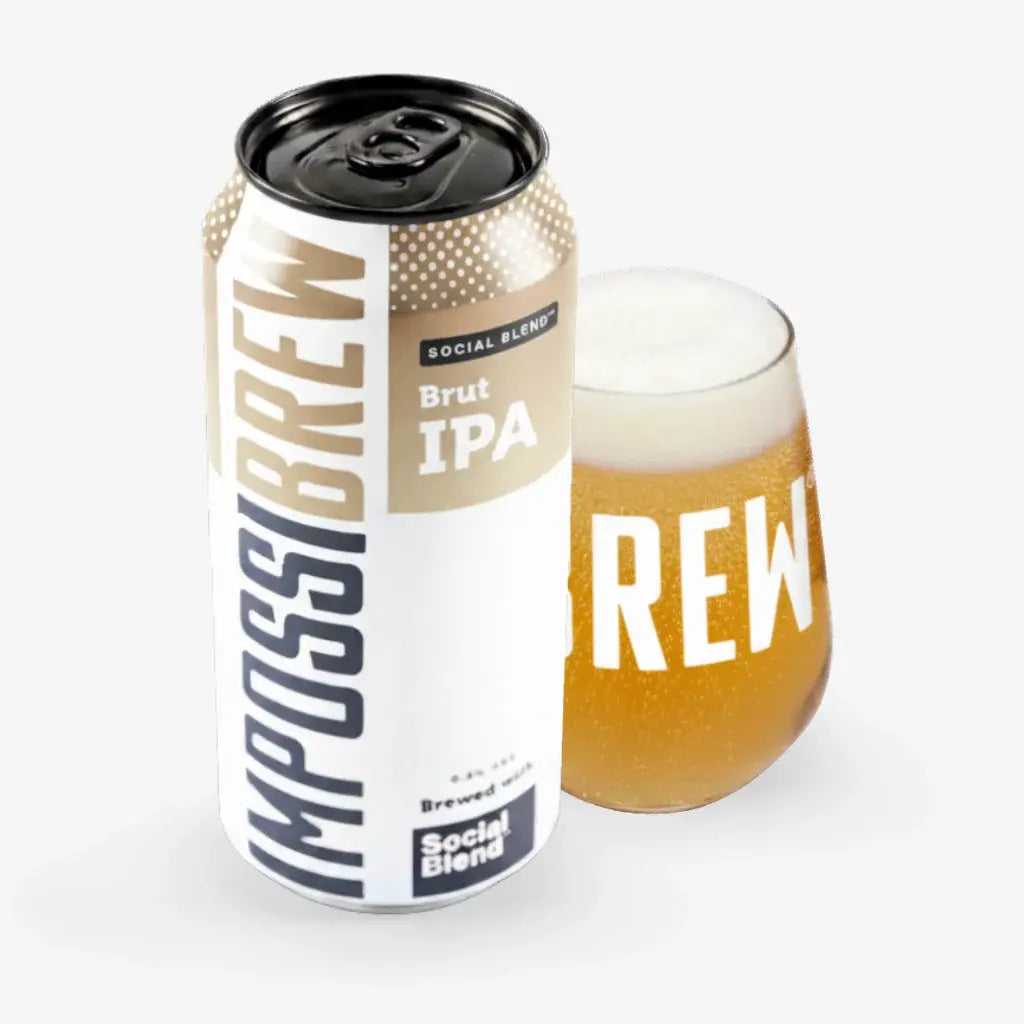
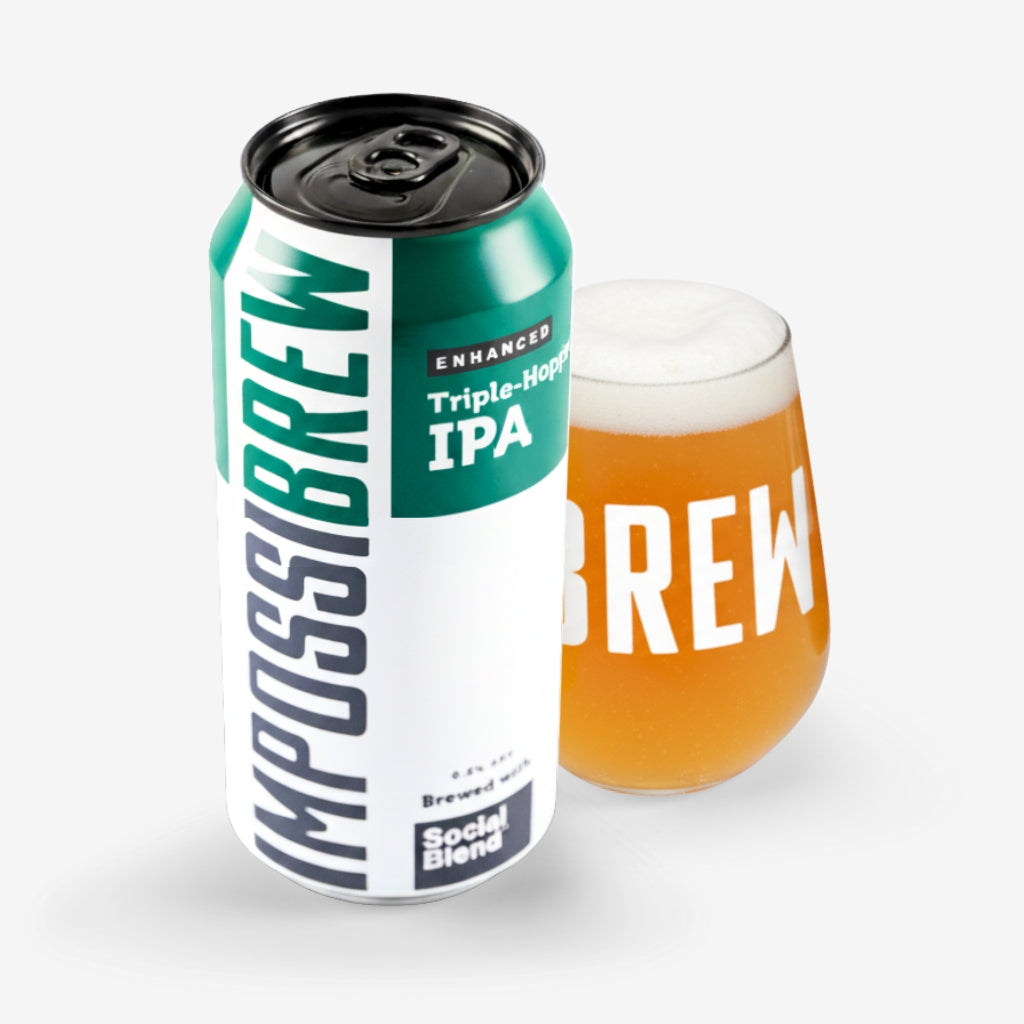
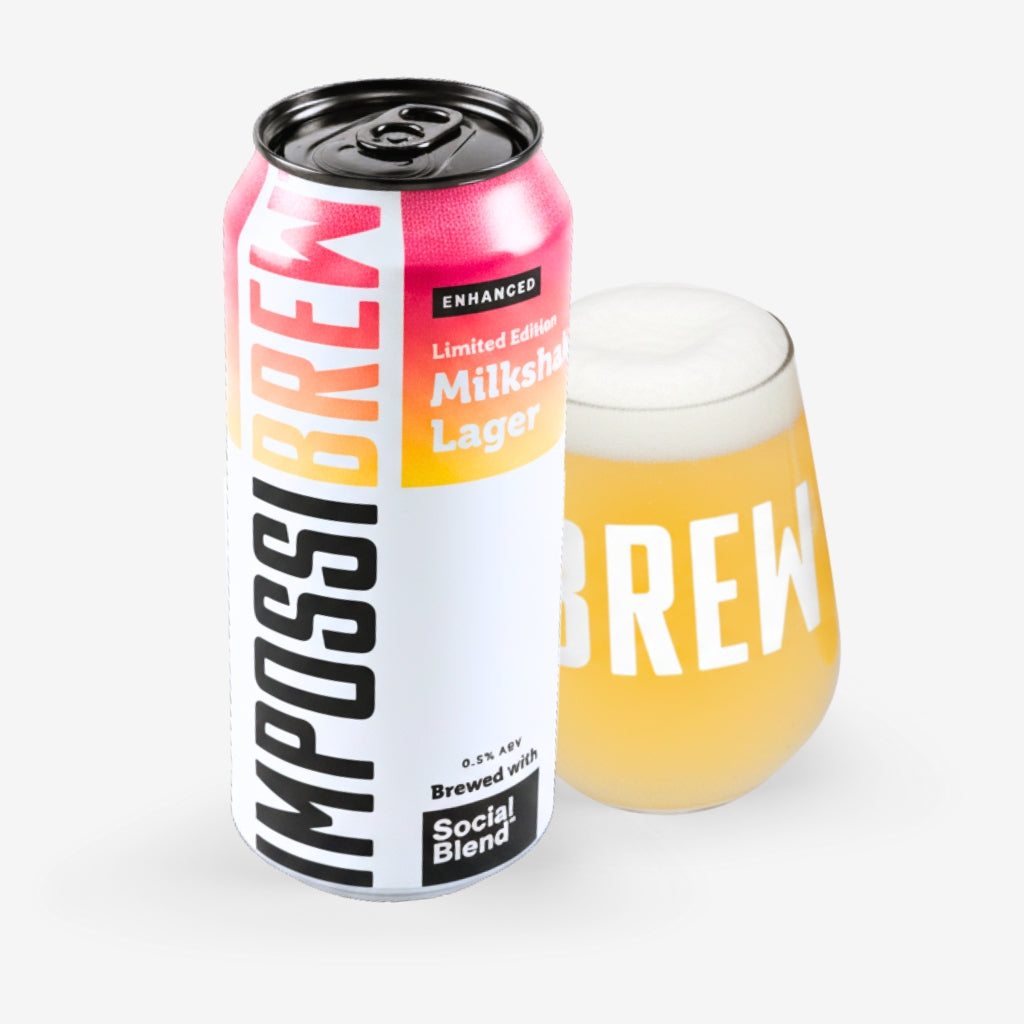
- IMPOSSIBREW® Social Blend™: A drink combining nootropics and adaptogens for relaxation during social events.
Each option has unique strengths and limitations. For quicker results, Citicoline or Rhodiola may work best. Bacopa and Lion’s Mane are better for long-term improvements. IMPOSSIBREW® offers a social-focused alternative. Always consult a healthcare provider before starting any new supplement.
Adaptogens and Nootropics: Cognitive Benefits Explored
1. Lion's Mane Mushroom (Hericium erinaceus)
Lion's Mane mushroom has earned attention for its potential to support brain health and encourage the brain's ability to adapt and form new connections. Thanks to its unique bioactive compounds, it's being explored for its role in improving cognitive performance.
How It Works
Lion's Mane contains two key compounds - hericenones and erinacines - that are known to boost the production of nerve growth factor (NGF). NGF is a protein that plays a crucial role in the development, repair, and survival of neurons. By increasing NGF levels, Lion's Mane may help the brain repair damage and create new neural connections, which underpins its cognitive benefits.
What the Research Says
Early clinical studies have shown promising results, with individuals experiencing cognitive improvements after using Lion's Mane for several weeks. Animal studies also suggest that it may aid in nerve regeneration and the formation of new neural pathways. However, while these findings are encouraging, more in-depth research is needed to confirm these effects.
Potential Cognitive Benefits
Many users report improvements in memory, quicker recall, sharper focus, and faster mental processing. There's also anecdotal evidence of better sustained attention during tasks, which could be linked to the mushroom's ability to support neuronal growth.
Safety and Usage Tips
Lion's Mane is generally well tolerated, though some people may experience mild digestive discomfort when starting supplementation. This often resolves as the body adjusts. Typical doses range from 500 to 1,000 mg daily of a standardised extract, but it's always wise to follow the specific instructions on the product label. If you’re on blood-thinning medication or have a known allergy to mushrooms, consult a healthcare provider before adding Lion's Mane to your routine.
Coming up, we’ll take a closer look at Bacopa Monnieri, another natural option with potential cognitive benefits.
2. Bacopa Monnieri
Bacopa Monnieri, a staple in Ayurveda, is known for its potential to support brain health and adaptability. This creeping herb has been extensively studied for its role in improving cognitive function and aiding neural flexibility.
How It Works
Bacopa Monnieri owes much of its effects to compounds called bacosides. These compounds stimulate the production of Brain-Derived Neurotrophic Factor (BDNF), which supports neuron growth, survival, and the formation of new synaptic connections.
Additionally, Bacopa enhances acetylcholine activity in the brain, which plays a key role in learning and memory. Its antioxidant properties further protect brain cells from oxidative stress, creating an environment that encourages neural changes.
These combined actions highlight Bacopa's ability to support long-term brain function and adaptability.
What the Research Says
Studies on Bacopa Monnieri have shown promising results for cognitive health. Using standardised extracts containing 20–50% bacosides over 8–12 weeks has been linked to noticeable improvements in cognitive performance.
Research indicates that Bacopa can enhance memory consolidation and speed up information processing. It is especially effective for improving working memory and reducing the time it takes to learn new tasks. Some findings also suggest that Bacopa may help alleviate anxiety, which can indirectly boost learning by reducing stress-related distractions.
Cognitive Benefits
People who use Bacopa often report improvements in memory retention and focus. It appears particularly helpful for staying concentrated during mentally challenging activities.
However, Bacopa is not a quick fix. Its effects build over several weeks of consistent use, reflecting its role in promoting structural changes within the brain rather than offering immediate stimulation.
Safety and Usage Tips
Bacopa is generally safe for most people, though some may experience mild digestive discomfort if taken on an empty stomach. This can usually be avoided by consuming it with food.
The recommended daily dose ranges from 300 to 600 mg of a standardised extract, but it’s always best to follow the instructions on the specific product you’re using. Bacopa may interact with medications, particularly those affecting thyroid function or blood sugar levels, so it’s wise to consult a healthcare provider if you have any existing health conditions.
Because of its mild calming effect, Bacopa is often better suited for use in the evening.
Next, we’ll dive into Rhodiola Rosea, an adaptogen that supports brain health through a completely different mechanism.
3. Rhodiola Rosea
Often called the "golden root", Rhodiola Rosea is a hardy plant that thrives in cold, high-altitude regions. It’s prized for its ability to help manage stress while promoting mental clarity and adaptability.
How It Works
The key compounds in Rhodiola, rosavin and salidroside, play a central role in its effects. These compounds help regulate the hypothalamic-pituitary-adrenal (HPA) axis, which is closely tied to stress response. By lowering cortisol levels, Rhodiola helps the body manage stress more effectively. It also boosts cellular defence mechanisms and improves mitochondrial function, which can support brain adaptability, known as neuroplasticity. Some research even suggests it may activate heat shock proteins, which protect neurons during periods of intense mental activity.
What the Research Says
Scientific studies back up these mechanisms with real-world results. Clinical trials have shown that taking Rhodiola can improve cognitive performance under stress. For example, doses between 200 and 400 mg per day have been linked to reduced mental fatigue and sharper working memory, particularly in situations involving high pressure or sleep deprivation.
Mental Clarity and Resilience
Many people find that Rhodiola helps them think more clearly, especially during demanding tasks. By regulating neurotransmitter levels, it enhances the ability to stay focused, make decisions, and maintain a balanced mood. These effects contribute to better stress resilience, which, in turn, supports the brain’s ability to adapt and grow - similar to the benefits seen with other adaptogens.
Safety Tips and Usage
Rhodiola is generally safe for most people, but mild side effects like dizziness, dry mouth, or trouble sleeping can occur, particularly if it’s taken late in the day. Starting with a lower dose is a smart way to see how your body reacts before moving up to the recommended 200–400 mg daily. If you have bipolar disorder or are taking antidepressants, it’s important to consult a doctor beforehand. Unlike some adaptogens that require weeks to show results, Rhodiola often works faster. Some users also find that cycling its use - taking it for a period and then pausing - helps maintain its effectiveness over time.
sbb-itb-a752bf8
4. Citicoline (CDP-Choline)
Moving on from natural adaptogens, let's delve into Citicoline - a synthetic nootropic with a unique approach to supporting brain health. Unlike natural options, Citicoline directly influences brain structure and function, showing promise in cognitive enhancement strategies.
How It Works
When consumed, Citicoline breaks down into two components: choline and cytidine. Choline is essential for producing acetylcholine, a neurotransmitter critical for memory and learning. Cytidine, on the other hand, aids in creating phosphatidylcholine, a vital part of neural cell membranes. This process helps maintain the integrity of neural membranes, which plays a key role in neuroplasticity - the brain's ability to adapt and reorganise itself. These biochemical mechanisms form the foundation of Citicoline's cognitive benefits.
What the Research Says
Scientific studies suggest that Citicoline may improve various aspects of cognitive function. Research highlights potential benefits in memory, attention, and processing speed. However, while these findings are encouraging, more research is needed to fully understand its role in enhancing neuroplasticity.
Potential Cognitive Gains
Preliminary research indicates that Citicoline could support improvements in areas such as memory retention, attention span, mental clarity, and working memory. Its ability to help preserve neural membrane health could also make it a valuable option for maintaining long-term brain function.
Safety and Precautions
Citicoline is generally well tolerated in studies, but there are some precautions to keep in mind. It is not recommended for individuals with hypersensitivity, heightened sympathetic activity [3], or conditions linked to excess cortisol production, such as type 2 diabetes or major depressive disorder [1]. Additionally, there is limited safety data for pregnant or breastfeeding women, so its use is typically discouraged during these times [1][2][3].
5. IMPOSSIBREW® Social Blend™
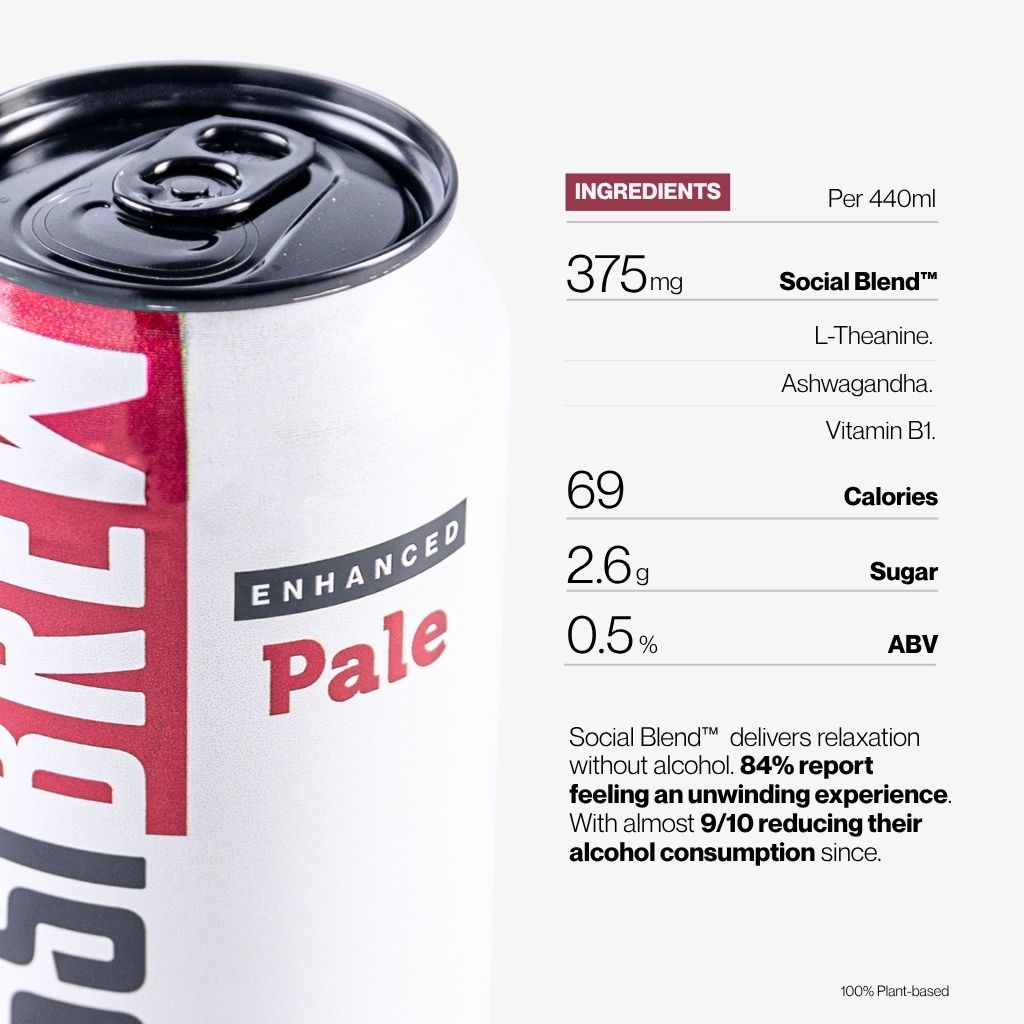
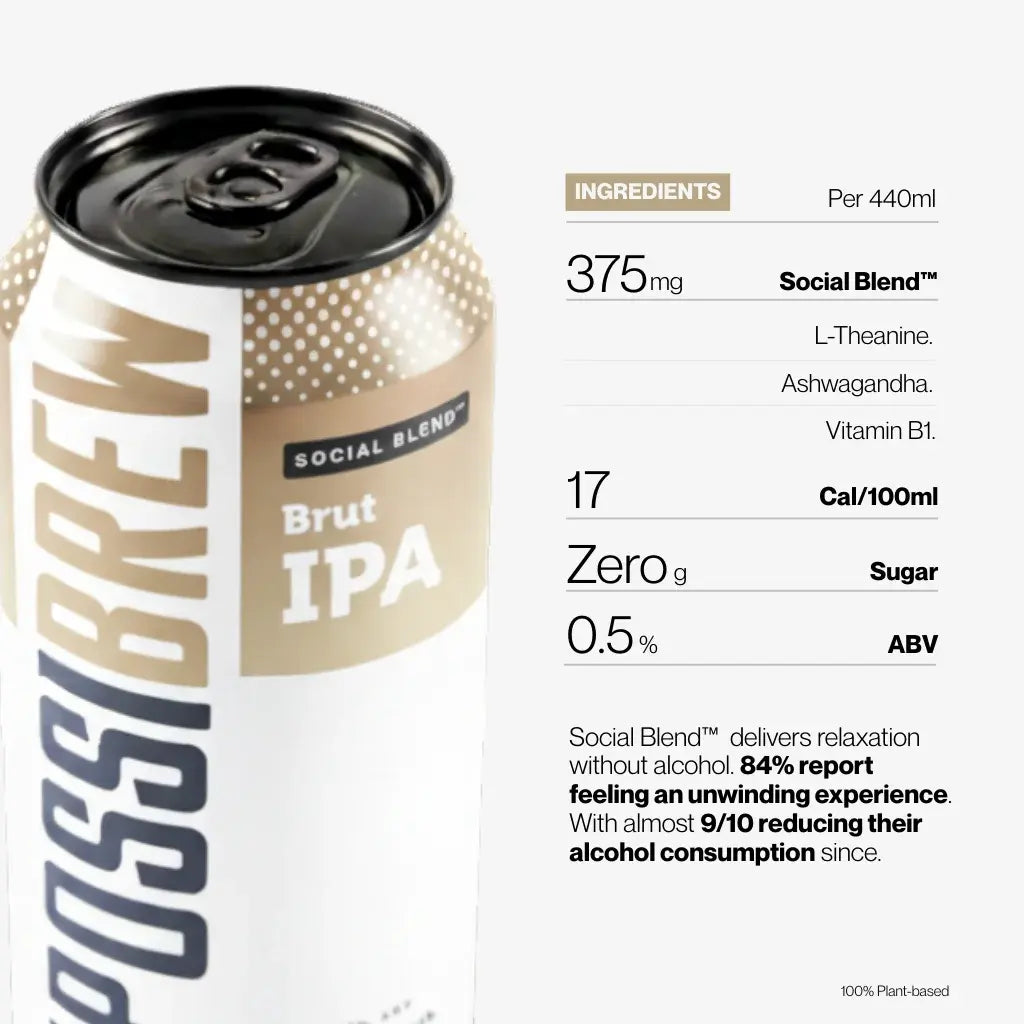
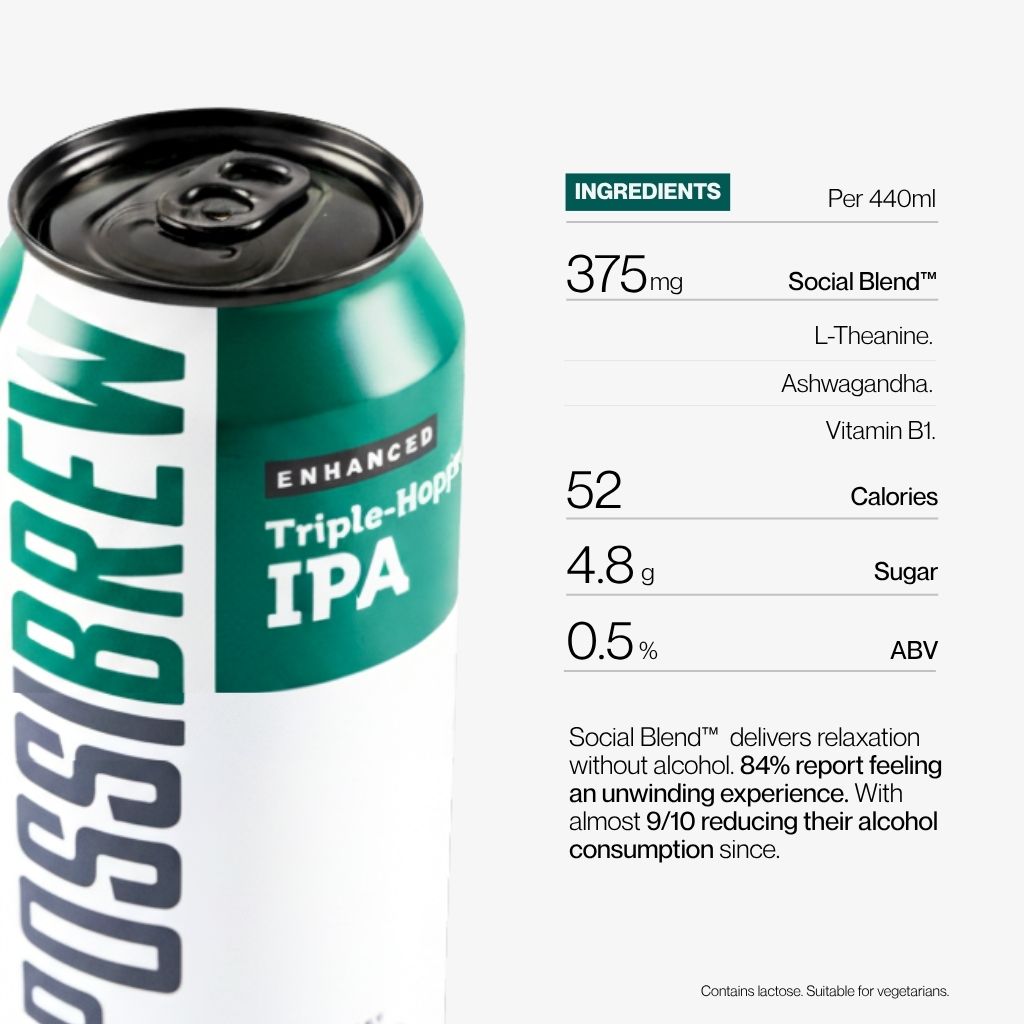
IMPOSSIBREW® has taken non-alcoholic beer to the next level with its Social Blend™, combining traditional brewing techniques with carefully selected, science-backed ingredients. The result? A drink designed to deliver the sensory and social enjoyment of alcoholic beverages - without the unwanted side effects. This innovative approach is what makes it stand out in the world of non-alcoholic drinks.
Formulation and Quality
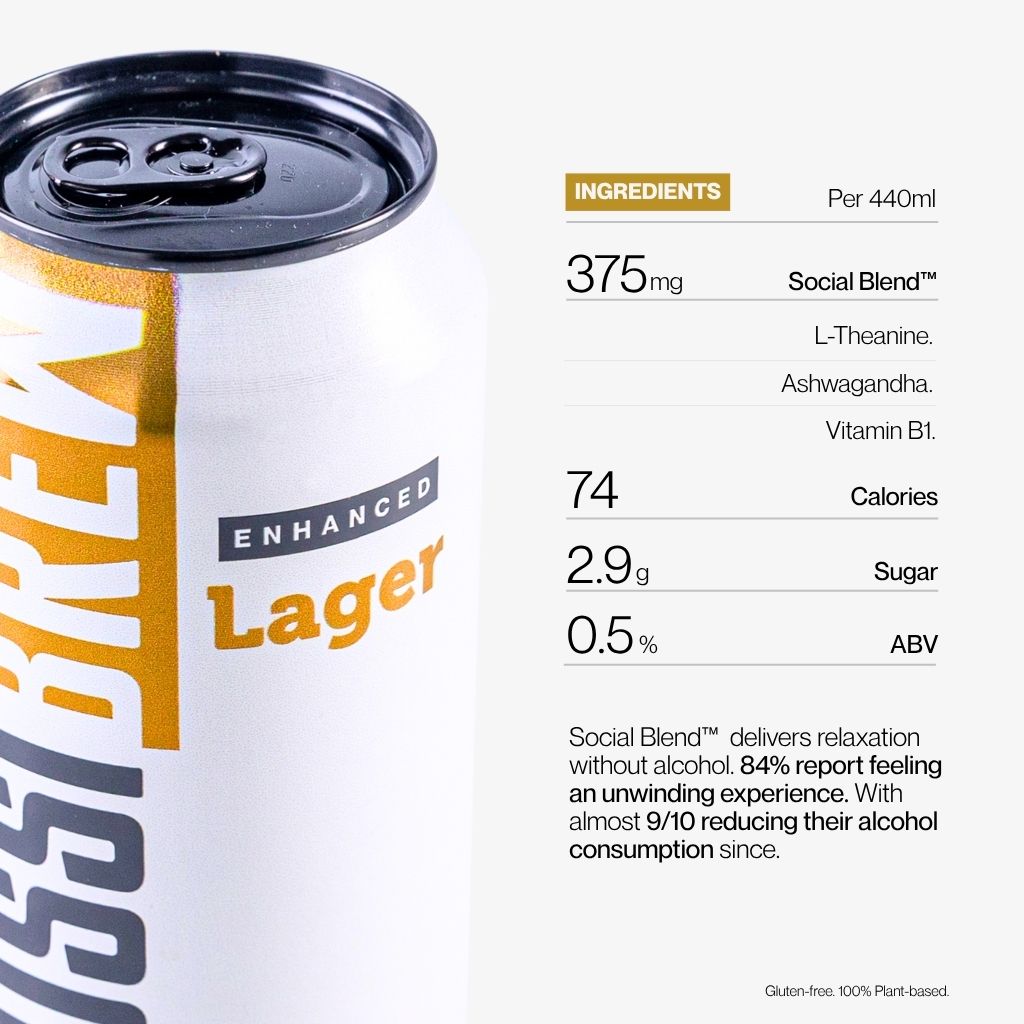
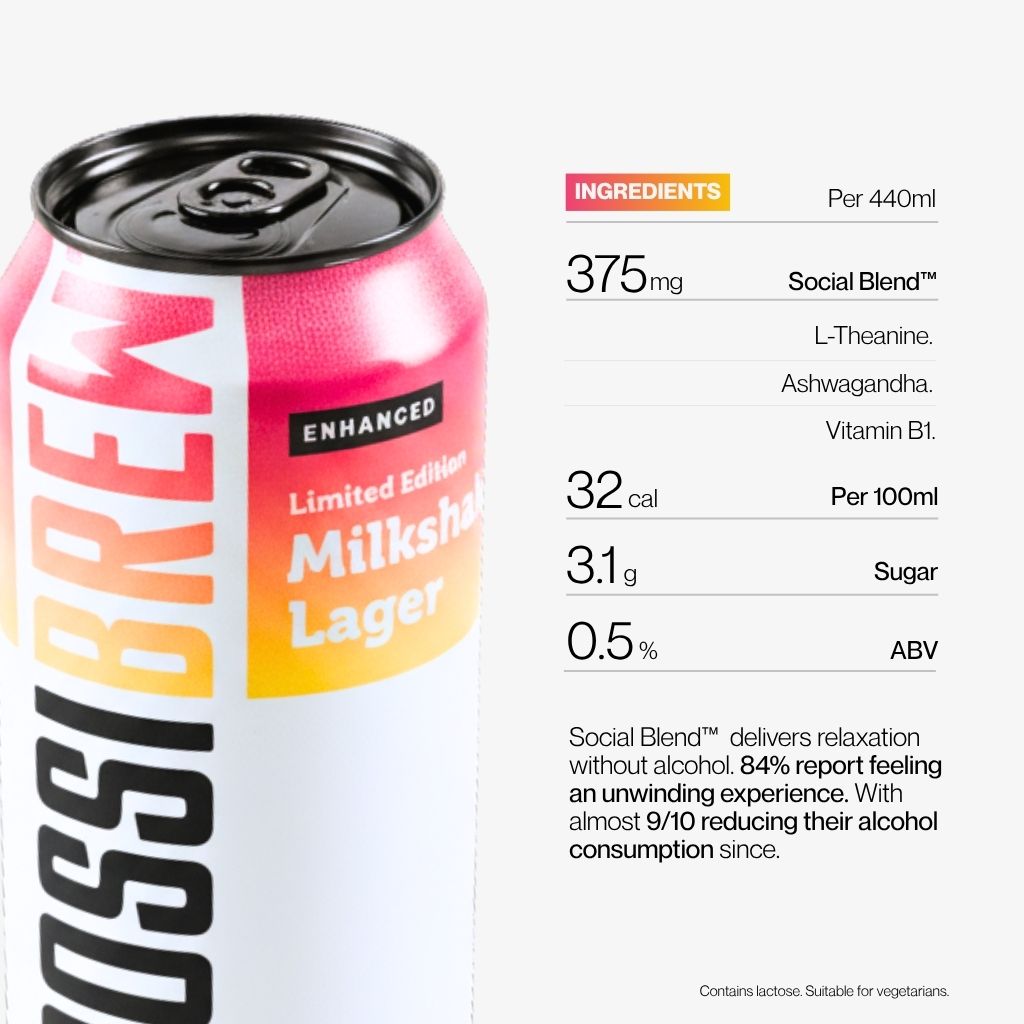
While the exact recipe for Social Blend™ is a closely guarded secret, we do know it’s crafted using age-old brewing methods paired with modern ingredient innovations. The result is a beverage that contains less than 0.5% ABV, making it a low-alcohol option. The Enhanced Lager is also low in calories, vegan-friendly, and gluten-free, catering to a wide range of dietary preferences.
Social Experience and Wellbeing
Designed with social occasions in mind, Social Blend™ aims to replicate the relaxing effects that people often associate with alcohol. Although there’s no public evidence linking it to neuroplasticity benefits, the formulation fits seamlessly into a lifestyle focused on mindfulness and meaningful social connections.
Safety and Considerations
IMPOSSIBREW® advises against use by pregnant or breastfeeding individuals. Those with specific health concerns should consult a healthcare professional before trying it. The drink is crafted to support a controlled and safe experience when consumed responsibly.
Advantages and Disadvantages
Here's a breakdown of the advantages and disadvantages of different adaptogens and functional beverages, giving you a clearer picture of their strengths and limitations for cognitive support. This complements our earlier discussion and helps you make an informed choice based on both performance and practicality.
When weighing these options for boosting neuroplasticity, each has its own unique benefits and potential drawbacks. Understanding these trade-offs can guide you towards the one that best fits your goals.
Lion's Mane Mushroom is known for potentially boosting nerve growth factor production, which could aid cognitive repair and maintenance. Its active compounds, hericenones and erinacines, can cross the blood-brain barrier, offering possible neurological benefits. However, the quality of products can vary greatly between suppliers, and noticeable effects often require several weeks of consistent use.
Bacopa Monnieri is effective for enhancing memory consolidation, but it demands 8-12 weeks of regular use to see results. Some users may experience stomach discomfort or temporary fatigue, especially if taken on an empty stomach during the adjustment period.
Rhodiola Rosea is valued for supporting stress resilience and reducing mental fatigue, thanks to its active compounds, rosavin and salidroside, which help regulate cortisol levels. However, not all products contain adequate levels of these compounds, and some individuals might experience overstimulation, particularly if combined with caffeine.
Citicoline plays a role in maintaining brain cell membrane health and boosting neurotransmitter production, which can enhance cognitive function. It is well-absorbed and has minimal side effects, but it tends to be more expensive and works best when used as part of a broader cognitive support plan.
| Adaptogen/Compound | Key Mechanisms | Evidence Quality | Cognitive Benefits | Safety Considerations |
|---|---|---|---|---|
| Lion's Mane | May stimulate nerve growth factor production | Moderate (animal studies and early human trials) | Improved memory, focus, and potential neuroprotection | Generally well-tolerated |
| Bacopa Monnieri | Enhances cholinergic function and antioxidant support | Strong (backed by multiple human studies) | Supports memory and learning | Slow onset; may cause stomach irritation |
| Rhodiola Rosea | Modulates stress hormones and neurotransmitter balance | Moderate (mixed study quality) | Reduces mental fatigue and aids stress resilience | Risk of overstimulation; product authenticity varies |
| Citicoline | Supports phospholipid synthesis and acetylcholine production | Strong (extensive clinical research) | Enhances focus, processing speed, and brain energy | Minimal side effects; higher cost |
| IMPOSSIBREW® Social Blend™ | Proprietary mix of nootropics and adaptogens | Limited (due to proprietary formulation) | Promotes relaxation and mindfulness during social events | Not recommended for pregnant or breastfeeding individuals |
IMPOSSIBREW® Social Blend™ takes a different route by combining cognitive support with social relaxation. Unlike traditional adaptogens, it’s designed for occasional use during social gatherings. However, its proprietary formulation makes it difficult to evaluate the specific impact of individual ingredients.
Mild gastrointestinal discomfort is a common side effect when starting with any of these options. Costs can vary - traditional adaptogens require consistent daily use, while IMPOSSIBREW® Social Blend™ offers a premium, flexible option tailored to social settings. While adaptogens demand long-term commitment, the Social Blend™ is more suited for occasional enjoyment.
This comparison provides a foundation for choosing the option that aligns with your cognitive goals and lifestyle preferences.
Conclusion
Looking at the evidence, two standout options emerge for supporting neuroplasticity: Citicoline and Bacopa Monnieri. Citicoline plays a role in maintaining brain cell membrane health and aiding neurotransmitter production, while Bacopa Monnieri is often associated with better memory consolidation. However, Bacopa typically requires consistent use over 8–12 weeks to show noticeable effects.
Lion's Mane also shows exciting potential due to its ability to stimulate nerve growth factor production, and Rhodiola Rosea appears to help with stress resilience, particularly when dealing with mental fatigue.
For those seeking quicker cognitive benefits, Citicoline could be the better choice thanks to its minimal side effects and faster results. On the other hand, Bacopa Monnieri offers a more gradual, long-term improvement in memory. Both options are backed by solid research and are considered safe for regular use.
For a more modern twist, IMPOSSIBREW® Social Blend™ provides a unique combination of social relaxation and cognitive support. Priced at £1.97 per can, it’s an occasional-use option designed for social settings, offering flexibility without the need for daily commitment.
FAQs
How do adaptogens like Lion’s Mane and Bacopa Monnieri support brain health and neuroplasticity?
Lion’s Mane mushroom (Hericium erinaceus) has been recognised for its ability to boost the production of nerve growth factor (NGF). NGF is a protein that plays a key role in the growth, repair, and regeneration of nerve cells. By supporting these processes, Lion’s Mane may aid in brain cell recovery, potentially enhancing cognitive functions and promoting neuroplasticity - the brain's ability to adapt and reorganise itself.
Bacopa Monnieri, a herb with a long history in traditional medicine, is known for encouraging long-term potentiation (LTP). LTP strengthens the connections between neurons, which is essential for better memory, learning, and overall cognitive performance. Beyond this, Bacopa Monnieri may also help mitigate neurodegenerative effects, offering further support for maintaining brain health and adaptability.
Are adaptogens safe to use for improving brain health, and what side effects should I be aware of?
Adaptogens are generally regarded as safe and are typically well-tolerated when used correctly. That said, some people might experience mild side effects, such as digestive upset, drowsiness, or, in rare instances, nausea. For example, ashwagandha is known to occasionally cause loose stools or an unsettled stomach.
If you're managing conditions like diabetes, high blood pressure, or thyroid disorders with medication, it's worth noting that adaptogens could interact with these treatments. Additionally, for those with autoimmune conditions, adaptogens might sometimes exacerbate symptoms. To reduce any potential risks, it's a good idea to speak with a healthcare professional before adding adaptogens to your routine - especially if you have existing health issues or are taking prescribed medication.
How does the IMPOSSIBREW® Social Blend™ support cognitive health compared to traditional adaptogens?
The IMPOSSIBREW® Social Blend™ is designed to help you relax, stay mentally sharp, and feel at ease in social settings. It features science-backed ingredients like L-Theanine, which is known to ease social anxiety without dulling your thinking. This makes it a great choice for social occasions, offering a soothing effect similar to alcohol but without the unpleasant aftereffects.
On the other hand, traditional adaptogens focus on long-term brain health. Ingredients such as Ashwagandha are recognised for their ability to encourage neural regeneration, reduce inflammation, and improve the brain's ability to adapt. These are typically used as part of a daily wellness routine or during recovery periods, like after a brain injury.
While the Social Blend™ is tailored for moments of calm and connection, adaptogens are better suited for maintaining cognitive health and building resilience over the long haul.