
Oxygen is critical in beer brewing, but timing is everything. Early in fermentation, oxygen helps yeast grow and reproduce by building strong cell membranes. This ensures efficient sugar conversion and consistent results. However, once fermentation begins, oxygen becomes harmful, causing off-flavours and oxidation.
Key Points:
- Early Oxygen Use: Yeast needs oxygen in the first 12–24 hours for healthy growth.
- Harmful Later: Oxygen after fermentation starts leads to unwanted flavours like cardboard or sherry.
- Control Methods: Brewers use precise oxygenation techniques before fermentation and limit oxygen exposure during and after fermentation to protect beer quality.
- Measurement Tools: Optical DO meters, electrochemical sensors, and portable devices ensure accurate oxygen levels.
Striking the right balance - adding oxygen early and avoiding it later - is essential for great beer. Read on to learn how brewers manage oxygen at every stage.
How Oxygen Works in Fermentation
Yeast's Need for Oxygen
At the start of fermentation, yeast requires dissolved oxygen to create sterols and unsaturated fatty acids. These compounds are essential for building strong cell membranes, which support yeast growth and reproduction. As fermentation moves forward, the yeast's need for oxygen decreases, and too much oxygen can actually harm the process.
Oxygen's Impact on Beer Flavour
Oxygen plays a key role not just in yeast growth but also in shaping the flavour of beer. When oxygen is introduced early, it helps yeast produce esters, which give beer fruity and floral characteristics. However, if oxygen is introduced later in the process, it can cause oxidation, leading to unwanted flavours like cardboard, green apple, or sherry-like notes.
Oxygen also affects yeast metabolism, influencing how amino acids break down and how higher alcohols form. This, in turn, impacts the beer's aroma and taste. Additionally, fermentation temperature interacts with oxygen levels, which can either enhance or reduce these flavour effects, depending on the conditions.
Why Beer Yeast Needs Oxygen (and how to oxygenate your ...
Oxygen Level Control in Brewing
Managing oxygen levels carefully during brewing is key to creating high-quality beer. Each step in the process demands specific techniques to ensure proper fermentation and flavour development. This section lays the groundwork for understanding oxygen measurement methods discussed later.
Adding Oxygen Before Fermentation
Getting the right amount of oxygen into the wort before fermentation is crucial for healthy yeast growth. For standard ales and lagers, dissolved oxygen levels should typically fall between 8–12 ppm. Brewers can achieve this using methods such as:
- Injecting pure oxygen through a diffusion stone
- Using filtered air for aeration
- Agitating or splashing the wort mechanically
Temperature plays a big role here too. Most brewers keep the wort at 20–22°C during oxygenation to improve oxygen solubility. However, overdoing it can lead to unwanted esters and off-flavours, so precise monitoring is important.
Reducing Oxygen During Fermentation
Once fermentation starts, limiting oxygen exposure becomes critical to avoid oxidation and off-flavours. Modern fermentation vessels use several techniques to maintain a low-oxygen environment:
- Pressure-rated tanks that create a protective CO₂ layer
- Purging sampling ports and lines regularly
- Using closed systems for sampling or ingredient additions
- Maintaining temperature-controlled conditions to limit oxygen ingress
Keeping oxygen levels below 0.1 ppm during fermentation is the goal. Higher levels can introduce undesirable flavours and shorten shelf life.
Oxygen Control After Fermentation
Controlling oxygen after fermentation is vital for preserving beer quality. Packaging operations aim to minimise dissolved oxygen in the final product. Brewers achieve this by:
- Pre-purging packaging equipment with CO₂
- Using counter-pressure filling systems
- Maintaining positive pressure during transfers
- Testing dissolved oxygen levels regularly during packaging
For bottled beers, crown liners with oxygen-absorbing compounds can help remove residual oxygen, potentially extending shelf life compared to traditional methods.
Modern breweries often rely on advanced monitoring systems to detect even trace amounts of oxygen at every stage of the brewing process.
sbb-itb-a752bf8
Oxygen Measurement and Control Methods
Precise oxygen measurement and control are essential for producing high-quality beer.
Oxygen Testing Equipment
Breweries rely on several tools to measure dissolved oxygen effectively:
- Optical DO Meters: Using luminescent technology, these devices deliver highly accurate readings down to 0.001 ppm. They are especially useful for in-line monitoring during fermentation and packaging processes.
- Electrochemical Sensors: Integrated into larger brewing systems, these sensors offer continuous monitoring within a range of 0–20 ppm. They do require regular calibration but are dependable for consistent readings.
- Portable DO Meters: These hand-held devices allow brewers to take spot measurements at various points in the facility. Many models include temperature compensation and data logging features.
To ensure accurate readings, it’s important to clean and calibrate your equipment regularly. Since oxygen measurements can be affected by temperature, aim for consistent readings at 20°C. Beyond measurement, selecting the appropriate oxygen delivery method is equally important.
Comparing Oxygenation and Aeration
Brewers use different methods to introduce oxygen, depending on the scale and needs of the brewing process:
| Aspect | Pure Oxygen (Oxygenation) | Air (Aeration) |
|---|---|---|
| Oxygen Content | 100% O₂ | 21% O₂ |
| Time Required | 2–5 minutes | 15–30 minutes |
| Flow Rate | 1–2 L/min | 5–10 L/min |
| Equipment Cost | Higher | Lower |
| Control Precision | More precise | Less precise |
| Best Application | Large-scale brewing | Small-batch brewing |
Injecting pure oxygen allows for faster and more precise oxygen level adjustments compared to aeration. That said, both methods can yield excellent results when managed carefully.
Key factors to keep in mind for both methods include:
- Flow Rate Control: Maintaining steady flow rates ensures consistent results.
- Contact Time: Longer contact times don’t always mean better oxygen absorption.
- Temperature Impact: Colder wort absorbs oxygen more efficiently than warmer wort.
- Measurement Timing: Take readings right after oxygenation or aeration and again before pitching yeast.
Modern brewing systems now offer real-time gas flow adjustments, ensuring stable and consistent oxygen levels throughout the process.
How Oxygen Affects Beer Storage
Controlling oxygen during fermentation and packaging is just the beginning. Keeping oxygen in check during storage is equally important for preserving beer's quality.
Oxygen and Changes in Beer Flavour
Even after fermentation, oxygen can wreak havoc if not managed properly. During storage, oxygen causes oxidation, which dulls beer's flavour and aroma. This process can weaken hop aromas and alter malt characteristics, leading to unwanted off-flavours. How much the beer changes depends heavily on the storage conditions.
Keeping Oxygen in Check for Better Shelf Life
To maintain beer quality, it’s essential to store it in a stable, cool environment with minimal oxygen exposure. Brewers achieve this by using controlled packaging methods and ensuring the beer is kept consistently cool. These steps help slow oxidation and keep the beer fresh for longer.
Conclusion: Managing Oxygen in Brewing
Key Takeaways
Controlling oxygen is crucial at every stage of brewing. It supports healthy yeast activity, enhances flavour, and ensures the beer stays fresh during storage. Striking the right balance - introducing oxygen early on while preventing oxidation later - is essential for preserving beer quality, from fermentation to packaging. This careful management is central to modern brewing techniques.
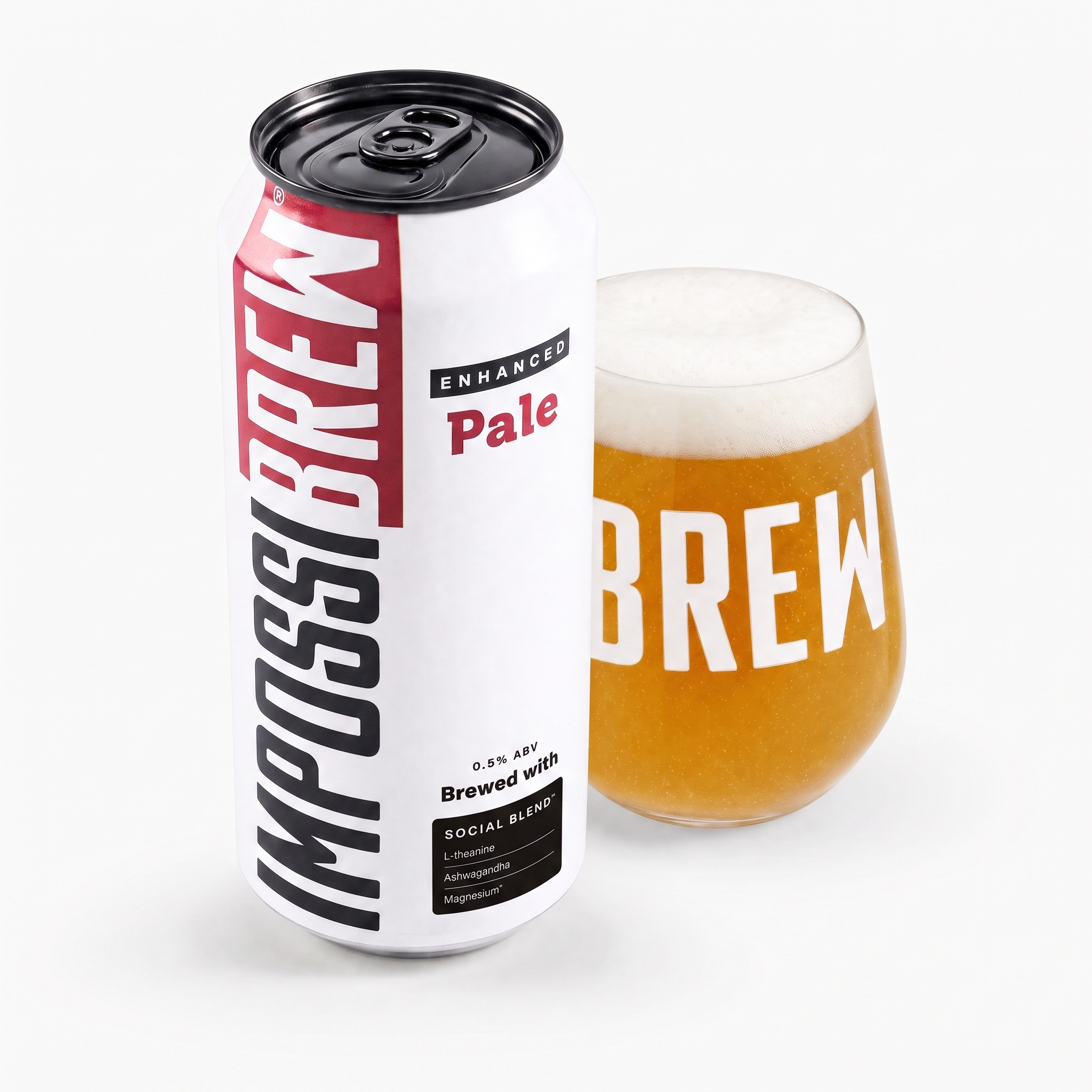
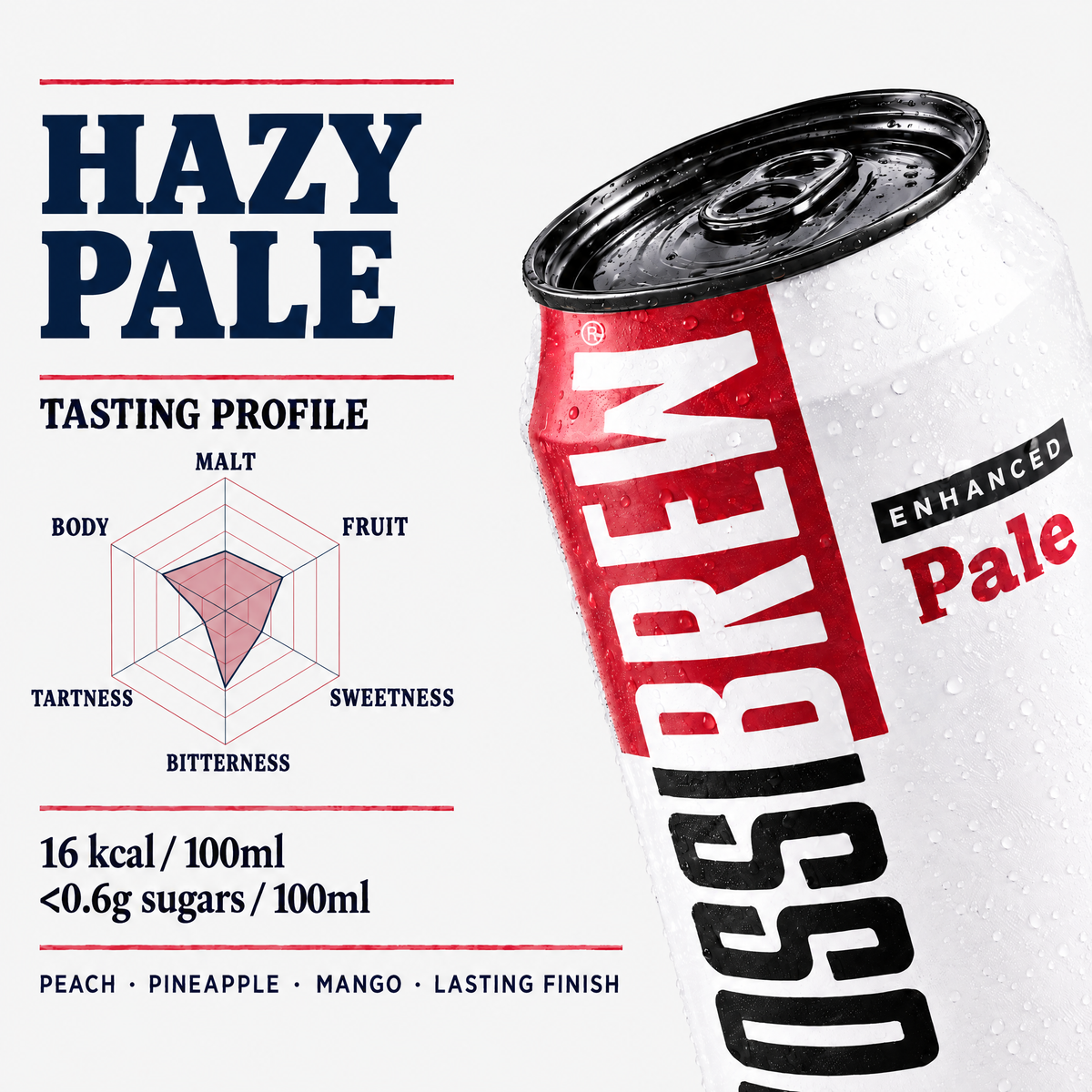
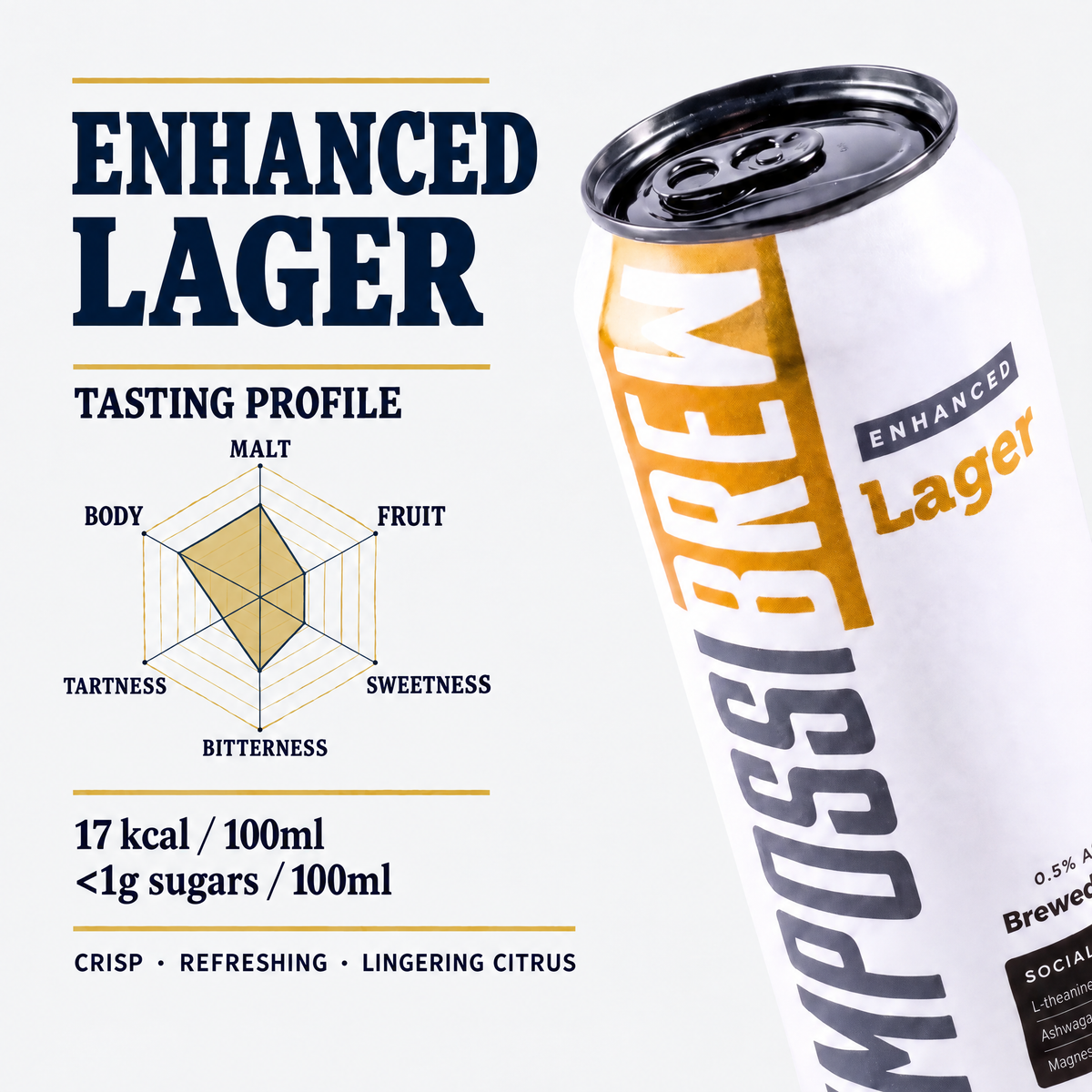
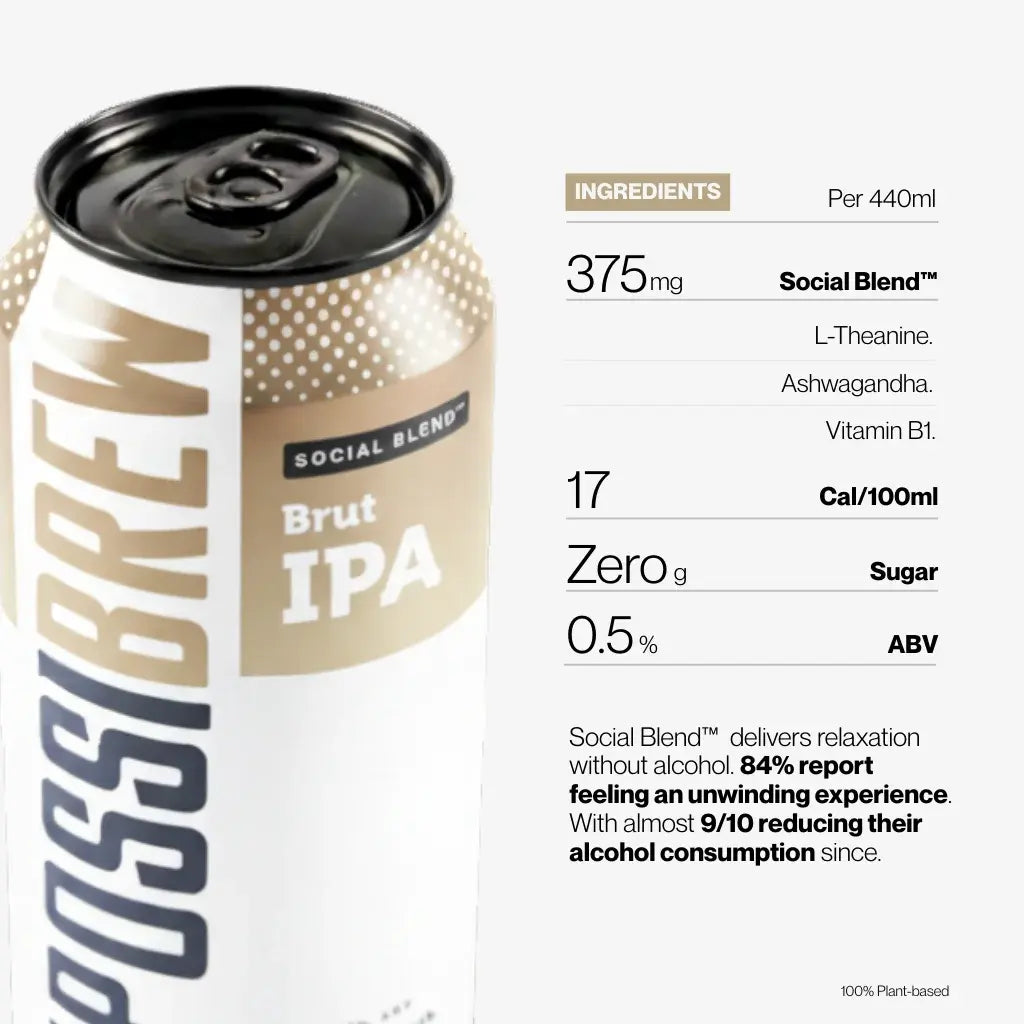
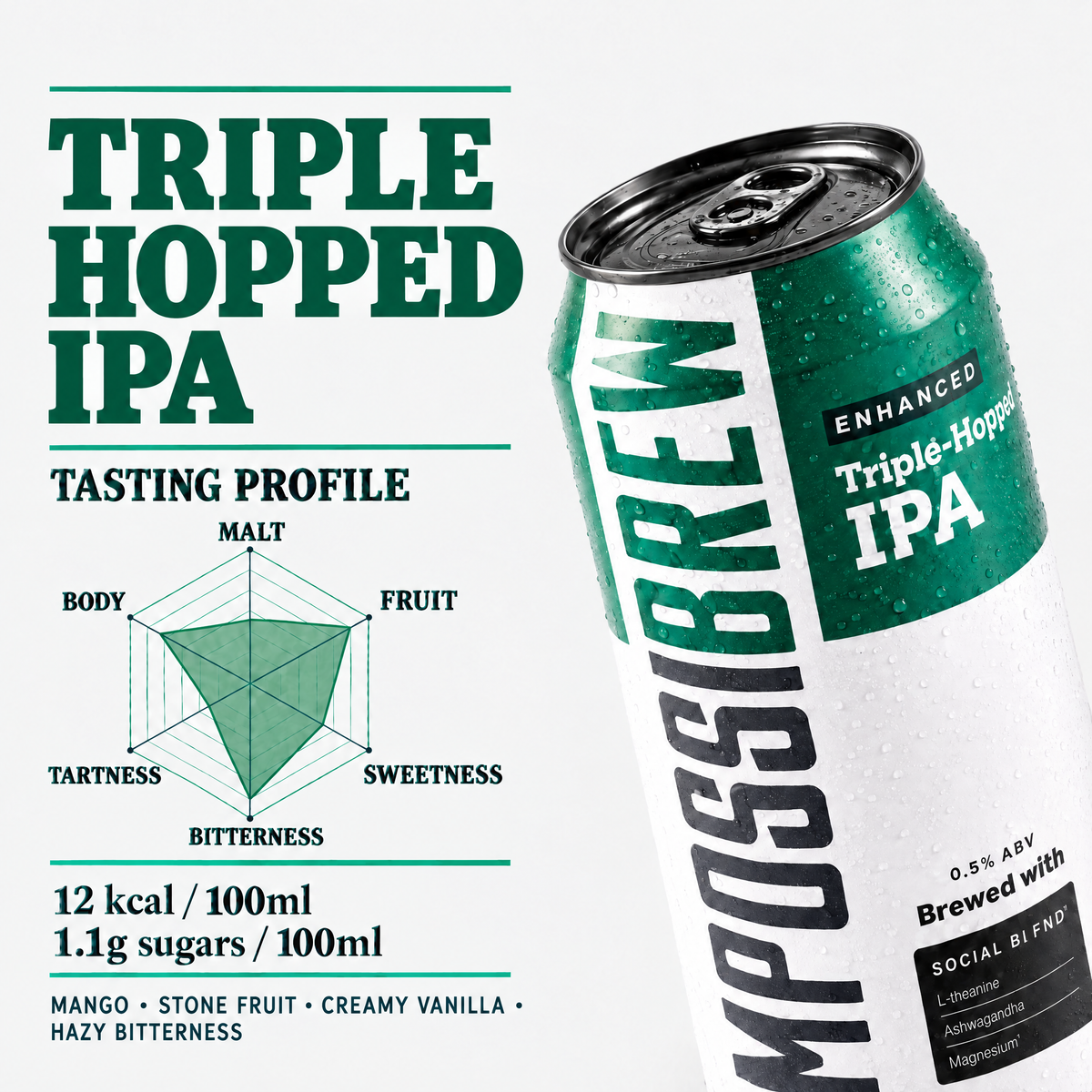
IMPOSSIBREW® Brewing Techniques
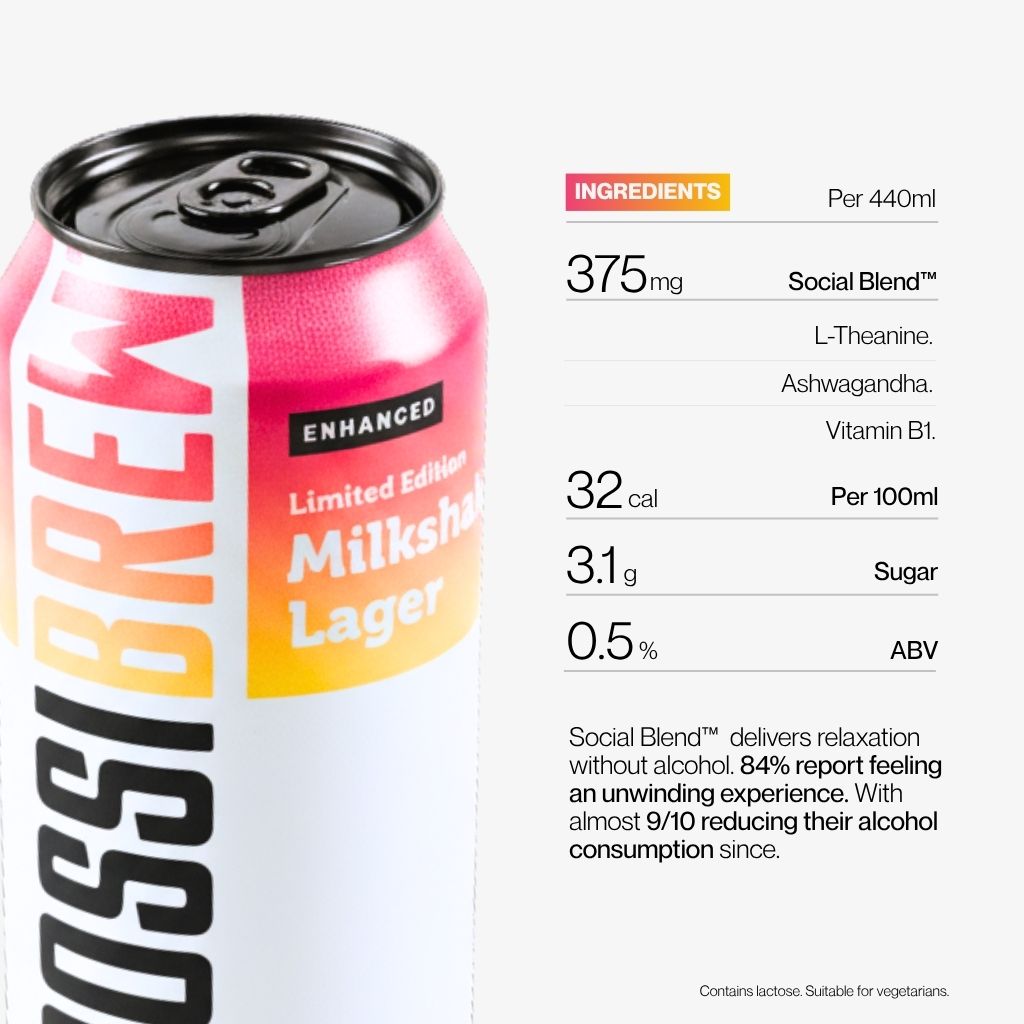
IMPOSSIBREW® has introduced a game-changing approach to non-alcoholic beer production. Their cryogenic fermentation process, powered by patent-pending technology, eliminates the need for alcohol removal, resulting in consistent quality throughout [1].
"IMPOSSIBREW® is a pioneering non-alcoholic beer brand based in the UK that aims to create the world's most complete alcohol alternative using patent-pending technology." [1]
Their meticulous oxygen management has earned them top recognition at the 2023 World Beer Awards. Additionally, consumer feedback highlights their impact: 71% reported feeling more relaxed, and 88% reduced their alcohol consumption after switching to IMPOSSIBREW® [1].