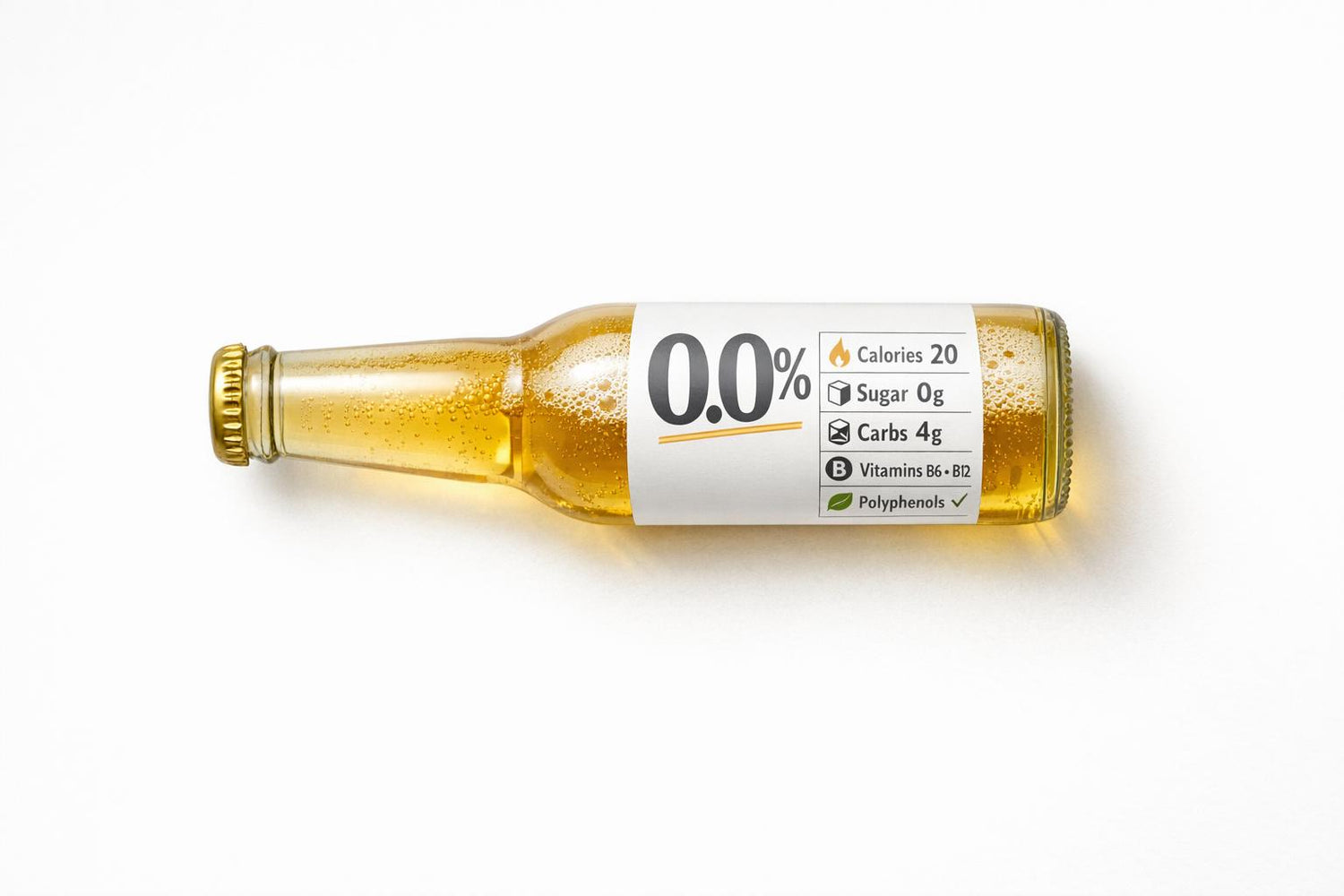
Alcohol-free beer has gained massive popularity in the UK, with sales doubling between 2020 and 2023. Many see it as a healthier alternative to regular beer, but does it live up to the hype? Here's the short answer: alcohol-free beer can be a lower-calorie, nutrient-rich option, but it’s not always "healthy" by default.
Key points:
- Calories: Alcohol-free options usually have fewer calories than regular beer, but sugar content can vary widely.
- Nutritional Benefits: Contains B vitamins, minerals, and polyphenols, which offer several health benefits of non-alcoholic beer like supporting heart health, gut health, and better sleep.
- Drawbacks: Some brands add sugar or carbs for flavour, making them less suitable for those watching their intake.
- Alcohol Content: Most "alcohol-free" beers in the UK can still contain up to 0.5% ABV, which might not be ideal for everyone.
While alcohol-free beer offers some perks, not all options are equal. It's essential to check labels and choose products that align with your health goals. Let’s dive into the details.
Is Non-Alcoholic Beer a Healthy Drink?
What Is Alcohol-Free Beer?
Alcohol-free beer is a beverage crafted to mimic the flavour and character of traditional beer while containing little to no alcohol. In the UK, drinks can only be labelled "alcohol-free" if they contain no more than 0.05% ABV (alcohol by volume). However, many products marketed as alcohol-free actually fall under the "de-alcoholised" category, which allows up to 0.5% ABV [2].
To put that into context, a regular pint of beer in the UK typically has around 4.4% ABV, equating to approximately 2.5 alcohol units. In contrast, a pint of alcohol-free beer at 0.5% ABV contains just 0.28 units - an 88% reduction [10]. These trace levels of alcohol are comparable to what occurs naturally in some everyday foods, like ripe bananas or bread rolls, and are unlikely to cause any intoxicating effects.
There's a common belief that alcohol-free beer lacks the taste of its alcoholic counterpart. However, advancements in brewing have significantly improved flavour, with many alcohol-free options now holding their own in blind taste tests. Another misconception is the idea that alcohol-free beer is automatically "healthy." Nichola Ludlam-Raine, a dietitian with the British Dietetic Association, highlights this issue:
"There's a health halo effect around AF drinks, where the consumer is directed to look at one area of the product – in this case that it doesn't contain alcohol – while having their attention diverted from less favourable aspects." [9]
Next, let’s explore how alcohol-free beer is made and the regulatory framework that defines it.
How Alcohol-Free Beer Is Made
The process of making alcohol-free beer starts with the same fundamental ingredients as regular beer - water, grain, yeast, and hops. The key difference lies in how brewers manage fermentation to minimise or remove alcohol.
Dealcoholisation involves brewing a regular beer first and then removing the alcohol. There are several methods for this:
- Vacuum distillation: The beer is heated under low pressure (30°C to 60°C), allowing alcohol to evaporate while preserving flavour.
- Reverse osmosis: High-pressure membranes separate alcohol and water from flavour molecules. The alcohol is distilled off, and the water is reintroduced.
- Thermal extraction: The beer is boiled at around 78.3°C to evaporate alcohol, a cost-effective method but one that can sometimes harm the flavour, leaving a metallic aftertaste.
Alternatively, biological methods can prevent significant alcohol production during brewing. For instance:
- Arrested fermentation: The brewing process is halted early by cooling the wort to near-freezing or sub-zero temperatures, stopping the yeast from producing much alcohol.
- Special yeast strains: Some yeast types, like Saccharomycodes ludwigii, are less effective at fermenting sugars, naturally keeping alcohol levels below 0.5% ABV.
Since removing alcohol can impact the body and aroma of the beer, brewers often use techniques like dry-hopping, forced carbonation, or adding proteins and sweeteners to enhance flavour. Some even use a "double-brew" method, blending batches to achieve a balanced taste.
Alcohol-Free Beer in the UK
In the UK, alcohol-free beer is classified into four categories based on ABV:
- Alcohol-free: Up to 0.05% ABV
- De-alcoholised: Up to 0.5% ABV
- Low alcohol: Up to 1.2% ABV
- Alcoholic: Over 1.2% ABV
These classifications differ from EU standards, where "alcohol-free" can include drinks with up to 0.5% ABV. Additionally, UK law requires all beverages with 1.2% ABV or less to display full nutritional information, including calorie counts - something not mandated for most alcoholic drinks.
The UK market for alcohol-free beer has seen rapid growth. Between 2017 and 2022, sales more than tripled [10]. By 2024, 38% of UK drinkers were choosing low or no-alcohol options semi-regularly, compared to 29% in 2022 [5]. Furthermore, around 20% of UK adults have stopped drinking alcohol altogether [11], fuelling demand for high-quality alternatives that fit social settings without the risks of intoxication.
This shift reflects broader changes in drinking habits. As Karen Tyrell, CEO of Drinkaware, explains, "one in five UK adults now drink alcohol-free beverages as a deliberate way of moderating their consumption" [9]. The rise of the "sober curious" movement has also contributed, turning alcohol-free beer into a popular choice for health-conscious individuals [1].
With this background in mind, we can now delve into the nutritional aspects and potential health considerations of alcohol-free beer.
Nutritional Content of Alcohol-Free Beer
Alcohol-free beer is made using the same core ingredients as regular beer but has a different nutritional profile due to the absence of alcohol. One of the most noticeable differences is in calorie content. Since ethanol contains 7 calories per gram, removing it significantly reduces the drink's overall calorie count [1][5]. For instance, a 500 ml serving of regular beer with around 5% ABV typically contains between 210 and 250 kcal, while its alcohol-free counterpart of the same size usually ranges from 70 to 150 kcal [1]. This calorie reduction is one of the key nutritional changes, but it also impacts carbohydrate levels and micronutrient content.
When alcohol is removed, the calorie count drops, but the carbohydrate content may increase. This happens because fermentation is halted or sugars are added to improve flavour. So, while you save on calories from alcohol, you might consume more carbohydrates. As Bridget Benelam, Nutrition Scientist at the British Nutrition Foundation, points out:
"Alcohol contains calories, so you'll have less calories in a non‐alcoholic beer versus an alcoholic one" [5].
However, the sugar content can vary widely between brands, making it essential to check the label, especially if you're mindful of your sugar intake.
Vitamins, Minerals, and Polyphenols
Beyond calories and carbs, alcohol-free beer can provide additional nutritional benefits. It's a source of B vitamins, especially folate (B9) and B12, which are produced by yeast during brewing. These vitamins are particularly valuable for those following plant-based diets [12][2]. The drink also delivers essential minerals like zinc and manganese from hops, and selenium from barley [3].
Another standout feature of alcohol-free beer is its polyphenol content. Derived from malted barley and hops, these compounds are known for their antioxidant properties. Over 50 different phenolic compounds have been identified in beer, with ferulic acid accounting for more than half of the antioxidant capacity in many commercial varieties [3]. As registered nutritionist Kerry Torrens explains:
"Polyphenols derived from beer may be particularly useful because only a small amount (5–10 per cent) is absorbed in the small intestine, with the remainder making its way to the colon where gut microbes ferment it and transform polyphenols into their active, beneficial form" [2].
Some alcohol-free beers, especially wheat-based ones, are even marketed as isotonic drinks. These beers combine electrolytes, carbohydrates, and vitamins, making them suitable for rehydration after exercise [12][3]. Dr Duane Mellor, a registered dietitian, highlights this potential:
"The sports drink potential of nolo beers has been tested in the lab too, with low alcohol beers being almost as good as sports drinks for rehydrating, especially if a pinch of salt is added" [12].
Alcohol-Free Beer vs Regular Beer: Nutritional Comparison
The table below highlights the primary nutritional differences between regular beer and alcohol-free beer in a 500 ml serving:
| Nutrient | Regular Beer (~5% ABV) | Alcohol-Free Beer (<0.5% ABV) | Health Impact |
|---|---|---|---|
| Calories | 210–250 kcal | 70–150 kcal | Helps with weight management and reduces metabolic strain [1][5] |
| Carbohydrates | 10–15 g | 15–30 g (varies by brand) | Provides energy; electrolytes aid hydration [1][3] |
| Sugars | Low (usually <1 g) | 2–10 g (can be higher) | Offers energy, though high levels may affect blood sugar [1] |
| Polyphenols | Moderate | High | Supports anti-inflammatory effects, heart health, and gut health [12][2] |
| B Vitamins | Present in trace amounts | A good source of folate and B12 | Supports the nervous system and red blood cell production [12][2] |
| Minerals | Potassium, magnesium, zinc, manganese | Potassium, magnesium, zinc, manganese, selenium | Helps maintain electrolyte balance and provides antioxidant support [3][2] |
While alcohol-free beer clearly has advantages - such as fewer calories and added micronutrients - it’s not automatically a "health drink." The sugar and carbohydrate content can vary significantly between brands, so reading the nutrition label is crucial, particularly if you're monitoring your weight or blood sugar levels. These nutritional differences also play a role in alcohol-free beer's potential benefits, including its positive effects on heart health, sleep quality, and immune support.
Health Benefits of Alcohol-Free Beer
After reviewing the nutritional profile, let’s dive into the potential health perks of alcohol-free beer. Research suggests it may support heart health, improve sleep, and even aid gut function, and even help you achieve your fitness goals. Here’s a closer look at how these benefits play out.
Heart Health and Inflammation
Alcohol-free beer, especially hop-rich varieties, contains polyphenols like xanthohumol from hops. These compounds can help lower blood pressure, reduce inflammation, and decrease homocysteine levels - an indicator linked to heart disease risk [14]. They also boost endothelial progenitor cells, which are crucial for repairing and maintaining blood vessel walls [14].
One study conducted at Knappschaft Kliniken University Hospital Bochum involved 44 young men who drank 660 ml of alcohol-free pilsener daily for four weeks. Results showed a significant reduction in cholesterol and LDL levels compared to those drinking wheat or mixed beers [16]. Henriette Kreimeyer from Ruhr-University Bochum commented:
"Consumption of NABs, especially mixed and wheat beers, exerts an unfavourable metabolic impact on glucose and fat, while pilsener and water are more favourable from a metabolic perspective." [16]
This suggests hop-forward options like alcohol-free pilseners and IPAs may offer the most heart-friendly benefits, while sweeter wheat or mixed beers might negatively impact glucose and fat metabolism [16].
Sleep Quality and Relaxation
Alcohol-free beer isn’t just good for your heart - it can also promote better sleep. Hops in the beer contain bioactive compounds that enhance GABA activity, a neurotransmitter known for its calming effects [13][14]. As one source explains:
"Hops increase the activity of the neurotransmitter GABA... producing a sedative effect that helps the brain to relax, encouraging sleep." [13]
This makes alcohol-free beer a great alternative to traditional nightcaps, offering the same relaxing ritual without disrupting sleep [1]. In fact, a study found that participants who consumed alcohol-free beer for two weeks showed reduced levels of urinary 5-HIAA, a marker linked to anxiety [14].
Gut and Immune System Support
Some unfiltered alcohol-free beers go a step further by acting as probiotics, thanks to live bacteria and yeasts like Saccharomyces boulardii. These can promote gastrointestinal health [12][9]. Additionally, the silicon found in malt and hops may benefit bone health. Dr Duane Mellor, a dietitian at Aston University, highlights this:
"Non-alcoholic beer can be probiotic – that is, it contains live beneficial bacteria that have been shown to play a role in managing gastrointestinal disorders." [9]
For maximum probiotic benefits, choose beers labelled as ‘fresh’ or ‘unfiltered’. Hop-heavy options like alcohol-free IPAs also tend to have higher levels of these beneficial compounds [15].
sbb-itb-a752bf8
IMPOSSIBREW® Enhanced Alcohol-Free Beers
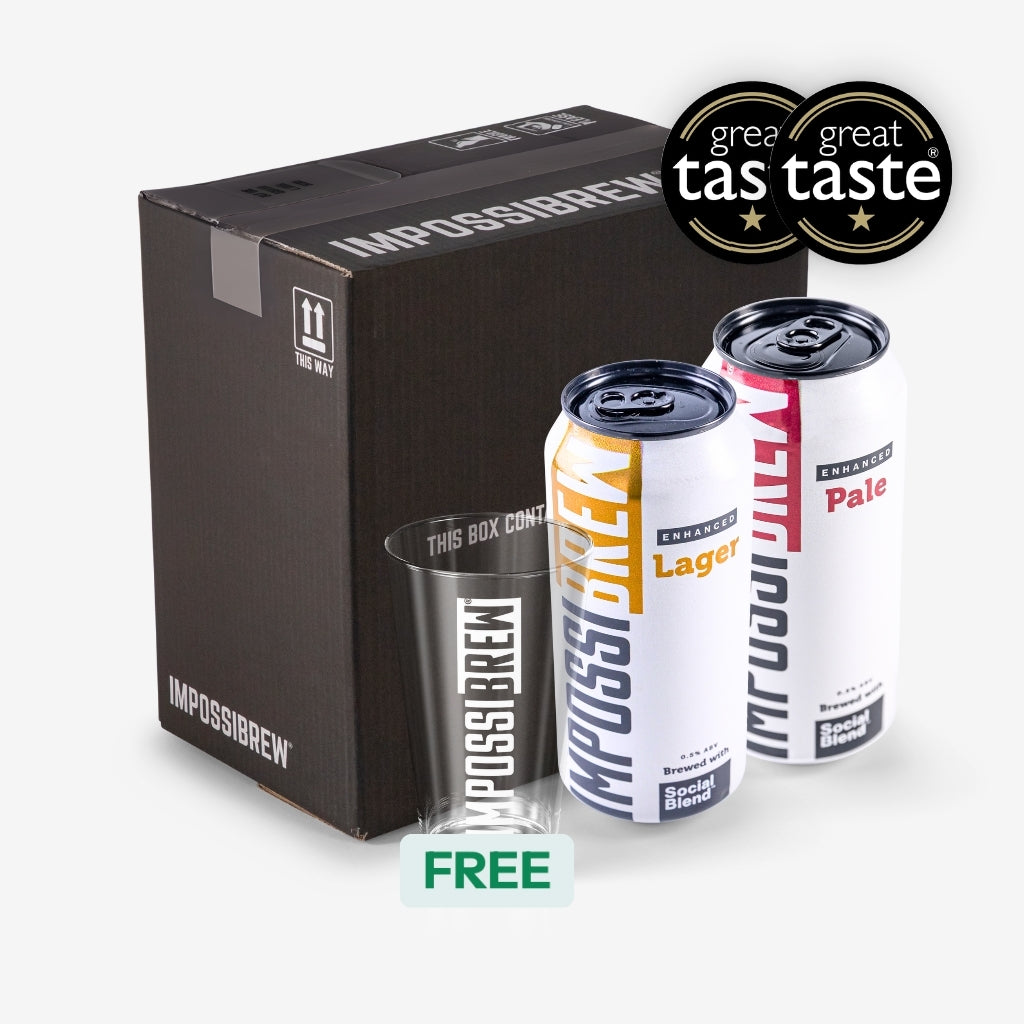
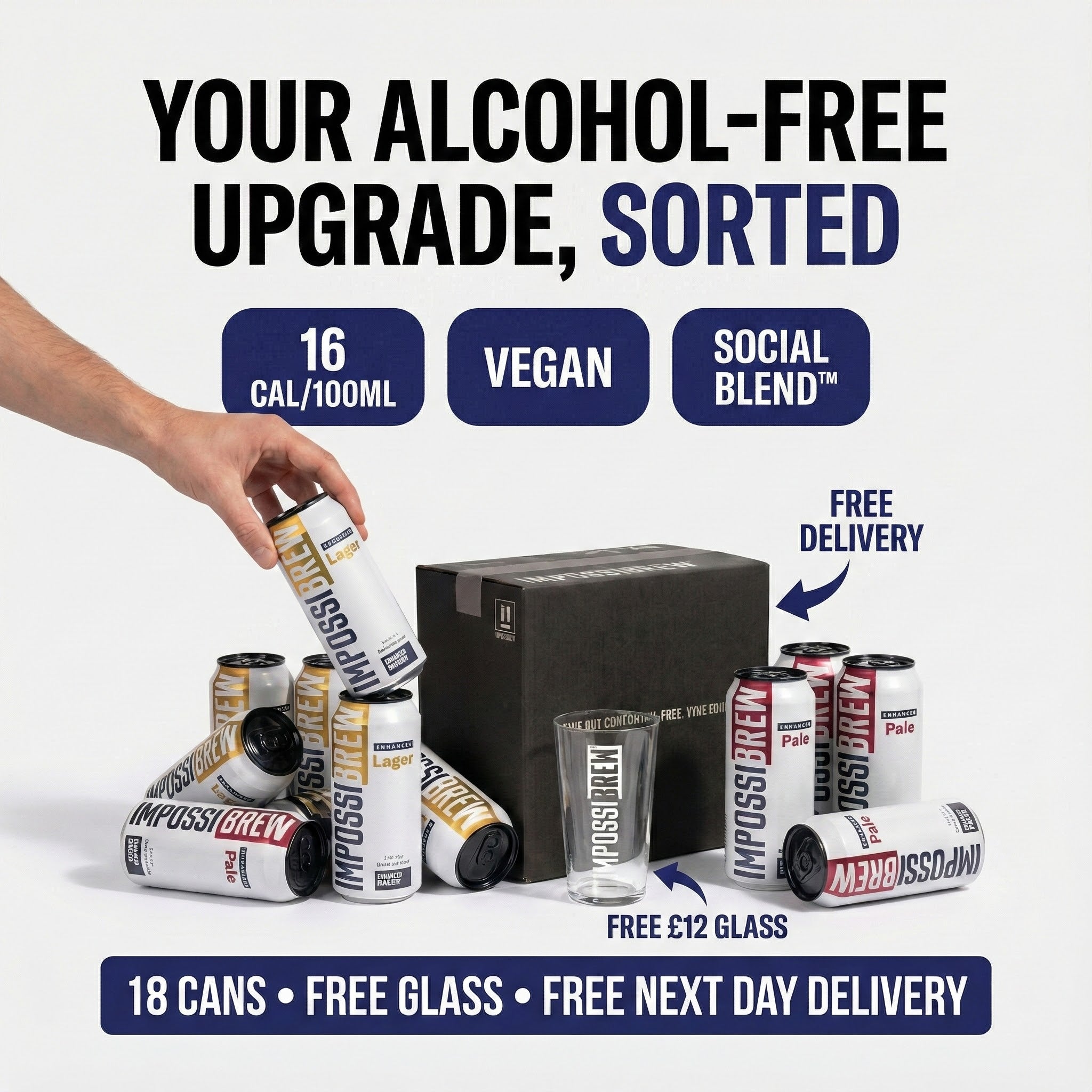
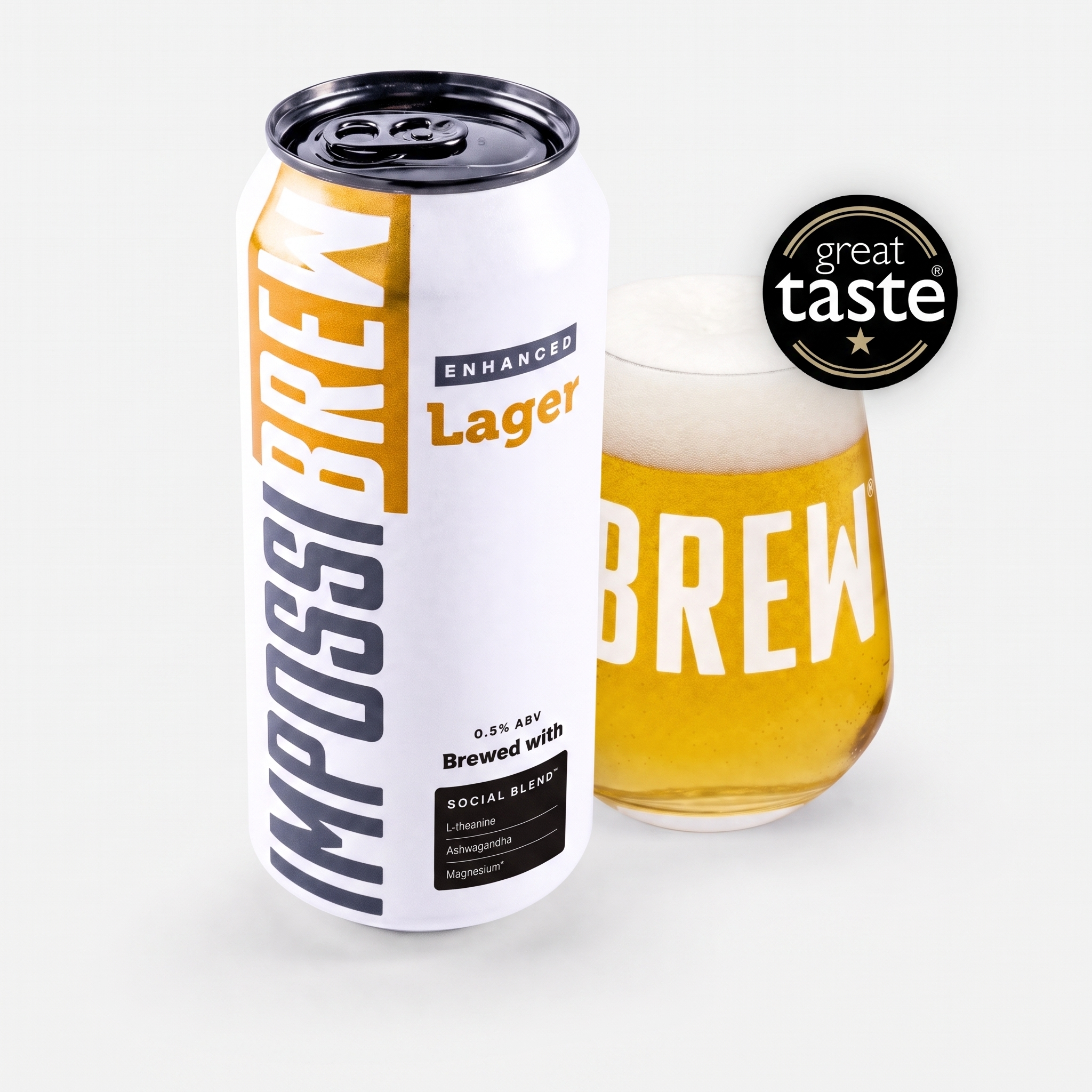
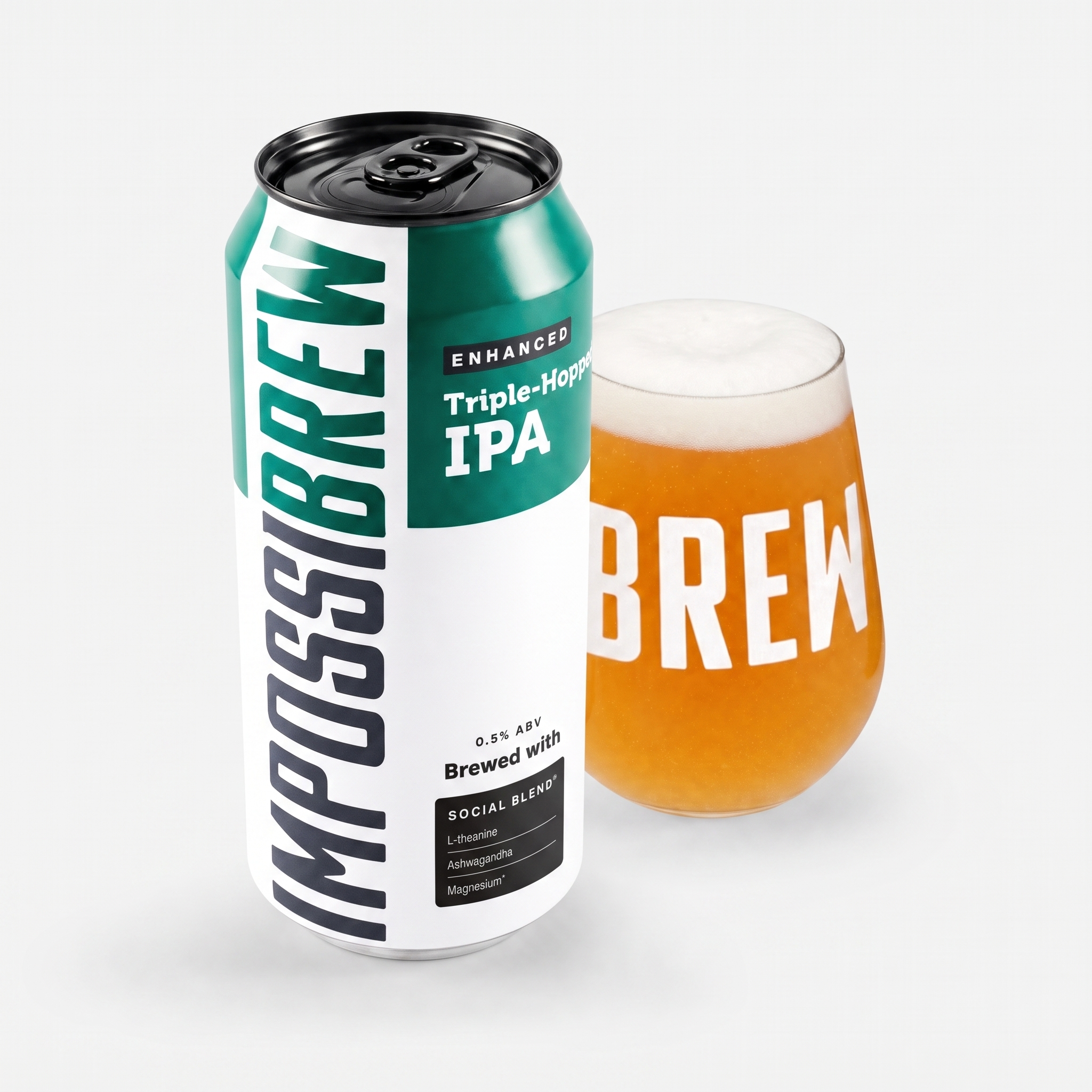
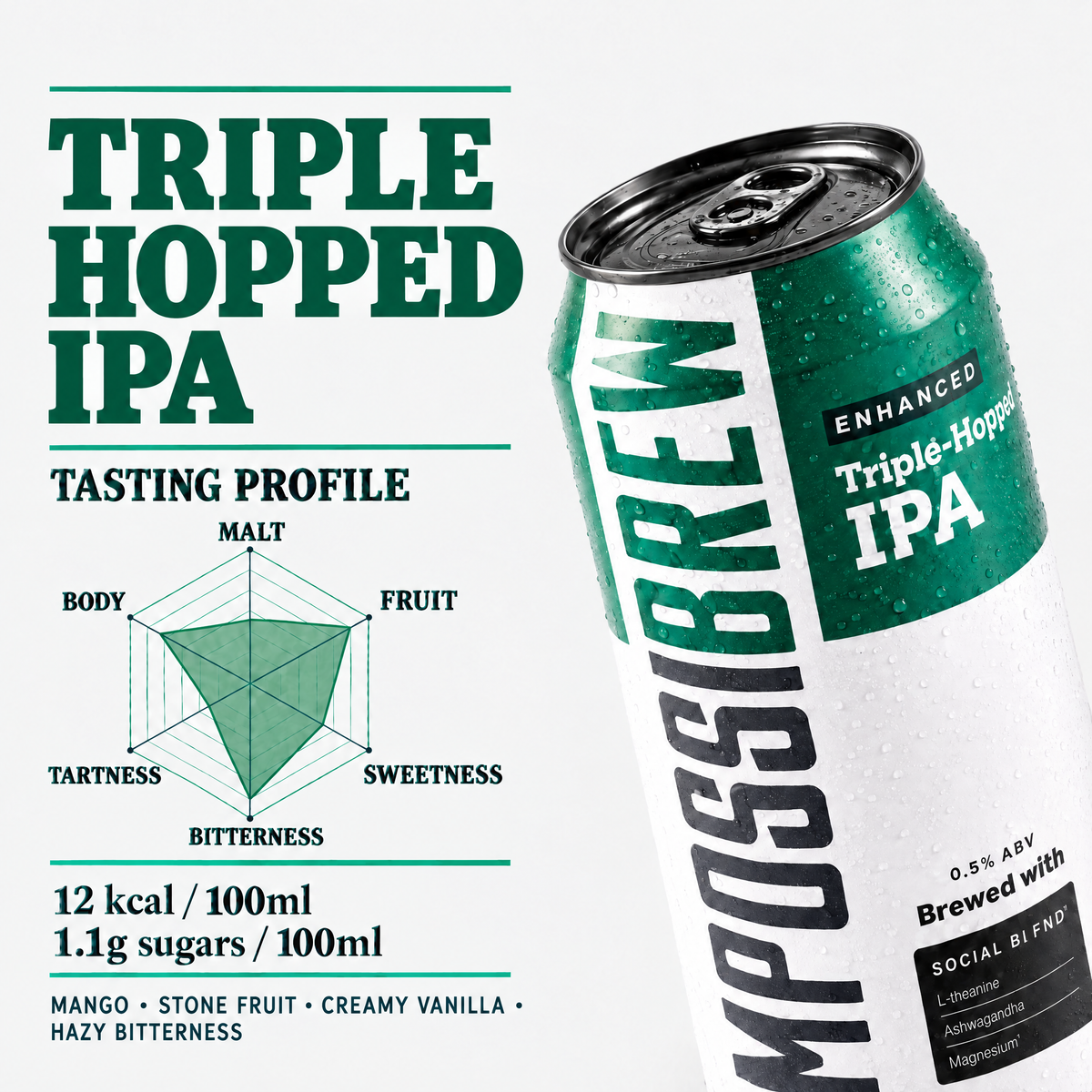
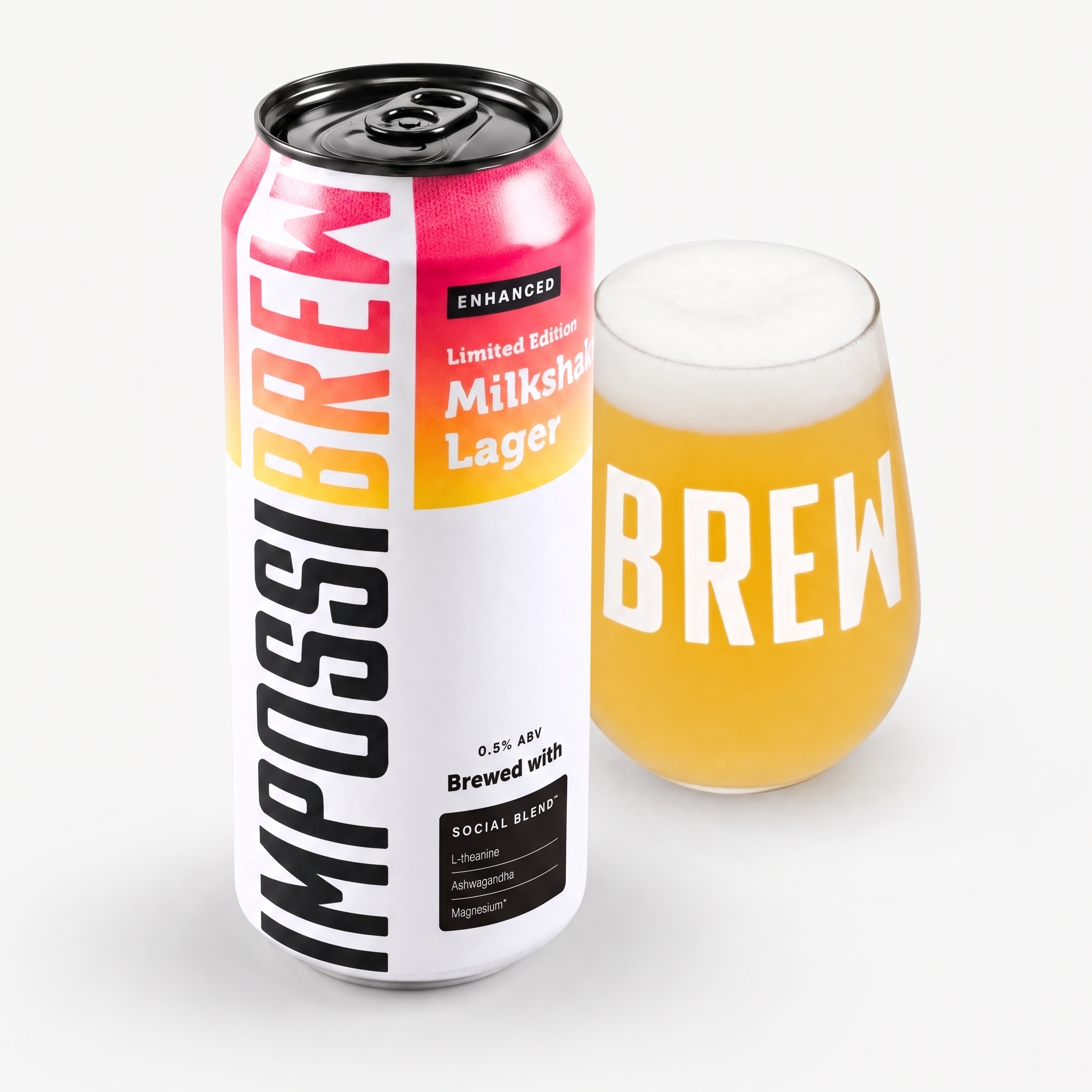
IMPOSSIBREW® takes alcohol-free beer to the next level by blending traditional brewing methods with functional science. Their Enhanced Lager and Hazy Pale Ale are crafted not just for taste but also to support mental well-being, thanks to a unique combination of nootropics and adaptogens.
Enhanced Lager and Hazy Pale Ale Products
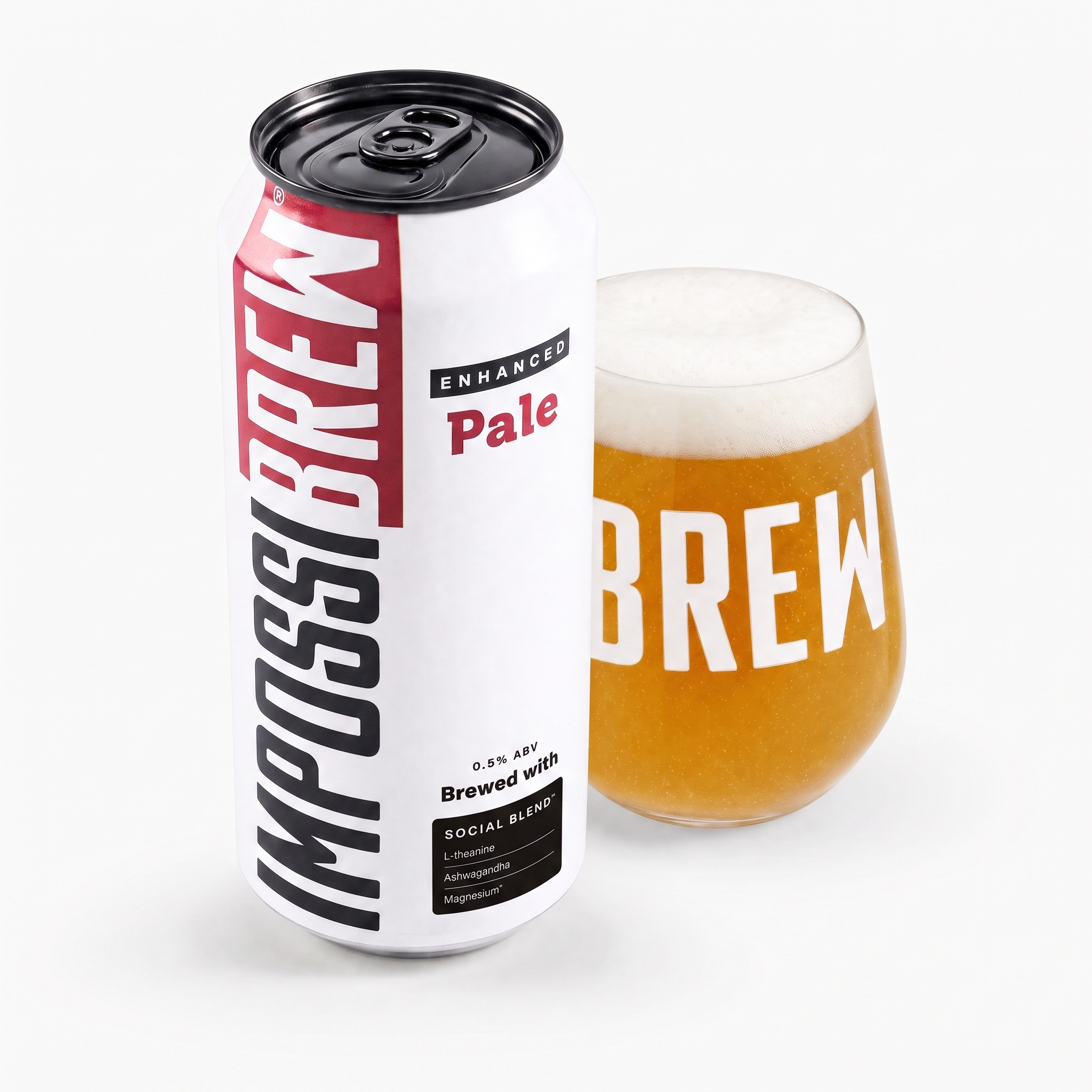
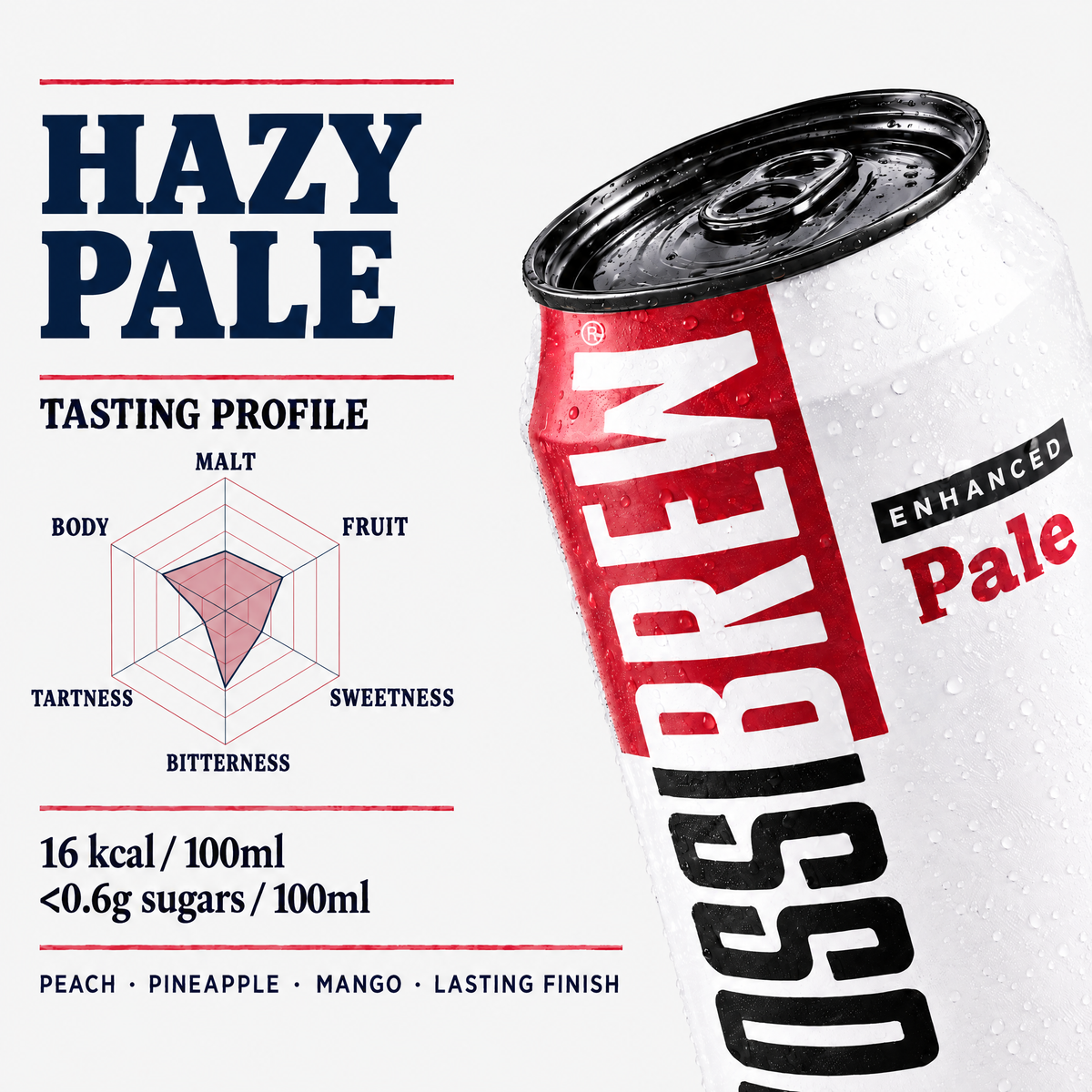
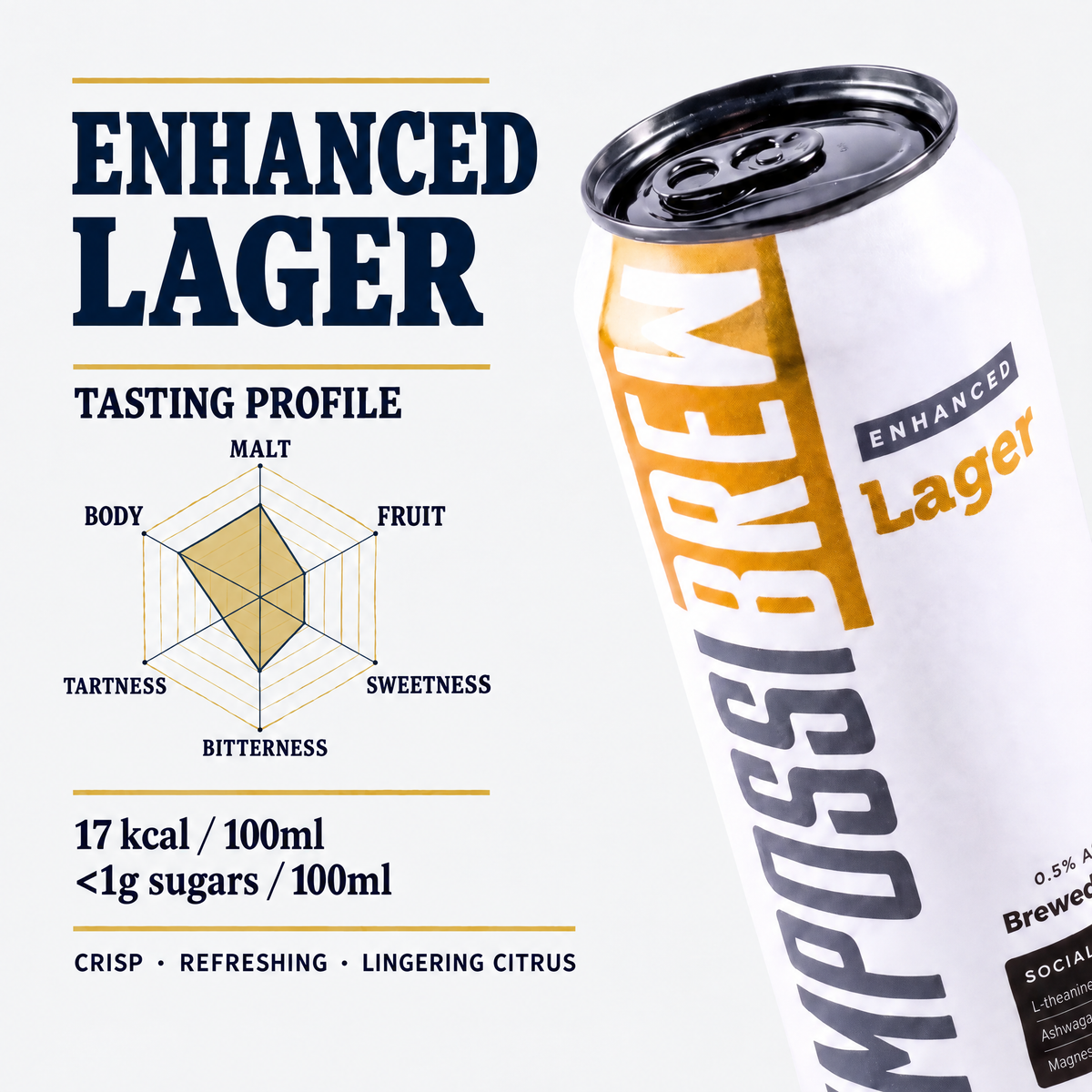
These beers are brewed using cryogenic fermentation, ensuring authentic flavour while maintaining a 0.5% ABV. The Enhanced Lager is gluten-free (under 20ppm), while the Hazy Pale Ale features oats and rye for a distinct profile. Both options are vegan-friendly, with the Lager containing just 17 kcal per 100ml and the Hazy Pale Ale slightly lower at 16 kcal per 100ml.
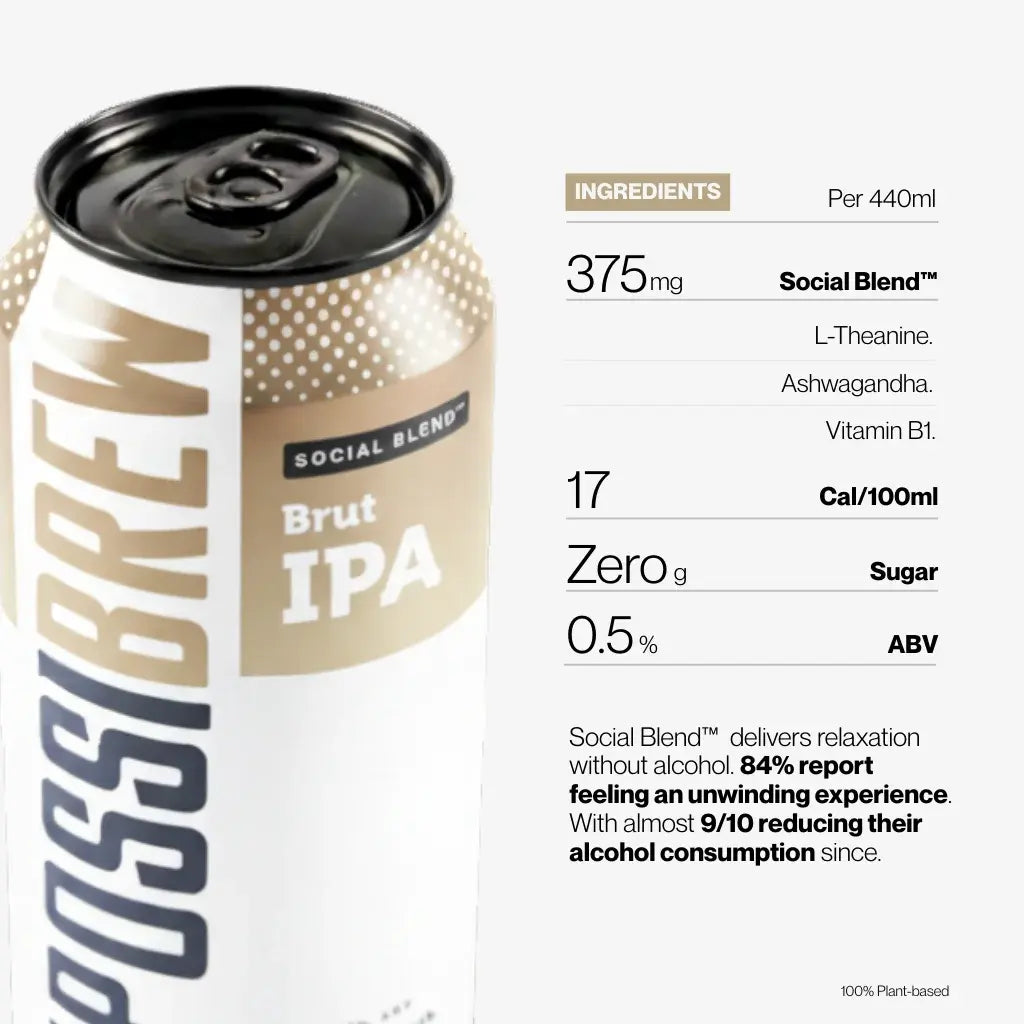
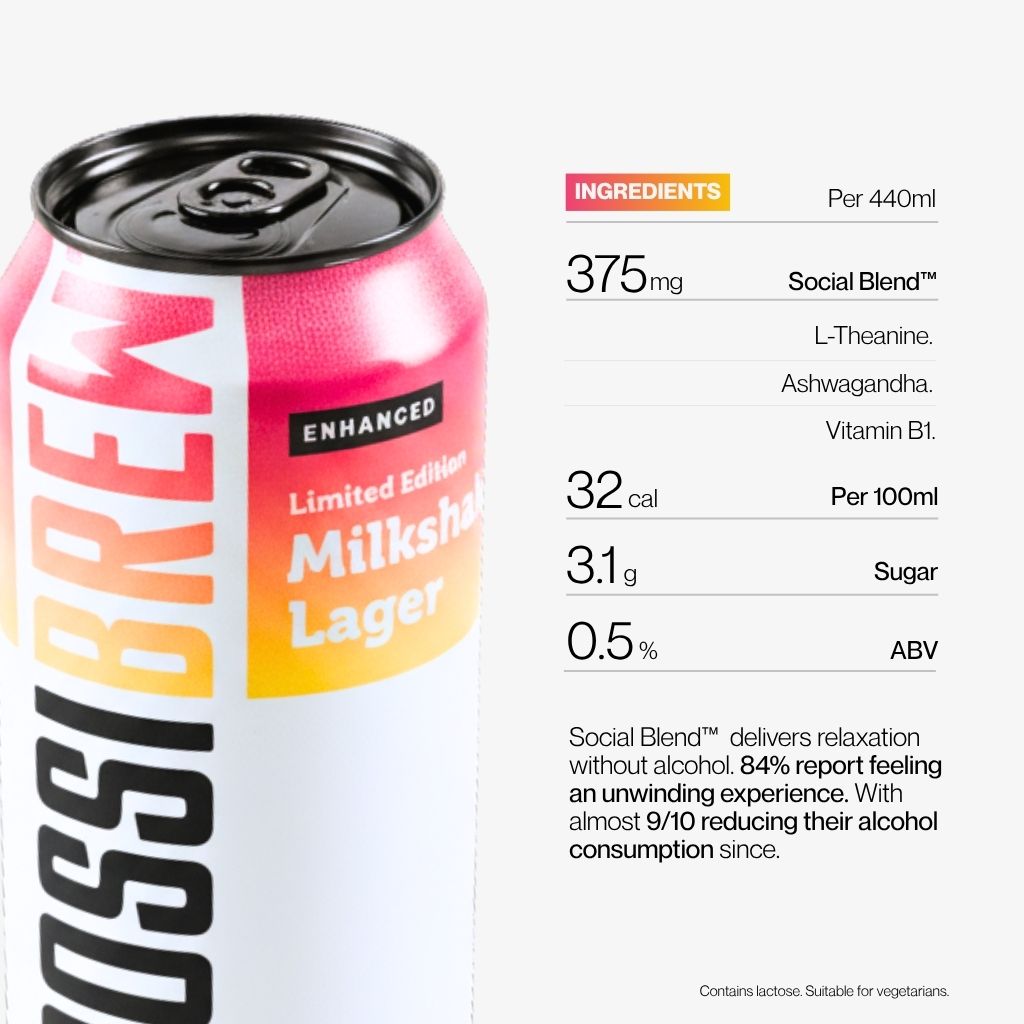
Their quality hasn’t gone unnoticed: both beers were crowned the UK's Best Non-Alcoholic Beer at the 2023 World Beer Awards. Each 440ml can is packed with 375mg of Social Blend™, developed in collaboration with Dr Paul Chazot, a Bioscience Professor and Chair of Pharmacology at Durham University. This blend is what gives these beers their functional edge, offering benefits far beyond the basics.
Nootropics and Adaptogens in Social Blend™
The Social Blend™ formula is what sets these beers apart, combining nootropics and adaptogens to promote mental well-being. Key ingredients include:
- L-Theanine: Found in green tea, this amino acid enhances relaxed alertness by increasing alpha brain wave activity and serotonin levels.
- Ashwagandha root extract: A staple in Ayurvedic medicine, this adaptogen is known for its stress-reducing properties.
- Vitamin B1 (Thiamine): Plays a role in mood regulation.
- Soluble plant fibre: Adds another layer of functionality.
A 2025 study involving over 2,000 participants revealed impressive results: 84% reported feeling more relaxed after consuming Social Blend™, and 88% noted a reduction in their overall alcohol consumption since discovering the brand [18][17]. According to IMPOSSIBREW®:
"The blend promotes a state of relaxation without the sedative effects typically associated with alcohol." [17]
Risks and Limitations of Alcohol-Free Beer
While alcohol-free beer offers certain perks, it’s important to weigh these against its potential downsides. Let’s take a closer look at some of the key concerns.
Small Amounts of Alcohol
Despite the name, most "alcohol-free" beers aren't entirely free of alcohol. In the UK, beverages with up to 0.5% ABV can still be labelled as alcohol-free [7]. This might not seem like much, but it can pose issues for specific groups. For instance, individuals recovering from alcohol use disorder, pregnant women, or those on medications that interact with alcohol should avoid even trace amounts. If total abstinence is critical, look for products clearly marked as 0.0% ABV. However, even these may contain tiny traces, so it's worth exercising caution.
Calorie Content Varies by Brand
Not all alcohol-free beers are created equal when it comes to calories. Some, like Suntory All-Free, boast 0 calories, while others can pack over 130 calories per serving [21]. On average, these beers contain about 44% fewer calories than their alcoholic counterparts [19], but brands often add sugars and carbohydrates to make up for the flavour loss [20]. For example, a 330ml bottle can have more than 10g of sugar - about a third of the NHS's daily limit for added sugar in adults [20]. To put this into perspective, Peroni Libera contains 73 calories and 17.5g of carbohydrates per 330ml, while San Miguel 0.0% has 79 calories and 18.5g of carbohydrates [20]. These figures show why it’s essential to check nutrition labels instead of assuming that "alcohol-free" automatically means "low-calorie."
Not a Health Solution for Everyone
Alcohol-free beer isn't a universal health fix. For those recovering from alcohol dependency, it can sometimes trigger cravings, particularly in severe cases [22]. Additionally, the "health halo effect" - where consumers assume a product is healthier than it actually is - can obscure less favourable nutritional aspects. For individuals managing blood sugar levels, the high carbohydrate content in some alcohol-free beers can be problematic. For instance, Erdinger Alcohol-Free contains 26.5g of carbohydrates per 500ml, nearly double what’s in its alcoholic counterpart [9]. A 2025 study also found that alcohol-free wheat and mixed beers raised insulin and fasting glucose levels, while pilsners had a lesser impact [8][6].
While alcohol-free beer can be part of a balanced lifestyle, it’s not a magic solution. Like any soft drink, it’s best enjoyed in moderation, keeping both its benefits and limitations in mind.
Conclusion
Alcohol-free beer can contribute to a healthier lifestyle by offering fewer calories, beneficial polyphenols, and B vitamins. Additionally, removing ethanol provides your liver with a break and helps avoid the sleep disruptions commonly linked to alcohol consumption [1]. Certain pilsner-style options may even assist in reducing LDL cholesterol and markers of liver damage [9].
However, not all alcohol-free beers are created equal. Some contain higher levels of sugars and carbohydrates, which means they may resemble soft drinks in nutritional content. This is particularly important for individuals managing blood sugar levels or monitoring calorie intake.
For those looking to prioritise both health and relaxation, IMPOSSIBREW® stands out with its unique Social Blend™ of nootropics and adaptogens. With as few as 16 calories per 100ml, it offers a refreshing option that goes beyond traditional brewing. Impressively, 88% of users reported reducing their overall alcohol consumption after trying IMPOSSIBREW® [4]. By combining functional ingredients with alcohol-free brewing, it transforms the experience into something purposeful and tailored for modern lifestyles.
Alcohol-free beer can be a valuable addition to a balanced lifestyle when chosen carefully. Always review nutrition labels, opt for styles that offer metabolic benefits, and consider your personal health needs. Whether you're cutting back on alcohol or embracing a healthier routine, alcohol-free beer provides a way to enjoy social moments while supporting your well-being. Just make sure to choose options that align with your dietary goals.
FAQs
Is 0.5% ABV really alcohol-free?
Yes, drinks with 0.5% ABV are often regarded as alcohol-free because they contain only tiny traces of alcohol. While they aren't entirely free of alcohol in a strict sense, many consider them alcohol-free due to the minimal amount present. This classification is common in various contexts and aligns with how such beverages are typically marketed and consumed.
Which alcohol-free beer styles are best for blood sugar?
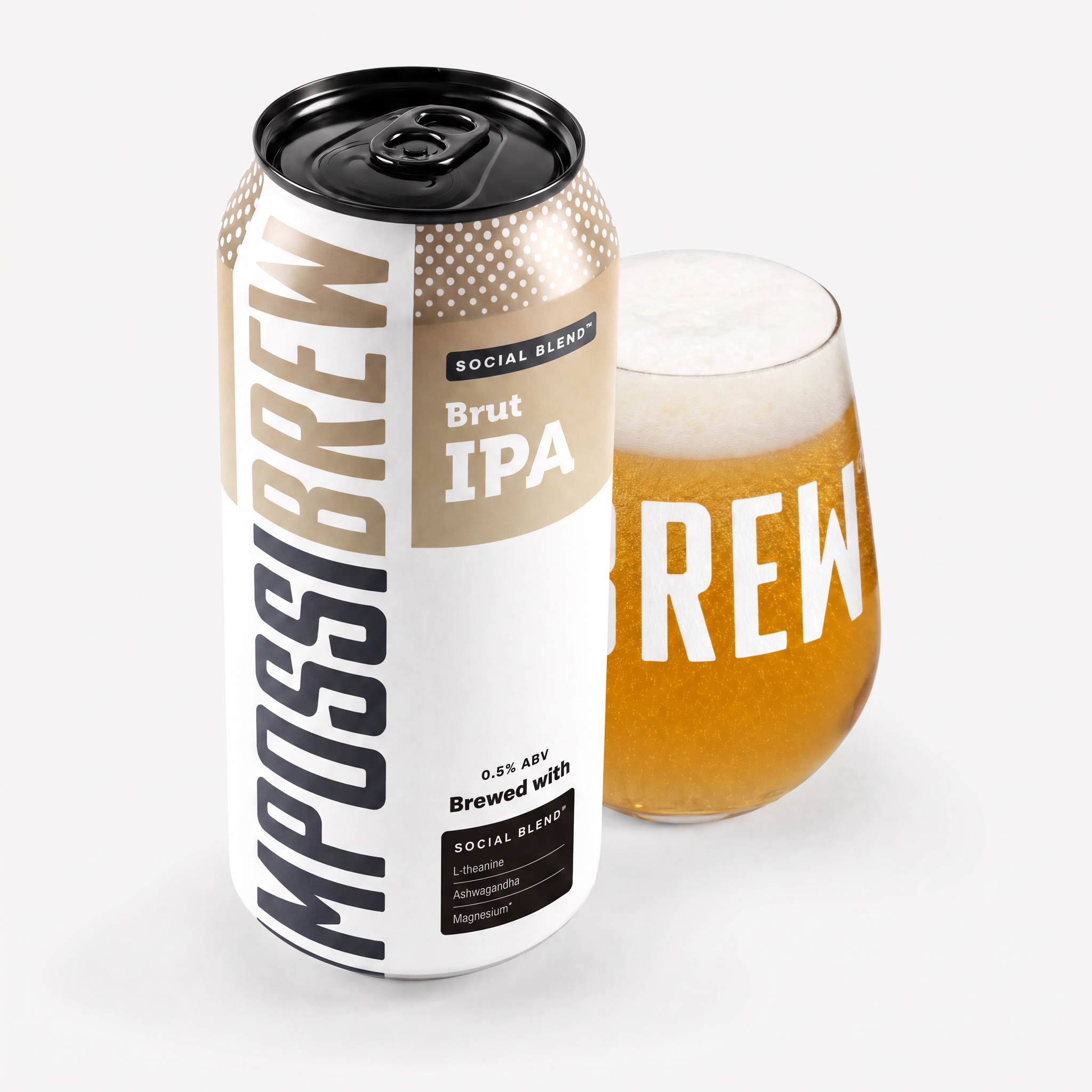
Alcohol-free beer styles with little to no sugar, such as Brut IPA, are a smart choice for managing blood sugar levels. These beers are less likely to cause glucose spikes, making them a better option for those mindful of their metabolic health. However, many alcohol-free beers can have added sugars and higher calorie content. To make an informed choice, always review the nutritional labels and opt for beers specifically crafted to be low or sugar-free.
How can I spot a high-sugar alcohol-free beer fast?
To spot an alcohol-free beer with high sugar content, the fastest method is to check the nutritional label. Some alcohol-free beers can pack in much more sugar compared to regular beers - sometimes up to 10 times more than their full-strength counterparts. By examining the sugar percentage listed on the label, you can quickly and reliably identify options with higher sugar levels.