
Switching to alcohol-free beer isn’t just about cutting out alcohol - it offers a range of benefits that can improve your health, social life, and overall well-being. From better sleep and hydration to reducing calorie intake and supporting heart health, alcohol-free beer is gaining popularity in the UK, with 38% of drinkers now opting for low- and no-alcohol alternatives. Modern brewing techniques and functional ingredients like L-Theanine and Ashwagandha are making these options more appealing than ever. Here’s what you can expect when you make the switch:
- Improved sleep: Alcohol-free beer promotes deeper, uninterrupted rest.
- No hangovers: Say goodbye to headaches, fatigue, and "hangxiety."
- Better hydration: Alcohol-free options often hydrate better than water.
- Increased nutrients: Packed with B vitamins, minerals, and antioxidants.
- Lower calorie intake: A lighter choice compared to alcoholic drinks.
- Heart health benefits: Polyphenols in alcohol-free beer support cardiovascular health.
- Improved gut health: Boosts microbiome diversity and digestion.
- Active social life: Enjoy the ritual of drinking without compromising health.
- Relaxation without intoxication: Functional blends mimic the calming effects of alcohol.
- Overall health boost: Reduces risks of diseases, stabilises mood, and improves energy.
Alcohol-free beer offers a practical way to enjoy the taste and social aspects of beer while prioritising your health. Whether you’re looking to sleep better, cut calories, or feel more energised, the benefits start almost immediately.
Alcohol-Free Beer: The Health Benefits You Didn't Expect!
sbb-itb-a752bf8
1. Your Sleep Quality Gets Better
While alcohol might help you drift off faster, it disrupts the overall quality of your sleep. It fragments your rest by causing frequent, brief awakenings, even if you don’t fully remember them. So, despite spending eight hours in bed, you might wake up feeling drained. This interference with your sleep cycles can lead to a range of health concerns.
"Alcohol in your system leads to your sleep being fragmented, meaning your brain briefly wakes up and interrupts your sleep cycle over and over. Every 'awakening' can send you back to the light sleep stage, and cuts down on your REM sleep." – Dr. Nancy Foldvary-Schaefer, Sleep Disorders Specialist, Cleveland Clinic [7]
One major issue is the suppression of REM (Rapid Eye Movement) sleep - the stage crucial for memory, learning, and emotional balance. Without enough REM sleep, you’re likely to feel mentally sluggish, even after what seemed like a full night’s rest. Alcohol also relaxes your muscles, which can increase snoring and the risk of sleep apnoea. On top of that, as a diuretic, it can lead to multiple trips to the bathroom during the night, further disturbing your rest.
Interestingly, research from the University of Extremadura highlighted the benefits of swapping alcohol for alcohol-free beer. In a study, female nurses who drank 333 ml of 0.0% alcohol-free beer with their evening meal for 14 days saw their sleep latency (the time it takes to fall asleep) improve from 20.50 minutes to just 12.01 minutes. They also experienced a significant drop in night-time restlessness, with activity pulses reducing from 7,258 to 5,284 [9]. This improvement is linked to hops (Humulus lupulus), a natural ingredient in beer that enhances GABA activity in the brain, promoting relaxation without the disruptive effects of ethanol.
Within one or two weeks of cutting out alcohol, most people report deeper, uninterrupted sleep and genuinely refreshed mornings. Your body can complete its natural 90-minute sleep cycles, aiding physical recovery and strengthening your immune system. This improved recovery is one of the many ways non-alcoholic beer can help you achieve your fitness goals.
2. You Wake Up Without Hangovers
Choosing alcohol-free beer means saying goodbye to those dreaded mornings of headaches, nausea, and fatigue. Why? Because it removes ethanol - the key culprit behind hangover symptoms[6]. Without ethanol in your system, your body avoids the chain reaction that leads to these unpleasant effects.
Regular beer also dehydrates you, thanks to its diuretic properties. In contrast, many alcohol-free beers are formulated to be isotonic, often enriched with electrolytes to help maintain hydration and support recovery[8,27]. They can even ease "hangxiety" - that jittery, uneasy feeling that often kicks in as alcohol's calming effects wear off[29,30].
"The nausea, headaches, or tiredness you may have felt the morning after drinking could be replaced with improved mood as well as feelings of productivity." – Drinkaware[8]
Switching to alcohol-free beer allows your body to rehydrate more effectively, setting you up for a quicker recovery. The benefits kick in immediately. From the very first morning, you’ll notice the absence of hangover symptoms. Within 24 hours, alcohol is cleared from your system, stabilising blood sugar levels and reducing dehydration[30,33]. By the end of the week, many people report feeling more energised and less groggy in the mornings[28,32].
This change isn’t just personal - it has broader implications too. Hangovers are estimated to cost the UK economy around £4 billion annually due to lost productivity and absenteeism[12]. Opting for alcohol-free beer can make a real difference.
To put it into perspective, a standard pint of beer with 4.4% ABV contains approximately 2.5 units of alcohol. Swap that for an alcohol-free version at 0.5% ABV, and you’re only consuming about 0.28 units - a reduction of around 2.2 units per pint. This is why alcohol-free beer says 0.5% on the label, as it remains well below the threshold for being considered alcoholic[3]. In addition to better mornings, this small change can contribute to noticeable health benefits over time.
3. Your Hydration Levels Increase
Regular beer has a knack for dehydrating you. Its alcohol content acts as a diuretic, pushing your kidneys to expel fluids faster than usual. That’s why, after a few pints, you often find yourself rushing to the loo and waking up with a dry mouth.
Alcohol-free beer flips the script. With a water content of around 90–95% and little to no ethanol, it helps hydrate your body instead of draining it. Many alcohol-free options - especially wheat beers - are isotonic. This means they have a balance of salts and sugars similar to your blood, enabling your body to absorb fluids quickly. Plus, they replenish vital minerals like potassium, magnesium, and sodium, which are key to maintaining proper hydration. Research even shows that 0.0% beer has a fluid retention rate of 36%, slightly edging out plain water at 34%, and far surpassing full-strength beer at 21% [14].
"Low alcohol beers [are] almost as good as sports drinks for rehydrating, especially if a pinch of salt is added." – Dr Duane Mellor, Registered Dietitian, British Dietetic Association [13]
Some alcohol-free wheat beers are crafted with athletes and health enthusiasts in mind. They’re marketed as isotonic recovery drinks, packed with electrolytes, folate, and vitamin B12 [13]. Studies on marathon runners have shown that alcohol-free wheat beer (0.5% ABV) provides effective rehydration thanks to its isotonic properties [6].
Switching to alcohol-free beer doesn’t just quench your thirst - it actively supports your body’s hydration needs.
4. Your Nutrient Intake Improves
Switching to alcohol-free beer can actually benefit your nutrient intake. It’s packed with B vitamins - like B1, B2, B3, B6, B9, and B12 - that play key roles in energy production, brain health, and keeping your nervous system in good shape [15][16]. For those on a plant-based diet, the vitamin B12 content is a big plus. Since it’s produced by yeast during fermentation, it offers a rare non-animal source of this essential nutrient [13].
Alcohol-free beer also provides a wealth of minerals that are critical for daily health. These include magnesium, phosphorus, potassium, iron, zinc, copper, and selenium - each supporting functions like muscle performance, bone strength, and blood sugar balance [15][16][17]. One standout mineral is silicon, which comes from hops and barley. Silicon boosts collagen production, strengthens bones, and may help reduce the risk of osteoporosis [17][19]. In December 2020, the British Dietetic Association even highlighted an alcohol-free wheat beer as a functional drink, calling it "isotonic" and a "sporty thirst quencher." This is thanks to its electrolytes for hydration and nutrients like folate and vitamin B12 from how alcohol-free beer is made through yeast fermentation [13].
But it doesn’t stop there. Alcohol-free beer is also rich in polyphenols - natural compounds like ferulic acid and xanthohumol that bring over 50 antioxidants to the table. These polyphenols help reduce inflammation and protect your cells from oxidative stress. Research shows that 55% to 88% of the antioxidant power in commercial beers comes from just six phenolic compounds [4].
"Polyphenols found in hops have been linked to reduced heart disease." – Dr Duane Mellor, Associate Dean at Aston Medical School [13]
On top of that, alcohol-free beer provides protein and dietary fibre, which support digestion and help regulate your gut health [15]. Some varieties even go further, adding functional ingredients like hordenine (a malt-derived alkaloid that may boost your mood), ginseng, and maca [16][19]. These extra nutrients can make the switch to alcohol-free beer even more rewarding for your overall health.
5. Your Calorie Intake Drops
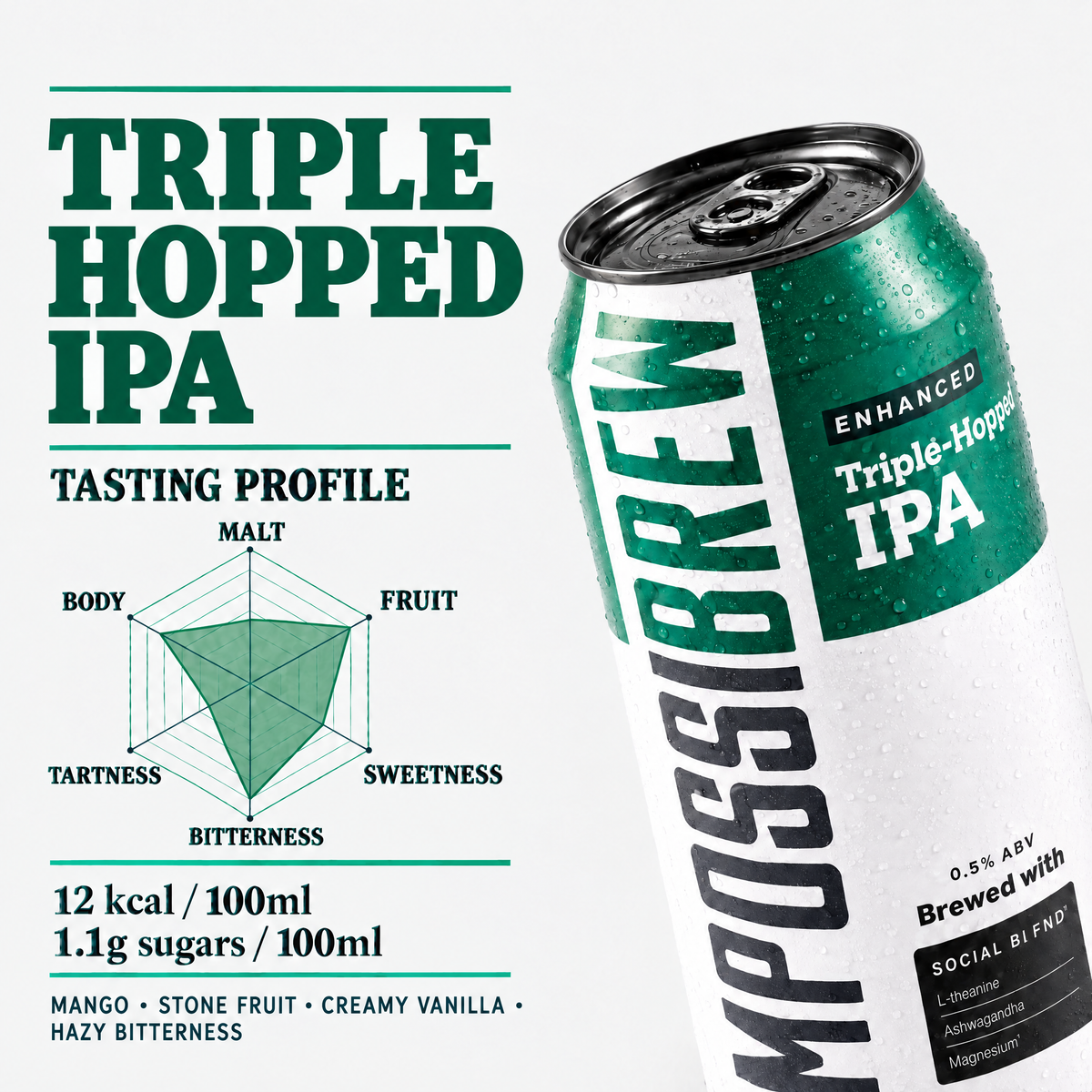
Switching to alcohol-free beer can lead to a noticeable drop in your calorie consumption. Pure alcohol itself packs 7 calories per gram [20]. To put that into perspective, a standard pint of 4% ABV beer contains around 129 calories just from its alcohol content, not counting additional calories from carbohydrates or proteins [20]. By removing or significantly reducing the ethanol, alcohol-free beer eliminates a major source of these "empty" calories.
The calorie difference is striking. For example, a 330ml bottle of regular Heineken (5% ABV) contains 139 calories, while Heineken 0.0 has just 69 calories - a saving of 70 calories per bottle [20]. Similarly, swapping a 500ml bottle of Adnam’s Ghost Ship (4.5% ABV) for its alcohol-free version (0.5% ABV) cuts the calorie count from 225 to 115 [20]. On average, alcohol-free beers range between 10 and 35 calories per 100ml, making them a lighter choice than many soft drinks like orange juice (46 kcal/100ml) or cola (42 kcal/100ml) [20]. These numbers clearly show how switching can support weight management efforts.
That said, alcohol-free beers aren’t entirely calorie-free. Some may even contain more carbohydrates and sugars than their alcoholic counterparts due to residual sugars or sweeteners [20]. For instance, Peroni’s standard 5.1% ABV beer has 10.5g of carbohydrates and no sugar, whereas Peroni Libera (0% ABV) contains 17.5g of carbohydrates and 10g of sugar [20]. In the UK and Europe, drinks with 1.2% ABV or less must include full nutritional information on their labels, making it easier to monitor what you’re consuming [10].
If weight management is a goal, swapping your regular beer for an alcohol-free option can make a real difference. Calories from alcohol are often consumed in addition to your normal diet, which can lead to weight gain [21]. Choosing an alcohol-free alternative helps reduce your overall calorie intake without sacrificing the pleasure of enjoying a beer, which can even help you quit drinking altogether. This shift not only supports weight management but also promotes a healthier lifestyle overall.
6. Your Heart Health Improves
Choosing alcohol-free beer can do wonders for your heart. By removing alcohol, you eliminate a substance linked to high blood pressure, obesity, and sleep-related breathing issues, while still benefiting from the heart-friendly compounds naturally found in beer [6]. Globally, alcohol is responsible for 3 million deaths annually, with cardiovascular diseases forming a significant portion of these fatalities [6][18].
One of the standout benefits of alcohol-free beer is its rich content of polyphenols - plant-based compounds that actively support heart health. Ferulic acid, which accounts for more than half of beer’s antioxidant properties, plays a key role in protecting the cardiovascular system [11]. These polyphenols help combat inflammation, lower blood pressure, and shield blood vessels from oxidative stress. Studies show that alcohol-free beer can reduce platelet activation markers like CD62 by 25% and PAC-1 by 15%, while also cutting monocyte platelet aggregates - a key cardiovascular risk factor - by up to 40% [22].
A study conducted between 2014 and 2015 involving 33 men aged 55-75, all at high cardiovascular risk, revealed some impressive results. Participants who consumed 990ml of alcohol-free lager daily for four weeks experienced reduced systolic blood pressure, lower levels of homocysteine (a known cardiovascular risk marker), and increased serum folic acid [18][24]. Victoria Taylor, a Registered Dietitian with the British Heart Foundation, summarised it well:
"Drinking less, or not drinking alcohol at all, is the best thing that we can do for our heart and circulatory health." [23]
Alcohol-free beer also helps reduce the risk of blood clots. Unlike regular beer, which can encourage clot formation, alcohol-free beer has anti-thrombotic properties that inhibit clotting [22]. This is especially valuable for preventing conditions like atrial fibrillation, which has been linked to regular beer and cider consumption [6]. Additionally, the polyphenols in alcohol-free beer encourage the production of endothelial progenitor cells - stem cells that repair and maintain the lining of blood vessels - helping to keep arteries healthy and stave off atherosclerosis [18][24].
Further supporting these findings, researchers have noted:
"Non-alcoholic beer is more effective than conventional beer in preventing oxidative stress (lower lipid and protein oxidation), preserving the endothelial function (lower endothelial dysfunction) and inhibiting thrombogenic activity (lowered oxidized LDL)." - Marco Sancén et al., Nutrition and Obesity Group, University of the Basque Country [18]
7. Your Gut Health Gets Better
Switching to alcohol-free beer doesn’t just benefit your overall health - it can also work wonders for your gut. By removing ethanol, which can harm your intestinal barrier and microbiome, alcohol-free beer retains gut-friendly compounds that support digestive health [27].
This type of beer is rich in soluble fibres like beta-glucans and arabinoxylans. These fibres encourage the production of anti-inflammatory short-chain fatty acids, such as butyrate, which are essential for gut health [27]. In one randomised, double-blind trial conducted in Lisbon, participants who drank 330 ml of 0.0% ABV beer daily for four weeks experienced a measurable increase in gut microbiota diversity (Shannon index rose from 2.7 to 2.9) and higher levels of fecal alkaline phosphatase activity (from 156 to 230 nmol/min/mg protein), all without any changes to their body weight [28].
The benefits don’t stop there. A 2021 pilot study focusing on patients with Type 2 Diabetes found that consuming 660 ml of alcohol-free beer daily for ten weeks significantly increased levels of Parabacteroides, a bacterium associated with better insulin resistance [25]. These findings highlight how removing alcohol while retaining beer’s natural polyphenols can positively influence the microbiome.
Dr Duane Mellor, Senior Teaching Fellow at Aston Medical School, emphasises the need for freshness to maximise probiotic benefits:
"To contain any live probiotics linked to maintaining a healthy gut and immune system, the beer needs to be fresh, not pasteurised and unfiltered." [29]
Meanwhile, researchers from the American Chemical Society noted:
"These results suggest the effects of beer on gut microbiota modulation are independent of alcohol and may be mediated by beer polyphenols." [26]
With these findings, it’s clear that alcohol-free beer can play a unique role in supporting gut health.
8. Your Social Life Stays Active
Worried that cutting back on alcohol might put a dent in your social life? The truth is, alcohol-free beer lets you stay right in the mix at pubs, parties, and gatherings. It provides a sophisticated drink option that feels just as appropriate for any occasion as its alcoholic counterparts.
Holding a bottle or glass of alcohol-free beer helps you maintain the familiar ritual of drinking, allowing you to blend effortlessly into social settings. As Dr Duane Mellor, a Dietitian and spokesperson for the British Dietetic Association, explains:
"There's always been a need for a grown-up non-alcoholic drink for people who want to socialise." [2]
This means you can stay fully engaged in social occasions while prioritising your health and well-being.
But it’s not just about appearances. Alcohol-free beer can actually enhance your social experience. You’ll stay sharp, remember conversations, and enjoy being present without the fog of alcohol. Many modern alcohol-free beers even include ingredients like L-Theanine and Ashwagandha, which mimic the relaxing effects of having "one or two pints" - without the downsides [30]. In a study of over 1,000 participants, more than 70% reported feeling relaxed after drinking functional alcohol-free beer [30].
Plus, with a non-alcoholic drink in hand, you’re less likely to face the constant push to "just have one more", making it easier to stick to your choice and enjoy the moment on your terms.
9. You Feel Relaxed Without Getting Drunk
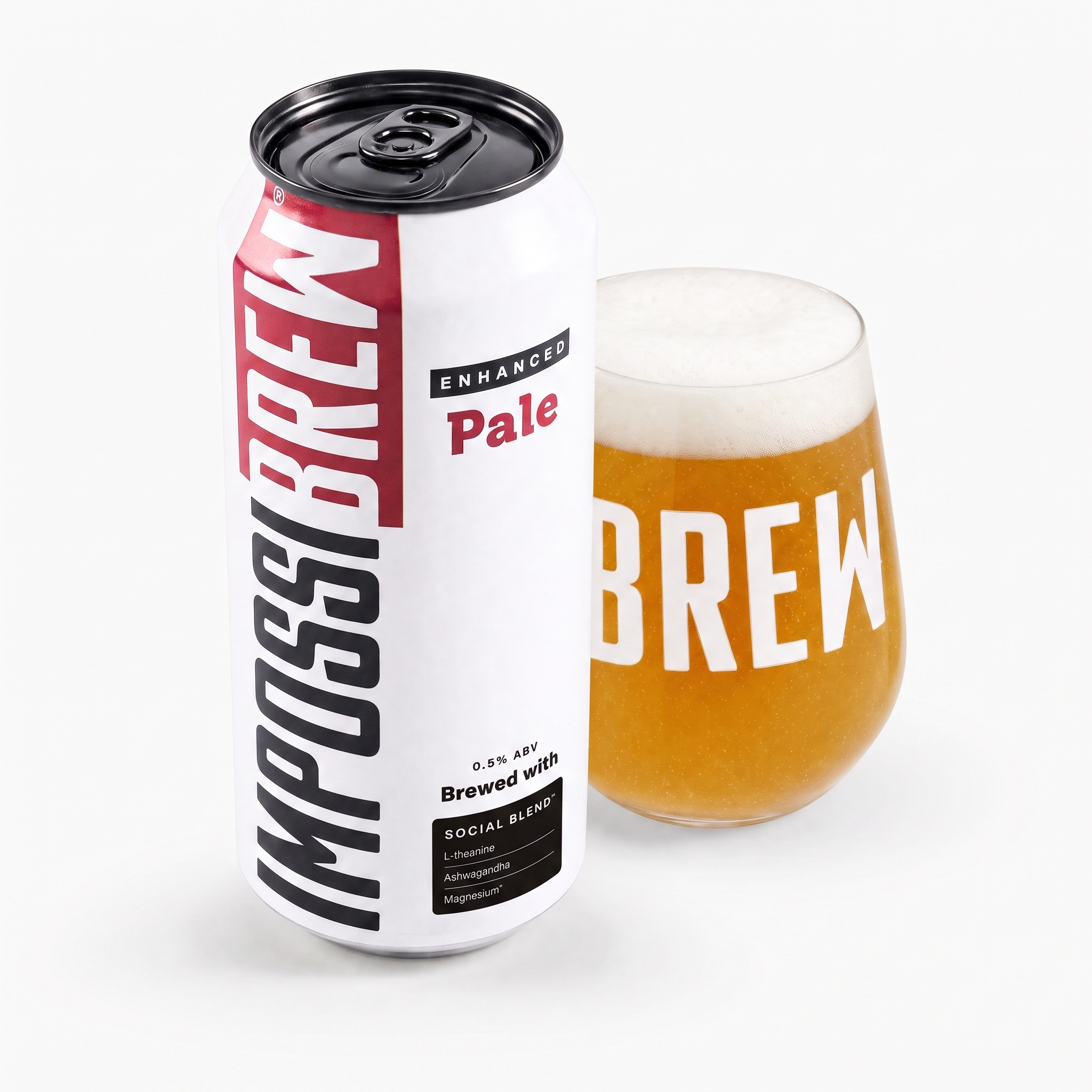
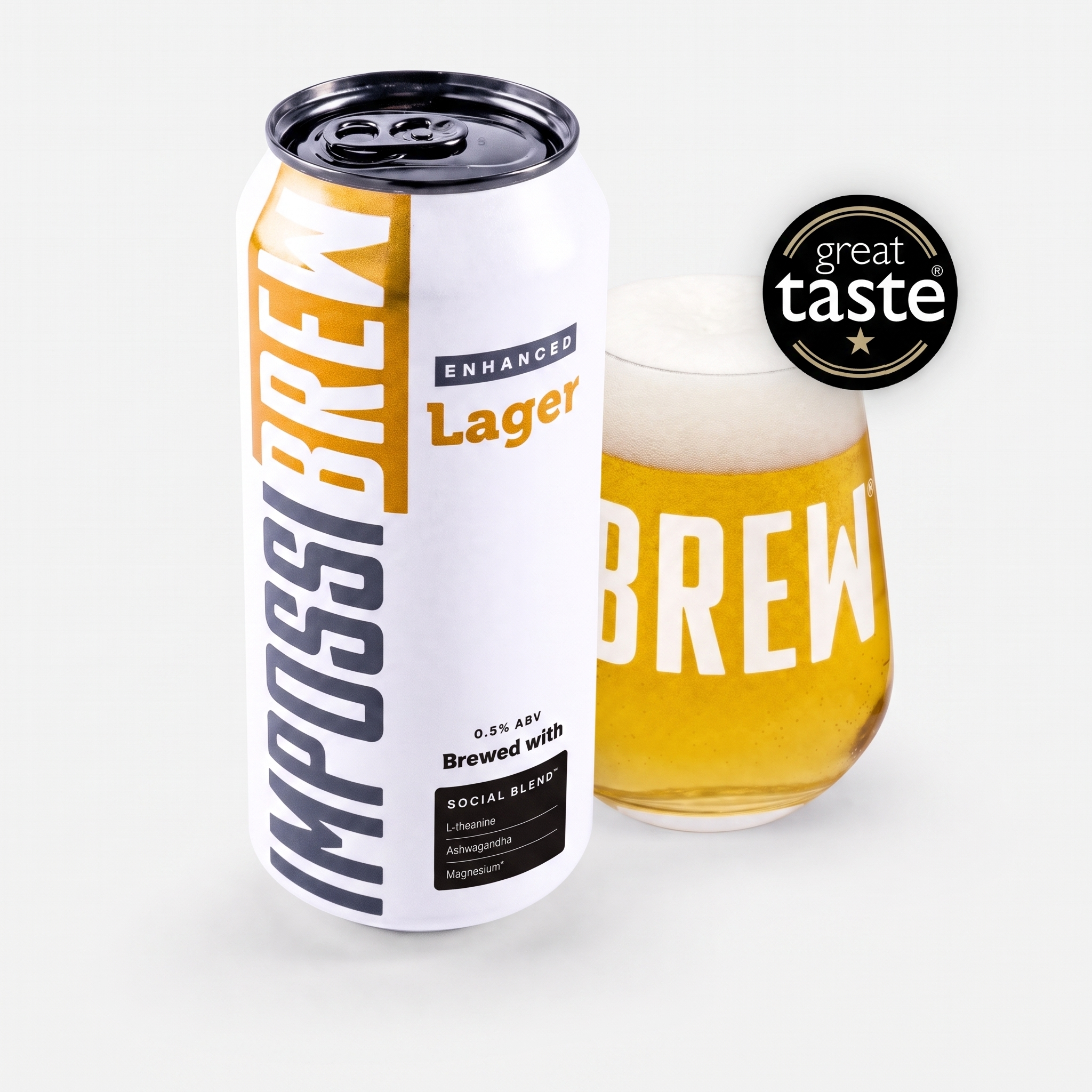
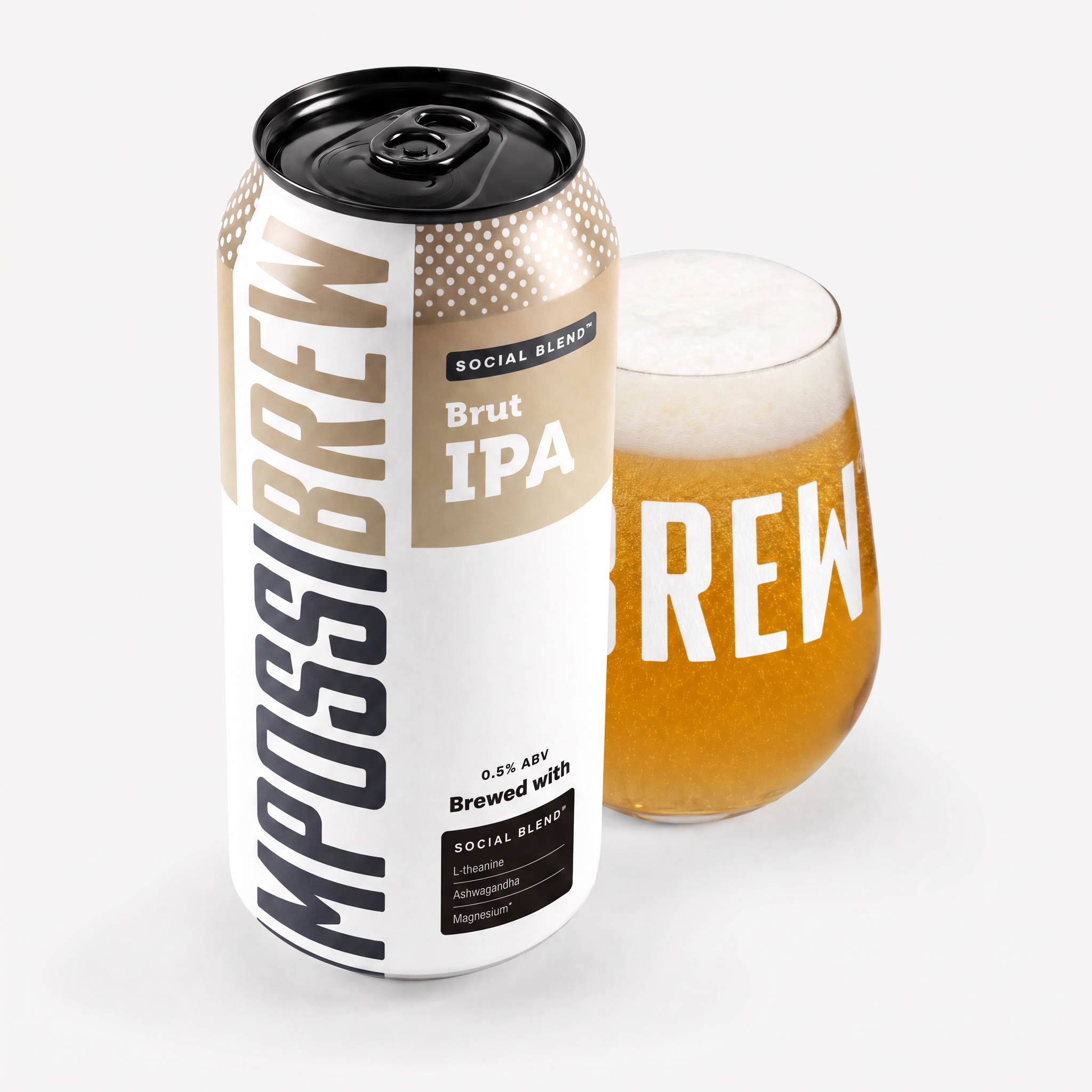
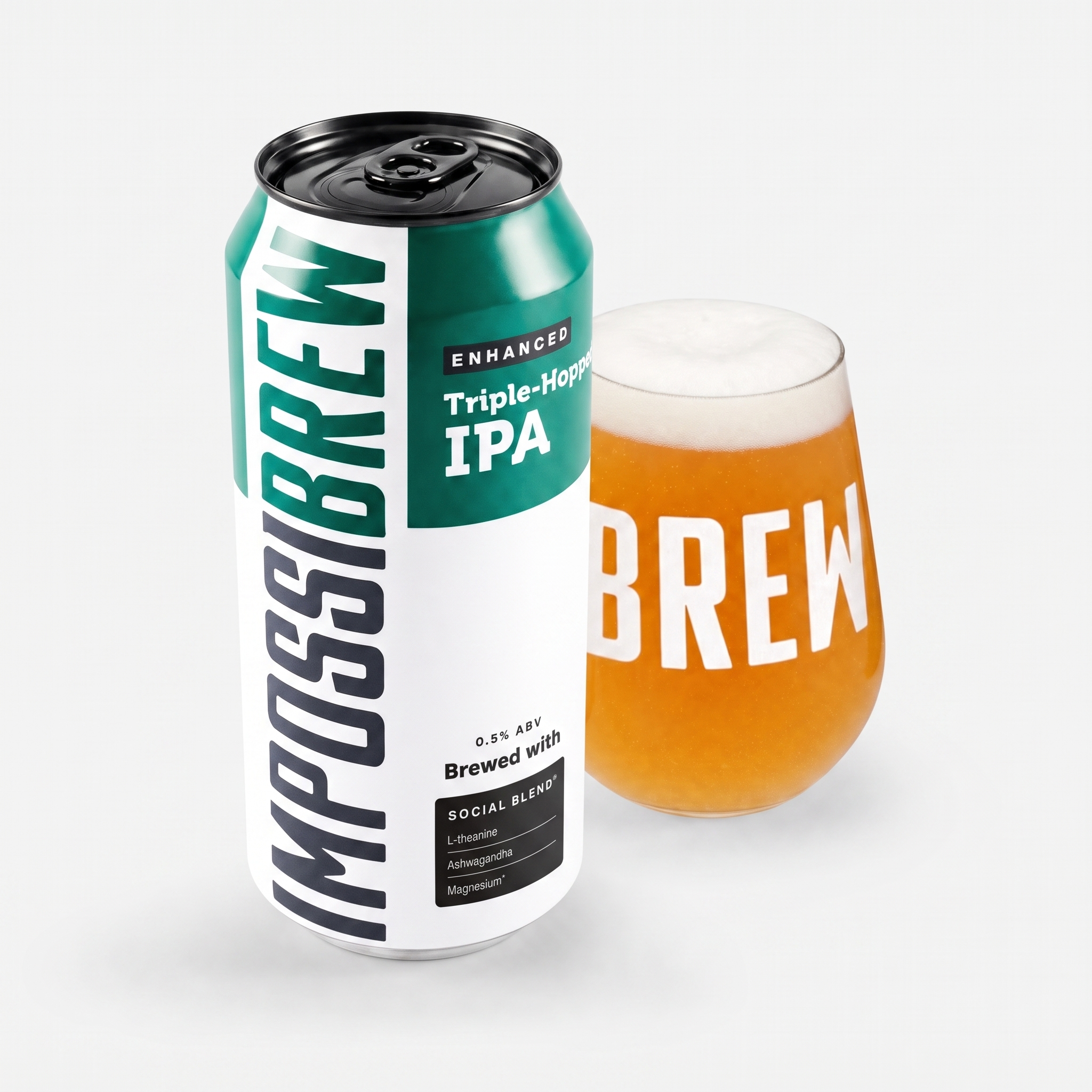
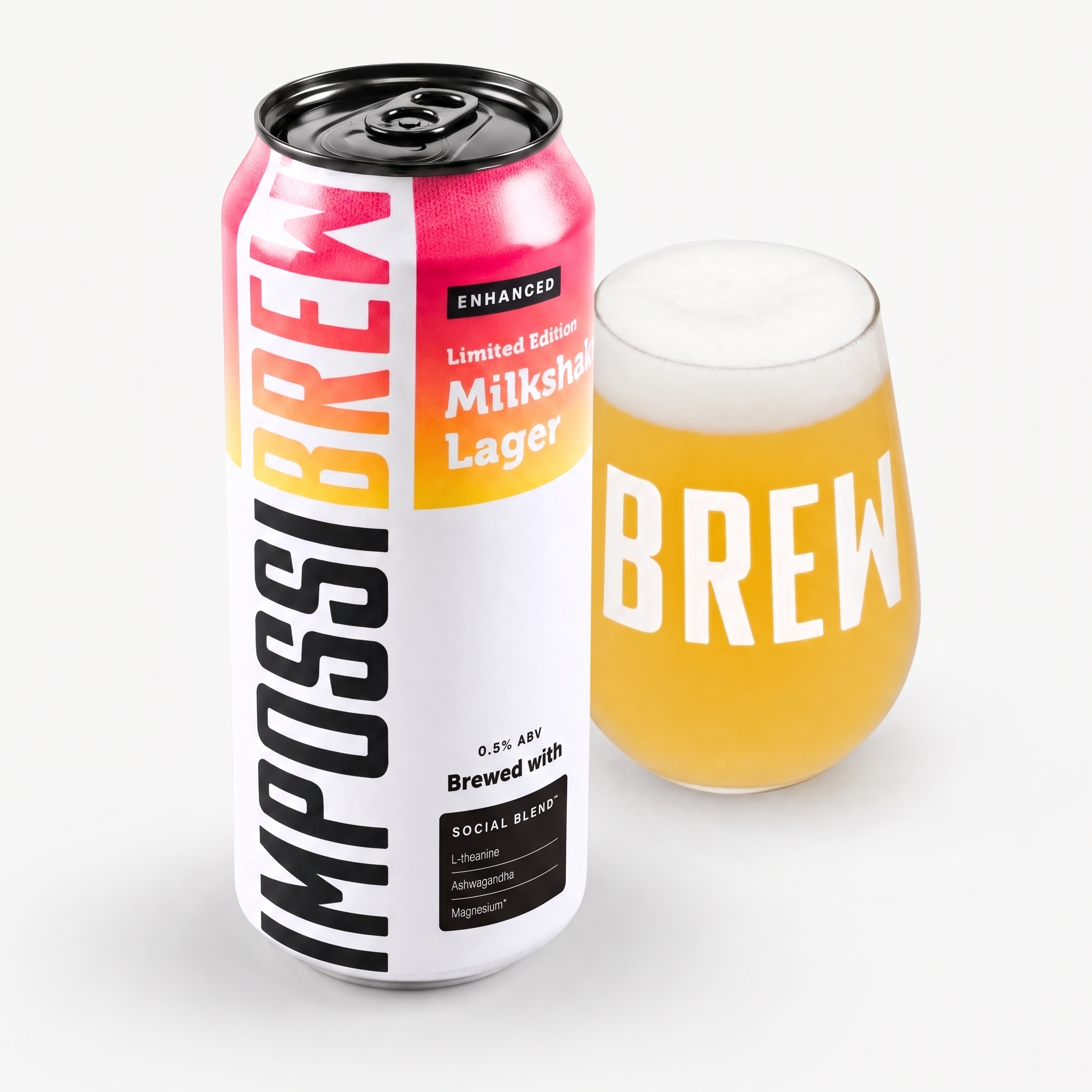
Choosing alcohol-free beer allows you to unwind without the downsides of alcohol. IMPOSSIBREW®'s Social Blend™ is a specially designed formula created alongside Dr Paul Chazot, a Professor of Pharmacology at Durham University. This blend is crafted to enhance your natural alpha brain waves, promoting a sense of "alert relaxation." It also helps regulate serotonin, GABA, and dopamine levels, keeping you calm and focused without making you feel drowsy.
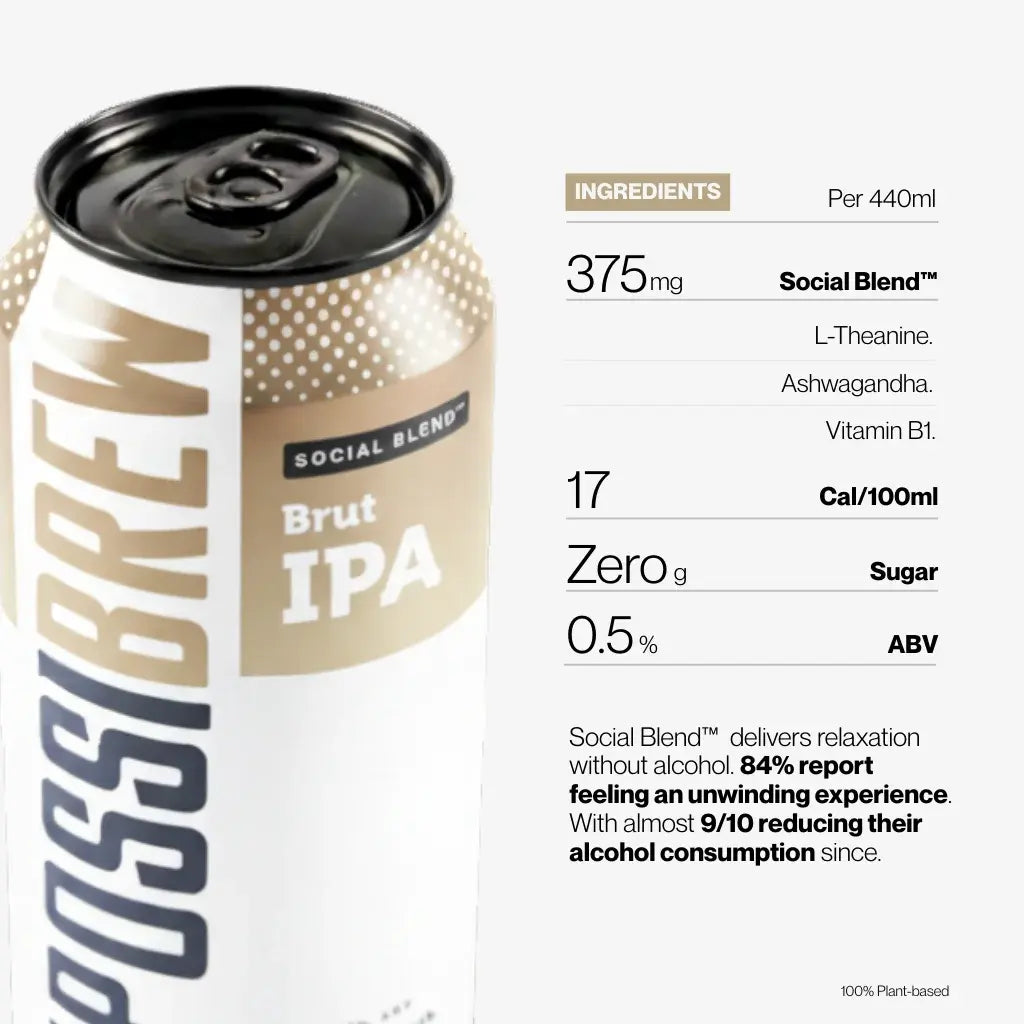
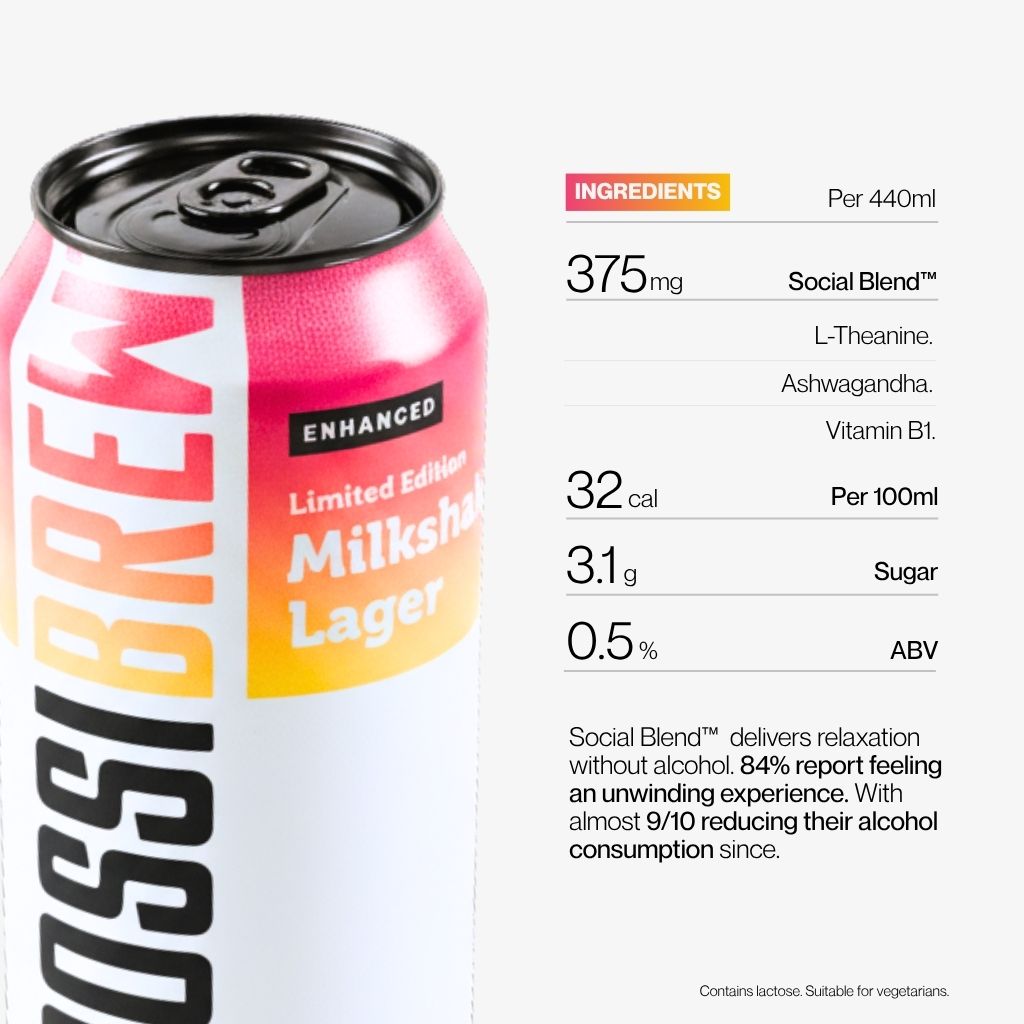
The formula achieves this through a thoughtful combination of ingredients. Social Blend™ includes L-Theanine to stimulate alpha brain waves, Ashwagandha to help manage stress, Vitamin B1 to support the nervous system, and a natural hops extract for a balanced bitterness and soothing effect.
Research backs these claims. A study involving over 700 participants revealed that 84% felt more relaxed - 21% of them reported feeling very relaxed - after trying IMPOSSIBREW®. Additionally, 87.7% reduced their overall alcohol intake after making the switch [31].
As IMPOSSIBREW® explains:
"While alcohol works against your brain, Social Blend™ works with it" [31].
Enjoy the flavour and relaxation, minus the hangover or cloudy judgement.
10. Your Overall Health Improves
Stepping away from alcohol can lead to noticeable improvements in both physical and mental health. These changes often begin with your body and ripple out to affect your overall well-being.
Physically, the benefits are striking. Within just four weeks, giving up alcohol can lower insulin resistance by 28%, bring down blood pressure and heart rate, and reduce liver stiffness - a key indicator of early liver disease [5]. Your skin may also appear brighter, and conditions like rosacea often improve. On top of that, your immune system gets a boost from the absence of ethanol, allowing it to function more effectively.
As your body heals, your mind follows suit. Mentally, cutting out alcohol helps stabilise brain chemistry, which can reduce anxiety and feelings of social unease. Matt Goolding highlights this connection:
"Alcohol can change the chemistry of the brain making feelings of anxiety, social unease, and panic more common" [32].
Without alcohol, your mood stabilises, your focus sharpens, and your sleep improves - especially the deep REM cycles that leave you feeling truly rested. On a broader scale, avoiding alcohol has long-term benefits. Research shows that roughly 20,000 cancer deaths in the United States each year - about 3.7% of all cancer-related deaths - are linked to alcohol consumption [32]. Additionally, steering clear of alcohol lowers the risk of several cancers, including breast, colorectal, head and neck, and liver cancers.
Interestingly, alcohol-free beer can offer some unexpected perks. Its polyphenols promote gut health, reduce inflammation, and support your heart, delivering many of the functional benefits associated with alcohol - without any of the risks. Together, these changes contribute to a healthier, more balanced lifestyle.
Conclusion
Alcohol-free beer offers a way to improve your physical health, sharpen your mental clarity, and enjoy more fulfilling social experiences. These benefits go beyond just health - they can enhance your overall lifestyle.
Thanks to modern alcohol-free options, you can still enjoy the tradition of a pint without the drawbacks. Studies show that choosing alcohol-free alternatives helps reduce overall alcohol intake while still promoting relaxation [1].
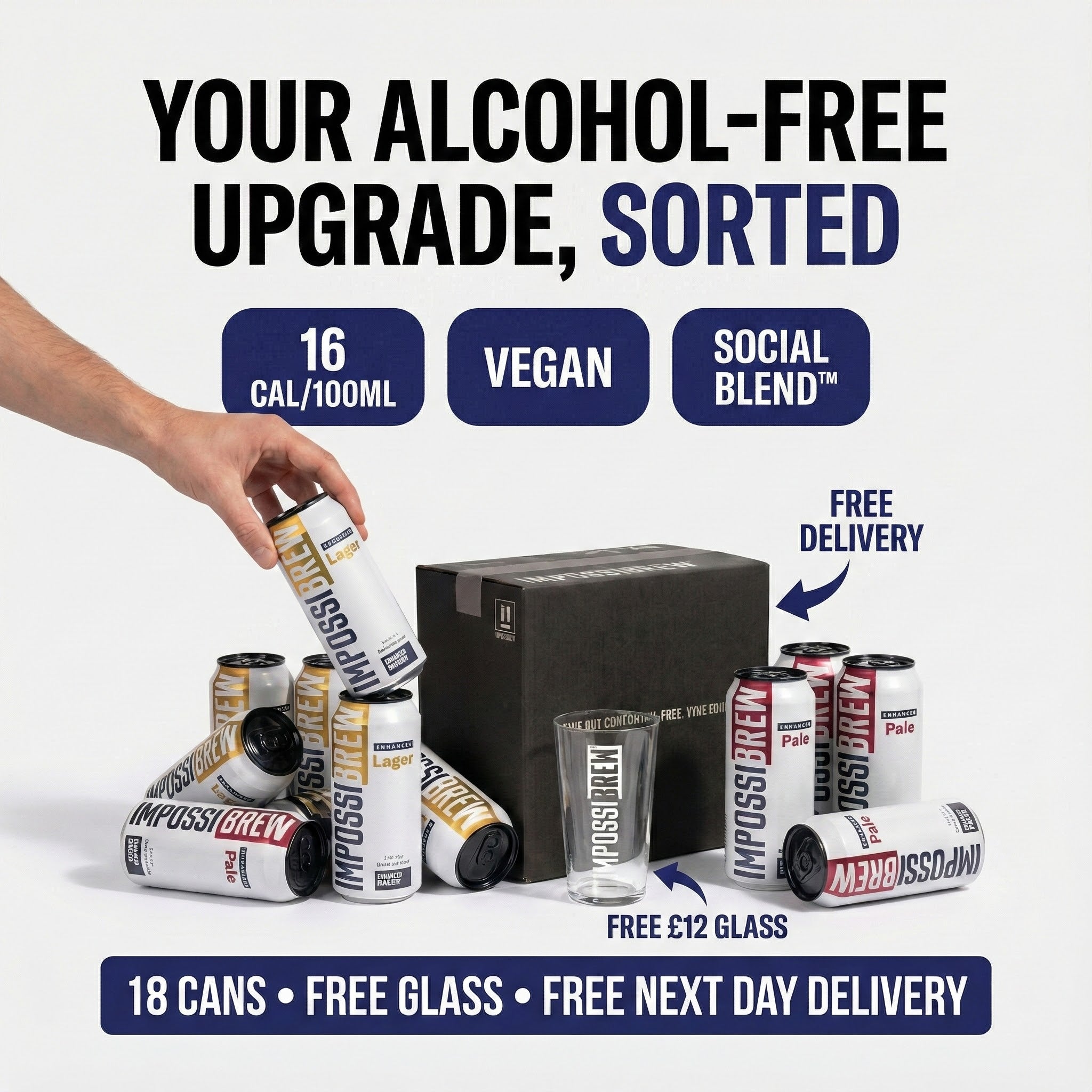
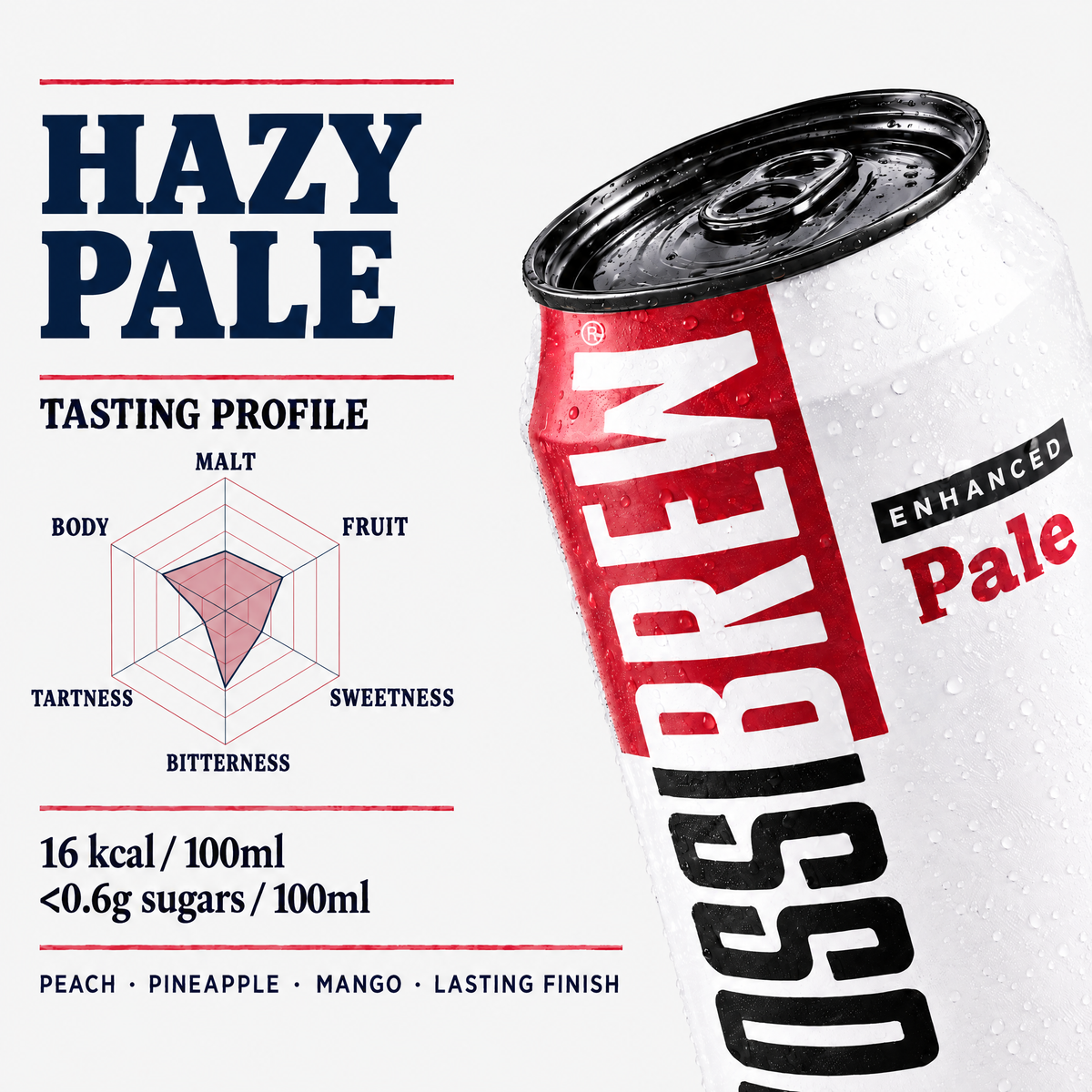
This isn’t about giving something up - it’s about choosing better. IMPOSSIBREW®'s Social Blend™ combines L-Theanine, Ashwagandha, and Vitamin B1 to recreate the social enjoyment of drinking, minus the negative effects of alcohol. With just 16 calories per 100ml and free UK Express Delivery on orders over £35, making the switch is simple and convenient [1].
Recognised for its quality, IMPOSSIBREW® has earned accolades like the "UK's Best Non-Alcoholic Beer" from the World Beer Awards and a Gold Medal at the London Beer Competition [1]. These achievements underscore its commitment to excellence.
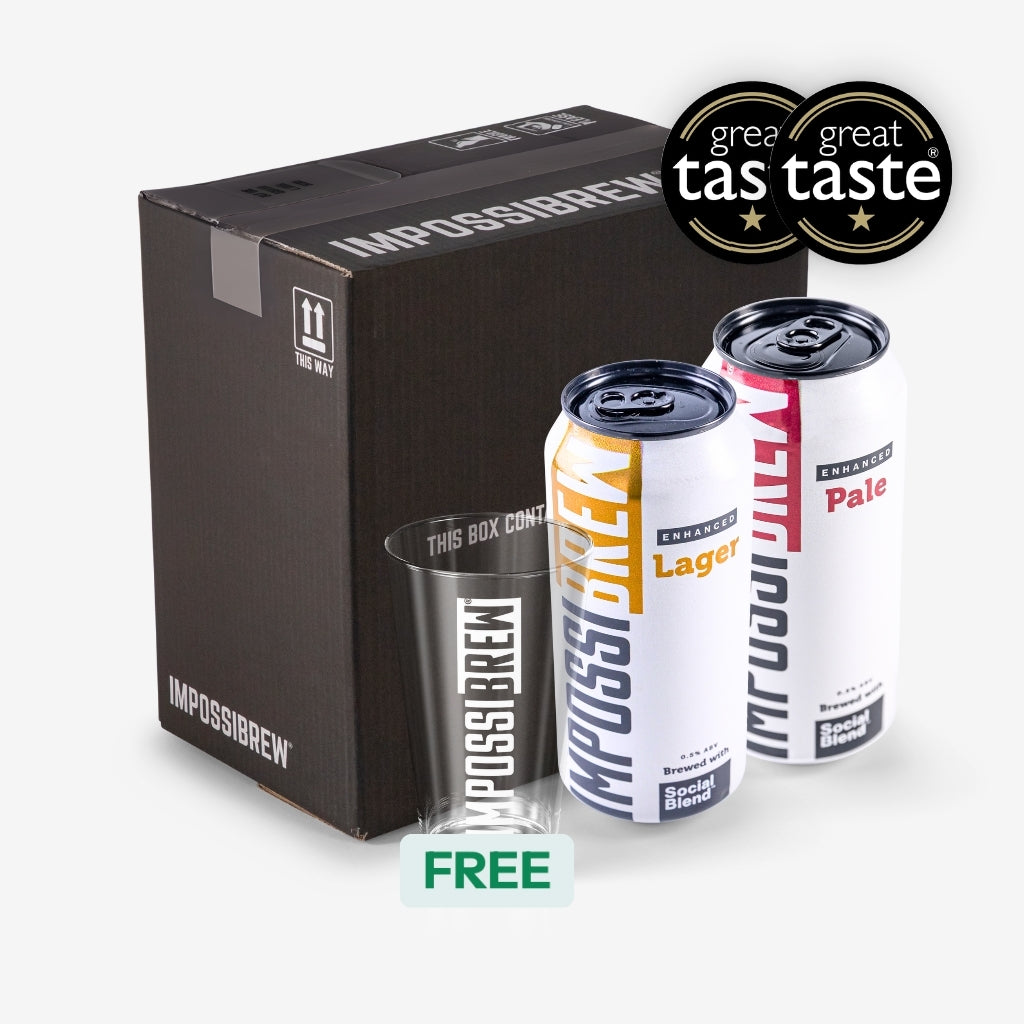
Alcohol-free beer offers a straightforward way to support your health, strengthen social connections, and boost your daily well-being. Ready to make the change? Try our Welcome Bundle, which includes two free beers and a 30-day money-back guarantee. It's a decision your body - and your social life - will appreciate.
FAQs
Is alcohol-free beer safe every day?
Yes, alcohol-free beer is generally safe for daily consumption. However, it does contain trace amounts of alcohol (up to 0.05% ABV). This means it might not be suitable for everyone, such as individuals avoiding alcohol for religious reasons or during pregnancy. It's always important to take personal circumstances into account when making dietary decisions.
Does alcohol-free beer still affect driving?
Alcohol-free beer can have up to 0.5% ABV. While this small amount is highly unlikely to cause intoxication or affect your ability to drive, it could still show up in blood tests. It's always a good idea to check the legal alcohol limits where you are before getting behind the wheel.
Can alcohol-free beer trigger cravings?
Alcohol-free beer can play different roles depending on the person and their relationship with alcohol. For some, it serves as a helpful alternative, offering the taste and social experience of drinking without the alcohol. However, for others, it might heighten cravings or act as a trigger, making it harder to manage their relationship with alcohol. The effects are highly personal, so it’s important to reflect on your own experiences and determine what feels right for you.